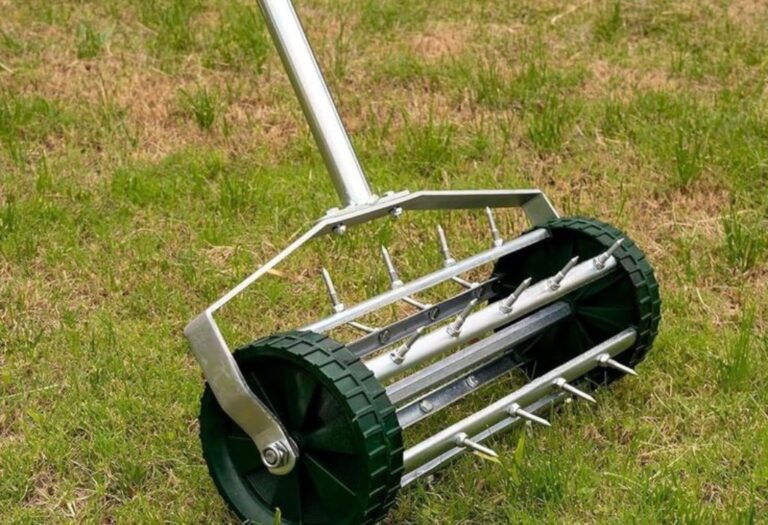
Making a DIY Lawn Roller: A Simple Guide for Your Garden
Figuring out how to make DIY lawn roller can seem tough at first. Many people think it’s complicated, but it’s actually a straightforward project, especially if you’re just starting out. Don’t worry, you don’t need to be a pro to build your own lawn roller. This guide will walk you through each step, making the process easy to follow. Get ready to explore the simple steps to create a lawn roller that will help you achieve a beautifully leveled lawn.
Gathering Your Materials for a DIY Lawn Roller
Before you begin, it is important to prepare all the necessary items. Choosing the correct components is important to the functionality and lifespan of your lawn roller. This section will guide you through the materials needed, suggesting the best sizes and types to use. Doing so will ensure the finished product works well and lasts for many years. Choosing the right stuff from the beginning prevents issues later on. Think of it as setting the stage for success. Proper preparation is the first step toward a perfect lawn.
Essential Tools and Supplies
To begin making your own lawn roller, you’ll need the right tools and materials. This section lists everything you need, from basic tools to specific components. Having all of these items on hand makes the project go smoothly. It also prevents any mid-project runs to the store. Gathering the supplies is the first step to enjoying the satisfaction of a freshly rolled lawn.
-
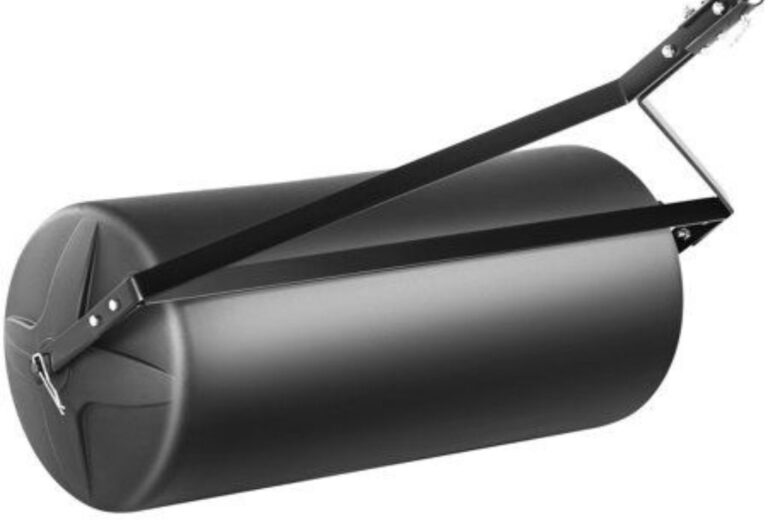
- A sturdy barrel or drum: This will be the main part of your lawn roller. Steel drums are good choices for their durability, but make sure to clean it thoroughly. Consider the size of your lawn when choosing the barrel size; larger lawns might need a bigger drum. Plastic barrels are lighter and less prone to rust, but might not be as long-lasting.
Choosing the correct barrel is essential. Steel drums provide strength but can be heavy when filled, which is helpful for compacting soil. Plastic barrels are lighter and easier to maneuver, making them suitable for smaller lawns. Think about what you will fill the barrel with – water or sand will add weight for rolling your lawn. Measure your lawn to get the right width. Selecting the right drum at the beginning will make a big difference.
-
- Axle and Wheels: You will need an axle for the roller to turn. Two wheels will also be required to provide smooth movement across the lawn. The axle must be strong enough to support the weight of the filled barrel. Consider using metal wheels for durability and smooth rolling.
The axle allows the barrel to rotate freely. Quality wheels are important for smooth and easy movement over the grass. Remember, a well-built axle and wheels can dramatically affect your lawn roller’s performance. Consider the size of your lawn when choosing wheels; larger wheels make the roller easier to push. Make sure the wheels are designed to hold the weight of the filled barrel. Metal wheels are more durable than plastic, so it’s a good choice.
-
- Welding tools or fasteners: These are required to join all parts of the roller together. Welding is very durable. Bolts and nuts are another option if you do not have welding equipment.
These are what holds your lawn roller together. Whether you weld or use bolts, the connections must be strong enough to handle the weight and use. Welding creates a very strong bond, so it will last. If you’re not comfortable welding, good quality bolts work well too. Make sure the joints are secure. Secure connections are important for safety and the lifespan of your roller.
-
- Handle: You’ll need a handle to steer the lawn roller. The handle should be long enough to comfortably push or pull the roller. A sturdy handle is important for providing control and comfort.
A handle gives you control when you are rolling your lawn. It should be tall enough so you can walk comfortably. Wood or metal are typical materials. Make sure the handle is properly attached to the drum to support the weight. Consider ergonomics; a handle that feels good will make the work easier. Think about the height when you are measuring the handle to ensure it is the right fit.
-
- Filler material: You’ll need something to add weight to the drum. Sand and water are both common choices. Sand provides constant weight, while water can be drained or added as needed, providing flexibility.
What you fill the barrel with makes your lawn roller useful. Sand is heavy and gives consistent pressure, which is good for firming the ground. Water is easy to add or remove to control the weight. Choose what fits your needs – consider how much weight you need for your type of grass and soil. Water is easily available. Sand can be more permanent.
Assembling Your DIY Lawn Roller: Step-by-Step Guide
Now, let’s explore how to put your DIY lawn roller together. This part will break down each step clearly, from preparing the barrel to attaching the handle. Clear instructions ensure that you’ll have a smoothly rolling lawn roller. Follow these steps carefully and you’ll soon have your lawn looking great. With patience and these instructions, the assembly will be easy.
Preparing the Barrel or Drum
The first step involves getting your barrel ready for the rest of the build. This includes cleaning the barrel if it is used and making sure it is ready to handle the weight of the filler material. A well-prepared barrel guarantees that everything else fits correctly and will work well. Taking a few moments at this stage will save a lot of problems later on.
-
- Clean the barrel: If your barrel is used, start by thoroughly cleaning it. Remove any dirt or residue inside and out. A clean barrel is a good foundation.
Cleaning the barrel is essential, especially if it’s been used for something else. Thorough cleaning removes anything that might affect your lawn or the barrel’s durability. It’s a key first step that ensures the rest of your work is safe and works well. Use a scrub brush and soap. Rinse well to remove all cleaning products.
-
- Make an opening: If your barrel doesn’t already have one, create an opening for filling it with water or sand. This needs to be big enough to add the filler easily, but still, be secure.
Creating an opening allows you to fill and empty your roller. It’s important to plan where to place this opening; it should be accessible but not interfere with the structure. The opening must be big enough for easy filling and strong enough to prevent leaks. The opening can be created with a saw or a drill. Be sure to measure properly to avoid any unnecessary modifications.
-
- Seal any leaks: Ensure the barrel is watertight if you plan to use water. Check for any leaks and seal them. If using sand, ensure the seams are secure.
If you plan to fill the barrel with water, make sure it does not leak. Any leaks can reduce the roller’s effectiveness and make a mess. Test the barrel’s seams and joints, and use sealant. Properly sealing the barrel extends its life and helps the roller work as designed. A quick check for leaks before assembly can save time and effort.
Attaching the Axle and Wheels
Next, you’ll attach the axle and wheels. This step allows the lawn roller to move across your yard. Having a smoothly turning roller is necessary for even and effective lawn care. Careful work at this point guarantees the roller moves with ease and helps level your lawn. Paying attention to these steps is essential for a good result.
-
- Attach the axle supports: These will hold the axle in place. If using a steel drum, you may want to weld supports onto the sides. If you are using a plastic drum, you can use bolts.
Axle supports keep the axle in position and allow the roller to turn easily. Welding provides a strong and durable connection for metal drums. Make sure the supports are strong enough to carry the full weight of the roller. They should align to keep the axle straight. If you’re using bolts, ensure they are tight and secure. Proper support will stop any issues.
-
- Insert the axle: Slide the axle through the supports. Make sure it moves freely. The axle must rotate for the lawn roller to work correctly.
The axle must turn smoothly for your roller to function correctly. Ensure the axle fits well and can rotate without friction. Make sure there is enough room for the wheels. This process might require some adjustment. The axle is the pivot point, so ensure it functions properly for ease of use. Proper rotation helps your lawn look great.
-
- Attach the wheels: Secure the wheels onto the axle. Make sure they are aligned correctly. Check for any wobble.
Attach the wheels firmly to the axle to keep the roller stable. Aligning them correctly helps the roller move smoothly. Tighten everything carefully. Check for any wobbles that might affect the performance. Ensuring everything is aligned and secure will prevent future issues. Smooth rolling is the result of good wheel attachment.
Affixing the Handle
The handle is your steering control. A sturdy and well-placed handle makes rolling your lawn much easier. This step will show you how to attach the handle. Properly attaching the handle ensures the roller is easy to guide across your lawn. Getting the handle right will make the task much less effort.
-
- Choose your handle material: Select wood or metal for your handle. Metal handles are strong, while wooden ones can be more comfortable. Consider the strength and your comfort.
Choosing the correct material for your handle is important. Metal handles are stronger, while wood can offer a better grip. Consider how much weight you will be pushing and how much control you want. The material choice also affects how the handle attaches to the drum. The correct choice will make lawn rolling comfortable.
-
- Attach the handle to the drum: Securely attach the handle to the drum. Use screws, bolts, or welding, depending on the handle material and drum. The connection should be strong.
Make sure the handle is very securely attached. Strong connections ensure it won’t break while you use the roller. Make sure the method you choose is suited to the materials. Consider the location to balance the weight. Securely attaching the handle keeps the roller under control. Proper attachment is essential for easy use.
-
- Test the handle: Try moving the roller with the handle to make sure the connection is solid and the handle is at a good height for you. Adjust as needed.
Testing the handle is critical before you fill the drum. It allows you to check for comfort and stability. Ensure the handle doesn’t move and that you can comfortably push or pull the roller. A simple test helps you find any adjustments needed before you fully finish the project. This ensures the roller feels comfortable and you can control it.
Filling and Using Your DIY Lawn Roller

Once your lawn roller is built, the next step involves using it to improve your lawn. This part goes through filling the roller and how to use it safely and effectively. Learning the right techniques will help you achieve a beautifully leveled lawn. A few simple steps will help you achieve great results.
Filling Your Lawn Roller
How you fill your lawn roller affects its performance. Filling it correctly ensures the soil is properly compacted. This will help you level your lawn efficiently. This section will guide you through adding the right amount of filler. It is a key step in getting your lawn looking its best.
-
- Choose your filler: Decide whether to use water or sand. Consider the weight you need. Sand is heavier. Water allows you to adjust the weight.
Choosing the right filler is important. Sand provides a consistent weight, which is useful for general leveling and compacting. Water allows you to control the weight depending on the task. The best choice depends on what you want to achieve. Weigh the pros and cons of each choice before you begin. Choosing the right filler will help with success.
-
- Add the filler: Fill the drum to the desired level. If using sand, pour it in slowly. If using water, use a hose.
Add the filler slowly to prevent spills and ensure even distribution. When using sand, make sure the opening is large enough. For water, slowly add it to see how the weight changes the roller’s feel. Filling the roller carefully ensures it works as planned. The amount you add will influence the results you get.
-
- Seal the opening: After filling, make sure the opening is sealed to prevent leaks. Secure the filling hole. Make sure nothing can come out.
Securely closing the filling opening is essential. If using sand, the opening must be sealed to stop sand from spilling. For water, a tight seal will prevent leaks. Ensuring the opening is secure guarantees the filler stays inside, keeping your lawn clean. Proper sealing helps the roller’s effectiveness. Securing the seal will also keep your roller working.
Using Your DIY Lawn Roller for Best Results
Correct usage is key to leveling your lawn. Knowing the correct methods to push and pull your roller ensures that your lawn gets an even, smooth finish. These techniques will help you prevent issues, like over-compaction, so your lawn stays healthy. Following these steps gets the best results.
-
- Prepare the lawn: Mow your lawn before rolling. Remove any debris like rocks or sticks. A clean lawn makes rolling simpler and more effective.
A little preparation will make the rolling process more effective. Mowing the lawn and removing debris will let the roller function more evenly. A clean lawn prevents any obstructions. Prepping your lawn ensures an even rolling, and you’ll get the best results. Good preparation leads to a better lawn.
-
- Roll in straight lines: Walk in straight, overlapping lines across your lawn. Do not change directions abruptly. Overlap each pass by a few inches.
Rolling in straight, overlapping lines guarantees the entire lawn is compacted evenly. Overlapping by a few inches avoids any gaps. Steady, straight passes produce a smooth surface. This even process avoids any inconsistencies. Straight lines improve the appearance. Even results make your lawn look wonderful.
-
- Adjust the weight as needed: You might need more or less weight depending on your soil type and the job. Add or remove water as needed.
The amount of weight you need will depend on your lawn. Adjusting the weight enables you to deal with different soil types and issues. Add water to increase weight. Remove water to reduce it. Adjusting the weight helps you get the best outcomes. Correct adjustment leads to success.
Maintaining Your DIY Lawn Roller
Maintenance extends the life of your lawn roller and keeps it performing well. Routine maintenance will prevent issues that may prevent the roller from working correctly. Taking proper care of your lawn roller means it will be ready to help you for years to come. Routine maintenance will help you save both time and money.
Regular Inspection and Cleaning
Inspecting and cleaning your lawn roller after each use will guarantee it is prepared for the next time. This will help you find potential problems before they become big issues. Consistent care helps your roller last longer. This routine prevents the need for major repairs.
-
- Inspect after each use: Check for any damage to the drum, wheels, axle, and handle. Look for cracks, dents, or loose parts.
Inspecting after each use will help find any damage quickly. Check the drum, wheels, and handle for wear. Look for any loose parts. Quick checks catch minor issues before they worsen. Inspecting your lawn roller keeps it working and extends its life. Catching issues early prevents major repairs.
-
- Clean the roller: Remove any dirt, grass, or debris. Use a brush or hose to clean it.
Removing dirt and debris will prevent rust and keep your roller moving freely. Use a brush or hose to clean it. Regularly cleaning will help your roller last longer and work smoothly. A clean roller operates better. Cleaning your lawn roller is part of its routine care.
-
- Lubricate moving parts: Use lubricant on the axle and wheel bearings. This makes for smooth rolling and reduces wear.
Lubricating the axle and bearings reduces friction, making the roller much easier to use. This also prevents wear and rust. Proper lubrication helps the roller function properly, making your job easier. Regular lubrication will also extend the lifespan. Regular care makes sure it works well.
Storing Your Lawn Roller
Correct storage will help maintain your lawn roller. Proper storage protects it from the elements. Following these steps helps keep your lawn roller ready for the next use. Storing your roller correctly will give it a long life.
-
- Empty the drum: If you use water, drain it. If you use sand, consider removing it for storage. This reduces the weight and prevents rust.
Emptying the drum is key for good storage. Draining water prevents freezing, which can damage the barrel. Removing sand keeps the weight down and makes the roller easier to move. Proper emptying protects your lawn roller. Emptying the drum will help protect your investment.
-
- Store in a dry place: Store the roller in a shed, garage, or other dry area to protect it from the weather. This prevents rust and damage.
A dry storage location will keep the parts in good condition. Moisture can cause rust and damage. Keeping your lawn roller dry prolongs its life and ensures it is ready for use. A dry location protects your investment. A dry storage area will help your roller last longer.
-
- Cover the roller: If stored outdoors, cover the roller to protect it from the elements. This reduces exposure to sun and rain.
Covering the roller will protect it from the sun, rain, and other elements. Using a cover keeps the parts dry and reduces wear. Protecting your lawn roller ensures it is in good condition. Covering it extends its life. Covering your roller is another step to help it last longer.
Frequently Asked Questions
Question: Can I use any type of barrel for my DIY lawn roller?
Answer: It’s best to use a sturdy barrel made of steel or durable plastic. Make sure it’s clean and in good condition to handle the weight of the filler material.
Question: What’s the best filler for a lawn roller: sand or water?
Answer: Both work well, but sand provides consistent weight. Water allows you to adjust the weight. Your choice depends on the specific needs of your lawn and the desired effect.
Question: How often should I roll my lawn?
Answer: It depends on your lawn’s condition and the type of grass. Typically, rolling once or twice a year is sufficient, usually in the spring or fall.
Question: How can I prevent my lawn roller from rusting?
Answer: Store your roller in a dry place, and consider coating the metal parts with a rust-resistant paint or lubricant to create a barrier against moisture.
Question: Is it difficult to build a DIY lawn roller?
Answer: No, it’s not very difficult. With a few basic tools and following the steps provided, you can build a useful lawn roller in a few hours.
Final Thoughts
You now know how to build a lawn roller. You can make one with common tools and materials. Remember, start with the right barrel, add a sturdy axle and wheels, and make sure the handle is secure. Filling the drum with sand or water will add the weight needed for leveling your yard. Rolling in straight, overlapping lines helps you to get a smooth and even lawn. Regular inspection and cleaning, along with proper storage, will help keep your roller in top condition for years. Now, get out there, and enjoy the satisfaction of a beautifully rolled lawn! With a little effort, you can have a lawn that is ready for summer.