Homemade Lawn Roller Ideas: Simple Builds for a Greener Yard
Creating your own homemade lawn roller ideas can seem like a big project if you’re just starting out. It’s often tricky to figure out the best materials and how everything goes together. But don’t worry! This guide will make it easy for you. We’ll show you how to build your own lawn roller with easy-to-follow steps. First, we will review the basic requirements and then get started on several building designs. Prepare to get rolling and achieve a beautifully manicured lawn!
Choosing the Right Materials for Your Lawn Roller
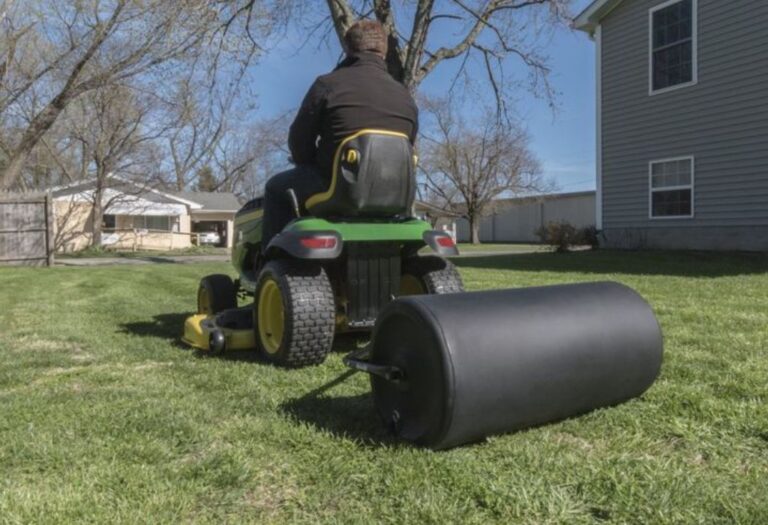
Selecting the correct materials is the first and perhaps most important step when building a lawn roller. The choices you make will influence the roller’s durability, weight, and effectiveness. A well-constructed roller can flatten uneven ground, improve seed-to-soil contact for new grass, and give your lawn a neat, professional look. Understanding the properties of different materials helps you make informed decisions, ensuring your homemade roller functions flawlessly. This section will walk you through the essential components and the materials needed for various types of lawn roller projects.
Frame Construction Choices
The frame is the structural backbone of your lawn roller. It supports the weight of the roller and the added ballast, so it’s essential to use strong, durable materials. Several options work, each with pros and cons. Wood is a classic choice, offering affordability and ease of workability. Steel provides superior strength and longevity but requires welding skills or access to pre-fabricated components. Consider the type of grass you have, the size of your lawn, and your skill level when deciding. Safety is key; ensure that all materials are handled with care, and use appropriate personal protective equipment during construction.
-
- Wood Frames: Wood frames are typically the simplest and most accessible option. Lumber like pressure-treated pine or cedar is often used. These woods resist rot and can withstand outdoor conditions.
Wood is also easily cut, drilled, and assembled using basic tools, making it ideal for beginners. However, wood frames may not be as durable as metal frames, especially under heavy use or in wet conditions. You might need to regularly inspect and treat the wood to prevent deterioration.
-
- Steel Frames: Steel frames offer unparalleled strength and longevity. They can handle significant weight, making them suitable for large lawns or situations where a heavy roller is needed.
Steel frames often involve welding or bolting, which may require specialized tools and skills. Pre-fabricated steel components are available, simplifying the process for those without welding experience. Steel frames are very durable but can be more expensive and may require painting or other treatments to prevent rust.
-
- Plastic Frames: Plastic frames are a less common option, usually found in commercial lawn rollers. They are lightweight and resistant to rust.
Plastic frames are generally less durable than wood or steel and may not be suitable for very heavy rollers or uneven terrain. However, they are easy to clean and maintain, making them a practical choice for small lawns or light-duty tasks. It’s important to select high-quality plastics that can handle the sun and weather.
Roller Drum Material Options
The roller drum is the cylindrical part of the roller that comes into contact with the lawn. The choice of material impacts the roller’s weight, rolling effectiveness, and ease of use. Common materials include steel, plastic, and concrete. Each has its advantages and disadvantages. The selection must factor in the desired roller weight, the size of your lawn, and your budget. The heavier the roller, the more effective it is at flattening the ground. Ensure that the drum material you choose is smooth to prevent damaging the grass, and is easy to clean after each use.
-
- Steel Drums: Steel drums are a common choice for their durability and weight. They provide excellent flattening capabilities and are resistant to damage.
Steel drums can be filled with water or sand to adjust the weight, offering versatility for different lawn conditions. Welding or using pre-fabricated steel drums is required. Steel drums are usually coated with paint or a rust-resistant coating to prevent corrosion. These drums provide a smooth surface for rolling.
-
- Plastic Drums: Plastic drums are a lightweight and affordable alternative. They are easy to handle and do not rust, making them ideal for those on a budget.
Plastic drums might not be as heavy as steel drums, so they may require filling with water or sand to achieve the desired weight. They are easy to clean and are suitable for small lawns or for light-duty tasks, such as smoothing out minor bumps or rolling in grass seed. Select a durable, UV-resistant plastic to prevent cracking.
-
- Concrete Drums: Concrete drums offer substantial weight, providing excellent flattening capabilities, and are quite durable. They can be created using molds, which makes it simple to make the drum yourself.
Building a concrete drum requires mixing and pouring concrete, a process that can be messy but relatively straightforward. Concrete drums can be challenging to move when empty, which can be a drawback. Once set, a concrete drum is very stable and provides a long-lasting rolling surface for your lawn.
DIY Homemade Lawn Roller Ideas: Step-by-Step Guides

Now that you know the basics, let’s explore some specific homemade lawn roller ideas. We will look at straightforward designs that even beginners can easily build. Each project includes detailed instructions, material lists, and safety tips to ensure a successful and enjoyable building experience. These designs are intended to be user-friendly, using common tools and materials you can find at your local hardware store. Whether you have a small patch of grass or a larger yard, there’s a lawn roller project here for you.
Simple Wooden Lawn Roller Project
This design uses wood and is ideal for beginners. It’s affordable, easy to build, and provides excellent results for small to medium-sized lawns. The wooden frame is sturdy, and the design allows for easy filling with water or sand to adjust the weight. This project uses readily available materials and requires only basic carpentry skills.
-
- Materials You’ll Need:
- Pressure-treated lumber (4x4s for the frame, 2x4s for the cross supports)
- A sturdy plastic drum or a piece of steel pipe (for the roller)
- Wooden dowel or metal rod (for the axle)
- Screws and bolts
- Water or sand for filling (if using a hollow drum)
- Exterior wood stain or paint
- Materials You’ll Need:
These materials are easy to obtain at any hardware store. Select pressure-treated lumber for its weather resistance and longevity. Choose a plastic drum that’s durable and can be filled. Steel pipe can also be used, depending on the desired roller weight. The screws and bolts will hold the frame together. The stain or paint will protect the wood from the elements.
-
- Tools Required:
- Saw (circular saw or hand saw)
- Drill
- Screwdriver or drill with screwdriver bits
- Measuring tape
- Level
- Safety glasses and gloves
- Tools Required:
These tools are common in most home workshops. A saw is needed for cutting the lumber, and a drill is used for creating holes for screws and bolts. The measuring tape and level are critical for accuracy. Protective gear will help you stay safe throughout the project.
- Step-by-Step Instructions:
-
- Build the Frame: Cut the 4x4s to the desired length for the frame’s sides and the 2x4s to create the cross supports. Assemble the frame by screwing or bolting the pieces together. Ensure the frame is square.
Cut the 4x4s accurately to create the frame’s perimeter. Cut the 2x4s for the cross supports, which will add stability to the frame. Assemble the frame using screws or bolts, making sure all corners are square. Use a level to ensure the frame is evenly level.
-
- Attach the Roller: If using a plastic drum, drill holes at the center of each end for the axle. Insert the axle through the drum. Secure the drum to the frame using brackets or supports, allowing it to rotate freely. If using steel pipe, weld or attach end caps to it, then connect the axle.
Make sure the drum rotates freely within the frame. If using a plastic drum, the axle should fit snugly through the holes at the ends. If using a steel pipe, welding end caps will ensure the axle is securely attached. Properly positioning the roller within the frame is important for effective lawn rolling.
-
- Fill and Finish: Fill the roller with water or sand if it’s a hollow drum. Add a fill cap for easy adding and removing the water or sand. Apply exterior wood stain or paint to protect the frame from the weather.
Filling the roller to the appropriate weight is crucial for achieving the desired results. Apply stain or paint to protect the wood. Consider adding a handle to the frame for pushing and pulling the roller across your lawn. Ensure the finish is completely dry before use.
-
Steel Pipe Roller Design
This design utilizes steel pipe for the roller, offering durability and weight. It is best suited for medium to large lawns. This project may require some welding or professional assistance. The steel pipe provides a smooth rolling surface and can handle considerable weight when filled with sand or water. This design is robust, offering a long-lasting solution for lawn care.
-
- Materials You’ll Need:
- Steel pipe of appropriate diameter and length
- Steel plates for the end caps
- Axle rod or pipe
- Steel angle iron or similar for the frame
- Welding equipment
- Paint or rust inhibitor
- Materials You’ll Need:
These materials will result in a durable and effective roller. The steel pipe determines the rolling width, and the steel plates create the end caps. The axle rod is critical for the roller’s function. The frame is constructed from angle iron, providing a strong support structure. Paint or a rust inhibitor will protect against the weather.
-
- Tools Required:
- Welding machine
- Angle grinder
- Drill
- Measuring tools
- Safety gear (welding mask, gloves, etc.)
- Tools Required:
Welding is the key skill for this project. An angle grinder helps with preparing the steel for welding and cutting. A drill is needed for preparing the frame, and measuring tools help guarantee accuracy. Safety gear is a must when welding.
- Step-by-Step Instructions:
-
- Prepare the Roller: Cut the steel pipe to the desired width. Weld the steel plates onto each end of the pipe, creating the drum. Drill a hole through the center of each end cap for the axle.
Cut the pipe accurately. Welding steel plates to the ends is key for sealing the roller drum. Drilling holes for the axle is essential. Ensure that the welds are strong and the holes are in the proper position.
-
- Build the Frame: Cut the angle iron to size and weld them together, creating the frame. Ensure the frame has the proper dimensions to accommodate the roller drum. Weld or bolt supports for the axle to the frame.
The frame has to be strong enough to support the roller drum and handle the weight of the water or sand. Use precise measurements for all cuts. Welding the frame correctly provides strength. Position the axle supports properly.
-
- Assemble and Finish: Insert the axle through the roller drum and secure the drum in the frame. Paint the entire roller with a rust inhibitor or exterior paint to protect it from the elements. Add a fill cap if you plan to use water or sand for ballast.
Ensure the roller drum spins smoothly. The paint helps extend the roller’s life. Add a fill cap to the drum for easily adjusting the weight.
-
Concrete Drum Lawn Roller Design
A concrete drum roller is best if you want a heavy, long-lasting solution, which is excellent for large lawns and for addressing deeply compacted soil. The concrete drum provides substantial weight, essential for effective lawn flattening. While a bit more involved than the other designs, the result is a durable, very effective lawn care tool.
-
- Materials You’ll Need:
- Cylindrical mold (e.g., a sturdy plastic barrel)
- Concrete mix
- Rebar or wire mesh for reinforcement
- Axle pipe or rod
- Wood or metal frame material
- Materials You’ll Need:
The mold determines the size and shape of your drum. Concrete mix forms the drum. Rebar adds strength, preventing cracks. The axle is critical for smooth rolling. The frame supports the drum and allows for easy handling.
-
- Tools Required:
- Mixing container and tools
- Shovel or trowel
- Level
- Measuring tools
- Wheelbarrow (optional)
- Tools Required:
You need tools for mixing concrete, such as a sturdy container and a shovel. A level helps guarantee that the mold is level when pouring the concrete. Measuring tools are crucial for accuracy. A wheelbarrow makes moving the wet concrete easier.
- Step-by-Step Instructions:
-
- Prepare the Mold: Clean and prepare the cylindrical mold. Place the axle pipe or rod through the mold. Add the rebar or wire mesh for reinforcement, making sure it is properly positioned.
A clean mold guarantees a smooth concrete surface. Positioning the axle pipe is important for the drum’s function. The rebar or wire mesh adds to the drum’s strength, preventing cracking.
-
- Pour the Concrete: Mix the concrete according to the instructions. Pour the concrete into the mold, ensuring there are no air pockets. Use a level to guarantee the concrete sets evenly. Allow the concrete to cure for at least a week, or as instructed by the concrete mix packaging.
Carefully mix the concrete for a strong, even mixture. Pour the concrete slowly to prevent air bubbles. Allowing the concrete to cure properly is crucial for achieving maximum strength.
-
- Build the Frame and Assemble: Once the concrete has cured, remove the drum from the mold. Build a sturdy frame to support the concrete drum. Secure the drum within the frame, ensuring it rotates freely on the axle.
Carefully remove the drum from the mold without damaging it. Construct the frame from wood or metal. Make sure the frame is stable. Guarantee that the drum rotates easily within the frame.
-
Benefits of Using a Lawn Roller
Using a lawn roller offers a variety of benefits for your lawn. Rolling your lawn can enhance the overall health and appearance of your grass, helping you achieve a lush, well-maintained yard. The effectiveness of lawn rolling depends on several factors, including the condition of your lawn, the type of grass, and the timing of the rolling. Understanding these benefits will help you decide if a lawn roller is right for you, and how to best use it to benefit your lawn.
Improving Seed-to-Soil Contact
One primary benefit of lawn rolling is enhancing seed-to-soil contact, which is critical for successful grass growth. This is particularly important when overseeding your lawn or seeding a new lawn area. By gently pressing the seeds into the soil, a lawn roller eliminates air pockets and guarantees close contact between the seed and the soil. This close contact is crucial for the seeds to properly absorb water and nutrients, which they need to germinate and grow. A lawn roller ensures uniform seed germination, resulting in a fuller, healthier lawn.
-
- Enhanced Moisture Absorption: Seed-to-soil contact allows seeds to absorb water efficiently. Without proper contact, seeds may dry out, which prevents germination.
Moisture is the most essential part of the germination process. A lawn roller pushes seeds down into the soil. This improves contact and helps with absorbing water, ensuring the seeds remain hydrated. The rolling process aids in the retention of moisture.
-
- Improved Nutrient Uptake: Good seed-to-soil contact facilitates the uptake of essential nutrients. Close contact with the soil enables seeds to easily absorb nutrients, promoting strong and healthy root development.
When seeds have good soil contact, they have direct access to essential nutrients. The rolling process removes air pockets that can block nutrients. A higher rate of absorption leads to robust root development and better grass growth.
-
- Increased Germination Rates: With better moisture and nutrient uptake, seeds are much more likely to germinate successfully. The lawn roller increases germination rates by making the perfect environment for each seed.
Rolling your lawn prepares the soil for a higher germination rate. The process eliminates many of the barriers to germination. You’ll see better seed success when you use a lawn roller to promote seed-to-soil contact.
-
- Reduced Bird and Pest Damage: By pressing seeds into the soil, you minimize the chance of birds or pests eating the seeds before they have a chance to germinate.
Seeds on the soil surface are vulnerable to birds and other pests. Rolling pushes the seeds below the surface, which gives them protection. This lessens seed loss and improves the germination success.
Flattening Uneven Surfaces
Lawn rolling is very effective for flattening uneven surfaces, such as those with bumps, ruts, or other irregularities. Uneven lawns can be unsightly, and they can make mowing a challenge. They also make it difficult to play and enjoy your yard. Rolling helps to smooth out these surfaces, producing a more consistent and attractive lawn. This is very important for overall yard appearance and safety. It will improve how you use your lawn.
-
- Smoothing Bumps and Ridges: Lawn rolling flattens out small bumps and ridges on the lawn’s surface. This creates a smoother, more even playing surface and improves the visual appeal of the lawn.
By using a lawn roller, you can get rid of many minor imperfections. This ensures that the grass surface is even, enhancing the lawn’s appearance. The result is a better experience for yard activities.
-
- Addressing Small Depressions: Lawn rollers help level minor depressions that can collect water and create soggy areas. Rolling pushes the soil and promotes water runoff.
By rolling over depressions, you can minimize water pooling. This helps prevent lawn diseases, which thrive in wet conditions. Correcting the depressions also improves drainage.
-
- Repairing Frost Heaves: Frost heaves are common in areas with freezing temperatures. A lawn roller helps address frost heaves, returning the lawn to its original level after the frost melts.
Frost heaves can leave the lawn very uneven. Rolling can gently compress the ground, leveling the lawn after the freeze. This restores the smooth surface.
-
- Improving Mowing Efficiency: A level lawn is much easier and more efficient to mow. Uneven surfaces can cause scalping and make it hard to maintain an even cut.
A level surface means your mower can move without issue. This improves the appearance of the lawn and saves time and effort during mowing. By having a level surface, you can guarantee a consistent cut.
Preparing for Seeding and Sod Installation
Lawn rolling is an important step in preparing your lawn for seeding or sod installation. It creates a smooth, level surface that is best for establishing grass. By rolling the ground before you seed or lay sod, you guarantee good soil contact. This encourages fast, uniform growth. This will set your lawn up for success.
-
- Compacting the Soil: The rolling process compacts the soil slightly, which creates a firm base for seeding or sod. This helps avoid settling issues.
Compacting the soil before seeding or installing sod guarantees the soil has proper support. It’s a key part of creating a long-lasting and healthy lawn.
-
- Creating a Smooth Surface: Rolling creates a smooth, level surface, which is ideal for seeding. This smooth surface guarantees that seeds are uniformly distributed, leading to a more even grass growth.
A smooth surface is essential for achieving a well-maintained lawn. This helps you get better seed distribution, which improves the overall appearance. The outcome is a healthier, more consistent lawn.
-
- Improving Sod Adhesion: When installing sod, rolling helps press the sod into the soil. This improves the contact and promotes root growth.
Rolling is important for sod installation. It encourages the sod to adhere firmly. This helps the roots to take hold. It also reduces gaps, leading to a seamless lawn.
-
- Enhancing Water Absorption: The process of rolling can improve the soil’s ability to absorb water. This is crucial for seeds and young grass. It also helps to ensure the grass grows properly.
Rolling improves the contact, which makes moisture absorption easier. This is especially helpful during the first weeks of grass growth. Adequate moisture is vital for the grass to establish successfully.
Safety and Usage Tips for Your Homemade Roller
Using a lawn roller can be a useful way to care for your lawn, but safety precautions and proper usage techniques are key to success. Proper use protects your lawn and ensures that you avoid injury. Following these tips will help you maximize the results of lawn rolling. By understanding and following these guidelines, you can safely improve the condition and appearance of your yard.
Safety Guidelines and Considerations
Lawn rollers, even homemade ones, can be heavy and require careful handling. Safety precautions are critical to protect yourself and others when using a lawn roller. Ignoring these precautions can lead to accidents and injuries, which could easily be avoided by following the guidelines. Being aware of and adhering to safety protocols is a must.
-
- Wear Appropriate Protective Gear: Always wear appropriate safety gear when operating a lawn roller, including closed-toe shoes and work gloves.
Protecting yourself from injury is key. Appropriate footwear and gloves are essential for safety, and this also helps to prevent accidents. These items protect you and prevent accidental injuries.
-
- Check the Roller’s Weight: Be aware of the roller’s weight, especially when it is full. Ensure you can safely handle the roller.
A filled roller can be heavy. Know how much weight you can handle, which affects its safe operation. Make sure you can move the roller without strain. This will prevent injury and keep you safe.
-
- Inspect the Lawn: Before rolling, inspect your lawn for obstacles like rocks, debris, and low-hanging branches. Clear them to prevent damage.
Check the lawn before rolling to avoid problems. This can prevent damage to the roller. Check for any items that might get in the way and clear them. This also protects your lawn.
-
- Use the Roller on Dry Lawns: Avoid using the roller on extremely wet lawns. Rolling wet soil can compact it excessively, which can damage the grass roots.
Rolling wet lawns can cause soil compaction. This hinders root growth and hurts your lawn’s health. You should always wait for the lawn to dry before rolling.
Proper Rolling Techniques
The method you use when rolling your lawn impacts how effective the process is. Improper techniques can cause damage or yield poor results. Knowing the best techniques is critical for achieving a beautiful and healthy lawn. Taking a careful approach will help ensure your lawn is well-cared for. This will also ensure that you gain all the benefits of using a roller.
-
- Roll in Parallel Lines: Roll in parallel lines, similar to mowing, overlapping each pass by a few inches. This guarantees consistent coverage.
This approach ensures the entire lawn gets rolled evenly. Overlapping guarantees that you don’t miss any areas. The result is consistent rolling across the lawn.
-
- Avoid Sharp Turns: Make gentle turns to prevent the roller from gouging the lawn. Sharp turns can damage the grass and the soil.
Sharp turns can damage your grass and the soil. This can also leave marks, harming the appearance. The use of gentle turns can prevent this from happening.
-
- Adjust Weight as Needed: Adjust the weight of the roller as needed. For example, use a lighter roller for overseeding. Use a heavier roller for flattening uneven surfaces.
Different tasks call for different weights. A lighter roller is best for overseeding. A heavier roller will work better for flattening. Weight adjustments are essential for getting the job done.
-
- Roll When the Grass is Growing: The best time to roll your lawn is during the growing season. This ensures that the grass can recover quickly from the rolling process.
Rolling during the growing season means the grass can recover. The grass will be able to bounce back, leaving it looking healthy. Your lawn’s condition will be the best if it’s in the growing season.
Troubleshooting Common Issues
Even with careful use, problems can arise when using a lawn roller. Understanding these issues and how to troubleshoot them will help you. This section addresses common challenges. By anticipating and solving these problems, you can ensure a successful lawn rolling process. Being prepared can save you time and help you get the desired results.
-
- Roller Leaves Marks: If the roller leaves marks or ruts, the roller might be too heavy, or the soil may be too wet. Reduce the weight of the roller or wait until the soil dries.
Marks and ruts mean there’s an issue with weight or the soil. Reduce the weight by removing some water or sand. Wait for the soil to dry. Then, you can try rolling again.
-
- Roller Is Difficult to Maneuver: If the roller is hard to move, it may be too heavy, or the terrain may be uneven. Check the weight of the roller. Consider rolling on a dry day to solve the problem.
Difficulty in maneuvering can be caused by the weight or terrain. Remove some weight from the roller. Roll on a dry day, so the roller doesn’t get stuck. Always choose a flat area to start with.
-
- Uneven Results: If you see uneven results after rolling, make sure you’re using the correct technique. Overlap your passes. Make sure the roller is moving in the correct direction.
Uneven results mean something needs adjustment. Be sure to overlap the passes and use a consistent technique. Inspect the lawn and make the necessary adjustments.
-
- Grass Damage: If the grass gets damaged, the roller might be too heavy, or you might be rolling too often. Reduce the weight of the roller and avoid rolling repeatedly.
Grass damage can be caused by a heavy roller or excessive rolling. Remove weight from the roller. Avoid excessive rolling. This helps reduce the damage to the grass.
Frequently Asked Questions
Question: What’s the best time of year to use a lawn roller?
Answer: The best time to roll your lawn is during the growing season, typically in the spring or early fall. This allows the grass to recover quickly.
Question: How often should I roll my lawn?
Answer: It’s generally best to roll your lawn sparingly, perhaps once a year or when needed, such as when overseeding or addressing uneven areas.
Question: Can I use a lawn roller on a newly seeded lawn?
Answer: Yes, but with caution. Use a lightweight roller and roll gently to ensure good seed-to-soil contact without damaging the seeds.
Question: How do I clean my lawn roller?
Answer: Clean your lawn roller by rinsing it with water and removing any debris, such as grass clippings or dirt. Store the roller in a dry place.
Question: What if my lawn roller gets stuck while I’m using it?
Answer: If your roller gets stuck, try reducing the weight by emptying some water or sand. You can also try pulling the roller over a dry area to remove the soil.
Final Thoughts
Building your own lawn roller is a manageable task, which gives you more control over your lawn care. It is a rewarding project for any homeowner wanting to improve their yard. It will improve seed contact, flatten the grass, and get you a level surface. By following the designs and guidelines, you can build an effective tool that delivers professional-looking results. With a homemade roller, you can greatly improve the appearance and health of your lawn. So, get started today. You’ll enjoy a greener, more beautiful lawn!