Can You Roll Lawn on Clay Soil Successfully?
Many people wonder, can you roll lawn on clay soil? It’s a common question, especially for those new to lawn care. Clay soil can be tricky because it compacts easily and doesn’t drain well. This can make it hard to get a lush, green lawn. But don’t worry! This post will walk you through, step-by-step, how to handle clay soil and create a beautiful lawn. We’ll show you exactly what to do, beginning with the basics of soil preparation and then moving to the techniques you need to make your lawn flourish. Let’s get started!
Knowing Your Soil: What Is Clay Soil?
Before you even think about putting down grass seed, it’s vital to know what you’re working with. Clay soil is made of very tiny particles that pack tightly together. This makes it dense and heavy. Clay soils often feel sticky when wet and rock-hard when dry. This density makes it hard for water, air, and plant roots to move through, which is why it can be a challenge for growing a healthy lawn. Clay soil also tends to retain water for long periods, leading to potential issues like root rot. Proper soil composition is the key to a thriving lawn, and understanding the characteristics of clay is the first step.
Identifying Clay Soil
There are a few simple ways to figure out if your soil is clay. One easy test is the “squeeze test.” Grab a handful of moist soil and squeeze it. If it forms a tight, sticky ball that’s hard to break apart, chances are you have clay soil. Another way to check is the “jar test.” Put soil and water in a jar, shake it, and let it settle. Clay soil will settle at the bottom in a very compact layer. The amount of clay in your soil determines its properties and impacts how you can improve it. Knowing the type of soil helps select the right grass seed and the correct soil amendments.
- The Squeeze Test: A simple method to determine the consistency.This test involves taking a handful of wet soil and squeezing it. If the soil feels smooth and sticky, and forms a solid ball that is tough to break, it indicates a high clay content. The stickier the soil, the more clay it contains. Conversely, if it feels grainy and falls apart easily, the soil has less clay. This quick assessment provides useful clues about the soil’s structure and drainage capabilities.
- The Jar Test: A visual method to assess soil composition.Mix soil with water in a clear jar and shake well. Allow the jar to sit undisturbed for a few hours or even a day. The different soil components will settle into layers. Clay will settle at the bottom as a dense layer. Silt will be above the clay, sand above the silt, and organic matter will float on top. This test visually shows the proportions of sand, silt, and clay in your soil, helping you understand its composition better.
- Observe Drainage: Assess how your soil drains after rainfall.If water puddles on your lawn for a long time after rain, it’s a sign that your soil doesn’t drain well. Clay soil holds water for longer than sandy or loamy soils. Good drainage is essential for healthy grass growth, as it prevents root rot and supports better aeration. If you see water pooling or taking a long time to drain, it likely contains a high percentage of clay. This observation can guide you in deciding the need for soil amendments.
Preparing Clay Soil for Rolling a Lawn

Rolling lawn on clay soil requires a bit of prep work. You can’t just throw grass seed down and expect results. The goal is to improve the soil’s drainage, aeration, and overall structure. This involves loosening the clay, adding organic matter, and leveling the ground. Properly preparing the soil makes it easier for grass roots to grow and thrive. The process takes some time, but it’s worth it to achieve a green, healthy lawn. With the proper steps, you can change clay soil into a good base for your grass.
Soil Amendment and Aeration
Soil amendment is key when preparing clay soil. Amendments are materials added to the soil to improve its structure and drainage. Adding organic matter, like compost or well-rotted manure, is crucial. It helps break up the clay particles, making the soil less compact and easier for roots to grow through. Aeration is another important step. This process involves creating small holes in the soil to improve air circulation and allow water to drain better. Aeration helps prevent the soil from becoming waterlogged. Regular aeration and the introduction of organic matter help enhance the soil’s overall health.
- Adding Organic Matter: Improve soil structure and drainage.Organic matter, such as compost, peat moss, or well-rotted manure, is essential for improving clay soil. These materials help break up the clay particles, increasing aeration and drainage. As the organic matter decomposes, it also provides nutrients for the grass. Incorporate a thick layer of organic matter into the top few inches of the soil using a rototiller or by hand. This will make your soil lighter and easier for the grass roots to grow and thrive.
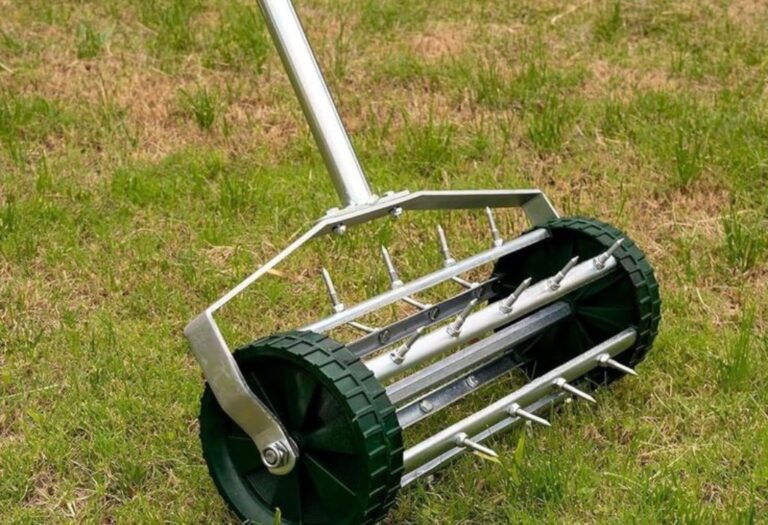
- Aerating the Soil: Improve air circulation and water drainage.Aeration creates small holes in the soil, allowing air, water, and nutrients to reach the grass roots. There are various aeration tools, including core aerators, which remove small plugs of soil, and spike aerators, which poke holes in the ground. Aerating clay soil at least once a year, or even twice, is important. Aeration relieves soil compaction, which is a common problem in clay soil, and helps your grass grow strong and healthy.
- Using a Rototiller: Break up compacted clay soil.A rototiller is a valuable tool for breaking up compacted clay soil and incorporating organic matter. The rotating blades of the tiller churn the soil, breaking up clumps and mixing in amendments. Till the soil to a depth of 6-8 inches for best results. Be careful not to till when the soil is too wet, as this can make the problem worse, resulting in even more compaction. Tilling is a more strenuous way to prep soil, but it can be more effective for heavily compacted clay.
Leveling and Grading Your Lawn
Leveling your lawn is essential to ensure a smooth, even surface. This makes mowing easier and prevents water from pooling. Grading involves adjusting the slope of your lawn to direct water away from your house and other structures. Begin by removing any rocks, debris, or old vegetation. Use a rake or a landscape rake to spread the soil evenly. If you have areas that are low, add more soil. High spots need soil removal to create a level surface. A level lawn prevents water from collecting and promotes uniform grass growth. This step is a key one when you are learning how to roll lawn on clay soil.
- Remove Debris: Clear rocks, weeds, and old grass.Before you begin leveling or amending your soil, remove any rocks, weeds, and old grass. These items can hinder the even distribution of soil and interfere with grass growth. Use a rake or shovel to remove unwanted materials, ensuring a clean and clear surface. This preparation step allows for better soil contact with grass seeds or sod and helps in the proper leveling and grading of your lawn.
- Add Topsoil (If Necessary): Improve the soil’s composition.In some cases, you may need to add a layer of topsoil to improve the soil composition. Topsoil provides nutrients and organic matter that clay soil often lacks. Spread a layer of topsoil over the prepared area before seeding or laying sod. Make sure the topsoil is level and evenly distributed. This step helps improve drainage and provides a better growing environment for the grass.
- Use a Landscape Rake: Even out the soil surface.A landscape rake is an important tool for leveling your lawn. It helps smooth out the soil surface and create a level base for planting grass seed or laying sod. Use the rake to fill in low spots and remove any high areas. By consistently raking, you can achieve a uniform grade across your lawn. An even surface is vital for healthy grass growth and to prevent water pooling.
- Grade the Lawn: Slope your lawn for drainage.Grading your lawn involves creating a slight slope to ensure proper water drainage. A gentle slope will direct water away from your house and other structures, preventing water damage. Ensure the slope is consistent, using a landscape rake. The ideal slope is about 1 to 2 percent. Grading helps prevent waterlogging, ensuring the grass roots receive sufficient air, and avoids standing water, preventing various lawn diseases.
Choosing the Right Grass Seed
Selecting the right grass seed is crucial, especially when dealing with clay soil. Some grass types are more tolerant of poor drainage and soil compaction than others. It’s important to choose grass varieties that can handle the specific conditions of your lawn. Research local grass types to choose the best options for your area. The wrong choice can lead to a lawn that struggles to grow and is susceptible to disease. The right seeds will give your lawn the best chance to grow healthy and strong.
Grass Seed Types for Clay Soil
Several grass types are well-suited for clay soil. These grasses generally have strong root systems and are tolerant of compacted conditions. Tall fescue is a popular choice. It has deep roots and good drought tolerance. Kentucky bluegrass also does well if you amend the soil well. It creates a dense, attractive lawn, but requires good drainage. Other grasses like perennial ryegrass also perform well, providing quicker establishment and enhanced wear resistance. Consider blending multiple types for better results.
- Tall Fescue: A durable option for clay soil.Tall fescue is known for its deep roots and tolerance of compacted soil conditions, making it an excellent choice for clay soil lawns. It is drought-tolerant and stands up well to foot traffic. Tall fescue establishes relatively quickly and has a good ability to recover from damage. Its adaptability and durability make it a top pick for many homeowners dealing with clay soil. It thrives best in cooler climates, and regular maintenance helps keep it lush.
- Kentucky Bluegrass: Creates a dense, attractive lawn.Kentucky bluegrass is often used in blends due to its appealing appearance and dense growth habit, forming a beautiful lawn. It is a good selection for clay soil as long as the soil has been amended. Kentucky bluegrass can tolerate a moderate amount of shade and offers good wear resistance. However, it can require more maintenance and adequate drainage. This grass does best in full sun but can adapt to partial shade.
- Perennial Ryegrass: Provides quick establishment and good wear.Perennial ryegrass is known for its rapid germination and establishment. This makes it a great choice for filling in bare spots or for overseeding existing lawns. Perennial ryegrass has good wear tolerance and handles heavy traffic well. It often gets combined with other grasses, such as Kentucky bluegrass and fescues, to create a more resilient blend. Ryegrass also provides good disease resistance and adapts well to various climates.
Seeding Techniques
Proper seeding techniques are essential for a successful lawn. Before spreading the seed, you should make sure the soil is prepared. Use a spreader to distribute the seed evenly. Cover the seed lightly with a thin layer of soil or straw. Watering is very important after seeding. The goal is to keep the soil consistently moist until the grass germinates. Proper seeding techniques, combined with the right grass seed and preparation steps, are a recipe for success. It helps to ensure that your new lawn gets off to a strong start.
- Spread the Seed Evenly: Use a spreader for uniform coverage.Use a broadcast spreader or a drop spreader to ensure even seed distribution over the prepared soil. This is important to avoid bare spots or areas with patchy growth. Follow the seed package’s instructions for the recommended seeding rate. For best results, it’s wise to make two passes, the first in one direction and the second perpendicular to the first. Using a spreader ensures consistent seed coverage, which is key to a beautiful lawn.
- Cover with Soil or Straw: Protect the seeds.Lightly cover the grass seed with a thin layer of soil or straw. This protects the seeds from drying out, from being eaten by birds, and provides a barrier against erosion. Straw helps retain moisture, which is critical for the germination process. It also helps to prevent soil erosion during the initial watering. Use a rake to lightly work the seed into the soil or apply a thin layer of straw to cover the seed.
- Watering: Keep the soil consistently moist.After seeding, it’s vital to keep the soil consistently moist. Water gently and frequently, especially during the first few weeks after seeding. Avoid letting the soil dry out, as this can prevent germination. Water early in the morning, which helps reduce water loss from evaporation. The goal is to keep the top inch of soil moist until the grass seeds sprout and the seedlings are established. Proper watering practices are crucial for healthy grass growth.
Rolling a Lawn on Clay Soil: Step-by-Step Guide
Now, let’s look at the steps to get the job done right. This involves prepping the soil, planting the grass seed, and caring for your new lawn. Each step is important for getting the best results. The key is to pay close attention to detail and provide the care your lawn needs to thrive. Follow these steps, and you’ll improve your chances of having a great-looking lawn.
Step 1: Preparation
The first step is preparing the soil. This involves cleaning the area, getting rid of any rocks or debris, and loosening the soil. If you have any existing grass, remove it. Test your soil to determine the pH level and if any amendments are needed. Then, use a rototiller or garden fork to loosen the soil and incorporate organic matter, such as compost or well-rotted manure. This will help enhance drainage, improve aeration, and give the grass a better chance of growing well. Proper preparation helps create an environment where grass can root properly.
- Clear the Area: Remove existing grass, rocks, and debris.Before you begin any soil preparation, start by clearing the area of existing grass, rocks, and other debris. Use a shovel or sod cutter to remove any existing grass and weeds. This will help make sure that your lawn gets off to a good start. Collect and remove any rocks and debris, as they can hinder proper soil preparation. A clean start will also make it easier to level and grade the soil, setting the stage for planting grass seed or sod.
- Soil Test: Determine soil pH and nutrient levels.Conducting a soil test is a key step in soil preparation. You can purchase a soil testing kit or send a sample to a local extension office or soil testing lab. A soil test will tell you the pH level of the soil and any nutrient deficiencies. It will provide helpful info about what amendments you may need to add, such as lime to adjust the pH or fertilizers to boost nutrient levels. Adjusting soil conditions based on these results provides the perfect growing conditions.
- Till and Amend: Loosen the soil and add organic matter.Use a rototiller or garden fork to loosen the compacted clay soil. Till the soil to a depth of 6-8 inches. This will break up clumps and improve drainage. Mix in organic matter, such as compost, well-rotted manure, or peat moss. Organic matter enhances soil structure and adds nutrients. Thoroughly mixing in amendments ensures that the soil is ready to support grass growth.
Step 2: Seeding or Laying Sod
Once the soil is prepared, it’s time to choose between seeding and laying sod. Seeding is the more affordable option but takes more time for the grass to establish. Sod provides an instant lawn, but it is more expensive and requires immediate watering. Consider your budget, time constraints, and preferences when deciding. Both methods will make a beautiful lawn if done correctly. The steps needed to be done vary depending on the chosen method.
- Seeding: Follow the instructions for seeding.If you’re planting grass seed, spread the seed evenly across the prepared soil using a spreader. Follow the seeding rate recommendations provided on the seed package. Lightly rake the seed into the soil, cover with a thin layer of soil or straw, and water gently. Keep the soil moist until the grass seeds sprout. Be patient, as it takes time for grass seed to germinate and establish. Consistent watering and care will promote strong growth.
- Laying Sod: Place the sod carefully.If you are laying sod, begin by unrolling the sod pieces and placing them tightly together, with staggered seams, like bricks. Use a knife to cut pieces of sod around the edges of your lawn and any obstacles, such as trees. Water the sod thoroughly right after it’s installed. Sod needs continuous watering for the first couple of weeks to help its roots establish in the new soil. This offers instant results but requires proper installation and care.
- Watering: Provide adequate moisture.Whether you choose to seed or lay sod, proper watering is key. For seeded lawns, keep the soil consistently moist until the grass germinates and seedlings are established. Water gently and frequently to avoid washing away the seeds. For sod, water it immediately after installation and keep it moist for the first few weeks, providing the water the roots need to grow into the soil. Proper irrigation ensures both methods develop healthy root systems and lush green lawns.
Step 3: Maintenance
After seeding or laying sod, proper maintenance is key to a healthy lawn. This includes regular watering, mowing, and fertilizing. Adjust your maintenance practices according to the needs of your grass type and soil conditions. Consistent care and attention will ensure your lawn stays green and thrives. Following a regular maintenance schedule will maximize your chances of success and enjoyment. It’s an important part of knowing how to roll lawn on clay soil.
- Watering Schedule: Determine watering needs.Water your new lawn deeply and infrequently. This encourages deep root growth. Avoid frequent, shallow watering, as this can lead to shallow roots and a less drought-tolerant lawn. Water early in the morning to reduce water loss from evaporation. The watering frequency will depend on your local climate, grass type, and the amount of rainfall. Adjust your watering schedule to keep the soil moist but not waterlogged. Deep, infrequent watering promotes a robust root system.
- Mowing Practices: Mow at the right height.Once your grass has grown sufficiently, begin mowing your lawn. Follow the 1/3 rule: never cut off more than one-third of the grass blade at a time. The right mowing height will depend on your grass type. Sharp mower blades help ensure a clean cut, reducing stress on the grass. Mulching mowers can also help return nutrients to the soil. Regular mowing, at the appropriate height, promotes healthy growth and density.
- Fertilizing: Feed your lawn as needed.Fertilize your lawn according to the soil test results and the recommendations for your grass type. Choose a fertilizer that is appropriate for your grass type and the specific needs of your soil. Apply fertilizer at the recommended rates and times. A slow-release fertilizer provides consistent nutrition, while granular fertilizers are easy to apply. Regular feeding helps to strengthen grass and promote lush growth. Always follow fertilizer instructions carefully.
Common Problems and Solutions
Even with good care, problems can arise. Understanding common issues can help you take action to prevent them. Common issues include poor drainage and soil compaction, which often happen in clay soil. Other issues include weeds, diseases, and pests. The good news is that these problems often have solutions you can use. Addressing issues as soon as they appear will prevent them from becoming serious problems, helping your lawn to stay healthy.
Poor Drainage and Compaction
Poor drainage and soil compaction are typical problems in clay soil. Standing water can cause root rot and encourage the growth of diseases. Compaction hinders root growth, making it hard for grass to get the nutrients it needs. Aeration and adding organic matter are great ways to fix these problems. Aeration will create pathways for water to drain and for air to circulate, and adding organic matter helps improve soil structure. It’s a team effort that helps solve drainage and compaction problems.
- Aeration: Improves drainage and reduces compaction.Aerating your lawn is a simple but useful way to solve drainage problems and reduce soil compaction. Aeration creates small holes in the soil, allowing water and air to move more freely. Use a core aerator to remove small plugs of soil and create better drainage. Aeration is most effective when done during the growing season. This helps promote root development and enhances the grass’s ability to withstand stress.
- Organic Matter: Improves soil structure and drainage.Adding organic matter to your soil is a good way to improve drainage and soil structure. Compost, peat moss, and well-rotted manure are effective choices. Organic matter helps to break up clay particles, making the soil less dense. It also helps improve water retention, and also drainage. Use a rototiller or garden fork to incorporate the organic matter into the top few inches of your soil. This will help enhance the soil structure.
- Surface Drainage: Remove standing water.If you have standing water on your lawn, you need to fix the surface drainage. Check for low spots that collect water. Fill in these areas with soil to even out the surface. Ensure that your lawn has a slight slope to promote water runoff. Proper grading is critical to help water drain away from the lawn. If the problem continues, consider installing a subsurface drainage system. Good surface drainage prevents waterlogging and protects your lawn.
Weeds, Diseases, and Pests
Weeds, diseases, and pests are another challenge. Weeds can compete with grass for nutrients and water, while diseases and pests can damage your lawn, causing unsightly brown patches. Proper lawn care practices are very important to prevent these issues. These include regular mowing, watering, fertilizing, and aeration. Choose disease-resistant grass varieties and use organic or chemical treatments if needed. Regular inspection can help to spot and manage issues before they get out of hand.
- Weed Control: Manage weeds.Weeds compete with your grass for resources, so effective weed control is vital. There are different methods to manage weeds. Hand-pulling is effective for small infestations. Pre-emergent herbicides can prevent weed seeds from germinating. Post-emergent herbicides eliminate existing weeds. Mulching helps reduce weed growth. A thick, healthy lawn is often the best defense against weeds, as the dense grass will crowd them out. Regular mowing will also help.
- Disease Control: Manage diseases.Lawn diseases, like brown patch and dollar spot, can cause patches of dead or damaged grass. Proper lawn care practices, such as proper watering, good fertilization, and aeration, will help reduce disease. Choose disease-resistant grass varieties. Use fungicides if necessary, following the label instructions carefully. It’s important to identify the disease early and take quick action. Providing optimal growing conditions will make your lawn more resistant to disease.
- Pest Control: Manage pests.Pests, like grubs and chinch bugs, can damage your lawn. Grubs feed on grass roots, while chinch bugs suck the sap from grass blades. Regular inspection can help you spot pest problems early. Use insecticidal products, but follow the label instructions and use them with care. Healthy grass is more resistant to pests. Aeration and good soil health also promote pest resistance. Controlling pests helps prevent further damage.
Here’s an example of a real-world scenario. Let’s imagine a homeowner, Sarah, who has clay soil in her backyard. She wants a beautiful lawn but knows it won’t be easy. She decides to use the methods described above. Sarah first identifies her clay soil with the squeeze test. Next, she amends the soil with compost and then aerates it. She chooses tall fescue seed for its tolerance to clay. She carefully spreads the seed, covers it with a light layer of straw, and waters it consistently. After several weeks, she has a thriving lawn. Sarah enjoys her green, healthy lawn thanks to her understanding of how to roll lawn on clay soil.
Here’s another example. John is new to lawn care and is dealing with heavy clay soil. He follows the advice to amend the soil and choose the proper grass type. He begins by removing all the old grass and rocks. He decides to use a rototiller to break up the clay soil and works in compost. He tests the soil to verify the pH is right. Next, he selects Kentucky bluegrass, a type of grass known to grow well in clay, even though it will take more maintenance. He then carefully seeds his lawn, makes sure he waters consistently, and maintains it through regular mowing and fertilization. Within a few months, John sees amazing results, a beautiful, dense lawn that transforms his yard. This example showcases the process of improving clay soil to make a flourishing lawn.
Frequently Asked Questions
Question: What’s the best time to roll a lawn on clay soil?
Answer: The best time to start is in the fall or early spring. This gives the grass time to establish its roots before the stress of summer heat.
Question: Do I need to use fertilizer on a clay soil lawn?
Answer: Yes, but it depends. Test your soil first. Follow the instructions on the fertilizer label, and choose a type of fertilizer that supports the grass type you chose.
Question: How often should I water a new lawn on clay soil?
Answer: Water frequently to keep the top inch of soil moist. Once the grass is established, water deeply but less often to encourage strong root growth.
Question: Can I use a riding mower on a lawn with clay soil?
Answer: Yes, after the grass is established. Avoid using it when the soil is very wet to prevent compaction.
Question: Is it possible to completely change clay soil?
Answer: Yes, with consistent effort. Soil improvement is an ongoing process. With amendments, aeration, and time, you can improve clay soil and create a great lawn.
Final Thoughts
So, can you roll lawn on clay soil? Absolutely, yes! While clay soil presents some difficulties, with the right approach, a green, beautiful lawn is totally within reach. Remember, it begins with knowing your soil. Proper prep work, including amending the soil and choosing the best grass seed, is vital. Don’t forget that it is also about routine maintenance, which includes watering, mowing, and regular inspections. The process may take effort, but the outcome of a thriving lawn will be rewarding. So, get out there, prepare your soil, sow your seeds, and create the lawn you have always wanted!