How to Use a Weeder Hoe Correctly for Quick Weed Control
Every gardener knows the frustration of seeing weeds take over carefully prepared beds. Hours of pulling can feel wasted when the same weeds return after the next rain. The problem often lies in not using the right tool or technique for the job.
A weeder hoe is one of the simplest tools in gardening, yet few people understand how powerful it can be when used correctly.
It allows you to slice weeds below the soil surface, severing stems and preventing regrowth. This method not only clears weeds quickly but also protects soil structure and saves energy.
Research highlights that shallow hoeing, no deeper than two inches, eliminates young weeds effectively without disturbing dormant seeds buried deeper in the soil.
Another study shows that using oscillating hoes, such as stirrup hoes, can double efficiency by cutting in both push and pull motions. These findings demonstrate how knowing how to use a weeder hoe can transform a frustrating chore into a fast, effective process.
What Is a Weeder Hoe and Why It Works

A weeder hoe is a tool designed for shallow cultivation and weed removal. Unlike deep digging tools, it works just below the soil surface to sever weed stems or roots cleanly. This prevents disturbing deeper soil layers where dormant weed seeds lie.
Different hoe designs exist to serve different purposes. The scuffle or stirrup hoe, also called a hula or action hoe, has a loop-shaped blade that oscillates back and forth.
This allows the user to cut weeds on both the forward and backward strokes, making it highly efficient for seedling flushes.
The Dutch hoe is a traditional draw hoe with a flat blade that slices weeds when pulled through the soil. Its sharp edge works well for sweeping cuts across open soil surfaces.
Triangle and Warren hoes offer precision in narrow rows or between closely planted crops. The collinear hoe, with its razor-thin blade, excels in fine seedbeds.
All of these tools share one principle: they cut weeds just below the soil surface, killing them quickly and leaving the ground smooth and aerated. This method reduces regrowth while minimizing soil disturbance.
Timing and Soil Conditions
The success of hoeing depends heavily on soil conditions and weed growth stages. Even the best hoe cannot compensate for poor timing.
Soil should be slightly moist but not soggy. Moist conditions allow blades to glide cleanly through the earth, cutting weeds with minimal effort. In dry soil, roots often snap and regrow. In waterlogged soil, blades clog with mud, making work slow and ineffective.
Targeting weeds early in their growth cycle is crucial. Small seedlings are easily severed at the surface and will not regrow. Mature weeds with established root systems are more resilient and often require hand-pulling or multiple hoeing passes.
Weather also plays a role. Hoeing on sunny, breezy days ensures that severed weeds dry out quickly on the surface and cannot re-root. Cloudy or rainy conditions may allow cut weeds to survive, undoing your work.
Time of day matters too. Early mornings or late afternoons are comfortable for the gardener and allow soil moisture to work in your favor. Choosing the right moment maximizes efficiency and prevents wasted effort.
Step-by-Step Technique
Using a weeder hoe correctly requires attention to posture, stroke, and depth. The tool is designed for shallow cultivation, not deep digging.
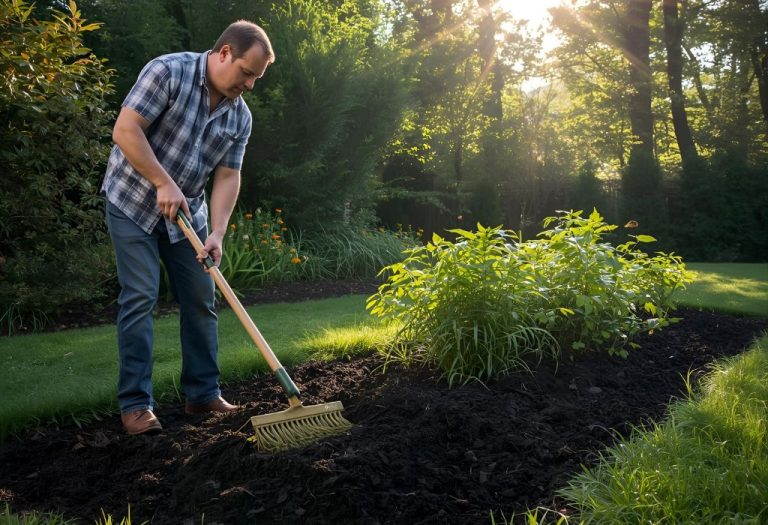
Start with preparation. Stand upright with feet shoulder-width apart and grip the handle firmly but comfortably. Position yourself so the hoe blade meets the soil at a shallow angle.
Working in rows or sections helps keep movements efficient and prevents trampling areas you have already cleared.
The motion depends on the type of hoe. With a stirrup hoe, use a rhythmic push–pull motion that slices weeds both ways. Keep the blade just half an inch to an inch below the soil surface. The goal is to sever stems, not to churn the earth. With a Dutch hoe, use sweeping strokes to skim just under the weed crowns.
Consistency matters more than force. Light, repeated strokes are more effective than heavy chopping. Overly deep cuts risk bringing buried seeds to the surface, which increases weed problems later. Shallow cuts kill seedlings without disturbing soil biology.
Finish by smoothing the soil and leaving severed weeds on the surface to dry out, provided conditions are sunny. In damp conditions, collect and remove cut weeds to prevent re-rooting.
Choosing the Right Weeder Hoe

Not every hoe suits every gardener or situation. Selecting the right design improves results and reduces strain.
The stirrup hoe is excellent for large areas and seedling flushes because its oscillating blade works in both directions. It is efficient and quick, especially for vegetable rows. The Dutch hoe, with its sharp blade, excels in slicing weeds in open spaces and is ideal for traditional garden plots.
Triangle and Warren hoes are designed for precision. Their pointed tips reach into furrows, around crops, and between tight plantings. The collinear hoe, with its thin blade, is best for fine seedbeds or areas with delicate seedlings.
Handle length also affects comfort. Taller gardeners benefit from long handles that allow them to work upright without bending.
Lightweight designs reduce fatigue in long sessions, while cushioned grips provide better control. Choosing stainless or high-carbon steel blades ensures durability and easier maintenance.
Investing in a hoe that fits both your body and your garden layout ensures that the tool becomes an asset rather than a burden.
After-Hoeing Care and Mulch Strategy
What happens after hoeing is just as important as the act itself. Proper aftercare prevents weeds from returning and helps protect soil health.
Cut weeds should usually be left on the surface to dry out if conditions are sunny and dry. In these conditions, severed stems quickly desiccate and die. However, if rain is expected, remove the debris to prevent re-rooting. For invasive species or perennials with strong rhizomes, always remove them from the bed completely.
Mulching after hoeing adds an extra layer of protection. A layer of organic mulch, two to four inches deep, suppresses new weed germination by blocking sunlight.
It also retains soil moisture and improves fertility as it decomposes. Wood chips, bark, compost, and straw are all effective options, depending on the garden style.
Avoid piling mulch against stems or trunks, which can encourage rot. Keep a small gap around each plant base while still covering exposed soil. Combined with regular hoeing, mulch creates a long-term barrier against weeds.
Troubleshooting Common Problems
Even with correct technique, gardeners sometimes face challenges with hoeing. Recognizing the causes helps refine your approach.
One common issue is working too deep. Cutting more than two inches below the surface disturbs dormant seeds, which then germinate and create new problems. Keeping strokes shallow prevents this.
Another problem is hoeing in dry, compact soil. Blades struggle to penetrate, and weeds may snap rather than cut. Watering lightly before hoeing or waiting until after rainfall solves this issue.
Perennial weeds with deep root systems often resist hoeing. Species like thistles or bindweed require hand removal or repeated hoeing to exhaust their reserves. Switching to hand tools in these cases is more effective.
Frequency is another factor. Hoeing once and neglecting maintenance allows weeds to regrow and set seed. Light weekly passes are far more efficient than occasional heavy sessions.
By identifying and correcting these mistakes, gardeners achieve consistent, long-lasting weed control.
Safety, Ergonomics, and Session Planning
Weeding with a hoe can be physically demanding, but proper ergonomics reduce strain and prevent injuries.
Choose a hoe with a handle length suited to your height to allow upright work without bending. Keep wrists straight and use smooth, controlled movements rather than jerking strokes. Rotate sides periodically to avoid repetitive stress on one arm.
Wearing gloves prevents blisters, and eye protection is useful in gritty soil where debris may fly. A wide-brimmed hat and hydration are essential for long outdoor sessions.
Plan hoeing sessions in short intervals. Fifteen to twenty minutes of steady work prevents fatigue and allows you to maintain consistency. Break tasks into sections rather than tackling an entire plot at once.
Regular tool maintenance also supports safety. Keeping blades sharp reduces the effort required and prevents strain from forcing dull edges through soil. Cleaning tools after each use prevents rust and extends their lifespan.
Long-Term Prevention Strategies

Hoeing is most effective when combined with other preventive measures that reduce weed pressure over time.
Mulching is the most reliable method. A consistent two to four inches of organic mulch prevents sunlight from reaching weed seeds, suppressing germination. It also supports soil structure and fertility.
Ground covers and living mulches provide additional suppression. Low-growing plants such as clover or creeping thyme cover exposed soil, competing with weeds for resources and reducing opportunities for invasion.
Soil improvement plays a role too. Healthy, well-aerated soil supports dense plant growth, which naturally shades out weeds. Adding compost and organic matter enhances soil structure, making hoeing easier and reducing compaction.
Finally, regular scheduling is key. Weekly or biweekly light hoeing prevents small seedlings from establishing. This habit reduces the need for long, exhausting weeding sessions and keeps gardens consistently tidy.
Long-term prevention is about creating conditions where weeds struggle to thrive, making hoeing easier and less frequent over time.
Conclusion
Weeding does not need to be an endless battle. The difference lies in learning how to use a weeder hoe correctly and combining that knowledge with smart timing, tool choice, and preventive care.
By keeping strokes shallow, targeting seedlings early, and working in moist soil, gardeners eliminate weeds quickly and with less effort. Following up with mulch and consistent maintenance ensures long-term control.
A weeder hoe is a simple tool, but in skilled hands it becomes one of the most powerful weapons against garden weeds. With practice and strategy, this basic implement helps create healthier soil, cleaner beds, and thriving plants with far less stress.

I’m Maya L. Greenwood, a lifelong plant lover who believes anyone can grow something beautiful with the right guidance. After years of testing soil mixes, pruning methods, irrigation tricks, and pest-safe solutions, I started EasyGardenTips.com to turn hard-won lessons into step-by-step advice. From seed starting and container gardens to composting and seasonal checklists, my goal is to make gardening simple, sustainable, and fun.