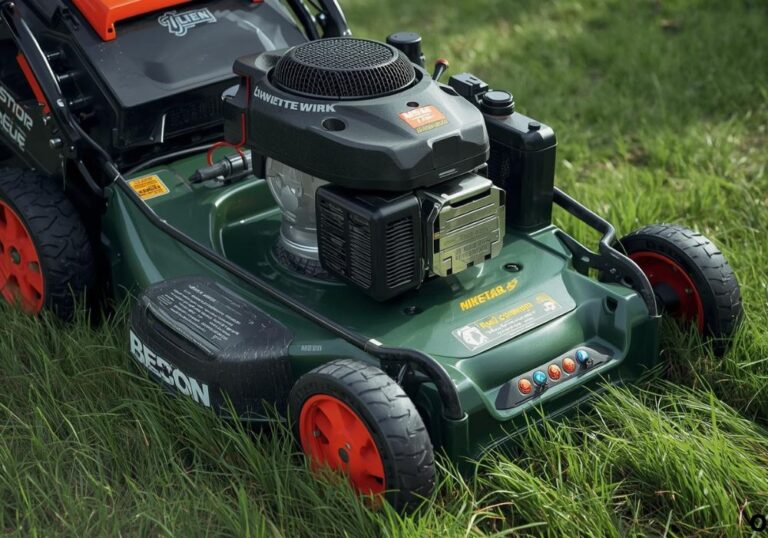
Aeration for Poor Drainage Made Easy: A Simple Guide
Dealing with poor drainage can be a real headache for anyone, especially when it comes to lawns and gardens. Many folks find aeration for poor drainage tricky because they’re unsure how it works or what equipment to use. But don’t worry! It’s easier than you think, and the payoff—a healthier, more vibrant landscape—is worth it. We’ll explore the basics and show you a simple, step-by-step solution to get your soil draining properly. Ready to transform your yard? Let’s get started!
What Causes Poor Drainage?
Poor drainage can be a frustrating issue, turning your beautiful lawn into a soggy mess. It happens when water can’t properly move through the soil. This often leads to a variety of problems, from standing water and muddy areas to the suffocation of plant roots and the increased likelihood of fungal diseases. Different factors contribute to this, and recognizing these causes is the initial step toward efficient remediation. This section explores the primary causes behind waterlogged soil and what can be done.
Soil Compaction’s Impact
One of the primary reasons for poor drainage is soil compaction. This occurs when the soil particles are squeezed together, reducing the spaces that allow water, air, and plant roots to move. This compression can be caused by foot traffic, the weight of vehicles, or even heavy rainfall. When soil is compacted, it becomes much harder for water to seep through, causing it to pool on the surface. Imagine squeezing a sponge – the more you squeeze, the less water it can absorb. The same principle applies to compacted soil, where the pore spaces are drastically reduced. This is why the soil becomes waterlogged, leading to problems for grass and plants. Understanding this helps you see why aerating compacted soil is a good idea.
- Heavy Foot Traffic: Repeated walking or playing on the lawn, especially when the ground is wet, presses down on the soil, squeezing out air and closing off drainage pathways. It’s like stepping on a soft, fluffy pillow—it gets flattened.
- Vehicular Traffic: Cars, lawnmowers, and other heavy equipment also contribute to soil compaction. This is particularly noticeable in areas that are frequently used for driving or parking. The weight crushes the soil particles, reducing pore space.
- Clay Soil Composition: Clay soils naturally have tiny particles that pack together easily, leading to compaction. Unlike sandy soils, which have larger particles and more air space, clay soils can become waterlogged quickly.
The Role of Soil Composition
Soil composition is another essential factor. Different types of soil drain differently. Sandy soil, with its larger particles and greater pore space, generally drains well. However, clay soil, with its tiny particles, tends to hold water and drain poorly. The mix of sand, silt, and clay determines how efficiently the soil allows water to pass through. Additionally, the presence of organic matter, like decomposed leaves and compost, significantly improves drainage. It acts like tiny sponges that absorb excess water, preventing the soil from becoming waterlogged. The best approach is to enhance the soil with the proper elements and aeration for poor drainage.
- Clay Soil: This type has very fine particles. They pack together tightly, reducing drainage and increasing the likelihood of waterlogging. It’s like trying to drain water through a dense, tightly woven fabric.
- Lack of Organic Matter: Organic matter, such as compost or decaying plant material, helps improve soil structure. It creates more space between soil particles, improving drainage. Think of it as adding small pebbles to a tightly packed container, which increases the gaps and improves air and water movement.
- Compaction Over Time: Repeated use of your lawn can cause the soil to compact over time. This makes the soil less porous, leading to water accumulation and, consequently, poor drainage. This requires regular aeration for poor drainage.
How Aeration Helps Drainage
Aeration is a simple yet powerful technique to improve drainage. It involves creating small holes or removing plugs of soil from your lawn to alleviate compaction and enhance the movement of water, air, and nutrients. This procedure is important for healthy plant growth because it increases the availability of oxygen to the roots and improves water infiltration. By addressing the root causes of poor drainage, aeration sets the stage for a better yard.
Core Aeration Explained
Core aeration is one of the most effective methods. It uses a machine to remove small cores or plugs of soil from your lawn. These plugs are typically about 0.5 to 0.75 inches in diameter and several inches long. The process creates space in the soil, allowing water and air to move more freely. Removing these plugs is crucial because it physically breaks up compacted soil, and the holes created allow the soil to breathe. After aeration, the removed soil cores are left on the lawn. These cores break down over time and gradually add organic matter back into the soil, further improving its structure and drainage. This technique is especially beneficial for lawns with heavy clay soil or those experiencing significant compaction.
- Breaks Up Compaction: Removing soil plugs physically relieves soil compaction. This makes it easier for water, air, and nutrients to reach the roots of your grass. It’s like giving your lawn a chance to breathe.
- Improves Water Infiltration: Aeration creates pathways for water to seep into the soil. This prevents surface runoff and puddling. It’s similar to making holes in a sponge to allow water to absorb more quickly.
- Enhances Root Growth: By increasing oxygen levels in the soil, aeration encourages root growth. Stronger roots can better absorb water and nutrients, leading to a healthier lawn. It’s like giving your lawn’s roots room to spread and thrive.
Spike Aeration Versus Core Aeration
While core aeration removes soil plugs, spike aeration uses solid tines to poke holes into the soil. Both methods aim to improve drainage, but they work differently and have varied levels of effectiveness. Spike aeration is less intensive and simpler to perform. However, core aeration is typically more beneficial for heavily compacted soils. The removal of soil plugs provides more significant relief from compaction than just creating holes. It also brings the benefits of improved soil structure, and better absorption of water. This is crucial for maintaining a healthy yard and preventing the harmful effects of waterlogging.
- Spike Aeration: This involves using solid tines to poke holes in the soil. It can be a good option for lawns with moderate compaction, but it might not be as effective as core aeration for severely compacted areas.
- Core Aeration: This removes plugs of soil, creating better pathways for water and air. It’s ideal for lawns with heavy clay soil or significant compaction. It’s like giving your lawn a deep breath.
- Effectiveness: Core aeration is generally considered more effective than spike aeration, particularly for heavy soils. It allows for more efficient water drainage and better root growth.
Step-by-Step Aeration Guide

Let’s explore a practical guide to aeration. It’s designed to help you transform your yard and improve drainage. By following these steps, you’ll be well on your way to a healthier and more beautiful lawn. Proper preparation, timing, and aftercare are important to reach maximum results.
Pre-Aeration Preparation
Preparing your lawn before aeration can significantly improve the process and results. First, make sure you have the right equipment. You’ll need a core aerator or spike aerator, depending on your needs. For core aerators, you can often rent them from local hardware stores. Gather any safety gear, such as gloves and eye protection. Next, mow your lawn to a standard height. This will make it easier for the aerator to penetrate the soil. Before the aeration, it’s also helpful to water your lawn deeply. Moist soil allows the aerator to penetrate more easily. This helps to ensure the soil cores are extracted cleanly. By taking these preliminary measures, you can guarantee a smoother and more effective aeration experience.
- Mowing: Mow the grass to a shorter height. This will make it easier for the aerator tines to penetrate the soil. It’s like giving your lawn a close shave before a treatment.
- Watering: Water the lawn deeply a day or two before aeration. Moist soil allows for better penetration of the aerator tines. This is especially helpful for lawns with compacted soil.
- Equipment Check: Make sure your aerator is in good working order. Check for any damaged tines or other parts that might need repair. You want to make sure your aerator is ready to handle the job.
The Aeration Process
The aeration process is usually straightforward. Begin by running the aerator over your lawn. Overlap the passes by a few inches to ensure even coverage. A good rule of thumb is to aerate at least twice in each area, changing the direction with the second pass. If you’re using a core aerator, the plugs of soil will be left on the surface, which will break down over time and naturally reincorporate organic matter. It’s important to avoid excessively wet or dry conditions. The ideal moisture level allows the aerator to work efficiently. Proper equipment operation, even coverage, and attention to soil moisture are all important to get good results. This includes adjusting the machine’s depth settings. This will give you the best outcomes for aeration for poor drainage.
- First Pass: Start by making the first pass over your lawn. Be sure to overlap the passes to ensure full coverage. This is your initial chance to break up compaction.
- Second Pass: Change the direction of your passes. This will ensure even distribution of holes and optimal soil penetration. This helps create a crisscross pattern for the most effective aeration.
- Clean Up: Leave the soil cores on the lawn. They will break down and return nutrients to the soil. You don’t need to do anything with the soil cores; they will add to the soil.
Post-Aeration Care
After aeration, some additional care can assist in the healing of your lawn. The soil cores left on the lawn will eventually break down and return essential nutrients and organic matter to the soil. After aerating, it’s a great idea to add grass seeds and fertilizer to help new grass grow in the aerated holes, further improving your lawn’s health. The aerated soil is now more receptive to these materials. The newly opened holes provide better access for water and nutrients, fostering healthy root growth. Watering your lawn after aeration is also important. This aids in the breakdown of the soil cores and helps the new grass seed take root.
- Overseeding: If your lawn is thin or has bare patches, consider overseeding after aeration. This helps fill in the holes and thickens the turf. It’s like planting new seeds in freshly tilled ground.
- Fertilizing: Apply a balanced fertilizer to give your lawn an extra boost. The fertilizer will penetrate the soil more efficiently. This helps provide your grass with the nutrients it needs.
- Watering: Water your lawn after aeration and seeding. This helps the grass seed germinate and the soil cores break down. It also helps to keep the soil moist.
Choosing the Right Time
Timing is a key aspect of successful aeration. Performing this task at the right time ensures the grass recovers quickly and maximizes the benefits. Proper timing is based on your region’s weather patterns and your turf type. This helps your grass recover quickly and take full advantage of the improved soil conditions. The best time for aeration is when your grass is actively growing and can quickly recover from the process.
Best Times for Aeration
The optimal times for aeration for poor drainage are during the growing season. For cool-season grasses, like Kentucky bluegrass and fescue, this is typically in the spring or fall. Spring aeration allows the grass to bounce back quickly as the growing season starts. Fall aeration is another great option, as the cooler temperatures and increased rainfall provide excellent conditions for recovery. For warm-season grasses, like Bermuda and St. Augustine, the best time to aerate is in late spring or early summer. This aligns with their peak growing period. Regular aeration, timed correctly, is an essential practice for a lush, healthy lawn.
- Cool-Season Grasses (Spring): Aerate in early spring, just before the grass starts its most active growth period. This ensures quick recovery and helps the roots grow strong. It’s like giving your lawn a jump start.
- Cool-Season Grasses (Fall): Aerate again in the fall, about four to six weeks before the first expected frost. This lets the grass recover before winter. This is a very beneficial aeration for poor drainage.
- Warm-Season Grasses: The best time to aerate warm-season grasses, such as Bermuda and St. Augustine, is in late spring or early summer, when these grasses are in their most active growing phase. This is when your lawn is strongest and can bounce back quickly.
Factors to Consider
Several factors impact the timing of aeration. Pay attention to your local weather patterns. Aeration benefits most from moderate temperatures and sufficient rainfall to help the grass recover. Avoid aerating during extreme heat or drought conditions, as this can stress the grass. The type of grass you have also influences the perfect time. Understanding your grass type will help you determine the optimal periods for aeration. Regular monitoring of your lawn will help you spot signs of compaction. Early intervention, such as aeration, will provide more effective results and maintain your lawn’s overall health. Remember, the goal is to aerate when the grass can readily recover and take full advantage of the process.
- Weather Conditions: Avoid aerating during hot, dry periods. The stress can make it harder for your grass to recover. Choose times with moderate temperatures and good moisture.
- Grass Type: Research the ideal aeration times for your specific grass type. This will help ensure the best results. Knowing your lawn’s preferences is important.
- Soil Moisture: Aerate when the soil is moist, but not soaking wet. Moist soil allows the aerator tines to penetrate more easily. This helps your lawn get the full benefits of aeration.
Frequently Asked Questions
Question: How often should I aerate my lawn?
Answer: For most lawns, aerating once a year is sufficient. However, lawns with heavy clay soil or high traffic may benefit from aeration twice a year, typically in spring and fall.
Question: Can I aerate if my lawn is newly seeded?
Answer: It’s best to wait until your new grass has established itself and has been mowed a few times before aerating. This prevents damage to the young seedlings.
Question: Do I need to water my lawn after aeration?
Answer: Yes, watering after aeration is important. It helps to settle the soil, encourages new grass growth, and helps break down the soil cores left on the surface.
Question: What’s the difference between core aeration and spike aeration?
Answer: Core aeration removes small plugs of soil, which is more effective for heavily compacted soil, while spike aeration uses solid tines to create holes in the soil.
Question: Are there any situations where aeration is not recommended?
Answer: Aeration should be avoided if the ground is very wet, which can cause further compaction, or if the lawn is experiencing diseases or other severe issues.
Final Thoughts
Improving aeration for poor drainage is key to achieving a healthy, vibrant lawn. It allows air, water, and essential nutrients to reach your grass roots, preventing waterlogging and fostering robust growth. By understanding what causes poor drainage—such as soil compaction and composition—and taking the right steps, you can create the perfect conditions for your lawn to thrive. Implementing these methods can significantly boost your lawn’s ability to handle the challenges of rain and foot traffic. So, grab your aerator, prepare your lawn, and schedule your aeration sessions. By making aeration a regular part of your yard maintenance, you’re making a good decision for your grass and the health of your soil.