Lawn Rolling Problems: Common Issues and Simple Solutions
If you’re new to lawn care, you might run into some tricky spots. One of the most common issues beginners face is the challenges of lawn rolling problems. It can seem confusing to get it right. Don’t worry, many people struggle with this at first! This guide will break down the process step-by-step. Get ready to explore the causes and learn how to make your lawn look its best, without any hassle.
What Causes Lawn Problems?
Many factors can lead to problems with your lawn. Compacted soil, uneven surfaces, and improper drainage are all common culprits. These issues can hinder grass growth and create an unattractive appearance. The goal here is to get your lawn looking fantastic. When the soil is packed down, it squeezes out the air and water that roots need. It can also lead to issues with your turf that are harder to fix later. Learning about these causes is the first step toward having a green, healthy yard. We will look at the solutions you can apply to get rid of these problems.
Compacted Soil Concerns
Compacted soil is a major issue that many lawn owners must contend with. Soil compaction happens when the ground gets pressed together, typically from foot traffic, vehicles, or even heavy rain. This prevents air and water from getting down to the grass roots, making it tough for them to thrive. Think of it like trying to breathe through a tightly packed straw. The roots are suffocating. This can cause the grass to thin out, turn yellow, and become more susceptible to disease. The good news is, there are solutions to tackle compacted soil.
- Heavy Foot Traffic. Constant walking or playing on your lawn can cause the soil to compress, making it harder for grass roots to grow. Imagine stomping on the ground repeatedly; the soil eventually hardens.This is especially true in areas with clay soil, which is naturally prone to compaction. When the soil is tight, water doesn’t drain well, and roots can’t get the oxygen they need.
- Vehicle Use on the Lawn. Driving or parking vehicles on the lawn can lead to severe soil compaction. The weight of the vehicle crushes the soil, destroying its structure and making it difficult for grass to grow.The ground beneath the tires gets flattened. This process also decreases the air pockets in the soil. Without those air pockets, grass roots struggle to grow and absorb nutrients.
- Improper Soil Composition. Soil composition is a key element of lawn health. If the soil lacks organic matter, it’s more likely to compact. A soil mixture that is high in clay also compacts easily, as clay particles pack tightly together.This makes it challenging for water and air to move through the soil. The lack of air and water disrupts the delicate balance needed for healthy grass. The roots get less of what they need, resulting in a weakened lawn.
Uneven Surface Problems
An uneven lawn not only looks bad, but it also creates problems for mowing and can make it harder for grass to grow evenly. Dips and bumps can lead to scalping when mowing. Scalping occurs when the mower blades cut the grass too short. This weakens the grass and makes it more vulnerable to damage and disease. Uneven surfaces can also collect water, leading to soggy patches that are prone to weeds and fungal infections. Getting your lawn flat is a goal for proper lawn health.
- Erosion Issues. Areas where the topsoil has been eroded can create dips and hollows. This often happens on slopes or where the soil isn’t held in place by grass roots. Rain and wind can wash away the top layer.Erosion not only makes the surface uneven but also removes the nutrient-rich topsoil that grass needs to grow. It results in bare patches and an unattractive lawn.
- Settling Soil Concerns. Newly filled areas or areas where the soil has been disturbed may settle over time. This can result in depressions, creating an uneven lawn. As the soil compacts, it takes up less space, creating a sunken area.This is common in areas where construction work has taken place or where the soil has been heavily compacted. The settling can lead to water pooling, making the issue worse.
- Frost Heave Impacts. In areas with cold winters, the ground can freeze and thaw, leading to frost heave. This process causes the soil to expand and contract, pushing sections of the lawn upwards and creating bumps.The uneven surface caused by frost heave can damage grass roots. It also affects the appearance of the lawn. Frost heave is a natural process, but it can make your lawn bumpy and hard to maintain.
Ways to Fix Lawn Rolling Problems

Fixing lawn rolling problems involves several methods, from simple remedies to more involved projects. The best approach depends on the type and severity of the issue. You can start with basic techniques like aeration and topdressing for mild compaction and unevenness. More significant problems may require leveling, reseeding, or even soil amendments. Remember, consistency is key, and it might take some time to see the complete results. The goal here is a healthy and balanced lawn.
Aeration Benefits
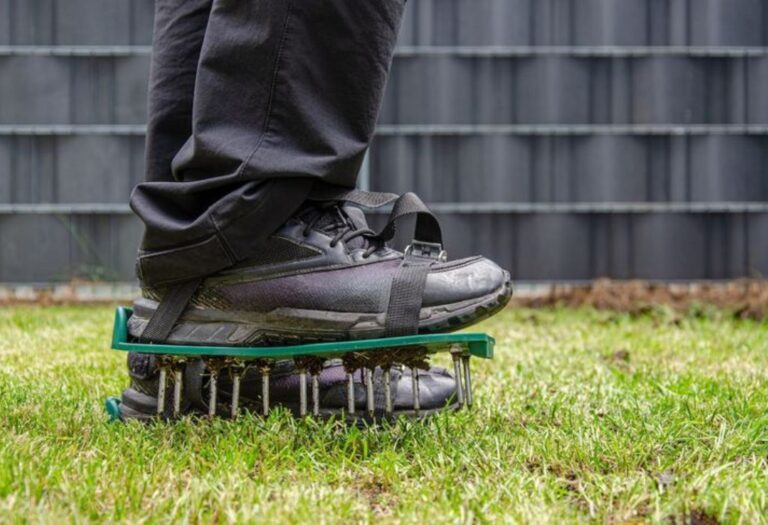
Aeration is a fantastic technique for dealing with soil compaction. It involves creating small holes in the soil to allow air, water, and nutrients to reach the grass roots. There are different kinds of aeration, including core aeration and spike aeration. Core aeration pulls plugs of soil out of the ground, while spike aeration pokes holes into the soil. Core aeration is generally considered more effective. This process relieves compaction and encourages root growth. Aeration is a simple method with big benefits.
- Improving Air Circulation. Aeration helps to improve air circulation within the soil. By creating holes, aeration allows oxygen to reach the grass roots. This oxygen is vital for their survival and health.When the soil is compacted, air cannot reach the roots. Aeration breaks up the compacted soil, making room for air. This helps roots breathe easier and improves grass growth.
- Enhancing Water Absorption. Aeration improves how well your soil takes in water. The holes created during aeration provide pathways for water to penetrate deeply into the soil. This prevents water from running off the surface.When the soil is compacted, water tends to sit on the surface, which can cause puddling and encourage diseases. Aeration helps water to seep down. This gives the roots access to hydration.
- Nutrient Delivery Optimization. Aeration makes it easier for nutrients to reach the roots of your grass. By relieving compaction, nutrients from fertilizers and other sources can reach the roots. This improves grass health.When the soil is compacted, nutrients cannot move easily through the soil. Aeration breaks down the compacted soil. This makes it easier for the grass to absorb the vital nutrients.
Leveling Uneven Lawns
Leveling an uneven lawn is the process of filling in low spots and smoothing out bumps to create a more even surface. This can improve the appearance of the lawn. Leveling also helps with drainage and makes it easier to mow. There are different techniques for leveling. You can use a topdressing material, like sand or a soil mix, and a leveling rake. Leveling involves spreading the material evenly across the uneven areas. It is all about balance.
- Determining Leveling Needs. Assess your lawn to identify the areas that need leveling. You can use a level or a straight edge to find low spots and bumps. You should also check for areas where water pools.Making a careful inspection will help you determine the severity of the unevenness. You can use flags or spray paint to mark the areas. This will make it easier to plan your leveling project.
- Selecting the Right Materials. The materials you select will depend on the extent of the unevenness. For small dips, a topdressing mix of sand and compost works well. For more significant leveling, you might need to use a soil mix.When choosing your materials, take into account your soil type and grass type. If you have clay soil, adding sand will improve drainage. The goal is to provide nutrients.
- Implementing the Leveling Process. Start by mowing your grass short and removing any debris from the area. Spread the leveling material evenly over the low spots. Use a rake to smooth the material out.Make sure the material reaches the bottom of the dip and doesn’t get matted in the grass. Lightly water the leveled areas after application. The goal is to fill the dip so you have a flat surface.
Tools and Techniques for Lawn Success
Having the right tools and knowing the proper techniques can make a big difference when dealing with lawn rolling problems. From using a lawn roller to understanding the right way to mow, these skills will help you maintain a beautiful lawn. Knowing how to use these tools properly and applying the correct techniques will ensure that you achieve the best results. You will find that these efforts help you in building a thriving, healthy lawn.
Using a Lawn Roller
A lawn roller is a tool used to flatten the surface of a lawn, addressing unevenness and promoting better grass growth. It usually consists of a heavy cylinder that you can fill with water or sand to increase its weight. As you pull the roller across the lawn, it presses down on the soil, smoothing out bumps and depressions. Proper use of a lawn roller can improve your lawn’s appearance. It can also help with other issues, like soil compaction, if used carefully and in combination with other techniques. There are several aspects to remember when using a lawn roller.
- Choosing the Right Roller. There are different types of lawn rollers, varying in size, weight, and features. Choosing the right one depends on the size of your lawn and the severity of the issues.For small lawns, a smaller roller may be fine. Larger lawns or severe issues may require a heavier roller. Look for rollers with adjustable weights. This allows you to control the amount of pressure applied to the ground.
- Preparing the Lawn for Rolling. Before you use a lawn roller, you need to prepare your lawn. This includes mowing the grass to a low height. You should remove any debris, like rocks or sticks, that might get in the way.If you have compacted soil, it is best to aerate the lawn before rolling. This will help prevent further soil compaction. Take a good look at your lawn before you begin rolling it.
- Correct Rolling Techniques. When rolling your lawn, the key is to apply even pressure across the surface. Start by rolling in straight lines. Overlap each pass slightly to ensure full coverage.Avoid turning sharply, as this can damage the grass. Fill the roller with water or sand to the recommended weight. Make sure to roll the lawn when the soil is slightly moist. This reduces damage to the grass.
Proper Mowing Procedures
Mowing might seem simple, but it’s a vital part of lawn care. Cutting your grass the right way can prevent many common lawn problems. Using a sharp mower blade, mowing at the correct height, and changing the mowing direction regularly all contribute to a healthier lawn. By following these guidelines, you can keep your grass strong and looking its best. Proper mowing is your first line of defense for a beautiful lawn.
- Sharp Mower Blades Are Key. Always make sure your mower blades are sharp. Dull blades tear the grass blades instead of cutting them cleanly. This can leave the grass vulnerable to disease and pests.Sharpen your mower blades at least once per season. A sharp blade makes a clean cut. This promotes healthy growth and prevents the grass from turning brown at the tips. This is especially useful on a lawn.
- Mowing Height Matters. Never cut off more than one-third of the grass blade at a time. The recommended mowing height depends on the type of grass you have. Taller grass has deeper roots.Cutting the grass too short can stress the grass. This can make it weaker and more prone to diseases. Keeping the grass a bit longer also helps it retain moisture. The grass is stronger, more resilient, and greener.
- Mowing Direction Diversity. Change your mowing direction each time you cut the grass. This helps prevent soil compaction and ensures that the grass grows upright. This also helps you see issues.If you always mow in the same direction, the grass blades will tend to lean in that direction. Changing the mowing direction helps keep the grass standing upright. Your lawn will look great and have an even appearance.
Addressing Specific Lawn Issues
Certain lawn problems require special attention. From dealing with standing water to dealing with weeds and diseases, these issues can damage your lawn. Identifying the root causes and applying the appropriate treatments is the key to getting your lawn back in top shape. You can manage these problems through awareness and prompt action. The right actions will restore the health and beauty of your lawn.
Dealing With Standing Water
Standing water on your lawn is more than just an inconvenience; it can cause serious problems for your grass. Excess water can drown the grass roots, leading to root rot and a thinning lawn. It also creates a favorable environment for diseases and mosquito breeding. Addressing standing water problems is vital for the health of your lawn. Proper drainage solutions can solve this and help prevent future problems. Here are some of the ways that you can deal with this issue.
- Identify Drainage Issues. Start by figuring out why the water is pooling on your lawn. Look for low spots or compacted soil. Check to see if your gutters are correctly draining water.Poor drainage can be caused by various issues, including soil compaction, clay-rich soil, or a clogged drainage system. Getting to the root of the problem is essential for selecting the correct solution.
- Improving Drainage Solutions. There are several ways to improve drainage. Aerate the lawn to break up compacted soil. Adding sand to clay soil can improve drainage. You could also install a drainage system.A French drain is a common solution. It involves creating a trench filled with gravel and a perforated pipe to carry away excess water. This will help water to flow away from the lawn.
- Addressing Soil Compaction. Compacted soil is a significant contributor to standing water. Aeration is a crucial step to improve water drainage. Regular aeration can prevent the buildup of standing water.Aerating your lawn at least once or twice per year will break up the soil. This allows water to penetrate the soil and reach the roots. This can help with various issues on your lawn.
Weed Control Strategies
Weeds can quickly take over a lawn, making it look unattractive and competing with the grass for nutrients, water, and sunlight. Effective weed control is a crucial part of lawn care. You can use a combination of techniques, from pre-emergent herbicides to manual removal. By taking a proactive approach, you can control weed issues and maintain a healthy, beautiful lawn. Here are some methods that you can use to deal with this problem.
- Identify the Weeds. The first step in weed control is identifying the types of weeds. Different weeds require different control strategies. Learn whether they are annual or perennial.Some common lawn weeds include dandelions, crabgrass, and clover. Identify them accurately. This will help you select the most effective herbicides or removal methods.
- Preventive Measures. Prevent weeds from growing in the first place by maintaining a healthy lawn. This includes mowing at the correct height, fertilizing regularly, and watering deeply but infrequently.Thick, healthy grass is the best defense against weeds. Consider using a pre-emergent herbicide in the spring to prevent weed seeds from germinating. The combination of prevention and action is vital.
- Manual Weed Removal and Herbicides. Remove weeds by hand, especially if you have a small lawn or a few weeds. Use a weeding tool to get to the roots. Herbicides are available to deal with weeds.You can use selective herbicides to target specific weeds while leaving the grass unharmed. Post-emergent herbicides are useful to control weeds that have already sprouted. Make sure to follow all safety instructions.
Frequently Asked Questions
Question: How often should I aerate my lawn?
Answer: It depends on your soil type and how much traffic your lawn gets. Usually, aerating once or twice a year is enough for clay soil or lawns with high foot traffic. Sandy soil may need it less often.
Question: Can I use a lawn roller to fix low spots?
Answer: Yes, but it’s not the primary solution. You can use a lawn roller to help level a small area after adding soil to the low spots. The main goal is to make it look smooth.
Question: What’s the best way to deal with thatch buildup?
Answer: Dethatching is the best solution. It removes the layer of dead grass and debris. This helps the grass get more air, water, and nutrients. Dethatching is often done in the spring or fall.
Question: When is the best time to apply fertilizer?
Answer: The best time to fertilize your lawn is in the spring and fall. These are peak growing seasons. Fertilizer helps the grass to grow strong and green.
Question: Is it okay to use weed killers on my lawn?
Answer: Yes, but with care. You can use weed killers that are made for your type of grass. Always follow the instructions on the label. Remember to protect children and pets.
Final Thoughts
Dealing with lawn rolling problems doesn’t have to be a headache. You now have a solid understanding of common issues and can create a plan to improve your yard. The most important thing is to understand what causes the issues, like compaction and uneven surfaces. You now understand that you can solve those issues with aeration, leveling, and smart mowing habits. You can also explore specific methods to handle standing water and weed issues. With a bit of effort and the right tools, you can transform your yard. Begin with simple steps and get out there! You’ll be enjoying a beautiful, healthy lawn in no time.