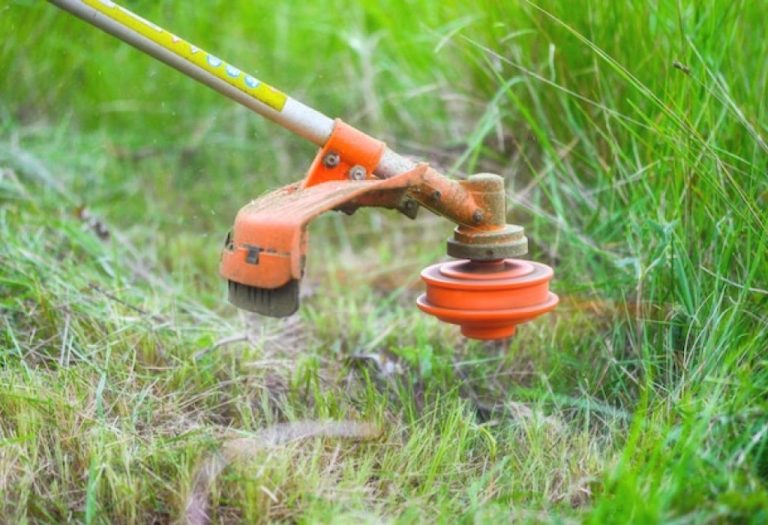
How Change Line on a Echo Weeder in Just a Few Steps
Every lawn care enthusiast knows the frustration of trimming grass only to have the cutting line suddenly vanish, tangle, or break inside the spool. A job that should take minutes can drag on for half an hour simply because the trimmer line was not installed correctly.
Echo weeders are known for their reliability and power, but like any tool, they depend on proper maintenance. One of the most essential skills for keeping them running smoothly is learning how change line on a Echo weeder the right way.
When the line is worn or incorrectly wound, the machine loses efficiency, burns fuel unnecessarily, and produces uneven cuts.
Studies have shown that improper use and poor maintenance can reduce the cutting performance of trimmers by over 30% (Echo USA). That’s a significant waste of time and energy, especially during peak growing season.
Replacing the line correctly is not just a matter of convenience—it’s about ensuring clean cuts, preventing jams, and extending the lifespan of your equipment.
What Exactly Is the Trimmer Line and Why It Matters

The trimmer line is the lifeline of any Echo weeder. Unlike traditional blades, these machines rely on high-speed spinning nylon string to slice through grass and weeds. The durability, thickness, and proper installation of this line determine how well the tool performs.
Echo models typically use high-quality nylon line designed to resist wear, heat, and breakage. The diameter of the line varies depending on the model, with common sizes being .080” and .095”. Choosing the correct size is crucial; if it’s too thick, it won’t fit into the spool, and if it’s too thin, it will break frequently.
The trimmer head, which houses the spool and line, is designed with directional arrows and feed eyelets. These ensure the line is wound in the proper direction to match the engine’s rotation. When installed correctly, the line feeds smoothly and consistently during use. When installed incorrectly, the spool can bind, the line can get eaten up inside the head, and the user ends up frustrated.
In short, the trimmer line may look simple, but it is a carefully engineered component that directly affects cutting performance. Without proper attention, even the most powerful Echo weeder will perform poorly.
Tools and Materials Needed Before Changing the Line
Before beginning the process of replacing the line, preparation is key. Echo weeders are powerful machines, and safety should always come first. Start by turning off the engine and disconnecting the spark plug in gas-powered models.
For electric or battery-powered models, make sure the power source is fully disconnected. This prevents accidental starts that could cause injury.
Next, gather the materials you’ll need. At the top of the list is fresh trimmer line of the correct diameter and length, as recommended by Echo’s manual. Most heads, such as the Speed Feed 400, can hold between 15 and 20 feet of line.
Gloves are useful to protect your hands from sharp edges and debris, while safety glasses shield your eyes. A pair of scissors or side cutters will help cut the line cleanly.
This preparation stage is also the best time to inspect your trimmer head. Check the bump knob, spring, eyelets, and cap for wear or cracks. If any components look damaged, consider replacing them before proceeding. This ensures smooth reassembly and prevents future feeding issues.
Step-by-Step Guide on How Change Line on a Echo Weeder
Removing Old Line and Preparing the Head
Start by placing the trimmer on a flat surface. With the machine turned off and power disconnected, press the locking tabs on the sides of the trimmer head to remove the cap. Inside, you’ll find the old spool of line. Carefully pull out the remaining pieces of worn line and discard them.
While the head is open, take a moment to clean it thoroughly. Grass clippings, dirt, and sand often collect inside, leading to blockages and reduced performance. Use a cloth or compressed air to remove debris from the spool housing and eyelets. Check the spring to ensure it is intact and correctly seated.
This stage might feel minor, but it is critical. A dirty or damaged head can cause premature wear on your new line, wasting your effort.
Measuring, Cutting, and Winding New Line
The next step is preparing your new line. Measure the recommended length—usually around 15 to 20 feet—and cut it cleanly using scissors or side cutters. Uneven ends can make threading through the head difficult.
Insert one end of the line into the guide holes or eyelets. Echo’s Speed Feed head allows both ends to be inserted and wound simultaneously, making the process much faster. Align the line with the directional arrows marked on the spool. Winding against the arrow will cause the line to bind or fail to feed properly.
Begin coiling the line evenly across the spool. Avoid overlapping or crossing the coils too much, as this creates pressure points that lead to jamming. Continue winding until the entire length is neatly loaded. Both ends of the line should stick out evenly from the eyelets, typically about 6 inches each.
Reassembling and Testing
Once the line is wound correctly, snap the spool and cap back into place. Ensure the spring is properly seated and the cap locks securely with the tabs. Pull gently on both ends of the line to confirm they advance smoothly.
Next, start the weeder and let it idle. Tap the bump knob against the ground to release additional line. If the line advances correctly, you’ve installed it properly. Any excess length will be automatically trimmed by the blade cutter attached to the guard.
If the line fails to advance, double-check that it was wound in the direction indicated by the arrows. Incorrect winding is the most common reason for feed failure.
Common Problems and Troubleshooting Tips
Even with careful installation, issues can arise. One of the most frequent problems is the line being consumed too quickly. This often happens when the diameter is too small, the line is of poor quality, or the bump knob is pressed too often. Choosing the right diameter and using durable nylon line reduces this issue.
Another common challenge is line jamming inside the spool. This occurs when the line is wound unevenly, overlapped, or when debris clogs the housing. Regular cleaning and careful coiling prevent binding.
Sometimes the line fails to feed at all. In such cases, check whether the spool was reversed during installation, whether the spring is missing, or if the eyelets are blocked. A cracked or worn cap can also prevent proper feeding.
Uneven cutting after reloading is another telltale sign of unequal line lengths. Make sure both ends extend evenly before starting the machine. If the problem persists, check the cutter on the guard, as a dull or clogged blade may leave the line too long.
Maintenance and Best Practices for Longer Life
Replacing the line is only part of the equation. To get the best results from your Echo weeder, adopt regular maintenance habits. After every use, clean the trimmer head thoroughly to remove grass and dirt. This prevents buildup that could affect the feeding mechanism.
Inspect the line regularly. If it appears brittle, frayed, or shorter than recommended, replace it immediately. Using worn line not only reduces cutting efficiency but also increases strain on the engine.
Store spare trimmer line properly. Exposure to heat, sunlight, or moisture can weaken nylon, making it more prone to breaking. Keep it in a sealed container in a cool, dry place. Some professionals even soak trimmer line in water before use, which can restore flexibility and reduce brittleness.
Always use Echo-approved line sizes and types. While off-brand options may seem cheaper, they often wear out faster and may not fit the spool correctly. Investing in genuine parts ensures consistent performance and longer lifespan of your equipment.
When to Call a Professional or Replace Components

Sometimes, despite your best efforts, the trimmer head simply won’t function correctly. If you notice cracks in the head cap, broken eyelets, or a missing spring that can’t be replaced easily, it may be time to invest in a new head.
Echo’s Speed Feed heads are relatively affordable and widely available, making replacement a practical choice.
Persistent vibration or poor performance may indicate deeper issues with the shaft or engine. In such cases, it’s best to consult a small-engine specialist. Continuing to use the machine without addressing underlying problems can cause further damage and higher repair costs.
Using genuine Echo replacement parts ensures compatibility and maintains safety standards. While aftermarket parts may be tempting, they can lead to mismatched tolerances and unreliable performance.
Conclusion
Learning how change line on a Echo weeder is an essential skill for anyone who maintains a lawn. From understanding the role of the trimmer line to preparing the right tools, following a structured step-by-step approach ensures smooth operation every time.
Correctly winding and installing the line saves time, prevents frustration, and extends the lifespan of your equipment.
By adopting regular maintenance habits and using the right materials, your Echo weeder will deliver consistent, professional-quality results. The next time your line wears out, you’ll be able to replace it quickly and confidently, keeping your yard neat and tidy without interruption.

I’m Maya L. Greenwood, a lifelong plant lover who believes anyone can grow something beautiful with the right guidance. After years of testing soil mixes, pruning methods, irrigation tricks, and pest-safe solutions, I started EasyGardenTips.com to turn hard-won lessons into step-by-step advice. From seed starting and container gardens to composting and seasonal checklists, my goal is to make gardening simple, sustainable, and fun.