Do Grow Lights Burn Plants? A Gardener’s Burning Question
If you’re starting out with indoor gardening, you might be asking, do grow lights burn plants? It’s a common worry! You want your plants to thrive, not crisp up. Don’t stress though; this guide will help. We’ll break down how grow lights work and explore what can go wrong, and more importantly, how to prevent problems. Follow along for simple steps to keep your plants happy and your lights working safely. Let’s get started!
Grow Light Basics: How They Work and What They Do
Before answering “do grow lights burn plants?” we must begin with a foundational understanding. Grow lights are designed to mimic sunlight, providing the necessary light spectrum for photosynthesis, the process by which plants convert light energy into food. Different types of grow lights exist, each with varying intensity, heat output, and spectral distribution. The right choice depends on the plants you’re growing and your growing environment. Learning about different types of grow lights is also important to making sure your plants stay healthy. Proper usage and placement of grow lights are key to making sure they provide the most benefit to your plants.
Types of Grow Lights
Different grow light options exist, each with unique advantages and disadvantages. This understanding is key for the question, “do grow lights burn plants?”. They range from traditional incandescent to newer LED lights. Each type has a different impact on the plant and can be used to meet specific gardening requirements. Making the right decision depends on your budget, the types of plants, and the size of your growing space.
-
- Incandescent Grow Lights: These are the oldest type. They are inexpensive to buy but inefficient. They produce a lot of heat and don’t provide the best light spectrum for plants. This makes them more likely to damage your plants through excessive heat.
Incandescent bulbs are the most common type of light bulb, emitting light through a heated filament. They are often inexpensive to purchase, making them an accessible option for many home gardeners. However, they are quite inefficient, converting a large amount of energy into heat instead of light. Because of this, they are generally not considered ideal for grow lights. The excessive heat can be dangerous, potentially leading to plants burning if placed too close.
-
- Fluorescent Grow Lights: These are more efficient than incandescent lights. Compact Fluorescent Lights (CFLs) and T5 fluorescent tubes are common. They offer a better light spectrum but still produce some heat. However, they’re generally safer than incandescent.
Fluorescent grow lights, including CFLs and T5 tubes, provide a step up in efficiency over incandescent bulbs. They use less energy for the same amount of light and produce less heat, reducing the chance of plant damage. They also often offer a broader spectrum of light, which is more beneficial for plants. These are a popular choice for beginner gardeners because they are easy to find and relatively inexpensive. Their cooler operation also reduces the risk of plants getting burned.
-
- LED Grow Lights: LEDs are the most efficient option. They produce very little heat and can be customized to emit specific wavelengths of light. They’re also long-lasting. Although more expensive upfront, LEDs often prove to be the most cost-effective solution over time.
LED grow lights represent the latest technology in indoor gardening. They are highly energy-efficient and generate minimal heat, making them less likely to cause plant burn. They can be customized to provide the specific light spectrum plants need, enhancing growth and flowering. Although the initial cost can be higher, their long lifespan and lower energy consumption make them a good option for all gardeners. This makes them a safer choice compared to older technologies.
-
- High-Intensity Discharge (HID) Grow Lights: These include Metal Halide (MH) and High-Pressure Sodium (HPS) lights. They are powerful and effective but produce a lot of heat. They require ballasts and ventilation systems to manage heat.
HID grow lights, like Metal Halide (MH) and High-Pressure Sodium (HPS) lamps, are powerful lights for larger growing spaces. They are known for their high light output, which can significantly boost plant growth. However, they produce a considerable amount of heat, which can lead to problems if not managed correctly. Proper ventilation and distance from plants are necessary to prevent heat-related damage. They are mostly used by experienced growers because of the control that is needed.
The Light Spectrum and Plant Needs
Understanding the light spectrum is important when you’re thinking, “do grow lights burn plants?”. Plants need different wavelengths of light for different processes, like photosynthesis. The right light spectrum can promote healthy growth. Different grow lights provide varying spectra, influencing how plants develop. This also means you must consider how to set your lights up to support healthy development. For example, some lights have specific lights that are better for different parts of a plant’s development.
-
- Photosynthesis and Light Wavelengths: Plants absorb light, especially in the red and blue parts of the spectrum. These colors are key for photosynthesis, where plants make food.
Photosynthesis is the cornerstone of plant life, and it is largely dependent on the wavelengths of light that plants can absorb. The red and blue parts of the light spectrum are especially important. Red light supports flowering and fruit development, while blue light encourages vegetative growth. Plants also use other parts of the light spectrum, but these two colors are the most active for the plant. Using the right grow light with these colors is important for success.
-
- The Role of Different Light Colors: Blue light supports leaf and stem growth. Red light encourages flowering and fruiting. Full-spectrum lights mimic sunlight, providing all necessary colors.
Different colors of light have specific effects on plant growth. Blue light is crucial for the development of healthy leaves and stems, creating a strong structure. Red light is vital for flowering, fruiting, and the overall reproductive processes of the plant. Full-spectrum lights provide a balanced light environment, mirroring natural sunlight and offering a good all-around solution. Full-spectrum lights provide a balanced light environment, mirroring natural sunlight and offering a good all-around solution. Choosing the right light colors supports specific growth stages.
-
- Matching Light to Plant Type: Some plants need more blue light. Others need more red light. Some lights offer adjustable spectra, allowing gardeners to change the light to different phases of growth.
Plants have different needs when it comes to light. Leafy greens, for example, might need more blue light to support vigorous growth. Flowering plants will benefit from a greater amount of red light, which helps with bud and fruit development. Some grow lights offer adjustable light spectra. This allows gardeners to change the light output to the plant’s current stage of growth. This flexibility allows gardeners to fine-tune the light environment to support optimal plant health and growth.
Avoiding Plant Burn: Practical Tips and Techniques

So, do grow lights burn plants? The answer is yes, if you’re not careful. Avoiding plant burn needs attention to detail. This includes knowing the right distance between the light and the plant, managing heat, and choosing the right light for the plant’s needs. Following these practices is key to maintaining healthy plants. Using the right setup can help you avoid damaging your plants and promote a happy harvest.
Maintaining the Right Distance
The distance between the grow light and your plants is extremely important. If the light is too close, it can cause the leaves to burn due to excessive heat and light intensity. This is important to consider, especially when you are thinking about, “do grow lights burn plants?”. Each type of grow light has a recommended distance, which varies depending on its intensity and the heat it produces. Checking the manufacturer’s recommendations is always a good place to start. This way, you can avoid placing the lights too close and harming your plants.
-
- Light Intensity and Distance: Higher-intensity lights need to be further away. Lower-intensity lights can be closer. The ideal distance depends on the light’s power.
The intensity of your grow light strongly influences the distance needed from your plants. High-intensity lights, such as HID lamps, must be placed further away to prevent burning from the intense heat and light. Less intense lights, such as LEDs or fluorescent tubes, can be placed closer. The general rule is the higher the intensity, the greater the distance. Always check the manufacturer’s guidelines for your specific grow light to learn the recommended distance.
-
- Adjusting for Different Light Types: LEDs often can be closer than HIDs. CFLs generally need to be closest. Adjusting your lights is also important for plant growth.
Each type of grow light has different recommended distances from the plants. LEDs usually produce less heat and can be placed closer to plants. CFLs can also be placed close. HID lights, on the other hand, generate more heat and need to be positioned farther away. As a general rule, the distance should be adjusted according to the intensity and heat output of the light source. It is important to know that each grow light type can have different distance requirements based on the specific design and features. Always consult the manufacturer’s guide.
-
- Monitoring Plant Response: Watch your plants. If leaves turn yellow or brown, the light might be too close. Measure the light’s intensity. Use a light meter to measure the PAR (Photosynthetically Active Radiation) your plants are receiving.
Keep a close eye on your plants for signs of light burn. Yellowing or browning leaves, especially near the top of the plant, can indicate that the light is too close. Also, you can measure the amount of PAR to determine the light your plants are getting. Adjust the distance based on your observations and the plants’ response. Monitoring allows you to adjust your setup to help your plants flourish, preventing problems. Light burn can damage growth, so monitoring is an important step.
Managing Heat and Ventilation
Heat is a key factor when you’re figuring out, “do grow lights burn plants?”. Grow lights generate heat, and too much heat can damage plants. Proper ventilation helps to remove excess heat and maintain a good growing environment. It’s a key part of successful indoor gardening. This is especially true if you are using high-intensity lights, like HID lights, that produce more heat.
-
- Importance of Air Circulation: Good air circulation helps to dissipate heat. It can also help reduce the chance of diseases. Fans are very important in grow rooms.
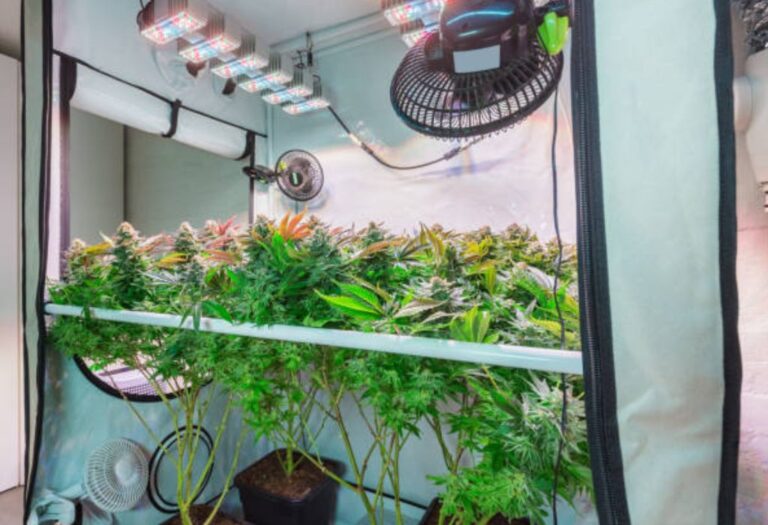
Air circulation is important for keeping your grow room at a good temperature. Fans can move the air around, helping to cool the plants and prevent heat buildup around the lights. Proper airflow also reduces the risk of fungal diseases, which thrive in humid, stagnant environments. A well-ventilated space ensures that the plants get enough air to keep them healthy. Air circulation is key for the overall health of your plants.
-
- Ventilation Systems for High-Heat Lights: For HID lights, use exhaust fans and ducting. This is to remove hot air and bring in fresh air. Make sure the room has a steady air flow.
If you’re using high-intensity lights, a ventilation system is a must. HID lights can generate a lot of heat, so exhaust fans and ducting are important to get rid of the hot air. This system helps keep the grow room temperature under control, protecting your plants from heat stress. Ensuring fresh air intake is also crucial, as plants need carbon dioxide for photosynthesis. A good ventilation system is an investment in your plants’ health.
-
- Monitoring Temperature and Humidity: Use a thermometer and hygrometer to check conditions. Adjust ventilation or light distance. Make sure conditions are ideal for your plants.
Monitoring temperature and humidity is a must. A thermometer and hygrometer can help you keep track of these factors in your grow room. If the temperature gets too high, or the humidity is too low, you can adjust the ventilation or the distance of the lights from the plants. This allows you to create the best environment for your plants. Tracking these conditions regularly allows you to make changes to your setup. A stable environment helps your plants grow well.
Preventing Plant Burn: Step-by-Step Guide
Avoiding plant burn requires a plan. Knowing, “do grow lights burn plants?” means you can set your lights up in a way that helps your plants. By taking these actions, you can create a safe, effective environment for your plants. This includes choosing the right type of grow light, setting the right distance, and watching for signs of stress. This will help you get the best results for your plants.
-
- Choose the Right Grow Light: Pick the right light for the type of plants and your setup. LEDs are generally safer due to lower heat output. Make sure you know what types of plants you will be growing.
When selecting grow lights, consider the needs of your plants and your setup. LEDs are a safe choice because they produce less heat than many other types of lights, lowering the risk of burning your plants. Research the specific requirements of the plants you plan to grow. Some plants need more intense light than others, and it is important to match the light to their needs. This will help you avoid problems later on.
-
- Set the Correct Distance: Check the manufacturer’s recommendations. Start further away, then adjust based on how your plants respond. Keeping the light at the right distance is a key aspect of preventing damage.
Always check the manufacturer’s guidelines. Start with the recommended distance and watch your plants closely. Adjust the light’s height as needed, paying attention to the plant’s response. Leaves turning yellow or brown means that the light may be too close. Keeping the light at the proper distance prevents burning and gives your plants the ideal amount of light to thrive. Proper positioning will ensure a happy harvest.
-
- Monitor Your Plants Regularly: Watch for signs of stress. Examine the leaves for yellowing, browning, or curling. If there are signs, take action.
Regularly check your plants for any signs of stress. Yellowing or browning leaves, especially near the top of the plant, can mean the light is too close. Curled leaves can also be a sign of heat stress. Quick action can help save your plants from damage. Addressing these issues in a timely fashion will prevent the problem from worsening and maintain the plants’ health.
-
- Provide Adequate Ventilation: Use fans to circulate air and reduce heat buildup. A well-ventilated space helps remove excess heat.
Proper air circulation is critical. Use fans to circulate air, which helps remove heat and prevents heat buildup around the plants. Good airflow also reduces the risk of fungal diseases, creating a healthier growing environment. Air circulation will keep your plants strong. Adequate ventilation will greatly improve the environment of your garden.
Troubleshooting Common Issues
Even with care, problems can arise. Understanding how to solve common issues helps. Knowing “do grow lights burn plants?” will help you be ready when problems arise. Addressing these problems immediately helps keep your plants safe.
-
- Yellowing Leaves: This can be a sign of light burn or nutrient deficiency. Check the light distance first. Also, look at your plants and see if they have the nutrients they need.
Yellowing leaves often show the plants have problems. Light burn is a main cause. It is important to adjust the light distance if you notice yellowing leaves. It is also important to consider nutrient deficiency. Look at your plants and see if they have the nutrients they need. Yellowing leaves can signal a problem with the light or nutrient levels. Quick identification and adjustment can help stop the problem.
-
- Brown, Crispy Leaves: This is a clear sign of heat damage. Move the light further away or improve ventilation. If this does not solve the problem, you may need a different light.
Brown, crispy leaves mean heat damage. This is a very clear sign that your plants are being burned. The immediate fix is to move the light further away. You can also improve ventilation. If the problem continues, consider switching to a cooler running light. If you take quick action, your plants will have a better chance to recover.
-
- Stunted Growth: Plants not growing well may need more light or a better light spectrum. Make sure your setup is supporting the plant at all stages.
Slow growth can show a problem with your light. Make sure your plants are getting enough light and if they are getting the right type of light. Some plants may benefit from higher light intensity. Some plants will need different light spectra. Make sure your setup is supporting the plant at all stages. Adjustments can get the plants growing again.
Real-Life Examples and Case Studies
Looking at real examples helps illustrate these principles. These cases show the practical results of proper light management. These case studies can help answer, “do grow lights burn plants?” in a clear way.
-
- Case Study 1: The Tomato Plant A gardener used a new LED grow light for their tomato plants. The light was placed too close, and the plants quickly showed signs of light burn. The gardener adjusted the light’s height and implemented better ventilation. The plants recovered and yielded a good harvest.
A home gardener used a new LED grow light on their tomato plants. Because they did not know the right distance, they placed the light too close to the plants. The leaves began to turn yellow. After the gardener raised the light and improved air circulation, the plants recovered and produced a good harvest. This shows that adjustments can help recover a plant from light burn.
-
- Case Study 2: The Herb Garden A beginner used HID lights in a small space. Poor ventilation led to high temperatures, and the herbs began to wilt and brown. By installing an exhaust fan and increasing the distance from the plants, the gardener saved the plants. The herbs began to thrive.
A new gardener used high-intensity discharge lights in a small space. The small space had poor ventilation. The herbs began to wilt because the room became too hot. After installing an exhaust fan and raising the lights, the gardener helped the herbs recover. This case shows how important ventilation and the right light are to growing healthy plants.
Frequently Asked Questions
Question: How do I know if my grow lights are too close?
Answer: Look for yellowing or browning leaves, especially near the top of the plant. Also, look for leaf curling or a bleached appearance. These are all signs of light burn.
Question: What’s the best type of grow light to avoid burning plants?
Answer: LED grow lights are generally the safest option. They produce less heat than other types of lights, reducing the risk of burn.
Question: How far away should I place my grow lights from my plants?
Answer: Check the manufacturer’s recommendations for the specific light. Start at the recommended distance and adjust as needed, monitoring your plants for any signs of stress.
Question: Can grow lights be too far away from plants?
Answer: Yes. If the light is too far away, plants may not receive enough light for healthy growth. This can lead to stunted growth and other problems. You may need to raise the light as the plant develops.
Question: What do I do if my plants are showing signs of light burn?
Answer: Move the light further away from the plants and improve ventilation. Also, consider switching to a less intense light source if necessary.
Final Thoughts
So, do grow lights burn plants? Yes, they can, but with care, you can prevent it. By understanding how grow lights work, choosing the right type, and setting up your lights properly, you can ensure your plants get the light they need to flourish without getting burned. Pay close attention to the distance between the lights and your plants, manage heat through proper ventilation, and always monitor your plants for any signs of stress. Following these practices gives your plants the best chance to grow healthy and strong. Now that you have this knowledge, you are ready to start growing healthy plants. Happy gardening!