Aerate Lawn After Seeding: Step-by-Step Guide for Success
Getting a new lawn started is exciting, but it can also feel tricky! One common question is whether you should aerate lawn after seeding. It sounds a bit complicated, right? Don’t worry, it’s easier than you think. Aeration helps your grass grow strong, but doing it at the wrong time can ruin all your hard work. This guide will help you understand the simple steps to follow for a healthy, vibrant lawn, from preparing the soil to enjoying a lush, green space. You’ll soon see how simple the whole process is and get it right the first time.
What is Aeration and Why Is It Important?
Aeration is like giving your lawn a breath of fresh air. It involves creating small holes in the soil, which helps improve the health of your grass. Think of it as a massage for your lawn, allowing it to relax and thrive. This simple practice can make a huge difference in the overall health and appearance of your grass, especially after you’ve seeded. Many lawns have compacted soil due to foot traffic, heavy machinery, or even just the natural settling of the earth. This compression restricts the movement of air, water, and nutrients needed for healthy grass growth. The process of aeration solves these problems and helps your lawn look its best.
Benefits of Aeration for a New Lawn
Aerating your lawn offers a range of benefits, particularly when combined with seeding. It is a fundamental practice that boosts the growth of grass. Aeration gives your lawn the edge over the competition. By creating openings in the soil, you’re providing the essential elements that the grass craves. This process also sets the stage for a stronger root system, leading to a lawn that’s more resistant to drought, diseases, and the wear and tear of everyday use.
- Improved Air Circulation: Aeration introduces air into the soil. Grass roots need oxygen to thrive, and compacted soil often lacks sufficient air. Aeration creates pathways for air to reach the roots, making them healthier. This also helps beneficial microorganisms thrive.Air circulation is important because it is essential for the healthy development of grass roots. When the soil is compacted, there is limited space for air to circulate, which prevents the grass roots from getting the oxygen they need. By creating holes in the soil through aeration, you increase the amount of air that can reach the roots. This leads to stronger and healthier roots that can better absorb water and nutrients.
- Enhanced Water Absorption: Aeration helps water to penetrate the soil more easily. Water is essential for grass growth, but compacted soil prevents water from reaching the roots effectively. Aeration helps break up the compaction and allow water to reach the roots, preventing water runoff.Poor water absorption often leads to drought stress. Aeration resolves this by enabling water to reach the root system. This ensures the grass receives the necessary hydration. This is especially important during dry periods or in areas with heavy clay soil. The improved absorption reduces the need for frequent watering, making your lawn more sustainable.
- Better Nutrient Uptake: With improved air and water circulation, your grass can absorb nutrients better. Nutrients are essential for grass growth, but compacted soil prevents the roots from accessing them. Aeration breaks up the compaction and makes it easier for the roots to absorb essential nutrients.A healthier root system can take up nutrients. When grass roots can access nutrients efficiently, the lawn becomes denser, greener, and more resistant to diseases. This enhanced nutrient uptake allows for a more vigorous and thriving lawn, leading to less need for supplemental fertilization.
- Stronger Root Development: Aeration promotes deeper and stronger root systems. When the roots have access to air, water, and nutrients, they grow deeper and stronger. Aeration provides space for the roots to grow and develop, making the grass more resistant to stress.Strong root systems are important because they anchor the grass firmly in the soil. They also enable the grass to access water and nutrients from a wider area, making the grass more resilient. A robust root system ensures the lawn can withstand foot traffic and endure harsh weather conditions. Proper aeration ensures the root systems are developing in the best possible way.
When to Aerate Lawn After Seeding

Timing is everything when it comes to aeration and seeding. Doing it at the wrong time can undo all your hard work. You want to make sure you’re getting the best results. Aeration can be done before, during, or after seeding. Each approach has its benefits. Understanding the nuances of these timings ensures you’re helping your lawn reach its full potential. The goal is to support the healthy growth of your grass by improving the soil conditions and promoting strong root development.
Aerating Before Seeding
Aerating before seeding is often recommended. This prepares the soil for optimal seed germination and growth. By aerating first, you create pathways for the seeds to fall into the soil, ensuring good contact with the soil. This approach can set your lawn up for success from the start. It’s a great choice for those who want a lawn that grows in the best conditions from day one. You can use this method to create a welcoming environment for new grass seeds.
- Loosening Compacted Soil: Aerating before seeding helps loosen compacted soil. Compacted soil prevents the seeds from establishing themselves, as the roots cannot penetrate the dense ground. Aeration solves this problem, improving soil structure.Compacted soil can be a major hurdle. Aeration combats compaction. When the soil is loose, it allows the roots to grow. A well-aerated soil gives your seedlings the best chance to take hold and flourish. This is a foundational step that should not be overlooked.
- Improving Seed-to-Soil Contact: Aeration creates small holes in the soil, which enables the seeds to make better contact. Good contact with the soil is essential for germination and helps the seeds receive the moisture and nutrients they need to sprout.Seed-to-soil contact ensures that the seeds have the right environment. Aeration makes this contact possible. The seeds get the necessary moisture and warmth, leading to quicker germination. This step ensures that your seeds don’t get trapped on the surface. They make good contact with the soil, leading to improved growth.
- Enhancing Water and Nutrient Absorption: Aerating allows the soil to better absorb water and nutrients. The roots can more easily access the essential resources. Aeration also promotes the drainage of excess water, which prevents waterlogging, which can be detrimental to the seeds and seedlings.Enhanced absorption is crucial for seedlings. With aeration, the soil becomes more efficient at delivering what the grass needs. The seedlings become healthier and more robust. A well-nourished lawn is more resilient and more capable of withstanding the stresses of the growing season.
Aerating During Seeding
Some people choose to aerate at the same time as seeding. This involves spreading the seeds and then aerating the lawn to ensure the seeds are planted. Aeration helps the seeds settle into the soil. This is a straightforward method. It is often used when over-seeding an existing lawn. With this approach, you can create the conditions that promote seed germination. It ensures that the seeds are in contact with the soil.
- Directly Planting Seeds: Aerating while seeding can plant seeds directly into the soil. This happens by using an aerator, which deposits seeds into the holes. This ensures that the seeds are well-protected and have close contact with the soil.Direct planting gives the seeds a head start. It ensures they are not scattered on the surface. This method reduces the risk of seeds being blown away by wind. It also protects them from birds or other animals that might eat the seeds. This technique boosts the seed’s chances of germination.
- Optimizing Germination: Combining seeding with aeration optimizes the conditions for germination. The holes provide good contact with the soil. This makes sure that the seeds receive adequate water and nutrients.Optimized germination is very important. Aerating and seeding together maximizes the chances for your seeds to sprout and grow. You are creating the perfect environment. This approach is very effective for getting your lawn off to a great start.
- Facilitating Root Establishment: By aerating during seeding, you are setting the stage for strong root development. Aeration loosens the soil, which allows roots to penetrate easily. Healthy root systems are essential for the long-term vitality of the lawn.Root establishment is a key factor. Aeration enables the roots to form strong foundations. This step is a cornerstone for the health and longevity of your lawn. Proper root establishment ensures that your lawn will withstand stress and thrive for years to come.
Aerating After Seeding
Aerating after seeding is a cautious but effective approach, done after the seeds have sprouted. Aeration can help with soil compaction and air circulation. Many people are uncertain about aerating at this point, but it can be beneficial if done correctly. This practice can improve the long-term health of your lawn. However, it’s essential to understand the potential risks and best practices to avoid harming the new seedlings.
- Timing is Key: You can only aerate your lawn once the grass has sprouted. The seedlings need to be established enough to withstand the aeration process. Wait until the grass is several inches tall, so it is strong enough to recover.Timing ensures the safety of the seedlings. By waiting for the grass to establish, you minimize the risk of damaging the new growth. Proper timing is crucial to avoid any setback to the health of the lawn.
- Choosing the Right Aerator: If you decide to aerate after seeding, use the right kind of aerator. A core aerator is recommended because it removes small plugs of soil and does not damage the new grass. Avoid using a spike aerator, as it can damage the roots.The type of aerator you select makes a difference. A core aerator will gently aerate the soil. This ensures the best care for your new seedlings. Proper equipment protects your new lawn from damage during the aeration process.
- Light Aeration: Aerating after seeding should be light. You want to loosen the soil without uprooting the seedlings. A light pass over the lawn is often sufficient to achieve the desired effect.Light touch is important when aerating. You want to improve soil conditions. But you don’t want to disrupt the grass. This approach will maximize the health of the seedlings. It will also help your grass to establish well.
Step-by-Step Guide to Aerating Your Lawn
Now that you know the basics, let’s explore the process. Aerating your lawn involves a few simple steps. Getting the timing and equipment right is very important. This helps you to have a beautiful lawn. Following these steps helps you have the best lawn possible. Following these simple steps will ensure you create a healthy lawn.
Preparing Your Lawn
The first step is to prepare your lawn. Preparing your lawn before aeration will ensure you get the best results. It will help make the process easier. These preparations are essential for a good outcome. Taking the time to prepare will help you get the most out of the aeration process. Preparing your lawn is a simple process. It sets the foundation for your success.
- Mowing the Lawn: Mow your lawn before aeration. This ensures that the aerator can reach the soil. This also allows the grass to bounce back more easily. Mowing the lawn beforehand removes any long grass blades.Mowing ensures the best results for aeration. It creates a smooth surface. This lets the aerator work more effectively. Your lawn will be in great shape. This will also allow it to grow in the best possible way. This step makes sure that aeration is very effective.
- Watering the Soil: Water the soil before aerating. Moist soil is easier to aerate than dry soil. Watering the soil helps the aerator penetrate the ground. Do this a day or two before the aeration process.Moist soil helps the aeration process. It is easier to penetrate. It reduces the stress on the machine. This is one step that you should not miss. This makes aeration more effective and less difficult.
- Removing Obstacles: Clear the area of obstacles such as stones, toys, or other debris. Obstacles can damage the aerator. Clearing the area before aeration prevents any damage.Removing obstacles is a smart move. This protects your equipment. This helps the aeration process go smoothly. This step helps prevent any complications during the aeration process.
Choosing the Right Aerator
Selecting the right aerator is critical for successful aeration. There are several types. Each one works differently, and some are better than others. The right tool can make the process easy. The wrong one can damage your lawn. Understanding the options will help you make the best choice. This will also ensure that your lawn receives the best care.
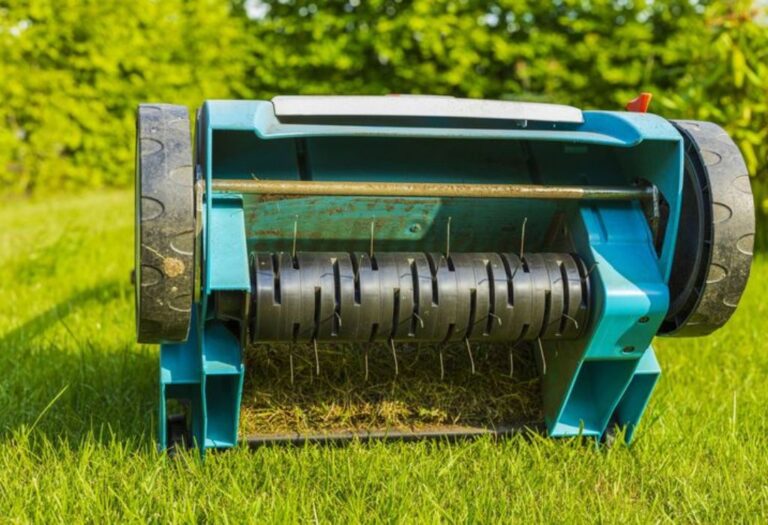
- Core Aerators: These aerators remove small plugs of soil from your lawn. Core aerators are the best option for most lawns. They allow the roots to breathe. Core aerators help reduce soil compaction.Core aerators are highly recommended. This allows for deep aeration. This makes a positive change in the soil. Core aerators give your lawn the best environment. The roots will be able to get the air and nutrients that they need.
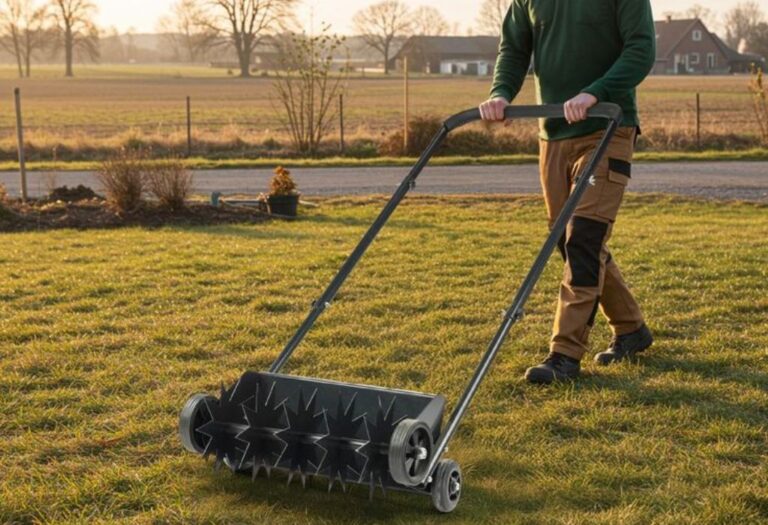
- Spike Aerators: Spike aerators create holes by pushing the soil. Spike aerators are less effective. They often compact the soil around the holes. Using them is not a good idea for lawns that suffer from compaction.Spike aerators are generally less effective. They don’t do as much good as a core aerator. If your soil is compacted, a spike aerator is not the best choice. Core aerators are a much better option to aerate your lawn.
- Walk-Behind Aerators: Walk-behind aerators are ideal for larger lawns. You simply walk behind the machine. Walk-behind aerators can cover large areas fast. They are very efficient.Walk-behind aerators make the process easier on large lawns. They are efficient and do a great job. This ensures that every part of your lawn is aerated well. This is perfect for those who have a large lawn.
Aerating the Lawn: The Process
Now that your lawn is ready and you have the right tools, it is time for the process itself. This is where you put everything into practice. Proper technique ensures that you maximize the benefits of aeration. It ensures your lawn receives the benefits from your efforts. This will result in a healthier and more beautiful lawn. Aerating the lawn will ensure healthy grass growth.
- Making Multiple Passes: Make multiple passes over your lawn to ensure that you cover the entire area. Overlap the passes to ensure even coverage. This ensures that every part of the lawn receives attention.Multiple passes guarantee thorough aeration. This gives every part of your lawn the same care. Overlapping passes are crucial. It will give you a well-aerated, healthy lawn. A lawn that is aerated well will be even and healthy.
- Following the Manufacturer’s Instructions: Always follow the manufacturer’s instructions for the specific aerator you are using. This ensures that you operate the equipment safely and effectively. It is very important to use the aerator correctly.Follow the instructions for the best results. You will ensure safety and effectiveness. This step will prevent any issues. Following these instructions is an essential step. It ensures that you do the job right and protects your equipment.
- Handling the Soil Plugs: Soil plugs are removed by a core aerator. You can leave the plugs on the lawn. They will break down over time. You can also break up the plugs using a lawn rake.Soil plugs will decompose and return nutrients to the soil. You do not need to do anything with the plugs. Leaving the plugs on the lawn can improve soil quality. This step improves the health of your lawn.
Post-Aeration Care
After aerating your lawn, it’s time to provide care. This care will maximize the benefits of the process. Good post-aeration care will help your grass thrive. This will also help your lawn to recover. This will result in a stronger, healthier lawn. Here’s what you should do to ensure the best results after you aerate lawn after seeding.
Watering the Lawn
After aeration, proper watering is essential. Watering helps settle the soil, enabling the roots to receive water and nutrients. It also helps the seeds come into contact with the soil. Your grass will have the best start possible. Watering after aeration is an essential part of the process. It will benefit your lawn’s growth.
- Watering Deeply: After aeration, water your lawn deeply. This will help the water penetrate the soil. Aim to soak the soil to a depth of several inches. Deep watering is very important for the roots.Deep watering will help establish the roots. It ensures they get the moisture. Roots get what they need to thrive after aeration. Well-watered soil will help to grow strong and healthy grass.
- Watering Regularly: Regular watering is essential for the germination of seeds. Maintain a consistent watering schedule. This keeps the soil moist. But don’t overwater.Regular watering will help. It will help the new grass seeds sprout. Consistent moisture will ensure the grass can thrive. Proper watering promotes a healthy lawn.
- Avoiding Overwatering: Overwatering can lead to issues. Be sure that you avoid overwatering. Too much water can harm the grass. Check the soil before watering to see if it is dry.Avoid overwatering to prevent root rot. Monitor the soil to make sure you’re watering correctly. This will prevent problems. You can maintain a healthy lawn by avoiding overwatering.
Fertilizing the Lawn
Fertilizing after aeration can provide nutrients to the grass. Fertilizing helps in the growth. Select the right type of fertilizer. Fertilizing after aeration boosts the growth of new grass. It provides the nutrients needed. Fertilizing supports the growth. It is important to know which fertilizers to use.
- Choosing the Right Fertilizer: Select a fertilizer that is designed for new lawns. Look for a fertilizer with a high phosphorus content. Phosphorus helps in root development. The fertilizer will have an NPK ratio.The correct fertilizer is essential. This ensures the grass receives the correct nutrients. The high phosphorus promotes root growth. The right choice sets the foundation for a healthy lawn.
- Following the Application Instructions: Always follow the instructions on the fertilizer package. Apply the fertilizer according to the recommended rate. This prevents over-fertilizing, which can burn your lawn.Following instructions helps your lawn. Make sure to apply it correctly. Doing so protects the lawn from damage. Read the label carefully. Proper application ensures safety.
- Watering After Fertilizing: After fertilizing, water your lawn to help the fertilizer. This will help the fertilizer get into the soil. This also helps the grass use the nutrients more effectively.Water after fertilizing is essential. It delivers nutrients to the roots. It activates the fertilizer. This will ensure your lawn gets all the benefit. This helps the grass grow.
Over-Seeding, If Necessary
Over-seeding involves planting new grass seeds to fill in any thin spots or bare patches in your lawn. Over-seeding after aeration can help create a thicker, more lush lawn. Over-seeding is a way to promote the development of new grass. You can achieve a healthy, dense lawn. This is very beneficial for lawns. This will also ensure that your lawn looks its best.
- Selecting the Right Grass Seed: The choice of grass seed is important. Make sure it matches the grass that’s already in your lawn. Use the same variety of grass seed. The grass seeds need to match to avoid different shades.Choosing the correct seed leads to a uniform lawn. This will ensure a seamless appearance. Choosing the correct seed is crucial to get a uniform lawn. It will keep the lawn from looking patchy.
- Spreading the Seeds Evenly: Use a broadcast spreader to apply the grass seed evenly. Proper distribution is critical to avoid clumps of grass. This will also give an even and consistent lawn.Spread the seeds carefully for the best results. Proper distribution promotes healthy growth. This helps to get a uniform lawn. Make sure that you spread the seeds evenly.
- Lightly Covering the Seeds: After spreading the seed, you can lightly cover the seeds. Lightly covering the seeds helps protect them. Lightly covering is essential for the seeds.Protecting the seeds supports germination. Covering the seeds with a light layer of soil helps. This will make it easier for the seeds to germinate and develop. Ensure proper protection for your new seeds.
Sourced Statistics:
A study published by the University of Maryland found that core aeration can increase the water infiltration rate in compacted soil by up to 400%.
According to the Turfgrass Water Conservation Alliance, aerating lawns can reduce water usage by up to 20%.
Frequently Asked Questions
Question: How often should I aerate my lawn?
Answer: It depends on your soil type and foot traffic. Lawns with heavy clay soil or high foot traffic should be aerated annually, while lawns with sandy soil may need aeration less frequently, every other year.
Question: Can I aerate my lawn in the summer?
Answer: It’s best to aerate during the growing season, typically in the spring or fall, when the grass is actively growing. Avoid aerating during the hottest part of summer as this can stress the grass.
Question: Is it necessary to aerate before overseeding?
Answer: Yes, aerating before overseeding is highly recommended. It helps the grass seeds make contact with the soil, improving germination rates and promoting healthy growth.
Question: What’s the difference between a core aerator and a spike aerator?
Answer: A core aerator removes small plugs of soil, creating holes. A spike aerator simply pokes holes in the ground. Core aeration is generally more effective. This is because it reduces soil compaction more efficiently.
Question: Can I aerate my lawn if I have underground utilities?
Answer: Before you aerate your lawn, you should contact your local utility companies to have them mark the location of underground utilities. This will prevent damage and ensure safety.
Final Thoughts
Learning how to aerate lawn after seeding is not as complicated as it seems. Aerating your lawn is a straightforward process that makes a big impact on your lawn’s health. Aeration makes a huge difference in how well your grass grows. By following these steps, you can create a beautiful, lush lawn that enhances your home. Remember to prepare your lawn properly, choose the right equipment, and provide adequate post-aeration care. This will lead to amazing results. So, roll up your sleeves, grab your aerator, and get ready to transform your lawn into a beautiful, vibrant space you can enjoy for years to come. Your grass will thank you, and you’ll be able to enjoy a green and healthy lawn.