Does Aeration Help Bare Spots in Lawns? A Simple Guide
Having a lawn with bare spots can be a real headache for anyone trying to grow a healthy, green space. It’s a common issue, especially for beginners, because there are so many things that could be causing it. Things like compacted soil, lack of nutrients, or even pests can lead to these pesky patches. The good news is, fixing this problem doesn’t need to be overwhelming. This guide is all about finding out if does aeration help bare spots, and if so, how to go about it. We’ll break down everything step-by-step so you can get your lawn looking its best. Ready to get started?
Addressing Bare Patches: Soil Aeration Explained
Bare spots in your lawn can be caused by various factors, but a common culprit is compacted soil. Over time, the soil gets packed down, making it hard for grass roots to get the air, water, and nutrients they need. This compaction can be due to foot traffic, heavy equipment, or even the natural settling of soil. When the soil is tight, it restricts root growth, and the grass struggles to thrive, leading to bare patches. Soil aeration is a gardening method that helps solve this problem. It involves creating small holes or removing soil plugs to improve air circulation and allow water and nutrients to reach the roots of the grass. This, in turn, helps the grass grow thicker and fill in those bare spots.
Types of Aeration: Core Aeration vs. Spike Aeration
There are two main types of aeration: core aeration and spike aeration. Core aeration, also known as plug aeration, involves using a machine to remove small plugs of soil from the lawn. This method is considered more effective for relieving compaction because it physically removes soil, creating space for air and water to enter. Spike aeration, on the other hand, uses spikes to poke holes in the soil. While it can improve aeration to some extent, it doesn’t remove any soil, so the benefits are often less dramatic, particularly in heavily compacted areas. Choosing the right method depends on the condition of your lawn and the severity of the compaction. For most lawns with significant compaction, core aeration is the preferred method.
-
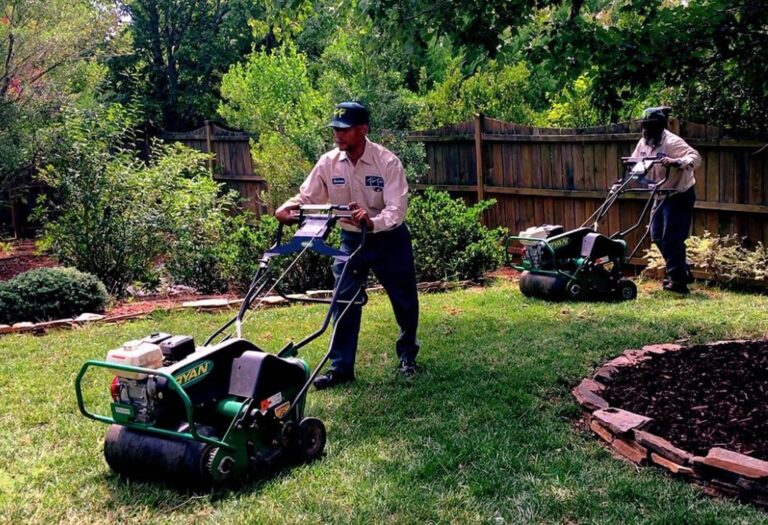
- Core Aeration: This is the most effective approach for tackling compact soil. A core aerator removes plugs of soil, creating channels for air, water, and nutrients. Think of it like giving your lawn a deep breath.
Core aeration works by physically removing small cores or plugs of soil from the lawn. These plugs are typically about 2-3 inches deep and half an inch to an inch in diameter. By removing these cores, you create space in the soil, allowing air, water, and nutrients to penetrate more easily. This process is particularly effective because it alleviates soil compaction, one of the main causes of bare spots. The removed soil plugs are often left on the lawn to break down naturally, which adds organic matter back into the soil and helps improve its structure over time. Core aeration is generally recommended for lawns with heavy clay soil or those that experience a lot of foot traffic, as these conditions tend to lead to more severe compaction.
-
- Spike Aeration: Spike aeration involves using solid tines to create holes in the soil. This can help with some compaction, but it doesn’t remove any soil, so it’s less effective than core aeration.
Spike aeration is a simpler, less aggressive method of improving soil aeration. It involves using tools with solid tines that poke holes into the soil. While this can help loosen the soil and create pathways for air and water, it does not physically remove any soil. This means that the impact on compaction is less significant compared to core aeration. The holes created by spike aeration can quickly close up, reducing the long-term benefits. Spike aeration is better for lawns that have only minor compaction or are regularly aerated. It’s often done with a rolling aerator or a handheld tool.
-
- Tools and Equipment: Core aerators are often available for rent at lawn and garden stores, while spike aerators are simpler and can be purchased more affordably. You can also use manual tools for smaller areas.
The tools and equipment needed for aeration vary based on the type you choose and the size of your lawn. Core aeration typically requires a specialized machine, often a walk-behind or tow-behind aerator. These can be rented from your local garden supply store. Spike aeration can be done with a simple handheld aerator, a spiked shoe, or a rolling aerator. For smaller areas, a manual aerator can work fine. When using any type of aerator, it’s important to read the instructions carefully, wear appropriate safety gear (such as gloves and eye protection), and be aware of any underground utilities.
-
- Timing and Frequency: Generally, aeration is best done during the growing season. This helps the grass to recover and fill in the holes more quickly. Consider aerating your lawn every 1-3 years.
The best time to aerate your lawn is during the growing season, typically in the spring or fall. Aerating during this period allows the grass to quickly recover and fill in the holes created by the aerator. The timing can also depend on the type of grass you have. For cool-season grasses (like Kentucky bluegrass or fescue), the fall is often ideal. For warm-season grasses (like Bermuda or Zoysia), the spring or early summer is typically better. The frequency of aeration depends on your lawn’s needs. Heavily compacted lawns or those with heavy clay soil might need aeration every year, while lawns in good condition might only need it every two to three years.
Preparing Your Lawn for Aeration
Before aerating your lawn, there are a few steps to take to ensure the process is as effective as possible. First, mow your lawn to a moderate height. This makes it easier for the aerator to penetrate the soil and reach the roots. Next, water your lawn thoroughly a day or two before aerating. Moist soil is much easier to aerate than dry soil. Finally, mark any sprinkler heads, shallow irrigation lines, or utility lines to avoid damage during the aeration process. Taking these steps will help you get the best results and keep your lawn healthy and safe.
-
- Mowing: Mow your lawn to a moderate height before aerating. This makes it easier for the aerator to penetrate the soil.
Mowing your lawn before you aerate helps the process go smoothly and ensures the best results. A shorter grass height allows the aerator’s tines to penetrate the soil more effectively. It also prevents the grass from being torn or damaged during the aeration process. Aim to cut your grass to a height that’s about one inch shorter than its usual mowing height. This will ensure that the aerator can reach the soil without too much interference from the grass blades.
-
- Watering: Water the lawn deeply a day or two before aeration. Moist soil is easier to aerate than dry soil.
Watering your lawn before aeration is a key step to make the process more effective. Wet soil allows the aerator’s tines to penetrate the ground more easily. This means the aerator can create deeper, more thorough holes, which is important for relieving compaction and promoting root growth. If the soil is too dry, the aerator might struggle to penetrate, and the results will be less effective. Ensure the soil is moist to a depth of about 4-6 inches. A good way to check this is to use a screwdriver—it should be easy to push it into the ground.
-
- Marking Utilities: Before aerating, mark any sprinkler heads, shallow irrigation lines, or utility lines to avoid damage.
Before aerating, it’s very important to locate and mark any underground utilities like sprinkler heads, irrigation lines, or gas and water lines. Damaging these can lead to costly repairs and potential hazards. You can usually find the location of these lines by looking at the layout of your lawn and the placement of any visible features. You can also call your local utility company to have them mark the locations of buried utilities. Use flags or spray paint to mark the areas to avoid them during aeration.
Does Aeration Help Bare Spots: The Connection Explained

So, does aeration help bare spots? Absolutely. Aeration directly addresses the problems that cause bare spots. By relieving soil compaction, aeration creates space for grass roots to spread and grow deeper, which makes the lawn healthier and more resilient. Aeration also improves water absorption, allowing water to reach the roots more effectively, which is essential for healthy grass growth. Aeration also helps by improving air circulation in the soil. This allows for better gas exchange, which helps roots grow properly. Aeration, combined with overseeding and proper fertilization, is a good recipe for filling in those unsightly bare spots and creating a lush, green lawn.
Improving Water and Nutrient Absorption with Aeration
Aeration has a direct positive impact on water and nutrient absorption in your lawn. Compacted soil prevents water from penetrating and reaching the roots of the grass. This means the grass doesn’t get the moisture it needs to grow, leading to stunted growth and bare spots. Aeration, by creating small holes or removing soil plugs, opens up the soil. This allows water to seep in more easily and reach the root zone. Similarly, it improves the soil’s ability to absorb nutrients from fertilizers. When the soil is loose, nutrients can filter down to the roots. Without these essential resources, the grass can’t thrive, and bare spots are likely to form.
-
- Water Penetration: Aeration creates pathways for water to reach the roots of the grass more easily. This is vital, especially during dry spells.
One of the main benefits of aeration is the improved water penetration into the soil. In compacted soil, water tends to run off the surface, failing to reach the roots where it’s needed. By creating small holes, aeration helps break up this compaction. This allows water to seep into the soil more easily. This is particularly beneficial during dry periods when your lawn needs consistent moisture to survive. Deeper water penetration encourages the roots to grow deeper, making the grass more drought-tolerant and less susceptible to bare spots.
-
- Nutrient Uptake: It helps improve the soil’s ability to absorb nutrients from fertilizers. This leads to healthier, thicker grass.
Aeration improves the soil’s ability to absorb essential nutrients from fertilizers. When the soil is compacted, it’s difficult for fertilizers to reach the root zone. Aeration helps by creating openings in the soil, allowing these nutrients to filter down and nourish the grass roots. This enhanced nutrient uptake is very important for grass health. It encourages vigorous growth and helps the grass to fill in any bare patches. With improved nutrient access, your lawn can become greener, thicker, and more resistant to wear and tear and disease.
-
- Overall Health: Enhanced water and nutrient absorption leads to a healthier, more resilient lawn less prone to bare spots.
When aeration improves both water and nutrient absorption, your lawn benefits in many ways. You’ll see better grass growth, as the roots will have the resources they need to thrive. The improved root system makes the grass more tolerant to environmental stresses like drought and disease. As a result, your lawn becomes much more resilient and less likely to develop bare spots. Regular aeration, combined with good lawn care practices like fertilization and proper mowing, sets your lawn up for a better outcome.
Overseeding and Fertilization After Aeration
Aeration creates an ideal environment for overseeding and fertilization, making these practices much more effective. Overseeding involves spreading grass seed over your existing lawn to fill in bare spots and thicken the grass. The small holes made by the aerator create great contact points for the grass seed to come into contact with the soil. Fertilization, which provides essential nutrients, is also enhanced by aeration. The holes allow fertilizer to reach the roots more easily, where it can be absorbed. Aeration, followed by overseeding and fertilization, is a powerful combination for achieving a healthy, lush lawn.
-
- Overseeding: Aeration creates an ideal environment for overseeding, helping the grass seed make better contact with the soil.
After aerating, the small holes created in the soil make the perfect seedbed for overseeding. Overseeding involves spreading new grass seed over your existing lawn. The holes made by the aerator provide excellent contact points for the seed to reach the soil. This improves the chance of successful germination. The seed can settle into these openings, which increases the likelihood of the grass establishing. When done after aeration, overseeding leads to faster, more even results. This process is very important in filling in bare spots and thickening up your lawn, making it more dense and resistant to wear and tear.
-
- Fertilization: Aeration enhances the effectiveness of fertilization. Nutrients can more easily reach the grass roots.
Aeration makes fertilization more effective. The small holes created during aeration allow fertilizers to reach the grass roots more easily. Compacted soil can prevent the nutrients in fertilizer from reaching the root zone. With aeration, the nutrients can filter down into the soil. This encourages more efficient uptake by the roots. This leads to healthier grass growth, as the roots can receive the essential nutrients they need to thrive. By combining aeration with fertilization, you’re giving your lawn the best chance to be healthy and lush, filling in bare spots efficiently.
-
- Timing and Application: Apply grass seed and fertilizer after aeration. Follow the instructions on the product labels for best results.
The timing of your overseeding and fertilization efforts is key. For best results, it’s generally recommended to apply grass seed and fertilizer shortly after aerating your lawn. This gives the seed and fertilizer the best opportunity to come into contact with the soil and the roots. Always follow the instructions on the product labels for both the grass seed and the fertilizer. This ensures you’re applying the correct amount and using the products correctly. When seeding, be sure to keep the area properly watered. Fertilizing is just as important, as the nutrients in the fertilizer help the new grass to grow strong and fill in those bare spots.
Maintaining a Healthy Lawn: Practical Tips
Maintaining a healthy lawn involves more than just aeration. Regular mowing, proper watering, and a good fertilization schedule are all key components. Mowing your lawn at the correct height encourages healthy growth. Watering deeply but infrequently helps roots develop and makes the grass more drought-resistant. Fertilizing regularly provides essential nutrients. Regular care, combined with aeration when needed, will keep your lawn looking great. This can lead to your lawn growing thick and healthy.
Regular Mowing and Watering Practices
Regular mowing is important for maintaining a healthy lawn. The ideal mowing height depends on the type of grass you have, but generally, mowing too short can stress the grass and make it more susceptible to problems. Cutting grass too short reduces the plant’s ability to create food through photosynthesis. This weakens the grass, making it more vulnerable to pests, diseases, and bare spots. Proper watering is also essential. Deep, infrequent watering encourages the roots to grow deeper, leading to a more drought-tolerant lawn. Avoid frequent, shallow watering, as this promotes shallow root growth and makes the grass more susceptible to stress.
-
- Mowing Height: Mow your lawn at the appropriate height for your grass type. Avoid cutting the grass too short.
Mowing height is a key factor in keeping your lawn healthy and full. The best mowing height varies by grass type, but generally, you should aim to cut no more than one-third of the grass blade at a time. Cutting too much at once can stress the grass, making it weak and vulnerable to disease. Taller grass blades help shade the soil, which reduces water loss and helps prevent weed growth. Mowing at the right height promotes a strong root system, and helps to maintain the green color of your lawn, minimizing the chances of developing bare spots. Refer to the specific needs of your grass species for the best mowing height.
-
- Watering Frequency: Water deeply but infrequently to encourage deep root growth. Avoid frequent, shallow watering.
The way you water your lawn is as important as the frequency. Water deeply and less often. This encourages the roots to grow deeper, making the grass more resistant to drought and other stresses. Frequent, shallow watering, on the other hand, encourages shallow root growth. This makes the grass more likely to dry out and develop bare spots during periods of drought. Watering deeply means providing enough water to saturate the soil to a depth of 6-8 inches. How often you water depends on the weather and soil conditions, but as a general rule, aim to water when the top few inches of soil are dry.
-
- Timing of Watering: Water your lawn in the morning to reduce water loss due to evaporation.
When you water your lawn can affect how much of the water is used by the grass. The best time to water your lawn is typically in the morning. This allows the grass blades to dry before nightfall, reducing the risk of fungal diseases. Watering during the heat of the day can result in significant water loss due to evaporation. Water also tends to run off the surface of the soil. When watering in the morning, the grass has the whole day to absorb the water, promoting stronger, healthier growth. Setting up a sprinkler system or using a garden hose with a timer can make this easier.
Fertilization Schedules and Soil Testing
A good fertilization schedule provides your lawn with the nutrients it needs to grow. Choose a fertilizer that matches the needs of your grass type and follow the manufacturer’s recommendations for application. Regular soil testing is a valuable tool in lawn care. It provides specific information about the nutrient levels and pH balance in your soil. This information allows you to make informed decisions about fertilization and other lawn care practices. A soil test will tell you what nutrients are present and what might be lacking, allowing you to tailor your lawn care efforts for optimal results.
-
- Fertilizer Selection: Choose a fertilizer that matches the needs of your grass type. Different grasses have different nutrient requirements.
Fertilizer selection is a key step to achieve a healthy lawn. Different grass types have specific nutrient needs, so choosing the right fertilizer is very important. Look for fertilizers that are designed specifically for your grass type. These fertilizers will contain the right balance of nitrogen (N), phosphorus (P), and potassium (K), which are the main nutrients your grass needs. Read the fertilizer label carefully to understand the nutrient ratios and application instructions. Applying the correct fertilizer at the right time of year provides the nutrients your grass needs to thrive, making it greener and more resistant to disease, which helps to minimize the bare spots.
-
- Application Timing: Follow a recommended fertilization schedule for your grass type. Apply fertilizer at the correct times of the year.
The timing of your fertilizer applications is just as important as choosing the right fertilizer. A well-planned fertilization schedule provides your lawn with nutrients at the times of year when it needs them most. The best times to fertilize vary depending on your grass type and climate, but generally, it’s best to fertilize during the growing season. This is usually in the spring and fall for cool-season grasses and in the spring or early summer for warm-season grasses. Applying fertilizer at the proper times gives your grass the best chance to absorb the nutrients and use them for growth, which helps your lawn fill in bare patches.
-
- Soil Testing: Conduct regular soil testing to determine the nutrient levels and pH balance in your soil.
Regular soil testing is a valuable tool for effective lawn care. Soil tests provide you with valuable information about the nutrient levels and pH balance in your soil. This information helps you make informed decisions about fertilization, as well as other lawn care practices. A soil test can identify any nutrient deficiencies or imbalances. Soil testing helps ensure that your lawn receives the nutrients it needs to thrive. The tests will tell you what nutrients are present and what might be lacking. Soil testing ensures you’re not over- or under-fertilizing, which can cause problems and waste money. It’s a great way to fine-tune your lawn care practices for the best results.
Does Aeration Help Bare Spots: Case Studies and Scenarios
Real-life examples can illustrate how effective aeration is. Consider two scenarios: a lawn with heavy clay soil that always has bare spots and a lawn with moderate compaction due to foot traffic. In the first case, core aeration performed in the spring, followed by overseeding and fertilization, resulted in the bare spots filling in within a few weeks. In the second, the aeration, combined with regular care, improved the overall density and health of the lawn. These case studies highlight the direct benefits of aeration in addressing bare patches. The positive results show the process works and helps lawn problems.
-
- Case Study 1: A homeowner with a lawn in a heavy clay soil. Bare patches were always a problem, even with regular watering and fertilizing.
In this scenario, a homeowner struggled with a lawn that consistently had bare patches, despite efforts with watering and fertilization. The soil was a dense, heavy clay. This type of soil is prone to compaction, which restricts root growth. The homeowner decided to try core aeration in the spring. They followed this by overseeding with a grass seed suited for clay soils and fertilizing. Within a few weeks, the bare patches began to fill in. The grass became much thicker and healthier. The improvement was dramatic. This case is a perfect example of how aeration helps those areas, even in challenging soil conditions.
-
- Case Study 2: A lawn with moderate compaction due to foot traffic. There were bare spots in the high-traffic areas.
In this case, the lawn experienced bare spots in areas with heavy foot traffic. The compaction from people walking on the grass made it harder for the grass to thrive in those areas. The homeowner decided to aerate the lawn in the fall. After aeration, they continued with their regular lawn care routine. This included proper mowing, watering, and fertilization. They also made an effort to limit foot traffic in the high-use areas. Over time, the lawn’s overall density and health improved significantly. The bare spots began to disappear, and the grass was more resilient. This demonstrates that aeration, combined with other good care practices, can make a positive impact.
-
- Scenario 1: A lawn with excessive thatch. Aeration helps to break down the thatch layer.
If your lawn has a thick layer of thatch, aeration can help to break it down. Thatch is a layer of dead grass, stems, and roots that accumulates between the soil surface and the green grass blades. Excessive thatch can prevent water, air, and nutrients from reaching the soil, creating conditions that can lead to bare spots. Aeration can help by physically disrupting the thatch layer, creating pathways for these essential elements to penetrate the soil. By breaking down the thatch, aeration sets the stage for a healthier lawn. It creates the environment needed for healthy grass growth, so the grass can fill in those spots, making it thicker and more resilient.
-
- Scenario 2: A lawn with persistent weed problems. Aeration can improve the overall health of the lawn, making it more resistant to weed infestation.
If you’re dealing with persistent weed problems, aeration can help improve the overall health of your lawn, which is very important. Healthy grass is more resistant to weed infestation. Aeration improves the soil’s ability to absorb water, nutrients, and air. This strengthens the grass and makes it more competitive against weeds. By encouraging denser growth, aeration helps to crowd out weeds, which helps your lawn look much better and reduces the need for herbicides. Aeration contributes to a more robust, healthy lawn that can naturally defend itself against weeds, ultimately reducing the appearance of bare spots.
| Feature | Core Aeration | Spike Aeration |
|---|---|---|
| Soil Removal | Yes, plugs of soil are removed. | No, soil is only pierced. |
| Compaction Relief | More effective, physically removes soil. | Less effective, does not remove soil. |
| Air and Water Penetration | Highly improved. | Moderately improved. |
| Durability of Results | Longer-lasting. | Shorter-lasting, holes may close quickly. |
Frequently Asked Questions
Question: How often should I aerate my lawn?
Answer: The frequency of aeration depends on your lawn’s needs. Heavily compacted lawns may need aeration annually, while lawns in good condition may only need it every 1-3 years.
Question: What is the best time of year to aerate my lawn?
Answer: The best time to aerate is during the growing season, typically in the spring or fall. This allows the grass to recover and fill in the holes more quickly.
Question: Can I aerate my lawn myself, or should I hire a professional?
Answer: For smaller lawns, you can often aerate yourself using manual tools or rented equipment. For larger lawns, or if you prefer professional results, hiring a professional might be a good idea.
Question: Should I water my lawn after aeration?
Answer: Yes, water your lawn after aeration. This helps the grass roots and allows the new grass seed to establish.
Question: Will aeration damage my sprinkler system or underground utilities?
Answer: It’s important to mark any sprinkler heads, irrigation lines, or utility lines before aerating to avoid damage. Call your local utility company to locate buried utilities.
Final Thoughts
So, does aeration help bare spots? Absolutely. Aeration directly addresses the problems that cause these unsightly patches. By relieving soil compaction, it creates a much better environment for your grass roots. This allows your grass to grow deeper, which makes your lawn healthier and more resistant to all kinds of problems. Aeration also improves water and nutrient absorption, which is really important for healthy grass. Remember, combining aeration with practices like overseeding, proper fertilization, and regular watering creates a winning combination. If you’re looking to create a beautiful, lush lawn, don’t hesitate to explore aeration. With a little care and attention, you can get the green lawn you’ve always wanted.