Is Lawn Rolling Good? Unpacking Benefits and Avoiding Issues
Figuring out if is lawn rolling good is something many people wonder about, especially when they’re starting to care for their lawns. It seems simple, but getting it right can be a bit tricky. Sometimes, you might worry about damaging your grass. Don’t worry, though! This guide will break down everything you need to know in a clear, easy-to-follow way. We’ll explore why people do it, how to do it safely, and when to avoid it. Let’s get started!
Reasons People Consider Lawn Rolling
People consider lawn rolling for various reasons. The primary goal is usually to create a smoother, more even surface. This can improve the lawn’s appearance and make it more enjoyable for activities like playing games or simply relaxing. Additionally, rolling can help with certain lawn problems. It’s a common practice, but it’s important to know the right time and way to roll to get the desired results.
Leveling Uneven Ground
One of the primary reasons people roll their lawns is to level out any bumps or unevenness. Over time, lawns can develop irregularities due to several factors, including frost heaves, the actions of earthworms or other critters, and even simply foot traffic. This unevenness can make mowing difficult, cause tripping hazards, and generally detract from the lawn’s aesthetic appeal. Rolling aims to flatten these high spots and fill in low spots, resulting in a more uniform surface. However, it is not always the best way to do so.
- Frost Heaves: These are upward bulges in the soil caused by the freezing and thawing of the ground. Rolling can temporarily smooth them out, but it won’t fix the underlying cause.
- Earthworm Activity: Earthworms are beneficial for the soil, but their castings can create small mounds. Rolling can compress these castings, but excessive rolling can harm the worms.
- Foot Traffic: Regular foot traffic can compact the soil and create wear patterns, leading to unevenness. Rolling can help alleviate these issues to some degree.
- Improving Appearance: A smooth lawn looks much better than a bumpy one. Rolling can significantly enhance your lawn’s curb appeal and make it more enjoyable.
Preparing for Seeding and Sodding
Before seeding or laying sod, lawn rolling can be helpful in preparing the soil. By lightly rolling the area, you can ensure good seed-to-soil contact, which is essential for successful germination. For sod, rolling helps press the sod into the soil, eliminating air pockets and promoting root development. However, excessive rolling can compact the soil too much, hindering the growth of the grass. Therefore, it is important to understand the soil conditions before rolling.
- Seed-to-Soil Contact: Rolling pushes seeds into contact with the soil, allowing them to absorb moisture and nutrients for germination. Proper contact is key to a thick, healthy lawn.
- Eliminating Air Pockets for Sod: Rolling after laying sod removes air pockets between the sod and the soil. This prevents the roots from drying out and encourages them to take hold quickly.
- Creating a Level Surface: A level surface is essential for consistent grass growth, whether seeding or laying sod. Rolling can help address minor imperfections before planting.
- Improving Drainage: While rolling can help with surface drainage, it’s important not to over-compact the soil, as this can hinder drainage. Rolling should be part of a balanced approach.
Addressing Minor Damage
Rolling can also be used to address minor damage to the lawn. For example, it can sometimes smooth out small areas where the grass has been disturbed by animals or other factors. However, it’s crucial to be cautious, as rolling can worsen certain types of damage if not done carefully. It’s not a cure-all, and addressing the root cause of the damage is often more important. Consider the cause before grabbing the roller.
- Animal Damage: Rolling can flatten small holes or disturbances caused by animals digging. However, it may not be effective for larger holes or extensive damage.
- Smoothing Out Divots: Rolling can help smooth out minor divots caused by foot traffic or other impacts. It can improve the overall appearance of the lawn.
- Addressing Minor Erosion: In areas with slight erosion, rolling can help level the surface, but it won’t solve the underlying erosion problem. Addressing the cause is critical.
- Post-Aeration: After aerating your lawn, rolling can help push the soil cores back down. This helps to prevent them from becoming a tripping hazard.
Understanding When Is Lawn Rolling Good?
Knowing when is lawn rolling good is as important as knowing why. Rolling at the wrong time can do more harm than good, compacting the soil and damaging the grass. The best time for rolling depends on your lawn’s condition, the type of grass, and the weather. Timing is key to successful lawn care. Understanding the optimal conditions is essential for achieving the desired results.
Optimal Timing for Rolling
The best time to roll your lawn is when the soil is slightly moist but not waterlogged. This is when the soil is most pliable and less likely to be compacted. Avoid rolling when the soil is dry, as this can make it more difficult to achieve the desired effect. Rolling in very wet conditions can cause significant soil compaction, which is bad for the lawn. Timing is everything.
- Spring: Spring is often a good time to roll, as the ground is typically moist from melting snow and spring rains. This is a great time to address any unevenness that developed over winter.
- Fall: Fall can also be a good time to roll, especially after aeration. The cooler temperatures and increased rainfall can help the grass recover.
- After Seeding or Sodding: Lightly rolling after seeding or laying sod can help ensure good contact with the soil. However, avoid excessive rolling that might harm the seedlings or sod.
- Avoid During Dry Spells: Do not roll the lawn during dry periods. This can damage the grass and compact the soil. The soil should be slightly moist for optimal results.
Grass Type Considerations
Different types of grass have different tolerances for rolling. Some types are more sensitive to soil compaction than others. Cool-season grasses like Kentucky bluegrass and fescue are generally more tolerant of rolling than warm-season grasses. Understanding your grass type is important. It helps you choose the right approach.
- Cool-Season Grasses: These grasses, such as Kentucky bluegrass, ryegrass, and fescue, are generally more tolerant of rolling. They can often recover from compaction more easily.
- Warm-Season Grasses: Grasses like Bermuda grass and zoysia grass are often less tolerant of rolling. Over-rolling these grasses can lead to soil compaction and poor growth.
- Consider the Root System: Grasses with shallower root systems are often more sensitive to compaction. Rolling can damage their roots and hinder their ability to get water and nutrients.
- Local Climate Factors: Your region’s climate affects the best time to roll. Consider seasonal rainfall patterns and temperature ranges when planning your lawn care activities.
Weather Conditions and Soil Moisture
Weather and soil moisture play a vital role. Rolling when the soil is too wet can lead to severe compaction. Rolling when the soil is dry is ineffective and can damage the grass. Understanding these conditions helps you make better decisions. Paying attention to these elements is critical.
- Soil Moisture Test: Before rolling, check the soil moisture. The soil should be slightly moist, but not soggy. A simple test is to squeeze a handful of soil; it should hold its shape.
- Avoid Rolling After Heavy Rain: Rolling right after a heavy rain can compact the soil. Wait until the soil has drained sufficiently before rolling.
- Rolling During Dry Spells: Rolling during dry periods can be ineffective. The soil will be hard, and rolling may not have the desired leveling effect.
- Temperature Considerations: Rolling is usually best done when the weather is mild, avoiding extreme heat or cold. This helps the grass recover quickly.
The Risks of Lawn Rolling: Knowing When to Avoid It

While lawn rolling can be helpful, it’s not always a good idea. Knowing when to avoid it is crucial for maintaining a healthy lawn. Overdoing it can lead to problems that are difficult to fix. Knowing the risks and when to avoid rolling is important.
Soil Compaction Issues
One of the biggest risks of lawn rolling is soil compaction. This happens when the soil particles are squeezed together, reducing the air spaces that roots need to breathe. Compacted soil hinders water and nutrient absorption, which can lead to poor grass growth, weakened roots, and an overall decline in lawn health. Excess rolling is the main culprit.
- Reduced Air Circulation: Compaction reduces the amount of air in the soil. Roots need air for respiration. Without it, they cannot function correctly, which will kill your grass.
- Poor Water Drainage: Compacted soil doesn’t drain water well. This leads to waterlogging, which can cause root rot and other problems. Good drainage is key.
- Nutrient Deficiency: Compacted soil reduces the ability of roots to absorb nutrients. This means your grass will not be able to get what it needs.
- Increased Weed Growth: Compacted soil favors weed growth. Weeds can thrive in compacted conditions, outcompeting your grass for resources.
Damage to the Root System
Rolling can also damage the root system of your grass, especially if the soil is too wet or the roller is too heavy. Damaged roots are less effective at absorbing water and nutrients, which can weaken the grass and make it more susceptible to disease and stress. Protect your lawn by being mindful of these issues.
- Shallow Root Development: Repeated rolling can stunt root growth, leading to a shallow root system. A shallow root system makes the grass less resilient to drought and heat.
- Reduced Nutrient Uptake: Damaged roots cannot absorb nutrients efficiently. This leads to nutrient deficiencies, causing the grass to look weak and discolored.
- Increased Susceptibility to Disease: Weakened grass is more susceptible to diseases, such as fungal infections. Healthy roots are key for defense.
- Hindered Water Absorption: Damaged roots cannot effectively absorb water. This can lead to drought stress, causing the grass to turn brown and die.
When Not to Roll Your Lawn
There are certain situations where rolling your lawn is simply not a good idea. Rolling in these conditions can make the problems worse, rather than better. Understanding when to avoid rolling is just as important as knowing when to do it. Think before you roll!
- Compacted Soil: If your soil is already compacted, rolling will make it worse. Aeration is a better option in this case. Aeration can help get oxygen to the roots.
- Wet Soil: Rolling wet soil compacts it significantly. This can damage the grass roots and harm drainage. Wait for drier conditions.
- During Droughts: Do not roll your lawn during dry periods. This will stress the grass. The grass is already trying to survive.
- On Newly Seeded Lawns (Without Caution): While light rolling can help with seed-to-soil contact, excessive rolling can damage the seedlings. Be very careful.
Alternatives to Lawn Rolling
If you’re not sure if is lawn rolling good for your lawn, or if your lawn isn’t in the ideal conditions, there are alternatives. These can be better options for addressing unevenness and other lawn problems. Using these alternatives can help avoid the risks of rolling and promote a healthier lawn. It’s about finding the best way.
Aeration as a Solution
Aeration is the process of creating small holes in the soil to improve air circulation, water drainage, and nutrient absorption. This is a very beneficial process to perform. Aeration is generally better for the health of your lawn. It relieves soil compaction. It’s often a better solution than rolling. It is generally helpful in many cases.
- Improved Air Circulation: Aeration creates air spaces in the soil. This allows oxygen to reach the grass roots. This is critical for root health.
- Enhanced Water Drainage: Aeration improves drainage by allowing water to penetrate the soil more easily. This helps prevent waterlogging and root rot.
- Better Nutrient Absorption: Aeration improves the ability of grass roots to absorb nutrients. This leads to healthier, greener grass.
- Reduced Compaction: Aeration directly addresses soil compaction. Aeration breaks up compacted soil, improving root growth.
Topdressing for Leveling
Topdressing involves applying a thin layer of soil, compost, or other materials over the lawn surface. This can help level out minor unevenness and improve the overall soil quality. Topdressing is a good alternative to rolling, especially for small imperfections. It is a gentler way to even out a lawn.
- Filling in Low Spots: Topdressing is excellent for filling in low spots. It gradually levels the surface over time.
- Improving Soil Quality: Topdressing with compost or other organic materials improves the soil’s structure and fertility. This means your grass will be healthier.
- Promoting Root Growth: Topdressing helps to create a favorable environment for root growth. Healthier roots mean a healthier lawn.
- Boosting Microbial Activity: Organic topdressing materials encourage beneficial microbial activity in the soil. This helps improve the soil.
Proper Mowing Techniques
Proper mowing is crucial for maintaining a healthy and even lawn. Mowing at the correct height and frequency can help prevent many problems. It can also help minimize the need for rolling. Consistent mowing is key to a beautiful lawn. It keeps everything looking good. Your lawn will benefit greatly.
- Mowing Height: Mow your grass at the recommended height for your grass type. Taller grass blades will shade the soil, keeping it cool and moist.
- Mowing Frequency: Mow your lawn frequently enough to remove no more than one-third of the grass blade at a time. This prevents stress on the grass.
- Sharp Mower Blades: Always use sharp mower blades to ensure a clean cut. Dull blades tear the grass. They can lead to disease.
- Varying Mowing Patterns: Change your mowing direction each time you mow. This prevents soil compaction and encourages even growth.
Frequently Asked Questions
Question: When should I roll my lawn?
Answer: Roll your lawn when the soil is slightly moist but not waterlogged. The best times are often spring and fall, when the weather is mild and the soil is not too dry.
Question: What type of roller should I use?
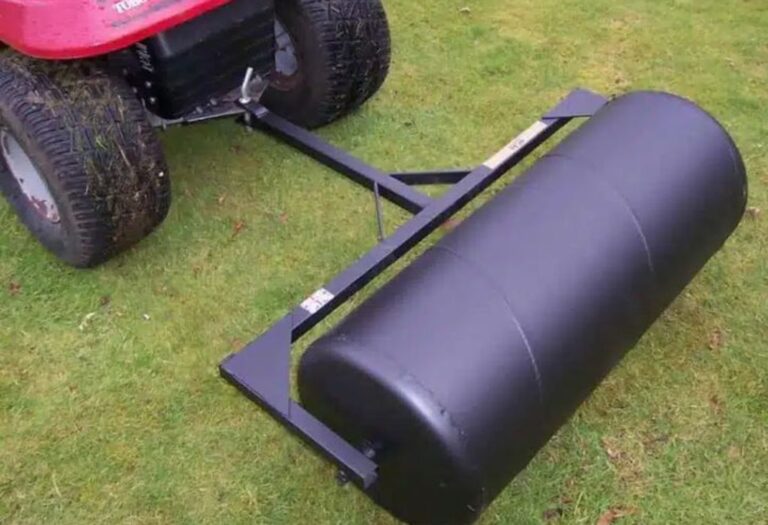
Answer: Use a lawn roller that is appropriate for the size of your lawn. A smaller, hand-held roller is suitable for smaller areas, while a larger, tow-behind roller is better for larger lawns. Avoid rollers that are too heavy.
Question: How often can I roll my lawn?
Answer: Rolling should be done sparingly, no more than once or twice a year, and only when necessary. Excessive rolling can lead to soil compaction and damage your grass.
Question: Is rolling good for all types of grass?
Answer: No, some grass types are more sensitive to rolling than others. Cool-season grasses are generally more tolerant, while warm-season grasses are less so. Know your grass type.
Question: What happens if I roll my lawn when it’s too wet?
Answer: Rolling a lawn when it’s too wet can cause significant soil compaction, which hinders water and air movement and damages the grass roots, leading to poor grass health.
Final Thoughts
So, is lawn rolling good? The answer isn’t a simple yes or no. It depends on your lawn’s specific needs and the current conditions. While rolling can be helpful for leveling and preparing the ground, it’s not always the best solution. The key is to understand when and how to do it properly. You need to consider the soil conditions, the type of grass, and the weather. Remember to avoid rolling if the soil is too wet or if compaction is already an issue. Alternatives like aeration and topdressing can often be better choices. Take a close look at your lawn’s specific needs and consider whether rolling is the right approach. With the right knowledge and timing, you can help your lawn look its best. Now you have a good head start on your lawn care!