Should I Roll My Lawn? A Guide for a Perfect Yard
Deciding if you should i roll my lawn is a common question, especially for new homeowners or anyone wanting a beautiful yard. It can seem like a simple task, but getting it right is important. This guide will take you step-by-step through everything you need to know, making it easy to decide and implement. We’ll explore why rolling can be beneficial and when it’s best to avoid it. Let’s get started.
What is Lawn Rolling and Why Do It?
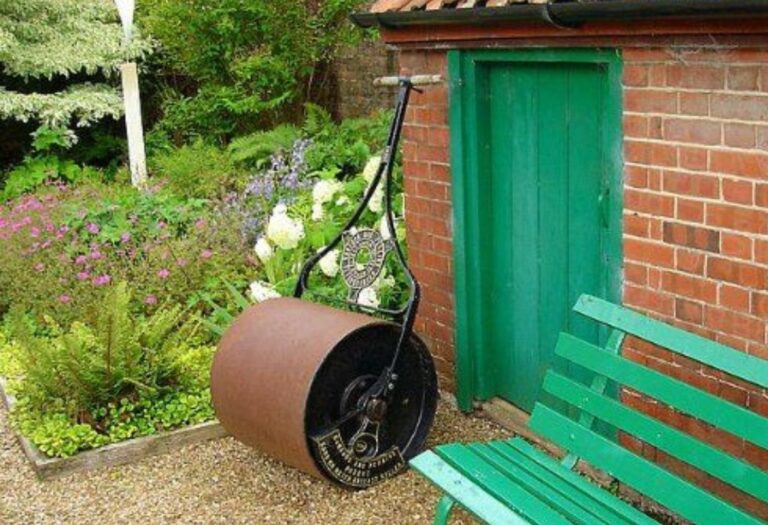
Lawn rolling involves using a lawn roller, a heavy cylinder, to flatten the surface of your grass. This process addresses unevenness, settles newly laid sod or seed, and can improve overall lawn appearance. When done correctly, rolling can create a smoother surface, making mowing easier and providing a more aesthetically pleasing yard. However, it’s not a one-size-fits-all solution, and the benefits depend on your lawn’s current condition and your goals. Rolling is a physical task that needs to be done on the right conditions, like not after the yard is flooded.
Purpose of Lawn Rolling
-
- Leveling the Surface: A primary goal of rolling is to smooth out bumps and dips. These imperfections can accumulate over time due to various factors like soil settling, frost heaves, or even earthworms.
By using a lawn roller, you can gently compress the soil and address these issues, promoting a more even surface. This is particularly useful before mowing, as it helps to ensure a uniform cut and prevents scalping. Scalping occurs when the mower blade cuts the grass too short in certain areas due to uneven terrain. Regularly addressing the surface helps maintain your mower’s blades. A level lawn is also safer, reducing tripping hazards.
-
- Settling the Soil: After planting grass seed or laying sod, rolling helps to ensure good soil contact. This is because the process presses the grass into the soil.
When seeding a lawn, rolling pushes the seeds into the ground, encouraging germination. Similarly, with sod, rolling helps the roots make direct contact with the soil. This is essential for proper water and nutrient absorption, which ultimately promotes healthy growth. The simple action encourages robust root development, which is important for the lawn’s health and longevity. It reduces the chance of air pockets, which may dry the roots.
-
- Improving Overall Appearance: A smoother lawn just looks better! Rolling can transform a bumpy yard into a more attractive outdoor space.
A level lawn presents a more polished appearance, making your yard more enjoyable for outdoor activities. It enhances curb appeal and creates a more inviting atmosphere for gatherings. A well-maintained, even lawn suggests care and attention to detail. This visual improvement contributes significantly to the overall aesthetic of your home, making your yard a source of pride and enjoyment.
Deciding If You Should Roll Your Lawn
Before grabbing a lawn roller, assess your lawn’s condition. Rolling is not always necessary and, in some cases, can do more harm than good. It’s a tool to be used thoughtfully, not just a routine chore. Think about the current state of your lawn, the soil type, and the weather. This will inform your decision and ensure the best results. Is the ground moist? Does your yard have dips or mounds?
When Rolling is Recommended
-
- After Seeding or Laying Sod: This helps seeds establish contact with the soil or ensures sod roots take hold.
Rolling after seeding or laying sod is important for maximizing the chances of successful growth. The rolling process gently presses the seeds into the soil, ensuring proper contact and promoting germination. For sod, it helps the roots make good contact with the underlying soil, leading to quicker establishment. This initial rolling is a simple, effective step that will benefit the future look of the lawn.
-
- Addressing Minor Bumps and Unevenness: If your lawn has small bumps or dips, rolling can smooth the surface.
Small imperfections can be a nuisance when mowing or simply enjoying your yard. Rolling is a practical way to correct these issues. By smoothing the surface, you improve the aesthetic appearance of your lawn, making mowing easier and more efficient. Remember to identify the source of the unevenness, so you may correct the cause. This improvement enhances the usability and enjoyment of your outdoor space, transforming a bumpy yard into a more inviting area.
-
- After Frost Heaves: In areas with cold winters, rolling can help to level the ground after frost heaves.
Frost heaves occur when the ground freezes and thaws, pushing the soil upward. This can create an uneven surface. Rolling your lawn after the frost heaves have subsided can help to smooth the lawn. This is essential for restoring the evenness of the grass. It ensures a safe and aesthetically pleasing lawn for the coming season. However, do not roll until the ground has thawed, as this could cause soil compaction.
When Rolling is Not Recommended
-
- When the Soil is Wet: Rolling wet soil can compact it, damaging the roots of the grass.
Compaction reduces the amount of air and water that can reach the roots. This can lead to unhealthy grass and poor growth. Compacted soil is difficult for roots to penetrate, which will restrict the nutrients and water absorbed by the grass. This could also lead to drainage issues. If you roll your lawn in the wet, your actions will cause damage.
-
- On Lawns with Severe Drainage Issues: Rolling can worsen drainage problems by compacting the soil.
Compacted soil prevents water from draining properly, leading to waterlogged areas and potential root rot. If you already have drainage issues, rolling will only make them worse. This can lead to serious damage to your lawn and make it difficult to grow healthy grass. Before rolling, consider addressing drainage concerns, perhaps by aerating the lawn.
-
- On Lawns with Existing Compaction Issues: Rolling will further compact an already compacted lawn.
Compacted soil restricts the flow of air and water, leading to poor root growth and overall grass health. If your soil is already compacted, you should take steps to alleviate the compaction before rolling, such as aeration. Rolling compacted soil can make matters worse, leading to increased problems. This will contribute to a decline in grass health, as the compacted ground restricts the availability of essential elements.
Preparing Your Lawn for Rolling

Preparation is key to a successful lawn-rolling project. It is more than just grabbing a roller. There are a few key steps to be done before rolling. This preparation helps to ensure you are maximizing the benefits. It prevents unnecessary damage to your lawn and enhances the overall outcome of the rolling process. Taking the time to prepare will result in a more attractive and healthier lawn.
Mowing and Watering
-
- Mowing: Mow the lawn to a reasonable height before rolling.
Short grass allows the roller to make better contact with the soil. It also makes it easier to identify and address any uneven areas. This process provides a more level surface and makes the rolling process more effective. This step prepares the grass for the rolling process and ensures you get the best results.
-
- Watering: Water the lawn a day or two before rolling, but not on the day of.
Moist soil is easier to compress and level. Watering a couple of days before allows the water to soak in while ensuring the soil is not overly wet. Avoid rolling when the ground is soggy. This is essential for preventing soil compaction and ensuring that the rolling process is beneficial. Your lawn will benefit greatly from proper preparation.
Addressing Specific Lawn Conditions
-
- Dealing With Bumps: For small bumps, rolling can often smooth them out.
Rolling is most effective for minor imperfections. It addresses issues like small bumps and unevenness to create a more even surface. This will result in a more polished appearance. For severe bumps, other methods like topdressing with soil are needed.
-
- Handling Drainage Problems: Avoid rolling if your lawn has severe drainage issues.
Rolling compacts the soil. This can worsen drainage issues. Consider aerating your lawn to alleviate compaction if you need to resolve any such concerns. Address any drainage issues before rolling. This will help maintain the health of your lawn.
How to Roll Your Lawn Step by Step
Using a lawn roller is a simple task, but doing it correctly is essential to avoid harming your lawn. These steps provide a clear guide to help you roll your lawn properly, ensuring a more even and aesthetically pleasing result. Following these instructions will allow you to achieve the best outcome.
Choosing the Right Roller
-
- Manual Rollers: These are pushed or pulled by hand and are best for smaller lawns.
Manual rollers are typically lightweight and easy to maneuver. They offer a simple solution for small yards. They’re a cost-effective option for anyone with a small area. These rollers are ideal for those who don’t have a lot of space.
-
- Tow-Behind Rollers: These attach to a lawn tractor or riding mower and are suitable for larger areas.
Tow-behind rollers allow you to cover more ground quickly. These can vary in weight. They provide an efficient method for leveling extensive lawns. This option is great for anyone with a larger yard. They are suitable for large yards.
-
- Weight Considerations: The weight of the roller should match your lawn’s needs and the soil type.
Heavier rollers provide more compression. This is beneficial for leveling severe unevenness or settling sod. Lighter rollers are sufficient for small adjustments or fine-tuning the surface. Consider soil type, as heavier rollers can damage some soils. Ensure the weight you choose is appropriate for your lawn.
Rolling the Lawn
-
- Direction: Roll in straight, overlapping passes.
This ensures you cover the entire lawn. Overlapping ensures that you don’t miss any spots and create a consistent result. Straight passes offer even compression and prevent the development of unwanted patterns or lines.
-
- Overlapping: Overlap each pass by a few inches to ensure complete coverage.
Overlapping prevents any gaps between passes, which might leave portions of your lawn unrolled. Consistent overlap guarantees that the entire surface receives even compression. This consistent approach is key to achieving a smooth and level finish.
-
- Speed: Walk or drive slowly and steadily to ensure even compression.
Slow and steady speeds offer the best results. Rapid movement will hinder the rolling effect. This allows the roller to compress the soil uniformly. Maintain a consistent pace to achieve a smooth finish.
-
- Multiple Passes: One pass is usually enough, but you can do a second pass if needed.
One pass often provides the desired effect, but a second pass can be done at right angles to the first. This is especially useful for addressing more significant unevenness or settling sod. Ensure you don’t overdo it, as excessive rolling can cause compaction. Evaluate your lawn’s condition and adjust the number of passes accordingly.
Post-Rolling Care
-
- Watering: Water the lawn after rolling, especially if you’ve rolled after seeding or laying sod.
Watering helps settle the grass and promotes root development. Proper watering provides essential moisture for the grass. It helps establish the grass. This is critical for encouraging root contact. This promotes growth.
-
- Monitoring: Watch for any signs of compaction or damage.
Observe your lawn for changes. Compacted soil can lead to drainage problems or poor growth. Regular monitoring allows you to identify any issues and take corrective measures. Be attentive to any changes in your lawn. Act quickly if issues occur.
-
- Follow-Up: Repeat rolling as needed, but avoid overdoing it.
Occasional rolling may be required to maintain a smooth surface. Refrain from excessive rolling. Regular assessment and adjustments are important to sustain a healthy and level lawn. Proper maintenance contributes to long-term lawn health.
Common Mistakes to Avoid
Avoid these common mistakes to prevent damage and ensure the best results. Many people make mistakes when rolling their lawn. Knowledge of these mistakes will ensure you achieve the results you want. Remember to be mindful of these when considering should i roll my lawn.
Rolling Wet Soil
-
- Compaction: Rolling wet soil leads to severe compaction.
Compaction will affect drainage, airflow, and root development. Avoid rolling your lawn when the soil is wet. This will hinder the health of your grass. Rolling wet soil is a common mistake that can have serious consequences. Protect your lawn by waiting for the soil to dry before rolling. Do not allow water to stagnate on the lawn after rolling, as this indicates a need to aerate.
-
- Damage to Roots: Wet soil is more vulnerable to damage from compression.
Rolling on wet ground directly harms the grass roots. Damaged roots mean the grass will struggle to absorb nutrients and water. This can lead to unhealthy grass and poor growth. Always ensure the soil is dry enough before rolling. The grass won’t thrive with the damage.
Using Too Heavy a Roller
-
- Excessive Compaction: Heavy rollers compact the soil too much.
Excessive compaction restricts air and water movement in the soil. Heavy rollers can create an environment that will not promote healthy root growth. The resulting problems can range from poor grass health to drainage concerns. Use a roller that is appropriate for your soil type and current needs.
-
- Damage to Grass: Heavy rollers can crush the grass and damage the crowns.
Crushed grass struggles to recover, leaving bald patches. The crowns of the grass are essential for new growth. This will make your lawn look unhealthy. This damage will affect the overall appearance of your yard. Protect your grass by using the right roller.
Rolling at the Wrong Time
-
- Seasonality: Avoid rolling during the hottest part of the summer or when the ground is frozen.
Extreme temperatures can stress the grass. The goal is to avoid applying unnecessary stress to your grass. Rolling in extreme heat can cause the grass to dry out quickly. Rolling during the cold can harm the grass roots. Consider the weather.
-
- Thawing: Do not roll immediately after the ground has thawed from winter.
The soil will still be soft and susceptible to compaction. Wait for the soil to settle before rolling. This will avoid damage. Avoid rolling when the ground is soft. Prioritize your yard’s health.
Benefits of Rolling Your Lawn
The advantages of rolling your lawn go beyond just aesthetics. Rolling can enhance both the appearance and the functionality of your yard. The simple act of rolling your lawn offers several benefits. Understanding these rewards can help you make an informed decision about rolling.
Improved Appearance
-
- Smoother Surface: Rolling eliminates bumps and dips, creating a more uniform look.
A level lawn presents a more polished and well-maintained appearance, contributing to the overall visual appeal. A smooth surface gives your yard a tidy and inviting look. This visual improvement makes your outdoor space more enjoyable.
-
- Enhanced Curb Appeal: A well-rolled lawn enhances the overall appearance of your home.
A tidy lawn is inviting and boosts the curb appeal of your property. It’s an investment in your home. It’s also an investment in your enjoyment of the space.
Improved Functionality
-
- Easier Mowing: A level surface makes mowing more efficient and prevents scalping.
A level lawn ensures an even cut. It prevents the mower from cutting the grass too short in certain areas. This is especially helpful if you’ve been asking the question, should i roll my lawn? Your lawn’s look will be improved. This also saves time, since you won’t need to double-cut in certain areas.
-
- Better for Activities: A smooth lawn is more comfortable for walking and playing.
Uneven surfaces can be a tripping hazard. A smooth, level lawn is safer for children and pets. This enhances your enjoyment of your outdoor space. It makes your yard more suitable for activities.
Healthier Lawn
-
- Good Contact: Rolling helps establish the grass.
Rolling promotes good soil contact. This encourages faster root development and healthier growth. It’s vital for a thriving lawn. Good contact with the soil is what allows grass to thrive.
-
- Reduced Unevenness: Rolling addresses issues.
Rolling can minimize any small imperfections in your yard. It’s useful for settling new seed. It aids in leveling the surface, which promotes the overall health of your lawn.
Frequently Asked Questions
Question: How often should I roll my lawn?
Answer: It’s best to roll your lawn when necessary, such as after seeding or laying sod, or to address minor unevenness. Avoid rolling your lawn more than once or twice a year, as excessive rolling can damage your lawn.
Question: Can I roll my lawn with a full roller?
Answer: You can use a roller. Just ensure you’re not compacting the soil too much. Use caution when you decide should i roll my lawn. Use a roller that has the correct weight for your needs. Avoid rolling when the soil is wet.
Question: What’s the best time of year to roll my lawn?
Answer: The best time to roll your lawn is in the spring or early fall when the soil is moist. Make sure the ground is not waterlogged. Avoid rolling during the heat of summer or when the ground is frozen.
Question: Will rolling my lawn get rid of all the bumps?
Answer: Rolling can smooth out minor bumps and unevenness, but it may not address severe issues like large depressions. If the bumps are significant, you might need to try topdressing. Rolling the yard is not the only consideration. Look at the full yard to decide what is needed. Rolling the lawn is just one method.
Question: Should I roll my lawn if I have compacted soil?
Answer: No, avoid rolling if your soil is already compacted. Rolling will only worsen the issue. It’s better to aerate your lawn to improve soil health before rolling it.
Final Thoughts
Knowing should i roll my lawn helps improve its appearance and health. Rolling can be a beneficial step, but timing and conditions are key. You’ll want to check the moisture of your lawn. Also, pick the right time of year. Consider your soil type. Follow these steps for best results. Prepare your lawn well before rolling. Choose the correct roller. Avoid common mistakes. Think carefully if you are asking should i roll my lawn. With these steps, you can create a smooth and attractive lawn. Happy rolling!