Do I Need a Lawn Roller? Assessing Your Lawn Care Needs
Figuring out if you do i need a lawn roller can be tricky. Beginners often feel unsure because lawn care can seem overwhelming with all the tools and techniques. Don’t worry, though! This guide breaks down everything you need to know in a clear, easy-to-follow way. We’ll explore when a lawn roller is helpful and how to decide if it’s the right tool for your yard. Let’s start by looking at what a lawn roller actually does.
What a Lawn Roller Does
A lawn roller is a heavy tool used to flatten or compact the surface of your lawn. It typically consists of a cylindrical drum that can be filled with water or sand to increase its weight. As you pull or push the roller across your lawn, it presses down on the ground. This process can serve several purposes, from smoothing out uneven surfaces to improving seed-to-soil contact after overseeding. Think of it as a giant rolling pin for your grass!
This simple concept has some pretty powerful effects on your lawn. Knowing these effects is key to answering the question “do i need a lawn roller” for your specific lawn care needs.
Leveling Uneven Ground
One of the main jobs of a lawn roller is to flatten bumps and dips. Over time, lawns can develop uneven patches because of various issues. These include things like soil settling, frost heaves (where the ground lifts due to freezing), or the activity of burrowing animals. A lawn roller can smooth out these minor imperfections, creating a more even surface. This is not the same as grading your lawn, which is a far more involved process. A lawn roller is meant for small adjustments, not major overhauls.
- Smoothing out small bumps: These can be caused by natural settling or minor changes in the soil.
- Addressing frost heaves: Cold weather can push soil upwards, leading to unevenness.
- Preparing for mowing: A level lawn is easier and more pleasing to mow.
- Improving aesthetics: A smooth lawn looks better and is more enjoyable.
When you have a very bumpy lawn, it can impact more than just how it looks. Mowing becomes trickier, as the mower blade might scalp the high spots or miss low areas. Lawn rollers solve this problem. If your lawn is significantly uneven, you might consider other options. For instance, leveling compound or re-grading are possibilities.
Enhancing Seed-to-Soil Contact
When you are seeding your lawn, good contact between the seeds and the soil is vital. This is because seeds need direct contact with the earth to absorb moisture and nutrients, which are essential for germination. Lawn rolling helps with this in a simple way. By gently pressing the seeds into the soil, the roller ensures that they’re nestled in securely. The rolling action removes small air pockets around the seeds, creating a better environment for sprouting. This step is especially important in areas with clay-heavy soil.
- After overseeding: Rolling after spreading grass seed helps push the seeds into the ground.
- Improving germination rates: Better seed-to-soil contact means more seeds will sprout.
- Reducing seed displacement: Rolling helps prevent seeds from being washed away by rain or wind.
- Creating a better environment: Close contact with soil provides the moisture seeds need.
Proper seed-to-soil contact is a huge factor. Without it, your seeding efforts can be wasted. The roller does not need to be super heavy for this job. A light rolling is sufficient to achieve the desired effect. If you skip this, your lawn might have patchy growth or slower development. You may have to reseed in order to fill empty areas.
Compacting the Soil
While often seen as a beneficial effect, compaction can also be a double-edged sword. A lawn roller can compact the soil, making it denser. This can be helpful in some cases, such as when establishing a new lawn or firming down freshly laid sod. However, excessive compaction can harm your lawn by reducing air circulation and water penetration. Therefore, it is important to understand the soil type and the overall health of your lawn before deciding if compaction is needed.
- For new lawns: Rolling can help settle the soil and firm up the surface.
- After laying sod: Rolling ensures good contact between the sod and the soil.
- For specific soil types: Helps in sandy soil where the surface needs firming.
- Not always necessary: Excessive rolling can harm soil health.
When is compaction a negative? When it harms your lawn. It can reduce air circulation and water penetration to the roots. It can be caused by heavy foot traffic or overuse of the lawn roller. Soil compaction will vary depending on your soil type. If you have clay soil, the effects of compaction are going to be more serious than if you have sandy soil.
Considering Soil Type and Lawn Conditions

Before you decide “do i need a lawn roller,” consider your soil type and overall lawn condition. This is crucial because different soil types and issues call for different approaches. Using a lawn roller when it’s not needed, or when it’s inappropriate for your specific soil, can lead to more problems than solutions.
Understanding these variables helps you make a better decision. For example, rolling may be beneficial for sandy soils that tend to be loose. However, it may be detrimental to clay soils that compact easily. Before using a roller, you must know your lawn.
Soil Type and Its Implications
The type of soil you have plays a big role in how your lawn will react to a roller. Some soil types benefit from rolling, while others can be negatively impacted. For instance, sandy soils benefit from some compaction. They often need help staying firm. Clay soils, on the other hand, compact more easily and may become too dense with repeated rolling.
- Sandy Soil: Often benefits from rolling. It helps the soil firm up.
- Clay Soil: Avoid excessive rolling. This soil compacts easily.
- Loamy Soil: A balanced soil that usually responds well to moderate rolling.
When you start lawn care, you should understand soil types. Soil affects how well your lawn can absorb water, air, and nutrients. Healthy soil is key to a beautiful lawn. A soil test will tell you what kind you have and its health. You can correct problems by adding soil amendments.
Assessing Lawn Health and Issues
Before using a lawn roller, examine your lawn for any issues. Does it have bumps and uneven areas? Is the grass thin or sparse in certain spots? Are there any signs of disease or pests? These details will help you determine if rolling is the right approach. It also helps you see whether there are other steps you should take first.
- Unevenness: Rolling can smooth out minor imperfections.
- Compaction: Avoid rolling if the soil is already dense.
- Poor drainage: Address drainage problems before rolling.
- Disease or pests: Treat these issues before rolling the lawn.
Poor lawn health can make rolling worse. For example, if your lawn has drainage problems, rolling might make things worse. Instead of rolling, you should fix the drainage. Addressing existing issues will give you a better lawn rolling result. Do you have patches of thin grass or bare spots? Rolling might help seeds make contact with the soil. However, it is not a cure for all lawn problems.
How to Use a Lawn Roller Correctly
Using a lawn roller correctly is essential to get the desired results and prevent damage to your lawn. The process involves some basic steps. These steps involve preparing the lawn, choosing the right roller, and rolling techniques. Using the correct method will help you achieve a level lawn.
Careless or improper rolling can damage the grass and soil. It could lead to unwanted compaction or other issues. You can use this guide to ensure you are taking the proper steps. This will help you get the most from your lawn roller and protect your lawn. Knowing the correct process is the key to a good rolling session.
Preparing Your Lawn
Proper preparation is important for a successful rolling session. It is key to assess the condition of your lawn. This includes mowing your lawn to an appropriate height before using the roller. Remove any debris, such as rocks, twigs, or large clumps of grass. These can get caught under the roller and cause damage to your grass and the equipment. It is also wise to address any underlying issues like drainage or disease before you begin.
- Mow the grass: Cut the grass to a suitable height before rolling.
- Remove debris: Clear away any rocks, twigs, or other objects.
- Address problems: Resolve drainage or disease issues first.
The goal is to provide a smooth surface for rolling. Removing debris makes the process easier and helps prevent damage to your lawn. Mowing the grass will help the roller. It will create a more uniform surface. Your grass should also be dry before you start. Rolling wet grass is more likely to cause compaction.
Choosing the Right Lawn Roller
Lawn rollers come in several types and sizes. They also vary in their materials and features. Your choice will depend on the size of your lawn. It also depends on the specific task you want to perform. For small lawns or minor tasks, a smaller, hand-pushed roller might be sufficient. Larger lawns or jobs may require a larger, tow-behind roller. These attach to a lawn tractor.
- Size: Choose a size suitable for your lawn’s area.
- Weight: Adjust weight depending on the purpose and soil type.
- Filling: Select one that can be filled with water or sand.
The correct weight is key to getting the results you want. For smoothing minor bumps or enhancing seed-to-soil contact, a lighter roller is usually fine. If you want to firm up sod or level the lawn, a heavier roller might be needed. You can adjust the weight by adding water or sand to the drum. The type of material the roller is made of also matters. Steel rollers are the most durable. Plastic rollers are lighter and easier to maneuver.
Rolling Techniques and Best Practices
The rolling technique will influence the final outcome. Start by making several passes. Overlap each pass to ensure that you cover the entire area. Roll in different directions (e.g., first lengthwise, then widthwise). This technique helps achieve a more even result. Never make sharp turns or roll in circles. This can damage the turf.
- Overlap passes: Ensure complete coverage.
- Vary directions: Roll in different directions to avoid patterns.
- Avoid sharp turns: Prevents turf damage.
- Don’t overdo it: Limit the number of passes to avoid compaction.
The number of passes will also vary depending on the condition of your lawn. For smoothing minor bumps, one or two passes might be enough. When firming up sod or leveling larger areas, you might need more. If you notice signs of soil compaction (like water puddling on the surface), stop rolling. You will need to address compaction issues before proceeding.
Alternatives to Lawn Rolling
While lawn rolling can be effective, it is not always the best solution for every problem. Other methods might be more suitable or beneficial for some lawn issues. It depends on the particular issues you are facing. Considering these alternatives will help you make a better decision. It will also help you determine “do i need a lawn roller” and if other methods might be a better fit.
Each option offers a unique approach to lawn care. Some methods are more intensive and suitable for larger projects. Other methods address underlying soil problems. Understanding the strengths and weaknesses of each option will let you choose the right approach for your needs.
Topdressing
Topdressing involves spreading a thin layer of compost or other soil amendments over your lawn. This method helps level minor surface imperfections. It also improves soil health and grass growth. The topdressing fills in low spots. It helps level the surface. Topdressing is beneficial for improving drainage and adding nutrients to the soil. You do not always need a lawn roller to spread the compost. In some cases, topdressing can be all you need.
- Leveling: Fills in low spots and improves the surface.
- Soil improvement: Adds nutrients and improves soil health.
- Drainage: Helps with drainage problems.
- Easy to apply: Spreading the compost is relatively easy.
Topdressing is useful for lawns that need a boost. It gives the grass an extra supply of nutrients. Topdressing is also good for improving soil drainage. In clay soils, topdressing can improve drainage. You can do this by adding organic matter to the soil. This can help the grass grow better and makes the lawn more resistant to disease. While topdressing does not correct serious issues, it can improve soil health.
Aeration
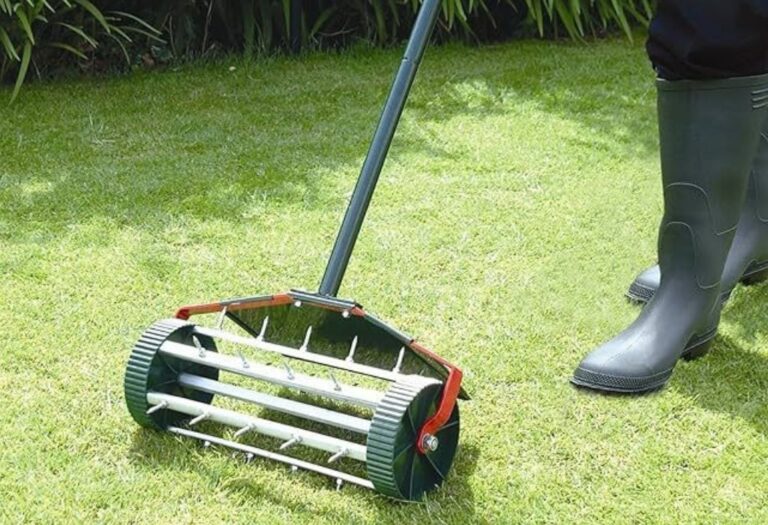
Aeration involves creating small holes in the lawn to improve air circulation and water penetration. There are two main methods. The first is core aeration, where small plugs of soil are removed. The second is spike aeration, where solid spikes are used to make holes. Aeration is good for compacted soil. It is especially beneficial for heavy clay soils. It reduces compaction and allows the roots to breathe and grow. By aerating the lawn, you promote a healthier, more vibrant turf.
- Reduces compaction: Improves soil air circulation and water penetration.
- Core aeration: Removes soil plugs to improve air flow.
- Spike aeration: Makes holes in the lawn with solid spikes.
- Helps root growth: Improves the health and vitality of the grass.
Aeration is a way to relieve compaction. Compaction restricts air and water movement in the soil. Aeration can help by creating pathways for these things to reach the roots of the grass. Aeration is particularly valuable in heavy clay soils. It can also help if you have a lawn with heavy foot traffic. Aeration can also improve your lawn’s ability to absorb nutrients. You can aerate every year for the best results. It is important to know the soil type and choose the best method for your needs.
Manual Leveling
Manual leveling is a hands-on method to level uneven areas. It involves using a shovel, rake, or other tools to fill in low spots and remove bumps. For small areas, it is done by hand. For larger areas, you can use a leveling rake or drag mat. You might use a level or straightedge to check the surface. Manual leveling is more intensive than rolling. It is useful for dealing with significant unevenness or large areas. It will give you better control and precise adjustments.
- Hands-on: Fill in low spots and remove bumps.
- Small areas: You can work by hand with a shovel or rake.
- Large areas: You can use a leveling rake or drag mat.
- Precision: Allows for more precise leveling of the lawn.
Manual leveling is beneficial if you have a lawn with many uneven patches. It provides more control over the leveling process. You can use this method to fix a small dip or level a large area. Manual leveling can be more time-consuming than rolling. But it is very effective. If you have any significant unevenness or if rolling is ineffective, manual leveling might be the better choice.
| Method | Description | Best For |
|---|---|---|
| Lawn Rolling | Using a roller to flatten the surface | Smoothing out minor imperfections and improving seed-to-soil contact |
| Topdressing | Spreading a thin layer of compost | Leveling, soil improvement, and drainage |
| Aeration | Creating holes in the lawn | Reducing compaction and improving air and water penetration |
| Manual Leveling | Using a shovel and rake | Addressing significant unevenness in small and large areas |
Frequently Asked Questions
Question: When is the best time to use a lawn roller?
Answer: The best time to roll your lawn is when the soil is slightly moist. This helps the roller compact the soil without causing excessive damage. Avoid rolling when the soil is very wet or very dry.
Question: Can I use a lawn roller on a newly seeded lawn?
Answer: Yes, you can use a lawn roller on a newly seeded lawn. It will help ensure good seed-to-soil contact, which is important for germination. Use a light roller and avoid heavy rolling.
Question: How often should I roll my lawn?
Answer: The frequency depends on your lawn’s needs. You might need to roll your lawn once or twice a year, or only when you seed or notice unevenness. Avoid rolling too often, as it can cause soil compaction.
Question: How much water or sand should I put in the lawn roller?
Answer: The amount of water or sand depends on the roller’s size, your soil type, and the task. Start with less weight. You can add more weight as needed. Use just enough to achieve the desired effect.
Question: What safety precautions should I follow when using a lawn roller?
Answer: Always wear sturdy shoes and eye protection. Clear the area of debris. Be careful when turning and avoid rolling over obstacles. Never use a lawn roller on a slope.
Final Thoughts
Knowing do i need a lawn roller helps to make a good decision about your lawn. Assessing your soil, your lawn condition, and understanding the different techniques will give you a smooth, beautiful lawn. From leveling bumps to enhancing seed-to-soil contact, the right approach will help you achieve the results you want. Remember to consider your soil type and current issues to decide if a roller is the correct tool. Always prepare your lawn and select the right roller for the job. Also, use correct techniques to prevent damage and maximize benefits. If you need help, look at topdressing or manual leveling instead.
So, the next time you look at your lawn, remember to evaluate your situation. Consider what your lawn needs. If you choose to use a roller, follow the steps. With this knowledge, you are ready to make a decision about your lawn care. Good luck with your lawn. With a bit of effort, you can make your yard beautiful.