How Long After Aeration to Fertilize: A Simple Guide
Figuring out how long after aeration to fertilize can feel a bit tricky, especially if you’re new to lawn care. Many people get confused about the timing, fearing they might do more harm than good. Don’t worry, it’s really not as hard as it seems. We’re going to break it down step-by-step so you can get the best results for your lawn. Next up, we will explore the best approach to ensure a lush, green lawn.
What Aeration Does for Your Lawn
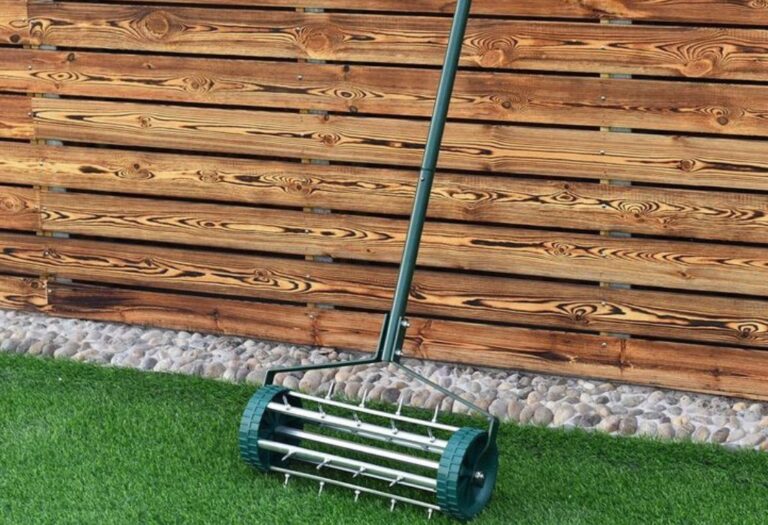
Aeration is a fantastic thing you can do for your grass. It’s like giving your lawn a spa treatment, making it healthier and stronger. The process itself involves creating small holes in the soil. These holes are essential for several reasons, and they are especially important if your lawn suffers from compacted soil. Compacted soil is a major problem; it prevents air, water, and vital nutrients from reaching the roots of your grass. Over time, this compression can lead to thinning grass, a patchy appearance, and overall lawn health decline. Aeration helps solve this.
The Benefits of Aeration
Aeration opens up pathways in the soil. This allows oxygen, water, and nutrients to penetrate the ground more effectively. Think of it like a highway system for your grass roots. When the roots can easily access what they need, the grass becomes more resilient. It can better withstand extreme temperatures, drought, and heavy foot traffic. Aeration also helps reduce thatch buildup, which is a layer of dead organic matter that can suffocate the roots. Getting rid of thatch improves the overall look and feel of your lawn.
- Enhanced Oxygen Flow: Aeration introduces much-needed oxygen into the soil. Roots require oxygen to breathe, just like we do. Aeration ensures a steady supply, promoting vigorous root growth and a healthier lawn overall.
- Improved Water Absorption: Aeration makes it easier for water to reach the roots. This is especially helpful during dry periods. Water can penetrate more deeply into the soil, keeping the grass hydrated and less stressed.
- Nutrient Uptake Boost: With improved aeration, nutrients from fertilizer can reach the roots. Fertilizer is only effective if the roots can get to it. Aeration prepares the ground for fertilization.
- Thatch Reduction: Aeration helps manage thatch, which is a layer of dead grass and organic matter that accumulates on the soil surface. Too much thatch prevents water, air, and nutrients from reaching the roots.
For example, imagine a lawn that consistently suffers from brown patches, even with regular watering. In most cases, these are tell-tale signs of soil compaction. After aeration, you’ll see a noticeable change: the brown patches fade, and the grass becomes greener and thicker. Soil compaction is a common issue, and regular aeration can make a big difference in these situations. Aeration can solve the problem.
When to Aerate Your Lawn
Timing your aeration is a key part of the process. Aerating at the best time of year will set your grass up for success. Different grasses have different optimal aeration times. If you aerate during the wrong season, you might not get all the benefits. Most lawns will benefit from aeration once a year. Your grass type, climate, and how your lawn is used will determine the ideal time for your lawn aeration.
Best Times for Aeration
The ideal time to aerate usually aligns with the peak growing season for your specific type of grass. For cool-season grasses, like Kentucky bluegrass and fescue, this is typically in the early fall or spring. Warm-season grasses, such as Bermuda grass and zoysia grass, benefit most from aeration during late spring or early summer. This timing allows the grass to quickly recover from the aeration process and take advantage of the increased access to air, water, and nutrients. Be aware of your grass type to know the best time to do this.
- Cool-Season Grasses (Fall or Spring): In the fall, the grass has a chance to recover before winter dormancy, while spring aeration supports robust growth as the growing season begins.
- Warm-Season Grasses (Late Spring or Early Summer): This timing allows the grass to heal and encourages growth throughout the warmer months.
- Consider Your Climate: Adjust the timing based on your region’s climate. Avoid aerating during periods of extreme heat or drought.
- Assess Your Lawn: Aerate when you see signs of soil compaction, such as standing water, thinning grass, and a general lack of vigor.
To give you an idea of the results, consider a golf course. They aerate frequently to maintain the perfect playing surface. The difference in grass quality and health is usually noticeable. Golf courses understand the importance of aeration and maintain a schedule to keep the greens in prime condition. Their aeration practices are a testament to its effectiveness. The results are visible in the lush, dense turf that can withstand heavy foot traffic.
Finding the Right Time: How Long After Aeration to Fertilize?
Determining how long after aeration to fertilize is critical for getting the best results. You want to give your lawn a boost, but you want to do it at the right time. Fertilizer is most effective when it can easily reach the roots. Aeration makes this possible. However, applying fertilizer too soon after aeration can be ineffective, or worse, can lead to issues. The goal is to provide the nutrients your lawn needs. The right timing is key to making sure everything works well together.
The Ideal Timing for Fertilizing
The general advice is to wait before you fertilize your lawn after aerating. The standard recommendation is to wait a few days or up to a week. The exact timing may vary slightly. The holes created during aeration need some time to settle. Waiting allows the grass to start healing and using the benefits of aeration before introducing the added nutrients. This approach ensures your grass can fully absorb the fertilizer and benefit from it. After the aeration, the grass needs some time to recover and start growing strong.
- Wait a Few Days: Allow the soil to settle and the grass to recover from the aeration. This gives the roots a chance to adjust before getting extra nutrients.
- Check Weather Conditions: If rain is predicted, consider delaying fertilization until the conditions are more favorable. Rain can help activate the fertilizer and spread the nutrients.
- Consider the Fertilizer Type: Some fertilizers release nutrients faster than others. Adjust the timing depending on the type of fertilizer you use. Slow-release fertilizers need less immediate timing concern.
- Monitor Lawn Response: Watch your lawn for signs of stress or improvement after aeration. Then, adjust your fertilization plan based on what you see.
Let’s consider a practical example. Imagine you aerate your lawn on a Saturday. Then, you wait until the following Thursday or Friday to fertilize. This provides sufficient time for the grass to adjust, the soil to settle, and the aeration holes to become stable. This approach provides an effective method. If you see signs of problems, you should change what you’re doing. This provides a balance between aeration and fertilization to maximize effectiveness. This will provide noticeable results.
Choosing the Right Fertilizer for Your Lawn

The type of fertilizer you choose plays a significant role in your lawn’s health. Not all fertilizers are the same. Each has its own nutrient makeup and application method. The fertilizer you select should match your grass type, the time of year, and your lawn’s specific needs. Some fertilizers release nutrients fast, while others release them slowly. The right choice is essential for a beautiful lawn.
Types of Lawn Fertilizers
There are several different types of fertilizers. The main categories include granular, liquid, and slow-release. Each offers advantages. Granular fertilizers are typically spread using a spreader. They release nutrients over time. Liquid fertilizers are easier to apply quickly, and they provide quick nutrient delivery. Slow-release fertilizers offer a steady, gradual feeding of nutrients. The choice depends on your needs. The best option will be based on your lawn’s requirements and your personal preferences.
- Granular Fertilizers: These are popular because they are easy to apply using a spreader and provide a consistent nutrient supply. Granular fertilizers are great for long-term health.
- Liquid Fertilizers: These fertilizers provide a quick nutrient boost, perfect for lawns needing immediate help. Liquid fertilizers are best applied with a sprayer and are great for fast results.
- Slow-Release Fertilizers: These fertilizers release nutrients gradually over several weeks. Slow-release fertilizers are a great choice for a balanced feeding and long-term lawn health.
- Organic Fertilizers: Consider using organic fertilizers. These are derived from natural sources. They release nutrients slowly and improve soil health.
For example, if you use a fast-release fertilizer, you might see quick results. Your lawn becomes green and lush. This is a noticeable difference. However, if you use a slow-release fertilizer, the effects will be more gradual. In either case, it’s about making a well-informed decision that fits your lawn’s needs. The choice comes down to the best approach.
Understanding Fertilizer Ingredients
Fertilizers are composed of several key ingredients. These components provide the nutrients your lawn needs to thrive. The main components are nitrogen, phosphorus, and potassium. Each of these ingredients plays a unique role in your grass’s health. Understanding what these ingredients do is important to keep your lawn healthy. You’ll learn the key benefits of fertilizer components.
The Big Three: NPK
The letters NPK on a fertilizer bag represent the three primary nutrients your lawn needs. “N” stands for nitrogen, which promotes green, leafy growth. “P” represents phosphorus, vital for root development. “K” stands for potassium, which improves overall plant health and disease resistance. The numbers on the fertilizer package will tell you how much of each component is in the mix. Selecting the right NPK balance is critical for lawn health. You want to choose the ideal blend to meet your lawn’s needs.
- Nitrogen (N): Promotes green, leafy growth and a vibrant color. Nitrogen is key for photosynthesis. Nitrogen provides the nutrients that your grass needs to look healthy and vibrant.
- Phosphorus (P): Supports root development and helps establish a strong foundation. Phosphorus is especially crucial for young grass. Phosphorus supports your lawn’s overall health.
- Potassium (K): Enhances overall plant health, disease resistance, and stress tolerance. Potassium helps the grass withstand environmental stress. Potassium makes your grass stronger.
For example, if you’re establishing a new lawn or overseeding, you might choose a fertilizer with a higher phosphorus content. This promotes root growth. If your lawn struggles with a lack of greenness, you might select a fertilizer with a higher nitrogen level. Choosing the right fertilizer is about understanding your lawn’s unique requirements.
Application Methods and Best Practices
Correct application methods are essential for fertilizer efficiency. Even the best fertilizer will be ineffective if applied incorrectly. Understanding the correct methods will help you get the most out of your fertilizer. Using the proper method, as well as following best practices, is the most effective approach. Proper fertilizer application will ensure your lawn receives the nutrients it needs. It will also help you avoid waste and environmental issues.
How to Apply Fertilizer Correctly
There are several methods for applying fertilizer. Granular fertilizers are typically spread using a broadcast or drop spreader. Liquid fertilizers are often applied using a sprayer. You must calibrate your spreader and sprayers to ensure proper application rates. It is necessary to avoid over-fertilizing. It is just as important to apply the correct amount of fertilizer. Over-fertilizing can harm your lawn and the environment. Consider the instructions on the fertilizer packaging. Following those instructions will provide the best results.
- Use a Spreader: Calibrate your spreader to apply the correct amount of fertilizer. Over-application can lead to burn marks on your lawn. Under-application might not provide enough nutrients.
- Apply Evenly: Ensure even coverage to avoid uneven growth and patches. Overlapping slightly helps to ensure even distribution. Make sure there are no gaps.
- Water After Application: Water your lawn after applying fertilizer, unless the package instructions say otherwise. Water helps activate the fertilizer. It also helps the nutrients get to the roots.
- Follow Package Instructions: Always follow the specific instructions on the fertilizer packaging. Fertilizer formulations can differ. Following these instructions will give your lawn what it needs.
Here’s a common example. Consider a homeowner using a broadcast spreader. If they calibrate the spreader correctly and follow the instructions, the fertilizer will distribute evenly. This results in a healthy, green lawn. A poorly calibrated spreader will result in streaks and uneven growth. The results of the job will be clear. The right application will give you the look you want.
Avoiding Common Mistakes
There are common mistakes. Being aware of them is key. Avoiding these mistakes will help you get the best results. It will also protect your lawn from damage. By understanding these issues, you can prevent them and achieve a beautiful lawn. It will avoid unnecessary issues and give your lawn what it needs.
Common Fertilizer Mistakes to Avoid
One of the most frequent mistakes is over-fertilizing. Over-fertilizing leads to fertilizer burn. This can damage the grass. Applying fertilizer during hot weather or when the lawn is dry can also be problematic. Avoid those times. Neglecting to water after application or not using the correct fertilizer type are other common mistakes. Be aware of these mistakes. By paying attention to details, you can avoid these problems. Proper timing and application methods will ensure a healthy, vibrant lawn.
- Over-Fertilizing: Applying too much fertilizer can burn your grass. It can also lead to runoff. Too much fertilizer can cause pollution.
- Incorrect Timing: Fertilizing at the wrong time of year or when the lawn is under stress can be ineffective. Proper timing is important.
- Wrong Fertilizer Type: Using the wrong fertilizer type for your grass or soil conditions can hinder growth. It might not provide the right balance of nutrients.
- Failure to Water After Application: Without watering, the fertilizer might not reach the roots. This can be detrimental to the process.
Consider a situation where a homeowner applies too much fertilizer. The grass begins to turn brown, and the lawn looks unhealthy. This problem is avoidable. Applying the correct amount of fertilizer will ensure a healthy green lawn. This simple example shows the impact of avoiding mistakes in the process.
How Long After Aeration to Fertilize: Summary and Tips
To recap, knowing how long after aeration to fertilize is key to getting great results. Aeration opens up the soil. This helps fertilizer get to the roots. The best time to fertilize is usually within a few days to a week. This timing gives the grass time to recover. It will also let the aeration do its job. It also helps avoid potential damage. Following this approach ensures your lawn benefits from both aeration and fertilization.
Quick Tips for Success
Always check the instructions on the fertilizer package. Consider the weather conditions. Choose the best fertilizer type. Regularly check your lawn for any issues. This will provide your lawn with everything it needs. You can enjoy a healthy, vibrant lawn by taking these steps. By following these simple tips, you can achieve a healthy, vibrant lawn. It is a rewarding experience.
- Wait a Few Days: Give your grass a chance to recover after aeration. The waiting period is important to allow the aeration to do its job.
- Use the Right Fertilizer: Choose a fertilizer suited to your grass type and the time of year. Consider soil tests to know your lawn’s specific needs.
- Check Weather Conditions: Fertilize when rain is expected. This can help with nutrient distribution. Avoid fertilizing just before a heat wave.
- Follow Package Instructions: Always follow the specific directions on the fertilizer package. The instructions will inform you of the best results.
Here’s a sample scenario. After aerating your lawn, you wait five days. Then, you fertilize with a slow-release granular fertilizer. You water it according to the instructions. Over the next few weeks, you observe the lawn. The grass becomes greener and thicker. This is a sign of success. These simple steps can give your lawn what it needs. This provides a great result.
Frequently Asked Questions
Question: When should I aerate my lawn?
Answer: The best time to aerate is during your grass’s peak growing season, usually spring or fall for cool-season grasses and late spring or early summer for warm-season grasses.
Question: What’s the best type of fertilizer for my lawn?
Answer: The best fertilizer type depends on your grass type and soil conditions. Choose a fertilizer with the right NPK ratio for your needs, whether granular, liquid, or slow-release.
Question: What are the benefits of aeration?
Answer: Aeration improves soil health by increasing oxygen levels, improving water absorption, and helping nutrients reach the roots of your grass.
Question: Can I fertilize immediately after aeration?
Answer: It’s generally best to wait a few days to a week after aeration before fertilizing to allow the grass to recover and the soil to settle.
Question: How often should I aerate my lawn?
Answer: Most lawns benefit from aeration once a year, but heavily used lawns or those with compacted soil may need it more frequently.
Final Thoughts
Getting the timing right for how long after aeration to fertilize is a simple adjustment that can really help your lawn thrive. Remember to let your lawn rest a little after aerating. Then, introduce the fertilizer. This approach allows the grass to benefit from both aeration and fertilization. The key lies in understanding your lawn’s needs. Choose the right fertilizer for your specific grass type. Following the steps gives you the best chance of success. This process requires a little patience. The end result is a healthy, green lawn. You’ve got this.