Can I Plant Weed in My Garden? Legal & Safety Guide
A warm evening settles over a backyard where tomatoes climb trellises and basil perfumes the path, and a new question sprouts beside the raised bed.
Can a few cannabis plants live here without legal trouble, angry neighbors, or safety risks?
Laws shift from state to state and sometimes even block to block, so legality is not as simple as yes or no.
Many jurisdictions allow limited home cultivation while others still prohibit it.
Some places limit plants by stage and require locked, out-of-public-view gardens with child-safety measures.
Guidance in several states describes keeping plants in an enclosed area that is not plainly visible and secured against access by anyone under 21.
Other jurisdictions define household caps and allow cultivation only at a primary residence with an enclosed, locked space.
These details shape where a garden can be placed, how it must be secured, and how to prevent conflicts or penalties before a seed is ever started.
This guide answers the core question can i plant weed in my garden with clear, lawful, and neighbor-friendly steps.
It also shows how to manage odor, prevent theft, avoid pests and mold, and keep peace with landlords and HOAs while staying within plant-count limits.
Can I Plant Weed in My Garden Legally

Federal law still classifies cannabis as a controlled substance at the national level. Many states permit limited home cultivation, but compliance depends on precise state and local rules.
State permissions never erase federal status, and local governments often add stricter requirements. Always verify state statutes, municipal codes, and agency FAQs before planting.
Does a legal state always allow home grow?
No, some adult-use states still restrict or ban home cultivation.
Can federal law still apply even in a legal state?
Yes, federal law continues to prohibit cultivation at the national level.
Do cities and counties add extra rules?
Many do, including stricter limits, visibility rules, or outdoor bans.
Is outdoor growing treated differently than indoor?
Often yes, with requirements like not visible from public view and secured enclosures.
Home-Grow Limits and Definitions You Must Know
Home-grow laws commonly set a per-adult limit and a per-household cap, plus definitions for mature and immature plants. Some places allow six plants per adult with no more than three flowering, while cities may cap households at a maximum.
Other jurisdictions define flowering limits and security conditions that directly affect outdoor placement. Many emphasize enclosure, locking, and keeping plants out of public view.
What is the difference between mature and immature plants?
Many states count flowering plants separately from non-flowering vegetative plants.
Do household caps override per-person limits?
In many places the household maximum controls regardless of the number of adults.
Can limits vary by city within a state?
Yes, local governments can impose stricter caps than state law.
Are plant limits tied to the primary residence?
Some states require cultivation only at a primary residence.
Where To Place Plants Outdoors So They Stay Compliant
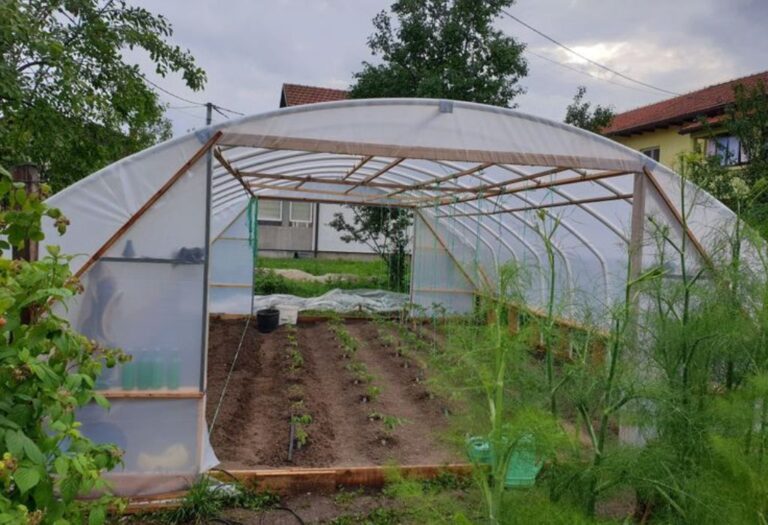
Placement matters because laws often require that plants are not plainly visible from public view. Fencing, sheds, greenhouses, or strategic co-planting for privacy are common solutions.
Many rules also say plants must be in an enclosed, locked space and kept inaccessible to persons under 21. A backyard greenhouse or locked side yard can satisfy both privacy and security.
Does public view include sidewalks and second-story windows?
Agencies often treat any public vantage as public view and expect shielding.
Is a simple fence enough?
Use a fence plus a lockable gate or enclosure to meet enclosed, locked-space language.
Can plants go in the front yard?
Front yards commonly fail the not-visible requirement unless fully screened.
Do agencies suggest co-planting for odor and privacy?
Yes, aromatic companion plants and hedges are often suggested to reduce visibility and scent.
Landlords, HOAs, and Rental Agreements When You Plant Weed
Even where home cultivation is legal, leases and HOA bylaws can restrict growing or impose nuisance controls. Associations and landlords commonly use odor and property-risk clauses to enforce rules.
Some places discuss landlord authority directly in program overviews, while specific medical exceptions may exist. Always seek written permission before starting an outdoor cannabis grow at a rental.
Can a landlord prohibit cultivation in a legal state?
Yes, many leases prohibit growing due to risk, odor, and property concerns.
Can an HOA fine for odor or visibility?
HOAs often enforce nuisance and appearance rules under community covenants.
Does medical status guarantee cultivation rights?
Not always, and rules vary by jurisdiction.
Is written permission necessary for renters?
Written approval helps avoid disputes, penalties, or eviction risk.
Safety, Kids, Pets, and Environmental Risks in the Garden

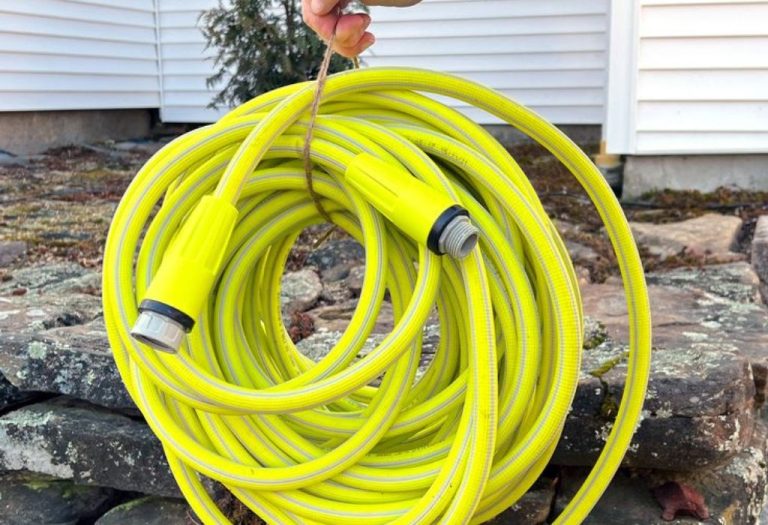
Outdoor cannabis attracts curiosity, so locked enclosures and out-of-view placement are child-safety basics. Keep irrigation gear tidy, avoid trip hazards, and store tools securely.
Buds can suffer from mold and mildew in cool, wet, or humid conditions, especially during flowering. Extension guidance emphasizes airflow, spacing, and timely scouting.
Is botrytis a real outdoor risk?
Yes during wet spells or heavy dew, so maintain airflow and inspect buds often.
Can runoff or fertilizer harm the landscape?
Misuse can damage soils and nearby planting beds.
Are powered devices outdoors risky?
Any electric accessory adds fire or shock risk if misused or poorly protected.
How to limit access by children and pets?
Use a locked, enclosed space and avoid attractants near the grow.
Neighbor Relations, Odor Control, and Nuisance Rules
The fastest way to lose neighbor goodwill is odor, visibility, or noise around the garden. Reasonable odor mitigation and non-visible placement reduce nuisance complaints.
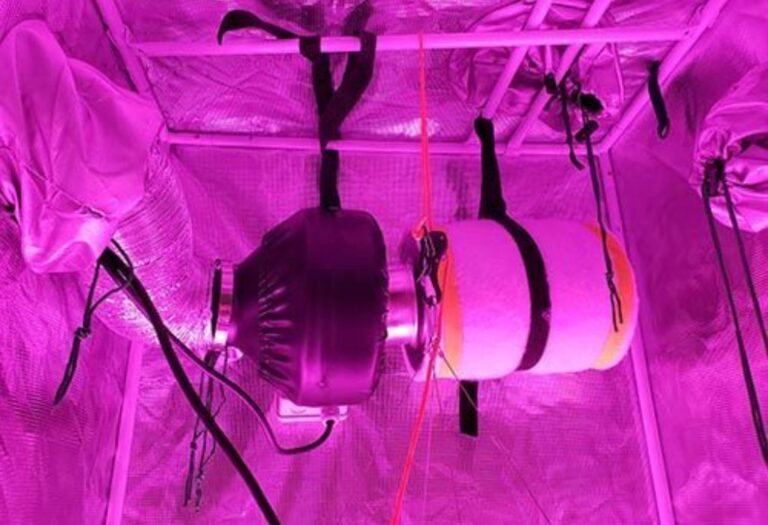
Research on cannabis odor explains why communities set mitigation expectations for home and commercial grows. Carbon filtration indoors and strategic co-planting or windbreaks outdoors help manage smells during flowering.
Can odor lead to complaints or penalties?
Yes where nuisance rules exist, so plan mitigation before flowering.
What reduces smell in gardens?
Co-plant aromatic species, improve airflow, and time watering to minimize intensity.
Are carbon filters only for indoor growing?
They are typical indoors, but enclosed outdoor sheds sometimes use filtration.
Do certain strains smell stronger?
Terpene-heavy cultivars can be more noticeable and require more mitigation.
Security and Theft Prevention for Outdoor Cannabis
Flowering plants can be targets near harvest, so invisibility and layered security matter. Use locking gates, motion lights, and cameras, and avoid publicizing your garden online.
Some municipalities add limits on where plants can be grown within residential structures or common areas. Review city codes for multifamily rules that bar cultivation in shared spaces.
Is theft common for outdoor plants?
Late-season theft risk increases when buds swell and odor rises.
Do motion lights deter opportunists?
Lights and cameras reduce casual trespass and help document incidents.
Should grow locations be shared online?
Avoid posting identifiable photos or geotags of the garden.
Do taller fences help?
Tall, opaque fencing paired with a lock is a standard recommendation.
Pests, Cross-Pollination, and Local Agriculture
Outdoor cannabis can attract mites, aphids, caterpillars, and borers. Extension programs emphasize scouting and integrated pest management to keep pressure low.
Cross-pollination from hemp or male cannabis can seed flowers and reduce quality. Pollen drift risk varies by wind, distance, and landscape barriers.
Which pests attack outdoor cannabis?
Hemp borers, aphids, mites, and caterpillars are common threats in field settings.
Can nearby hemp affect a home garden?
Pollen drift can seed female flowers and reduce bud quality.
Do beneficial insects and traps help?
Integrated pest management reduces chemical inputs while keeping populations in check.
Is there a universal safe distance from hemp fields?
There is no universally established distance, so more separation is better where possible.
Seeds, Clones, and Record-Keeping to Stay Compliant
Buy seeds or clones from legal sources where required, and retain receipts or labels. Document plant counts, stages, and dates to show compliance if asked.
Avoid interstate shipment if your jurisdiction restricts it and remember that federal law still applies nationally. Keep labels with strain names and dates to track mature versus immature plants.
Are seeds legal everywhere?
No, availability and legality depend on state rules and licensing.
Is interstate shipping safe?
Crossing state lines can carry legal risk even if both states have programs.
Why keep receipts and tags?
Paperwork helps confirm legal purchase and plant counts during inspections.
Do labels matter for stages?
Tag mature and immature plants to respect stage-based limits.
Penalties, Enforcement, and Changing Laws
Exceeding plant limits or violating visibility and security rules can result in fines or criminal penalties. Some municipalities restrict outdoor growing entirely through nuisance or zoning codes.
National policy has not eliminated federal prohibitions on personal cultivation. State reforms continue to evolve each year, so always check for updates before planting.
What happens if limits are exceeded?
Penalties range from civil fines to criminal charges depending on location.
Does federal rescheduling automatically legalize home grows?
No, federal changes do not automatically authorize state home cultivation.
Can cities forbid outdoor cultivation?
Some do through nuisance, visibility, or zoning provisions.
Are laws still changing yearly?
Yes, track official state agency pages for the latest rules.
Practical Checklist To Plant Weed In a Garden Legally and Safely

Confirm whether can i plant weed in my garden is legal by checking state law, municipal code, and agency FAQs. Note plant counts, mature versus immature definitions, and household caps.
Get written landlord or HOA permission if applicable, and save it with your records. Purchase seeds or clones from lawful sellers where required.
Choose a site out of public view and create an enclosed, locked space. Add a privacy fence or greenhouse and a lockable gate for compliance and security.
Plan odor mitigation before flowering with airflow, co-planting, or filtration where practical. Share a friendly heads-up with close neighbors to reduce complaints.
Scout weekly for pests and signs of mold, and use integrated pest management. Track watering and avoid runoff to protect soil and nearby plants.
What is the very first step?
Verify the exact local law and plant limits for your residence.
What paperwork should be kept?
Keep lease permissions, receipts, and plant labels for proof of compliance.
How can neighbors be kept happy?
Use privacy screening and odor mitigation before flowering begins.
Is a locked gate alone enough?
Combine locks with fencing and non-visible placement for best compliance.
Where To Add 2–3 Extra Statistics For Authority
Cite a concrete plant-limit example from a state authority to give readers a numeric anchor. Reference a state FAQ noting not visible from public view and enclosed, locked space so readers understand the placement standard.
Include a pest or disease datapoint from an extension source to show seasonality or risk. A short note on botrytis risk during cool, wet weather reinforces prevention steps.
Conclusion
The answer to can i plant weed in my garden depends on your exact jurisdiction, but compliant outdoor cultivation is possible with careful planning. Confirm plant counts and visibility rules, secure landlord or HOA permission, and design for privacy, odor control, and safety before planting.
Good neighbor relations, locked enclosures, and consistent scouting keep the garden peaceful and productive. Recheck official pages each season so the garden stays lawful as policies evolve.

I’m Maya L. Greenwood, a lifelong plant lover who believes anyone can grow something beautiful with the right guidance. After years of testing soil mixes, pruning methods, irrigation tricks, and pest-safe solutions, I started EasyGardenTips.com to turn hard-won lessons into step-by-step advice. From seed starting and container gardens to composting and seasonal checklists, my goal is to make gardening simple, sustainable, and fun.