Why Is Raised Bed Soil Different? Mix, Texture, and Drainage
Raised bed soil is different because it is usually blended to provide a loose, well-draining growing medium that retains enough moisture and…

Raised bed soil is different because it is usually blended to provide a loose, well-draining growing medium that retains enough moisture and…
No, raised bed soil is not always the same as garden soil, although both can contain similar ingredients and support the same…
No, raised bed soil is not generally the same as potting soil. Raised bed soil is usually designed for larger garden beds,…
Yes, you can use raised bed soil in the ground for growing vegetables, flowers, and other garden plants. Most raised bed soil…
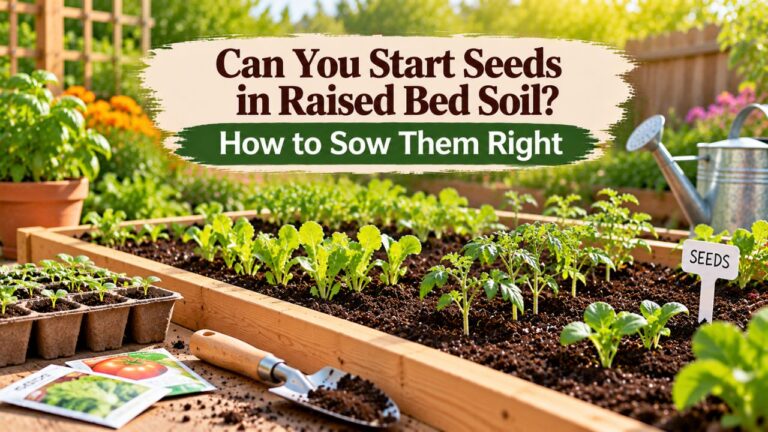
Yes, you can start seeds directly in raised bed soil, provided the soil is loose, well-draining, and suitable for germination. Most vegetable…
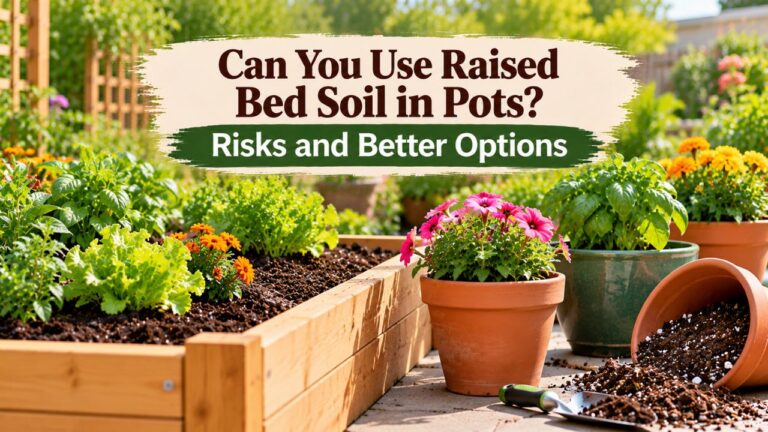
Yes, you can use raised bed soil in pots if the mixture is lightweight, well-aerated, and drains properly. However, many raised-bed soil…
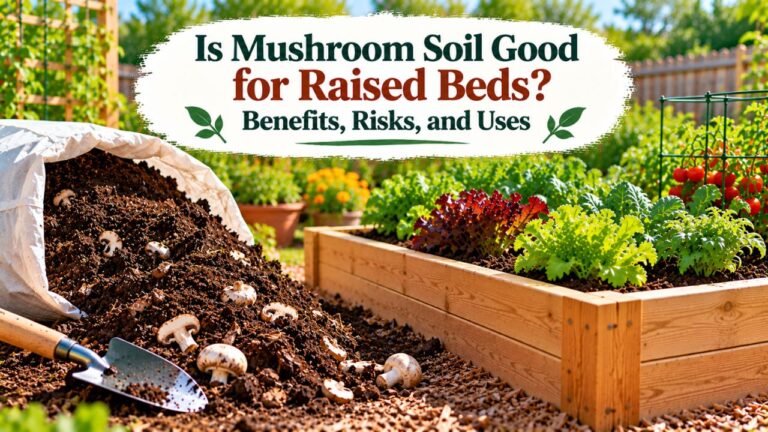
Yes, mushroom soil can be good for raised beds when it is properly aged and mixed with suitable garden soil. It adds…
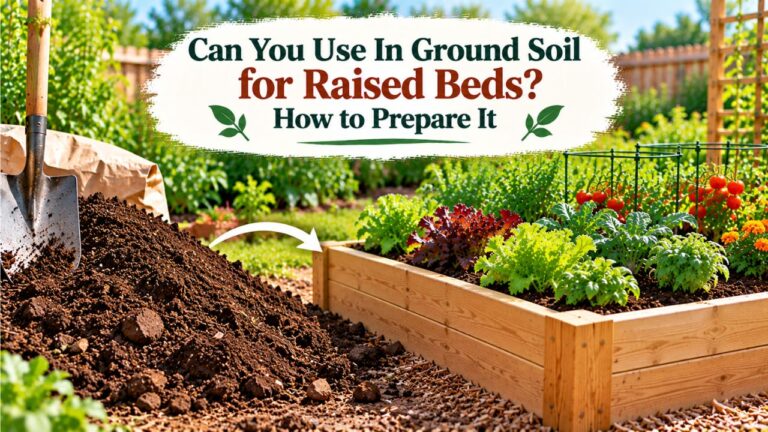
Yes, you can use in-ground soil for raised beds, provided the soil is clean, reasonably loose, and drains well. You don’t have…
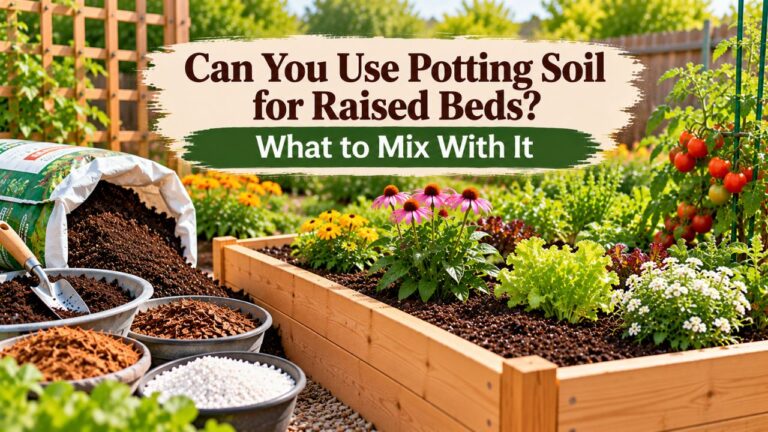
Yes, you can use potting soil for raised beds, but it generally isn’t the best choice for filling a traditional open-bottom raised…
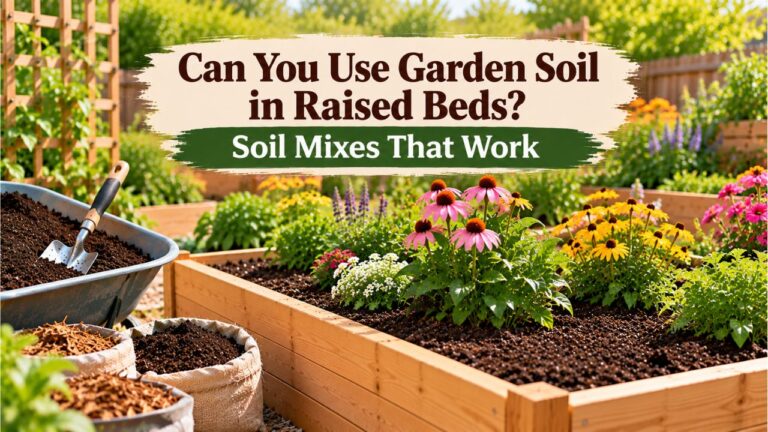
Yes, you can use garden soil in raised beds, provided it is clean, well-draining, and suitable for growing plants. Good-quality garden soil…
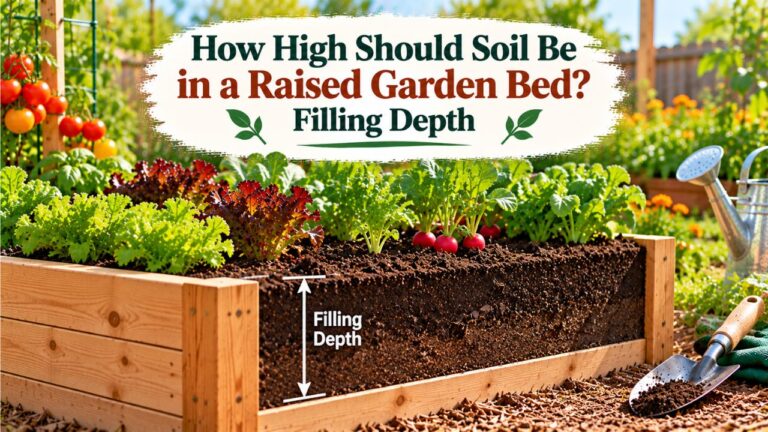
The soil in a raised garden bed should generally sit 1–2 inches below the top edge of the frame after settling. This…
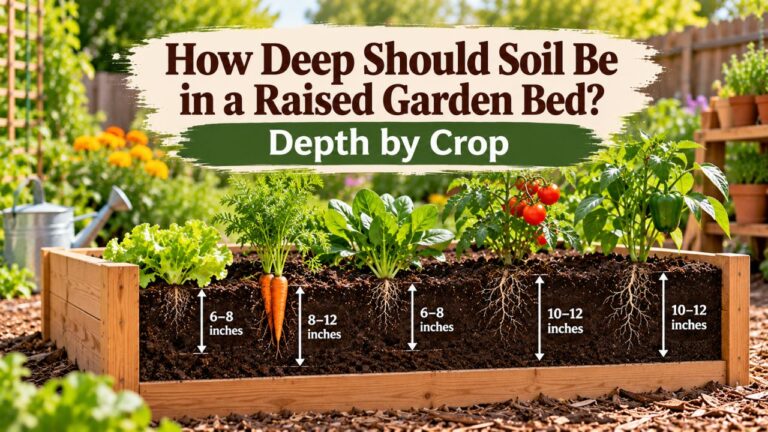
Raised garden bed soil should generally be 12–18 inches deep for growing a variety of vegetables. However, 8–12 inches can be sufficient…