What Is a Raised Garden Bed? Types, Benefits, and How It Works
A raised garden bed is a growing area where soil is elevated above the surrounding ground, usually inside a frame made from…

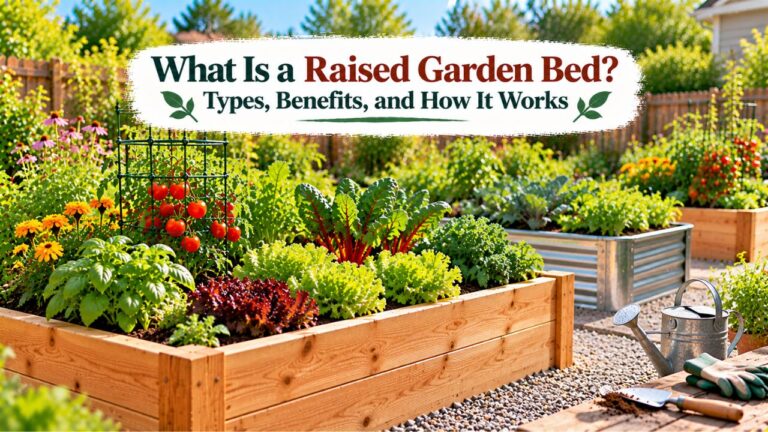
A raised garden bed is a growing area where soil is elevated above the surrounding ground, usually inside a frame made from…
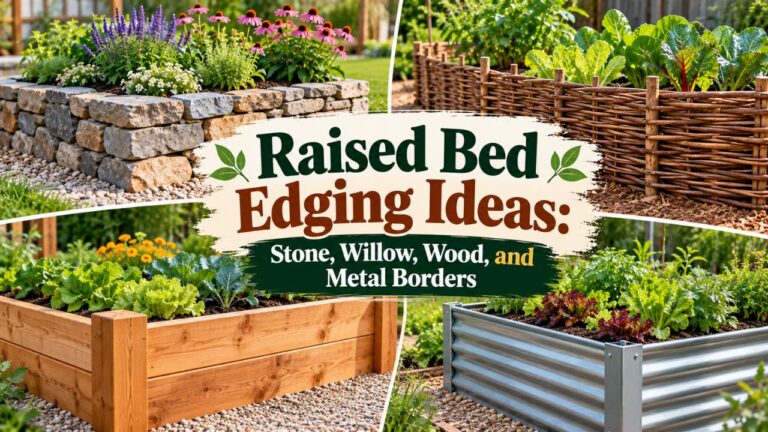
Raised bed edging is a border that defines a garden bed, helps contain soil, and creates a neat separation between planting areas…
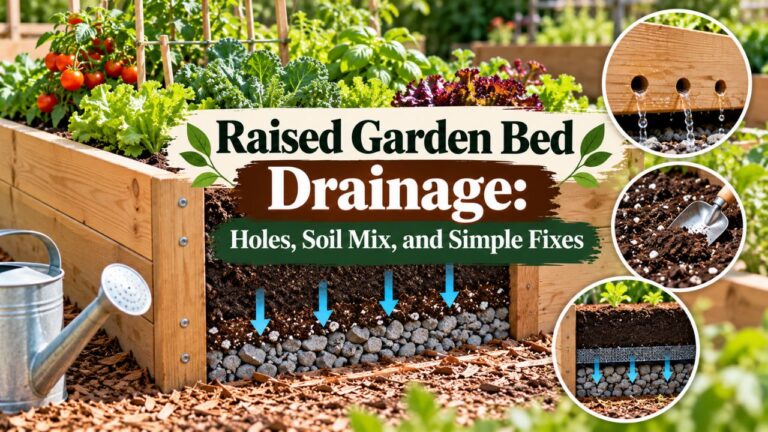
Raised garden bed drainage works best when excess water can move through loose, well-structured soil and escape through an open bottom or…
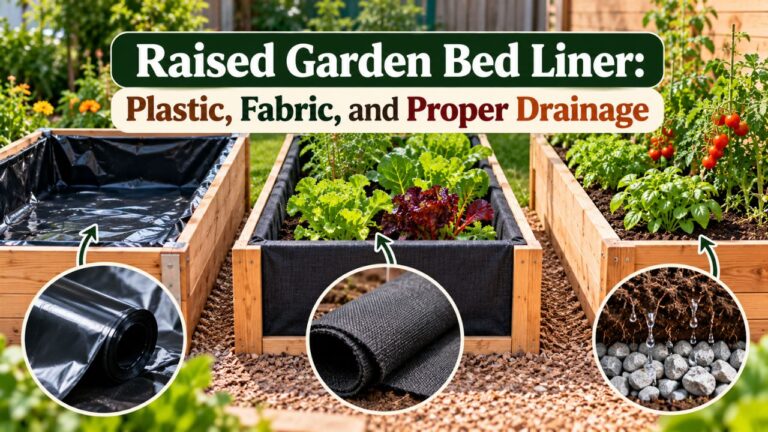
A raised garden bed liner is optional for most open-bottom garden beds, but it can help protect wooden sides, contain soil, or…
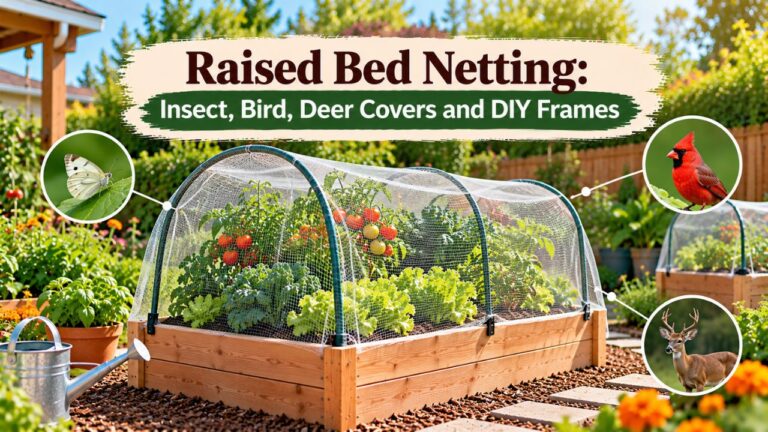
Raised bed netting is a protective mesh installed over or around raised garden beds to keep insects, birds, and larger animals away…
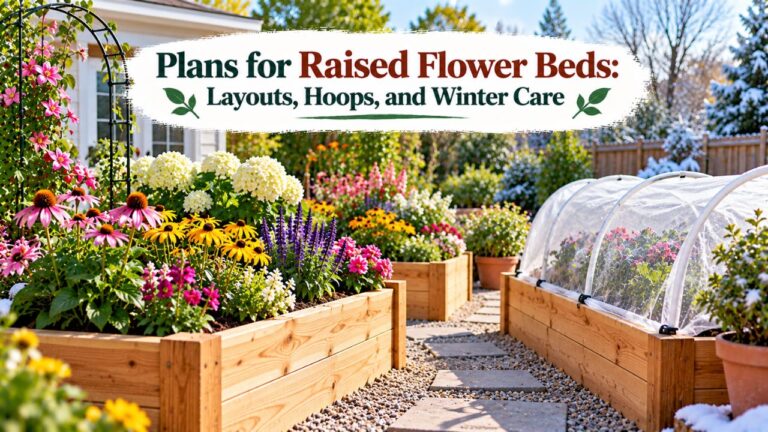
The best plans for raised flower beds combine a manageable bed width, enough soil for flower roots, reliable drainage, and a layout…
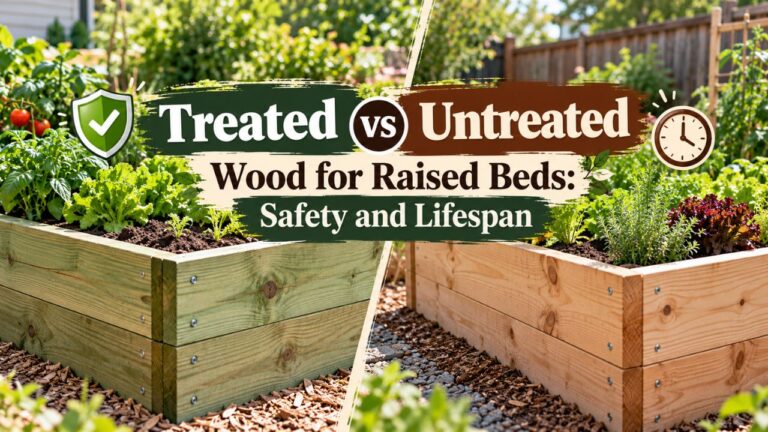
Pressure-treated wood generally lasts longer in raised garden beds because preservatives protect it against fungal decay and wood-damaging insects. Untreated wood avoids…
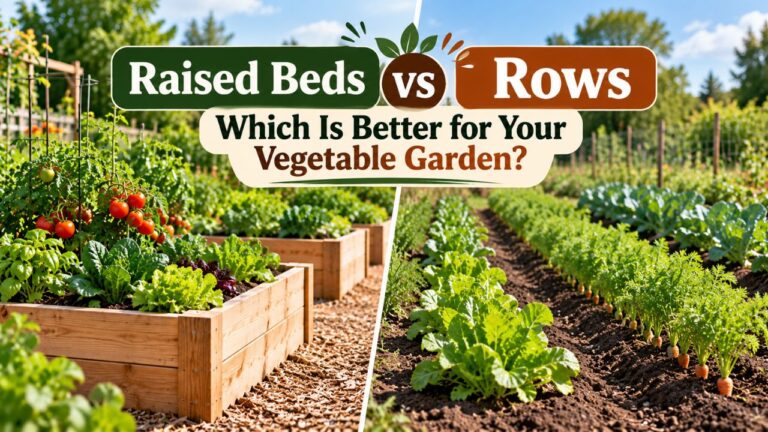
Raised beds are generally better for small vegetable gardens, intensive planting, improved drainage, and easier soil management, while traditional garden rows are…
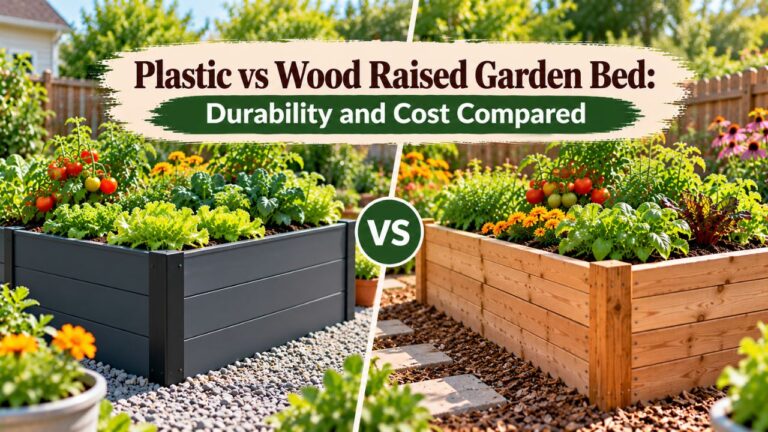
Wood raised garden beds are generally better for affordability, natural appearance, and customization, while quality plastic raised beds are better for rot…
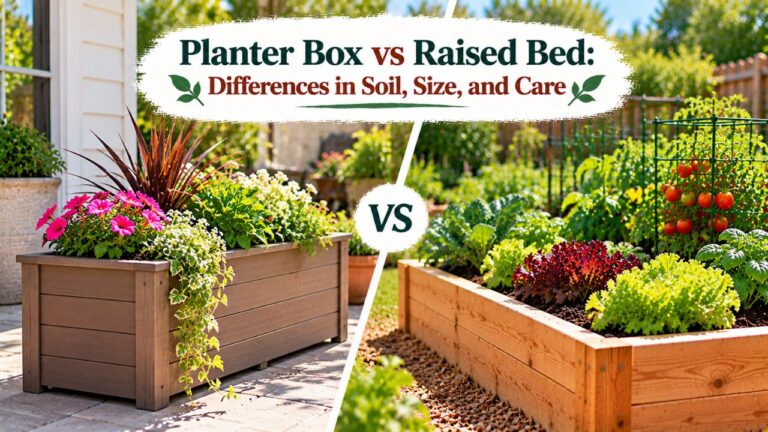
The main difference between a planter box and a raised bed is that a planter box usually has an enclosed bottom, while…
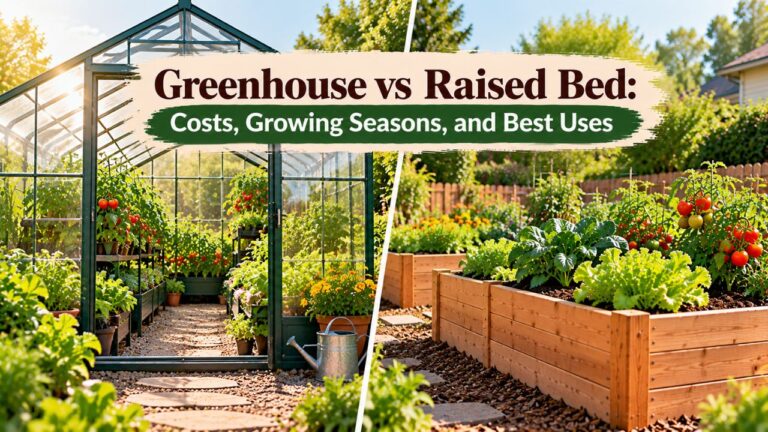
The main difference between a greenhouse and a raised bed is that a greenhouse protects plants by managing their growing environment, while…
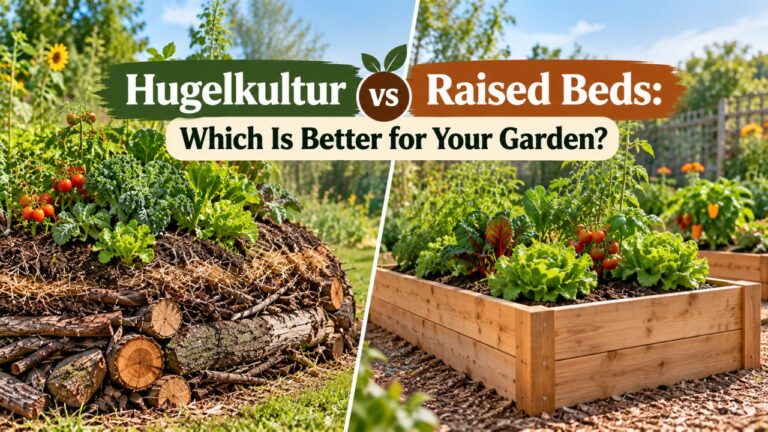
Traditional raised beds are generally the better choice for gardeners who want predictable soil conditions, easier planting, and straightforward maintenance. Hugelkultur is…