How to Prepare the Ground for a Raised Garden Bed: Step-by-Step
To prepare the ground for a raised garden bed, choose a sunny, well-drained location, remove or suppress existing grass and weeds, check…

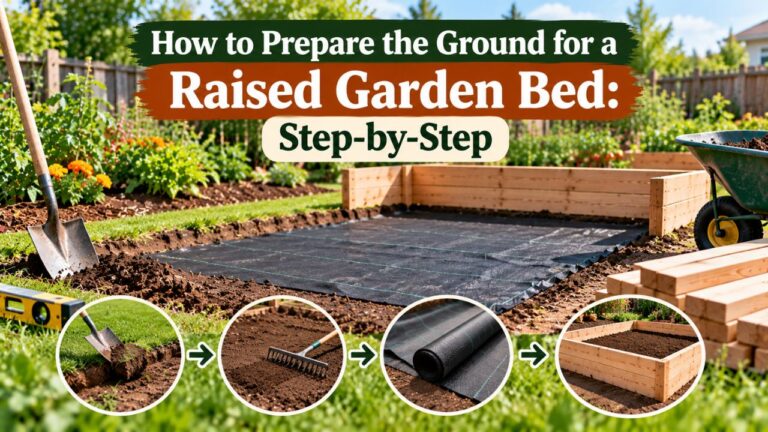
To prepare the ground for a raised garden bed, choose a sunny, well-drained location, remove or suppress existing grass and weeds, check…
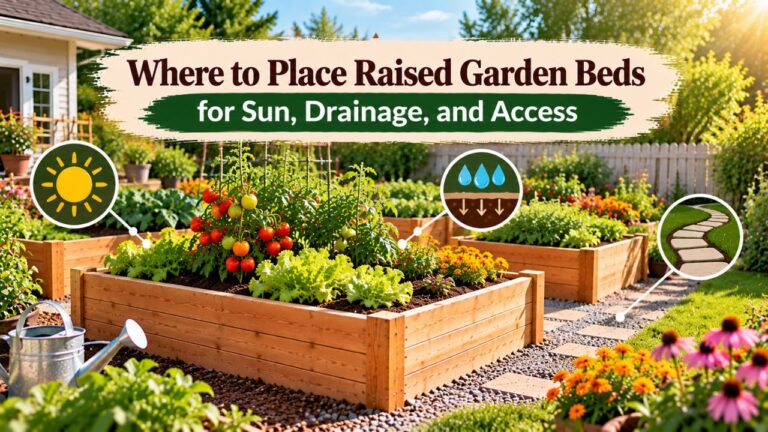
The best place for raised garden beds is a level, well-drained area that receives at least 6–8 hours of direct sunlight daily,…
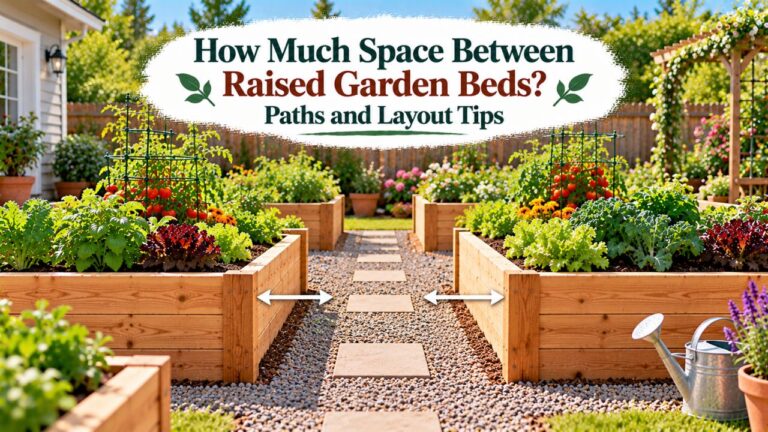
Leave approximately 2 to 3 feet (24 to 36 inches) between raised garden beds for comfortable walking, weeding, and general maintenance. A…
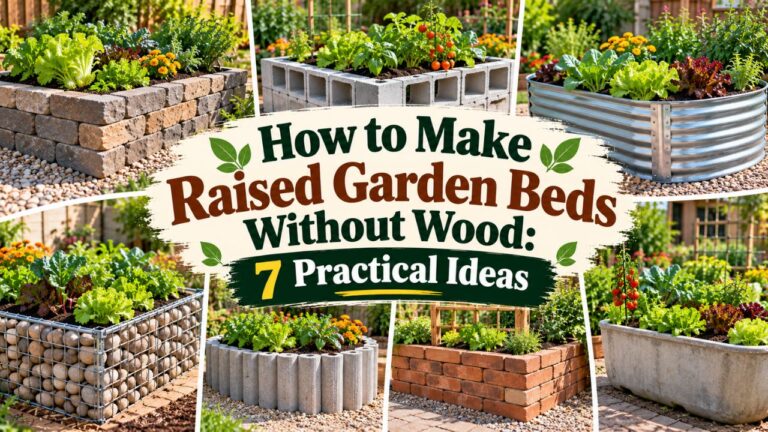
You can make raised garden beds without wood by using galvanized steel, concrete blocks, natural stone, bricks, recycled plastic, fabric planters, or…
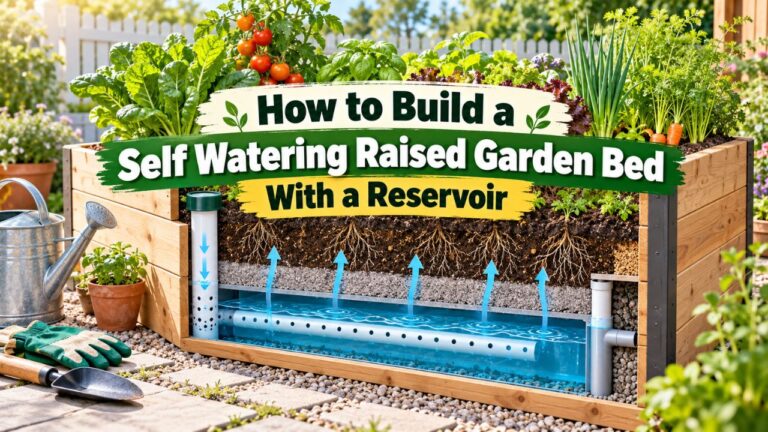
To build a self watering raised garden bed, construct a sturdy garden frame, line the bottom with waterproof material, create a water…
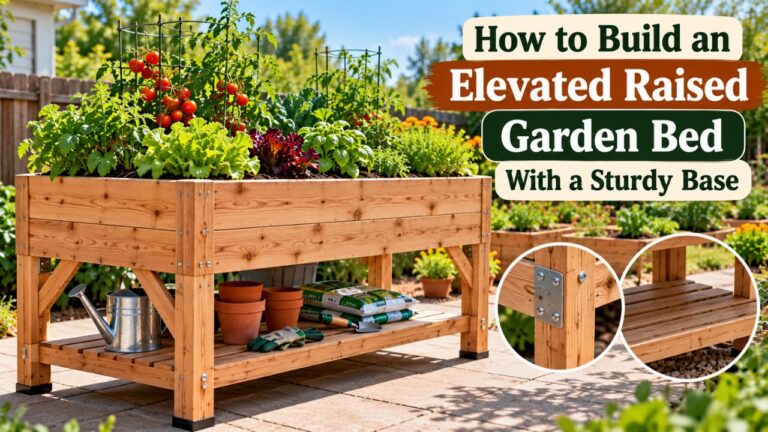
To build an elevated raised garden bed, construct a sturdy wooden planter box, support it with reinforced legs, install a strong bottom…
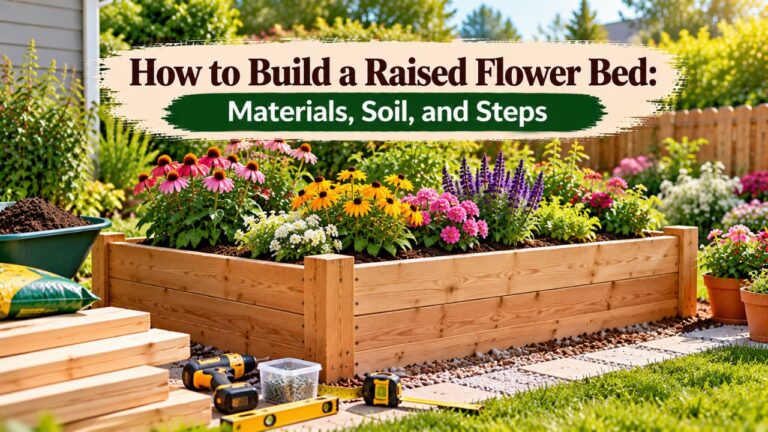
To build a raised flower bed, choose a suitable location, construct a sturdy wooden, metal, or stone frame, fill it with well-draining…

Cedar is one of the best materials for raised garden beds because it naturally resists decay, is easy to build with, and…
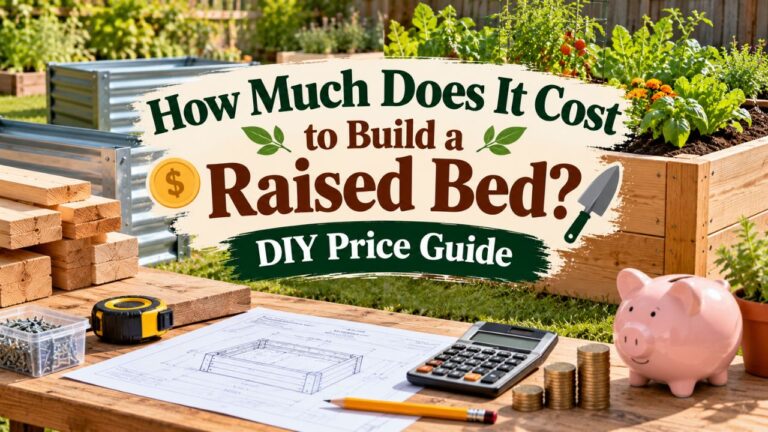
Building a basic 4-by-8-foot raised garden bed in the United States typically costs approximately 160–450 when you do the work yourself and…
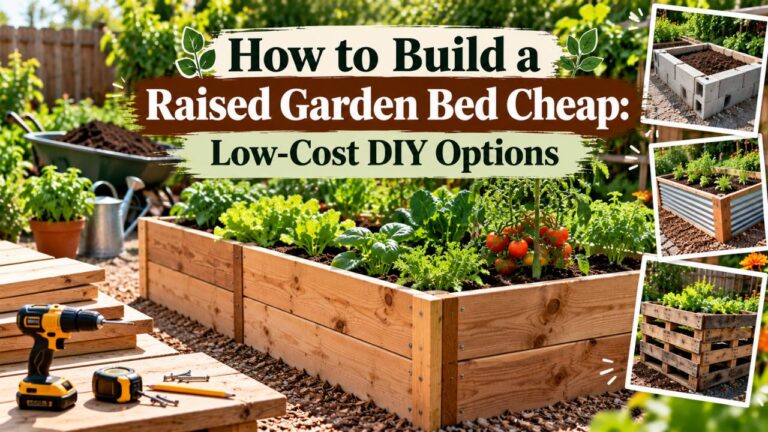
The cheapest way to build a raised garden bed is to create an unframed soil mound or construct a simple wooden frame…
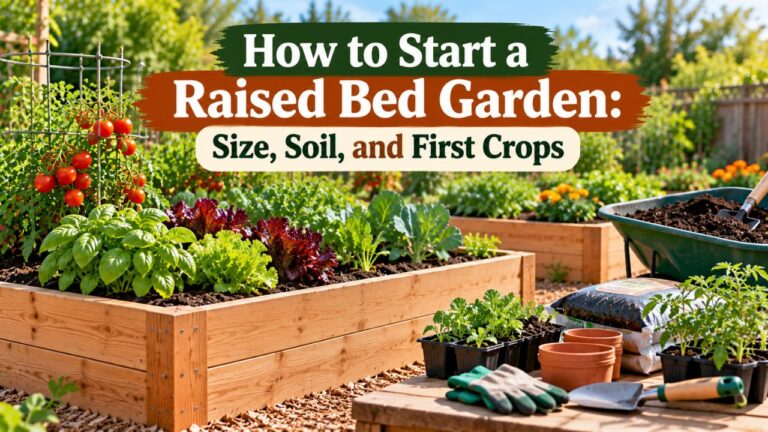
To start a raised bed garden, choose a sunny location, select a manageable bed size, prepare the ground, build or install the…
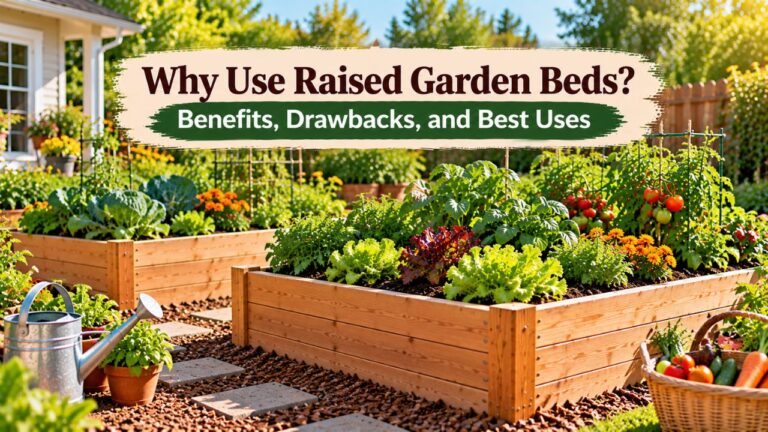
Raised garden beds are used to improve soil quality, increase drainage, reduce soil compaction, and make planting and harvesting easier. They are…