Why Use Raised Garden Beds? Benefits, Drawbacks, and Best Uses
Raised garden beds are used to improve soil quality, increase drainage, reduce soil compaction, and make planting and harvesting easier. They are especially useful when existing garden soil is rocky, compacted, poorly drained, or unsuitable for growing vegetables.
Unlike traditional in-ground gardens, raised beds provide a defined planting area filled with soil that can be selected or improved for specific crops. Their elevated design also allows gardeners to work at a more comfortable height while keeping foot traffic away from plant roots.
However, raised beds aren’t automatically better than planting directly in the ground. They require construction materials, additional growing medium, and sometimes more frequent watering during hot weather.
Whether they’re worth building depends on your soil conditions, available space, gardening goals, and maintenance preferences.
Understanding the benefits and limitations helps you decide whether raised beds will solve an actual gardening problem or simply add unnecessary expense to a yard that already has productive soil.
Why Use Raised Garden Beds Instead of Planting in the Ground?
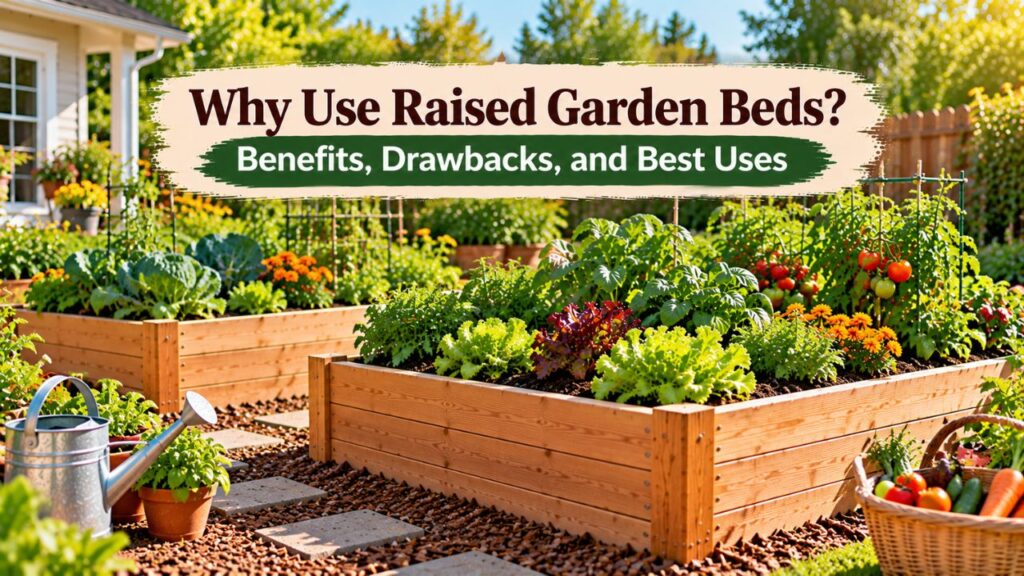
The main reason to use raised garden beds is to create a more manageable growing environment when existing ground conditions are less than ideal.
A traditional raised bed is an area of soil elevated above the surrounding ground, often enclosed by wood, metal, stone, or another framing material.
Most conventional raised beds have open bottoms, allowing roots to extend into the underlying ground.
The raised structure provides greater control over the growing medium, planting arrangement, and access to the garden.
Raised Garden Beds vs. In-Ground Gardens
| Feature | Raised Garden Beds | In-Ground Gardens |
| Soil quality | Easier to establish an improved growing layer | Depends on existing soil and amendments |
| Drainage | Often improved by elevation and suitable soil | Depends on native soil conditions |
| Soil temperature | Often warms earlier in spring | Usually changes temperature more slowly |
| Compaction | Reduced when gardeners use surrounding paths | Depends on foot traffic and bed design |
| Accessibility | Can provide a higher working surface | Usually requires ground-level work |
| Initial cost | Higher when frames and imported soil are needed | Often lower with suitable existing soil |
| Watering | May dry faster during hot weather | Often has access to a larger soil moisture reserve |
| Layout | Defined planting spaces | More flexible planting arrangements |
Both systems can support healthy, productive gardens.
Raised beds provide the greatest advantage when their design addresses a specific limitation of the existing garden.
Raised Garden Beds Improve Control Over Soil Quality
One of the strongest reasons to use raised beds is the ability to establish a suitable growing medium without completely rebuilding the soil across an entire yard.
This is particularly useful in properties with compacted, rocky, shallow, or otherwise difficult garden soil.
Grow Vegetables Above Poor Native Soil
Vegetables need an appropriate balance of moisture, oxygen, nutrients, and rooting space.
Heavy clay soil may remain saturated after rainfall, while very sandy soil can lose moisture quickly.
A raised bed allows you to introduce an improved growing mixture above those conditions.
For example, a suitable blend of quality topsoil and finished compost can provide a more workable planting layer than heavily compacted ground.
However, the original soil still matters.
In open-bottom raised beds, roots can extend below the frame. If the underlying ground is extremely compacted or poorly drained, those conditions can continue affecting plant growth.
Improve Soil Structure Without Reworking the Entire Yard
Improving a large garden area may require substantial digging, soil amendments, and time.
A raised bed concentrates that work into a smaller planting area.
You can improve the growing medium where vegetables will actually grow instead of modifying every section of the yard.
This approach is useful when establishing a vegetable garden on previously unused ground.
Once the bed is established, the soil can often be maintained through periodic testing, appropriate amendments, and protection from compaction.
Garden in Areas With Potential Soil Contamination
Raised beds can provide a way to grow plants in areas where existing soil may contain harmful contaminants.
However, simply placing an open-bottom raised bed over contaminated ground does not guarantee that food crops will be protected.
Roots may grow into the underlying soil, and contaminated particles can enter the new growing medium through disturbance or mixing.
Where contamination is known or suspected, identify the contaminants and use an appropriate design with clean imported soil and suitable separation from the underlying ground.
Local cooperative extension services or environmental agencies can help determine whether additional testing or protective measures are necessary.
Raised Garden Beds Provide Better Drainage
Improved drainage is another major advantage of raised-bed gardening.
Many vegetables struggle when their roots remain in saturated soil for extended periods.
Raising the planting area can help excess water move away from the upper root zone, particularly when the growing medium has a suitable structure.
Reduce Problems With Waterlogged Soil
Low-lying gardens can collect water after heavy rainfall.
If the ground drains slowly, plant roots may remain without enough oxygen.
A raised bed can provide additional rooting space above the wettest portion of the ground.
According to the University of Maryland Extension’s raised-bed gardening guidance, properly prepared raised beds can improve drainage, reduce waterlogging problems, and provide favorable rooting conditions.
However, these benefits depend on the growing medium and site conditions.
A raised bed containing compacted soil or sitting over an impermeable surface without proper drainage can still become waterlogged.
Improve Growing Conditions for Root Vegetables
Carrots, beets, radishes, and other root crops benefit from soil that allows their roots to develop without substantial physical resistance.
A raised bed filled with loose, suitable growing medium can help provide these conditions.
For example, carrots grown in soil containing large stones or compacted layers may develop misshapen roots.
An improved raised growing layer can reduce those physical obstacles.
The benefit comes from the quality and depth of the growing medium, not simply from having a wooden or metal frame around it.
Raised Garden Beds Warm Up Earlier in Spring
Raised beds often warm faster in spring than surrounding ground-level soil.
Their elevated surfaces and exposed sides can respond more quickly to warmer air and sunlight.
This can create an opportunity to begin certain planting activities earlier in suitable climates.
Start Cool-Season Vegetables Earlier
Cool-season vegetables such as lettuce, spinach, peas, and radishes can benefit from workable soil early in the growing season.
Raised beds may become suitable for planting sooner than nearby ground that remains cold and wet.
The University of Minnesota Extension’s raised-bed gardening guide identifies earlier spring warming as a benefit of raised-bed gardening.
However, soil temperature is only one factor affecting planting time.
Air temperature, frost risk, moisture, and the temperature requirements of individual crops still matter.
Extend the Useful Growing Season
In some climates, earlier soil warming allows gardeners to begin planting sooner.
Raised beds are also convenient structures for installing removable hoops and row covers.
These coverings can help protect certain crops from cold weather when used appropriately.
However, raised beds do not eliminate frost damage or guarantee an extended growing season.
The actual benefit depends on local weather, crop selection, and the protection provided.
Consider Excess Heat During Summer
Faster warming is not always beneficial.
During hot weather, elevated soil can heat and dry more quickly than surrounding ground.
This may increase watering requirements and stress plants that prefer cooler root conditions.
Applying suitable organic mulch, checking soil moisture, and using appropriate irrigation can help manage these conditions.
Raised Beds Reduce Soil Compaction
Soil compaction occurs when pressure pushes soil particles closer together, reducing the spaces available for air and water.
Compacted soil can restrict root development and limit water movement.
Raised beds help prevent this problem by separating the planting area from walking paths.
Keep Foot Traffic Away From Plant Roots
In a traditional garden, gardeners may accidentally step on planting soil while weeding, watering, or harvesting.
A properly designed raised bed provides access from surrounding paths.
Because the growing surface doesn’t need to support regular foot traffic, its structure can remain more favorable for root development.
This is particularly useful in vegetable gardens that require frequent maintenance.
Maintain Loose Soil With Less Digging
When soil is protected from foot traffic and excessive disturbance, it may require less frequent loosening.
Organic matter, roots, and soil organisms can contribute to maintaining soil structure.
However, raised beds can still develop compaction problems from working wet soil, applying excessive pressure, or using unsuitable growing materials.
Avoid standing on the bed and disturbing saturated soil unnecessarily.
The main advantage is preventing compaction, rather than repeatedly correcting it after it occurs.
Raised Garden Beds Make Gardening Easier to Access
Raised beds can reduce bending and make garden tasks more comfortable when built at an appropriate height.
The benefit depends on the gardener’s physical needs and the dimensions of the structure.
Reduce Bending During Planting and Harvesting
A raised planting surface brings plants closer to a comfortable working height.
This can make tasks such as planting seedlings, removing weeds, and harvesting vegetables more convenient.
A low raised bed provides only a modest height increase, while a taller bed can reduce bending more substantially.
However, taller beds require stronger construction and more filling material.
Choose the height according to the actual working position rather than assuming that the tallest possible bed is best.
Improve Access for Gardeners With Limited Mobility
Raised beds can be designed for people who have difficulty kneeling or working at ground level.
Elevated planters may provide additional access for gardeners who prefer to work while seated.
Wheelchair accessibility requires particular attention to:
- Working height.
- Comfortable reaching distance.
- Space beneath or beside the planting area.
- Stable surrounding paths.
- Sufficient clearance for movement.
A standard tall raised bed is not automatically wheelchair-accessible.
The design should accommodate the gardener’s needs and the way the structure will be used.
Make Regular Garden Maintenance More Convenient
Defined planting beds can simplify routine tasks.
A gardener can access plants from the surrounding paths without walking through the growing area.
This arrangement helps when pruning, inspecting leaves, applying mulch, or harvesting vegetables.
It can also make irrigation lines and plant supports easier to organize.
Raised Beds Can Improve Productivity in Small Gardens
Raised beds can support productive vegetable gardens by providing a concentrated growing area with suitable soil conditions.
However, higher yields are not guaranteed simply because plants are growing above ground level.
Productivity still depends on sunlight, plant spacing, nutrition, watering, and pest management.
Use Available Growing Space Efficiently
Traditional row gardens may include walking space between individual planting rows.
A raised bed separates permanent walking paths from a defined growing area.
Vegetables can be arranged according to their mature size and actual spacing needs.
This can make it easier to use a limited garden area efficiently.
For example, a 4-by-8-foot raised bed provides 32 square feet of continuous planting space.
That area can accommodate several compatible vegetable crops when properly arranged.
Support Healthy Root Development
A suitable growing medium allows roots to explore the available soil volume more easily.
Better root development can improve a plant’s ability to obtain water and nutrients.
However, roots still need enough space, oxygen, and moisture.
Crowding plants too closely or allowing the growing medium to become excessively dry can reduce the expected benefits.
Organize Multiple Vegetable Crops
Separate raised beds can make it easier to organize crops by season, plant size, or gardening requirements.
For example, one bed might contain leafy greens while another supports tomatoes and peppers.
Using multiple beds can also simplify crop rotation when managing certain soilborne pests and diseases.
A clearly defined planting layout makes it easier to plan future growing seasons.
Raised Garden Beds Can Make Weed Management Easier
Raised beds are sometimes described as having fewer weed problems than in-ground gardens.
That can be true under certain conditions, but raised beds are not naturally weed-free.
Their advantage is that the growing area is smaller, more defined, and often easier to manage.
Begin With a Cleaner Growing Medium
A new raised bed filled with suitable purchased soil may initially contain fewer weeds than an established garden area.
However, weed seeds can still arrive through wind, compost, animals, and surrounding vegetation.
Using contaminated growing medium can also introduce unwanted weeds.
Use Mulch to Limit Weed Growth
A layer of suitable organic mulch can reduce light reaching weed seeds near the soil surface.
Mulch also helps protect soil moisture and moderate temperature changes.
Apply mulch at an appropriate thickness for the crops and keep it away from plant crowns when necessary.
Remove Weeds Before They Spread
The defined size of a raised bed makes it easier to inspect the growing area regularly.
Small weeds can often be removed before their roots become extensive or they produce seeds.
However, persistent perennial weeds may still grow into open-bottom beds from the underlying ground.
The raised structure itself is not a permanent weed barrier.
Raised Garden Beds Create a More Organized Garden Layout
Raised beds provide clear boundaries between planted areas and walking paths.
This can be useful for small backyards, front-yard vegetable gardens, and areas with multiple planting zones.
Keep Soil Inside Defined Planting Areas
Framed beds hold growing medium within a specific area.
This can help limit soil movement into surrounding paths, especially when beds are maintained and mulched appropriately.
However, poorly constructed beds can still lose soil through gaps, runoff, or erosion.
On sloping ground, additional site preparation may be necessary.
Customize the Garden to Available Space
Raised beds can be constructed in different shapes and dimensions.
Common designs include rectangular, square, U-shaped, and L-shaped beds.
The most suitable shape depends on the site’s dimensions, sunlight, and access.
A simple rectangular design is often easier to build and maintain than an unusually complicated layout.
What Are the Disadvantages of Raised Garden Beds?
Although raised beds provide several benefits, they also introduce costs and maintenance requirements.
These drawbacks are especially important when the existing garden soil is already suitable for planting.
Higher Initial Construction Costs
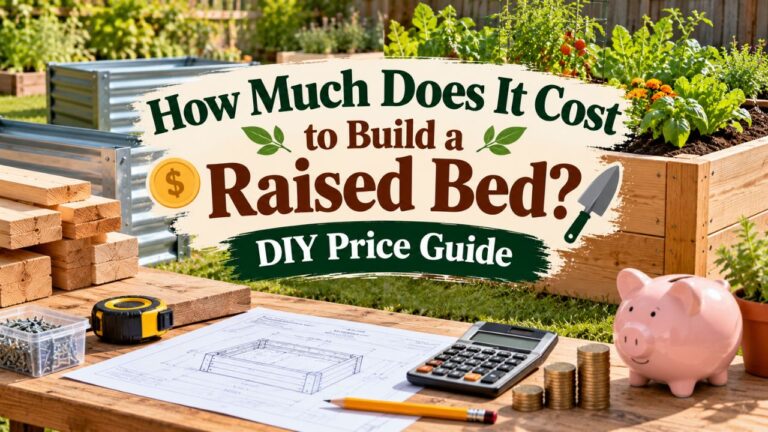
Raised beds may require lumber, metal panels, hardware, soil, compost, and other materials.
Larger or taller beds can require substantial quantities of growing medium.
For example, a 4-by-8-foot raised bed filled to a depth of 12 inches needs 32 cubic feet of soil, equivalent to approximately 1.19 cubic yards.
The cost of that material depends on local suppliers and whether it is purchased in bags or bulk.
An ordinary in-ground garden may be considerably less expensive to establish when the existing soil is already suitable.
More Frequent Watering in Hot Weather
Raised beds often dry faster because of their improved drainage and greater exposure to warm air.
This is particularly noticeable in shallow beds, sandy growing media, and areas with hot or windy summers.
Regular moisture monitoring is important.
Drip irrigation, soaker hoses, and organic mulch can help manage water use.
However, avoid assuming that every raised bed requires daily irrigation. Water according to actual soil moisture and plant needs.
Ongoing Maintenance of the Bed Frame
Wooden raised-bed frames may eventually rot or deteriorate.
Metal frames can also require inspection for damaged coatings, sharp edges, or structural problems.
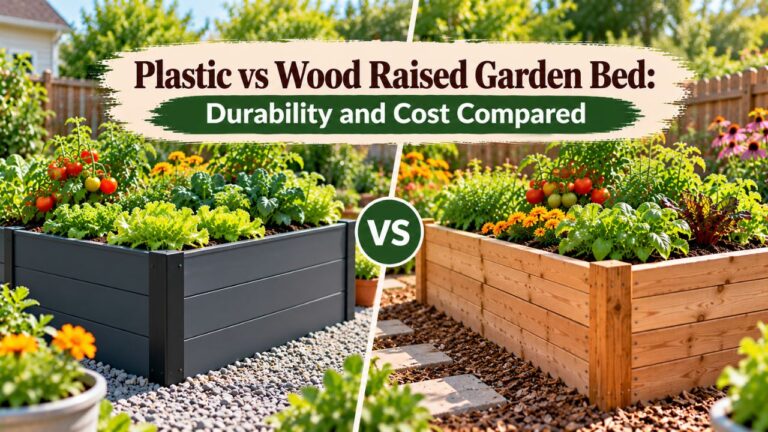
The durability of a raised bed depends on its materials, construction, drainage, and environmental conditions.
Replacing damaged boards or other structural components adds to long-term maintenance.
Limited Flexibility After Installation
A permanent raised bed is difficult to move once it contains a large amount of soil.
This means sunlight, drainage, access, and overall layout should be considered before construction.
An unsuitable location can reduce plant growth even when the bed contains excellent soil.
Raised beds are not a substitute for adequate sunlight or proper site selection.
When Are Raised Garden Beds Worth Using?
Raised beds are especially worthwhile when they solve a clear problem with the existing growing area.
The following situations help illustrate where they offer the greatest value.
| Gardening Situation | Are Raised Beds Worth Using? |
| Heavy, compacted garden soil | Often helpful |
| Poor drainage or seasonally wet ground | Often helpful with proper design |
| Healthy, loose, productive native soil | Optional rather than necessary |
| Small backyard vegetable garden | Often practical |
| Gardener needs a higher working surface | Useful with an accessible design |
| Extremely hot, dry climate | Possible, but watering needs extra attention |
| Limited gardening budget | In-ground gardening may cost less |
| Patio or paved growing area | Suitable enclosed planters may be preferable |
| Suspected contaminated ground | Possible with verified clean soil and appropriate isolation |
Raised Beds Are Especially Useful for Difficult Soil Conditions
When the existing ground is poorly drained, heavily compacted, or shallow, a raised bed can provide a better upper rooting environment.
This makes it easier to establish vegetables without extensively modifying the entire yard.
However, underlying drainage and contamination problems still require appropriate attention.
In-Ground Gardens May Be Better for Large Planting Areas
When the yard already has deep, fertile, well-drained soil, building raised beds may provide limited additional benefits.
Traditional in-ground gardening also avoids the cost of frames and large quantities of imported soil.
For large plantings of corn, pumpkins, or spreading crops, ordinary ground-level beds may be more practical.
Planter Boxes May Be Better for Patios and Balconies
Raised beds constructed directly over garden ground are different from enclosed planter boxes.
On concrete, balconies, and elevated decks, a planter with appropriate drainage and a suitable lightweight growing medium may be more convenient.
Large containers can become extremely heavy when wet.
Always verify structural load limits before placing substantial growing structures on elevated surfaces.
How to Choose Raised Garden Bed Dimensions
The dimensions of a raised bed affect accessibility, soil requirements, and plant growth.
A carefully sized bed is often easier to maintain than a larger structure that is difficult to reach.
Choose a Width You Can Reach Across
A width of approximately 3–4 feet is common for raised beds accessible from both sides.
This allows many gardeners to reach the center without stepping onto the soil.
If the bed is accessible from only one side, a narrower width is usually more practical.
Measure your comfortable reaching distance before choosing the final dimensions.
Select a Height Based on the Garden’s Needs
Low raised beds can improve soil conditions without requiring a large volume of imported material.
Taller structures may offer better working access or more growing depth.
For open-bottom beds, plant roots can continue into suitable native soil beneath the frame.
Enclosed raised planters need sufficient internal growing depth because roots cannot extend into the ground.
The best height depends on crop requirements, site conditions, and accessibility.
Choose a Suitable Growing Medium
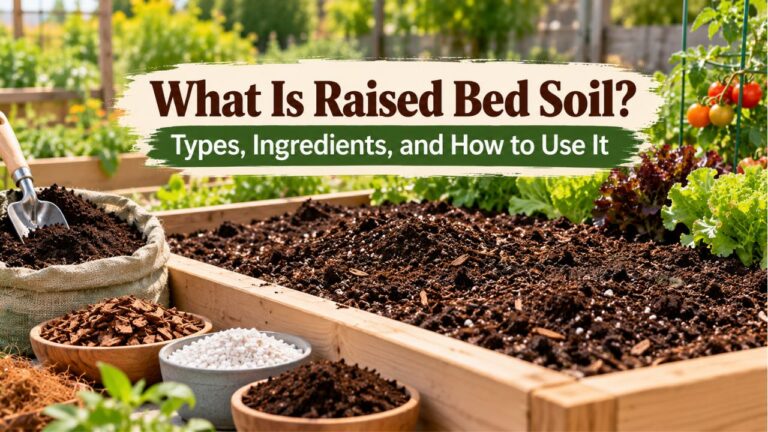
For most traditional open-bottom raised vegetable beds, a quality soil mixture containing suitable topsoil and finished compost can provide an effective growing environment.
Avoid using excessive compost or heavily compacted topsoil.
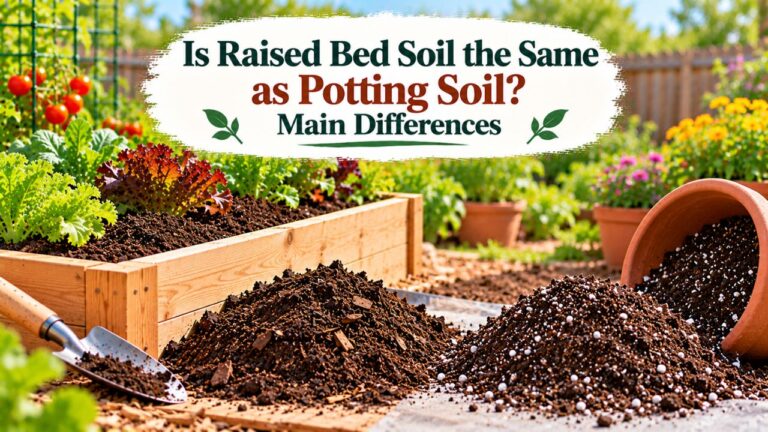
If the bed has a solid bottom, choose a growing medium designed for large containers and provide proper drainage.
Soil testing can help identify nutrient and pH adjustments rather than relying on unnecessary fertilizer applications.
Place Raised Beds Where Plants Receive Enough Sunlight
Most commonly grown fruiting vegetables, including tomatoes and peppers, perform best with substantial direct sunlight.
A location receiving at least 6–8 hours of direct sun is generally desirable for these crops.
Some leafy greens tolerate less sunlight.
Also consider access to irrigation, drainage, walking paths, and potential shade from nearby buildings or trees.
Conclusion
Understanding why use raised garden beds comes down to improving growing conditions and making gardening more manageable.
Raised beds offer better control over the planting medium, can improve drainage, reduce soil compaction, and provide easier access to vegetables and flowers.
They can also warm earlier in spring and help organize productive gardens in limited spaces.
However, they require an initial investment and may dry out more quickly than traditional in-ground gardens.
If your yard has poor soil, drainage problems, or difficult working conditions, raised beds can be a practical improvement.
If the existing soil is already healthy and productive, an ordinary in-ground garden may provide equally good results with less expense.
Choose raised beds when their specific benefits match the conditions of your garden rather than assuming that an elevated growing area is always necessary.
FAQs About Why Use Raised Garden Beds
Do Raised Garden Beds Produce More Vegetables?
Raised beds can produce more vegetables per unit of growing area when suitable soil, plant spacing, and management support healthy growth.
However, higher yields are not guaranteed.
Sunlight, watering, nutrients, pests, and crop selection still determine overall productivity.
Do Raised Garden Beds Need a Bottom?
Most traditional raised garden beds do not need a solid bottom.
An open bottom allows roots to extend into suitable native soil and lets water move into the ground beneath the bed.
Raised planters built on hard surfaces generally need a designed base and functional drainage system.
Can You Put a Raised Garden Bed Directly on Grass?
Yes. A raised bed can be installed over a grassy area.
Remove or suppress the existing vegetation before planting. Plain, uncoated cardboard can be used temporarily in some bed-preparation methods, although thick barriers may restrict water movement and roots until they decompose.
Make sure the new growing layer is deep enough for the intended crops.
Are Raised Garden Beds Good for Clay Soil?
Yes. Raised beds can provide a looser upper growing layer above clay-rich ground.
However, water may still accumulate if the underlying clay drains very poorly.
Assess the site’s drainage and avoid creating a raised bed that traps water around plant roots.
Do Raised Garden Beds Need New Soil Every Year?
No. Healthy raised-bed soil can remain productive for many growing seasons.
The growing medium may need occasional additions because of settling and organic matter decomposition.
Periodic soil testing and appropriate amendments are usually more practical than replacing all the soil annually.
Can You Grow Flowers and Perennials in Raised Garden Beds?
Yes. Raised beds can support annual flowers, perennial flowers, herbs, and suitable ornamental plants.
Choose species according to the bed’s sunlight, drainage, depth, and climate.
Perennials in raised beds may experience greater winter temperature fluctuations than plants in surrounding ground-level soil, especially in tall or exposed structures.

I’m Maya L. Greenwood, a lifelong plant lover who believes anyone can grow something beautiful with the right guidance. After years of testing soil mixes, pruning methods, irrigation tricks, and pest-safe solutions, I started EasyGardenTips.com to turn hard-won lessons into step-by-step advice. From seed starting and container gardens to composting and seasonal checklists, my goal is to make gardening simple, sustainable, and fun.