
How Often Should You Change Potting Soil? A Simple Timing Guide
Most potted plants need fresh potting soil every one to two years, but the plant and the soil’s condition matter more than the calendar. Replace the mix sooner if it smells sour, drains poorly, has pests, or came from a diseased plant.
Are you trying to work out whether your plant needs a full repot or just a little fresh mix on top? And how do you avoid tossing perfectly good soil because a houseplant has been sitting in the same pot for a while?
I once repotted a healthy plant just because its soil looked old and tired. The fresh mix stayed soggy, and the plant sulked until I fixed the drainage. It’s a common mistake, not a dumb one: soil that looks worn out isn’t always the problem.
I wrote this guide to help you tell the difference between soil that needs replacing and soil that can keep doing its job. It’s for anyone with a windowsill herb, a porch planter, or a houseplant that’s become part of the furniture.
Get the timing right and you can avoid root stress, wasted soil, and the familiar mystery of yellowing leaves. Skip the signs and you could leave a plant stuck in compacted mix, or disturb roots that were doing just fine.
This takes about 9 minutes to read. By the end, you’ll be able to:
- Choose a sensible soil-refresh schedule for your plant.
- Spot the signs that mean the potting mix should go.
- Tell when to repot, refresh the top layer, or leave the plant alone.
- Handle old soil more safely and avoid carrying problems into a new pot.
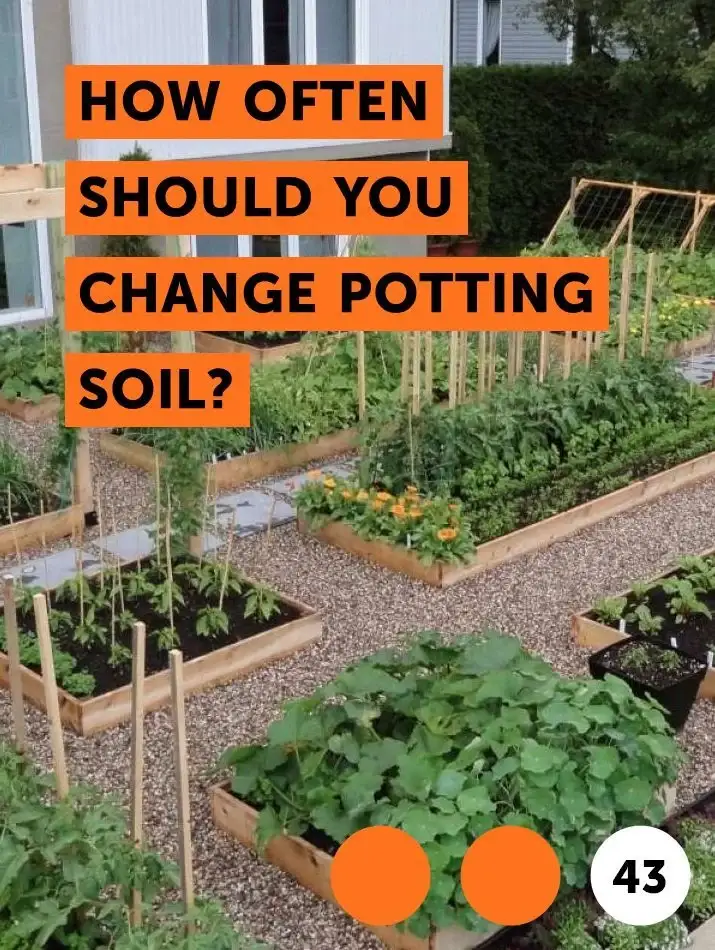
How Often Should You Change Potting Soil for Healthy Plants?
Most houseplants benefit from fresh potting soil every one to two years, while fast-growing plants and seasonal containers may need fresh mix more often. Slow growers can often stay in the same soil for two to three years if the mix drains well, the plant looks healthy, and the roots have room.
A practical starting point is to check the plant each spring, when many houseplants resume active growth. Check the soil and roots, then decide whether the plant needs a full soil change, a partial refresh, or no change at all.
Potting soil is a soilless growing mix made to hold roots, water, and air inside a container. Many mixes contain materials such as peat or coir, bark, and perlite, but the recipe varies by plant and product.
Fresh mix can help when an old mix has broken down, lost its air spaces, or no longer drains properly. But changing soil on a healthy plant just because a year has passed can add stress without solving anything.
| Plant or situation | A useful starting point | What to check |
|---|---|---|
| Fast-growing houseplant | About every 1–2 years | Root crowding, compacted mix, and fast drying |
| Slow-growing houseplant | About every 2–3 years | Drainage, plant health, and root space |
| Seasonal flowers or vegetables | Usually when starting a new planting | Replace mix if the prior crop had disease or pests |
| Newly purchased plant | Check after it adjusts to your home | Pot size, drainage, and root condition |
| Plant with pests or a serious disease | Replace the mix during treatment or repotting | Follow the specific pest or disease steps |
| Healthy plant with loose, draining mix | No fixed change needed | Recheck during routine care |
These are starting points, not deadlines. A plant in a warm, bright room may use water and nutrients faster than the same plant in a cool, dim spot.
Does a plant need new soil just because it’s rootbound? Not always. Rootbound means the roots have filled much of the pot, and a larger container may be the real need; fresh soil alone won’t create more room.
Old potting soil can lose structure or develop problems, but age alone doesn’t make every bag unusable. For signs to check in an opened or stored bag, read about potting soil shelf life before deciding whether to use it.
Signs Your Potting Soil Needs Replacing
Potting soil needs replacing when it stays soggy, sheds water, smells sour, or shows signs of pests or disease. One small symptom doesn’t prove the mix is bad, so check the plant, drainage holes, and watering habits together.
Try these simple checks before you reach for a fresh bag:
- Water pools on the surface or drains much more slowly than it used to.
- Water runs straight down the pot’s edges while the root area stays dry.
- The mix has settled into a dense, hard mass.
- The soil smells sour or rotten after watering.
- Fungus gnats, mold, or other pests keep returning despite changes to watering and care.
- The plant has a known root or soil-borne disease, or the previous plant in that pot died from an unknown problem.
A little white crust on the soil or pot can be salt buildup from fertilizer or hard water. That calls for checking your watering and feeding habits; it doesn’t automatically mean the entire mix is unsafe or useless.
Poor drainage can also come from a blocked drainage hole, a pot sitting in water, or soil packed down during planting. If water has nowhere to escape, replacing the mix won’t help for long unless you fix the pot and watering setup too.
Does a dry pot always mean the mix is old? No. A small plant in a sunny window can use water quickly, while a large pot in a cool room may dry slowly; compare the soil’s behavior with the plant’s location and your watering routine.
When the problem is a persistent smell, poor drainage, or returning pests, replacement is often the cleanest way forward. When the plant is healthy and the mix still feels loose, leave it be and avoid repotting just to satisfy the calendar.
Refresh or Replace: How to Make the Call
A full soil change is best when the mix has a serious problem; a top-up or partial refresh can work when the plant is healthy and the soil still drains. The choice depends on root space, plant condition, and what’s gone wrong.
Use this quick guide:
- Replace the mix if it smells rotten, stays waterlogged, has a confirmed pest or disease problem, or came from a dead plant with an unknown cause.
- Refresh the top layer if the mix is slightly settled and the plant is healthy. Remove loose debris, then add a thin layer of fresh mix without burying the stem or crown.
- Repot into a larger container if roots circle the pot, fill the drainage holes, or the plant dries out unusually fast despite sound watering.
- Keep the current mix if it drains well, the plant is growing normally, and the roots have room.
When you do change soil, work gently. Slide the plant from its pot, loosen only the outer roots that are tightly circling, remove loose old mix, and set the plant at the same depth in fresh, suitable soil.
I once loosened a root ball more aggressively than the plant needed because I wanted to remove every speck of old mix. The plant took longer to settle than it should have, and the lesson stuck: healthy roots don’t need a scrub-down.
For a complete walk-through of lifting a plant, choosing a pot, and settling it back in, use this guide to change soil in potted plants. A little old mix clinging to healthy roots is usually less concerning than rough handling.
For plants that need specific drainage or texture, pick a mix that fits the plant rather than grabbing a bag labeled “all-purpose” by default. If you prefer to control feeding yourself, compare options for potting soil without fertilizer before choosing a mix.
Pro Tip: Water the plant lightly before repotting if the root ball is extremely dry. A slightly moist root ball is easier to handle, but soaking wet soil can be heavy and messy.
How to Change Potting Soil Without Harming Roots
A careful soil change protects the roots and gives the plant a better start. Use a clean pot with drainage holes, fresh mix suited to the plant, and a container that isn’t much larger than the root ball.
- Check the roots and pot. Remove the plant gently and look for healthy, firm roots versus mushy or badly damaged ones.
- Prepare the new mix. Moisten it slightly if it’s very dry, and avoid compressing it into a dense block.
- Set the plant at its old depth. Add mix around the roots, leaving the stem base or crown uncovered.
- Water according to the plant’s needs. Let extra water drain away, then return the plant to a suitable spot.
- Watch for adjustment stress. A little droop can happen after repotting, but persistent wilting or yellowing calls for a closer look at moisture and light.
Safety Tip: If a plant has a known disease, avoid shaking its old soil onto nearby pots or garden beds. Clean the pot and tools before using them again, and follow any specific disposal guidance for the disease or pest.
A common mistake is moving a small root ball into a much larger pot. Extra soil holds water longer than the roots can use, which can leave the plant sitting in wet mix; choose a pot that gives the roots a modest amount of room to grow.
Fresh mix doesn’t always mean the plant needs fertilizer right away. Some products include fertilizer, while others don’t, so check the bag and follow its directions rather than feeding by guesswork.
Can You Reuse Old Potting Soil?
Old potting soil may be reused if it came from a healthy plant, drains well, and has no signs of pests or disease. Soil from a plant that had root rot, persistent pests, or an unexplained decline is a poor gamble for another container.
Before reusing mix, remove old roots, stems, and debris. Break up clumps, check for an off smell, and make sure water can pass through it rather than pooling on top.
Used mix may have fewer available nutrients and less air space than fresh mix, especially after a long growing season. You can blend suitable, clean old mix with fresh ingredients, but don’t treat this as a fix for soil that’s sour, compacted, or contaminated.
What should you do with old mix that you don’t want in a pot? Healthy, pest-free soil may be useful in an outdoor bed or compost system, depending on your local practices and the mix ingredients; for more options, check ways to use old potting soil.
Important Tip: Don’t reuse old potting soil just to save a few scoops if the previous plant had a serious problem. The money saved isn’t worth carrying pests or disease into a new pot.
Adjust the Schedule for Different Plants
Plant type changes how often potting soil needs attention because roots, growth rate, and moisture needs vary. Use the general schedule as a starting point, then pay attention to how the plant grows in your home or on your patio.
Bulbs in containers need an airy mix that drains freely, especially when they’re dormant or newly planted. If you’re choosing a mix for a bulb container, compare options for potting soil for bulbs instead of relying on a dense mix that stays wet.
Ornamental grasses in pots can also need a mix that balances moisture with drainage, since a container dries differently from garden soil. A guide to soil for ornamental grasses can help you match the mix to your planting and growing conditions.
Vegetables and annual flowers often grow quickly and may be replanted each season. Replacing the mix at planting time can make sense if the previous crop had disease, pests, or a severe drainage problem; a healthy container may need less disruption.
Houseplants vary too. A fast-growing vine may fill its pot sooner than a slow-growing cactus, while a plant that prefers drying between waterings can suffer if its old mix has turned dense and water-retentive.
A few practical habits can help you avoid unnecessary repotting:
- Check drainage at the start of the active growing season.
- Look through drainage holes for roots, but don’t pull them out just to inspect.
- Note whether the plant dries out much faster or slower than it used to.
- Match the mix to the plant’s watering needs, not just the label on the bag.
FAQs About How Often Should You Change Potting Soil
Do I need to change potting soil every year?
No, every potted plant doesn’t need new soil each year. Many houseplants do well with fresh mix every one to two years, while slow-growing plants can go longer if the mix stays loose and drains well. Check root space and plant health before repotting.
Can I add new potting soil on top of old soil?
Yes, a thin top layer can freshen a healthy plant’s pot when the old mix has settled. Remove debris first, and keep the new mix below the stem base or crown. A top-up won’t fix waterlogged soil, severe compaction, pests, or a pot that’s too small.
Should I change potting soil after buying a plant?
Not always. Let a newly purchased plant adjust before repotting unless the pot has no drainage, the mix is waterlogged, pests are present, or the roots are in poor condition. A quick change can add stress when the plant is already settling into a new home.
Is old potting soil safe for new plants?
Sometimes. Old potting soil can be reused for a new plant if it came from a healthy pot, has no pests or disease, and still drains well. Remove old roots and debris first, and don’t reuse mix from a plant with a serious or unknown problem.
How can I tell if potting soil has gone bad?
Bad potting soil may smell sour or rotten, stay soggy, or show persistent pest activity. Dry mix that repels water can also be difficult to use. Check the whole setup, since blocked drainage holes and poor watering habits can cause similar symptoms.
Make the Next Soil Change a Useful One
The best time to change potting soil is when the plant or mix gives you a reason, not when a calendar reminder goes off. Check drainage, root space, smell, and plant health before disturbing the roots.
In my view, a healthy plant in loose, well-draining mix is better left alone than repotted on a rigid schedule. If the soil has a real problem, use fresh mix that suits the plant and choose a pot with drainage; that gives you a clean start without adding extra guesswork.
Your next step is simple: check one plant today, starting with how quickly its soil drains after watering. That small check can tell you whether to repot now, refresh the surface, or let the plant carry on as it is.

I’m Maya L. Greenwood, a lifelong plant lover who believes anyone can grow something beautiful with the right guidance. After years of testing soil mixes, pruning methods, irrigation tricks, and pest-safe solutions, I started EasyGardenTips.com to turn hard-won lessons into step-by-step advice. From seed starting and container gardens to composting and seasonal checklists, my goal is to make gardening simple, sustainable, and fun.
One Comment