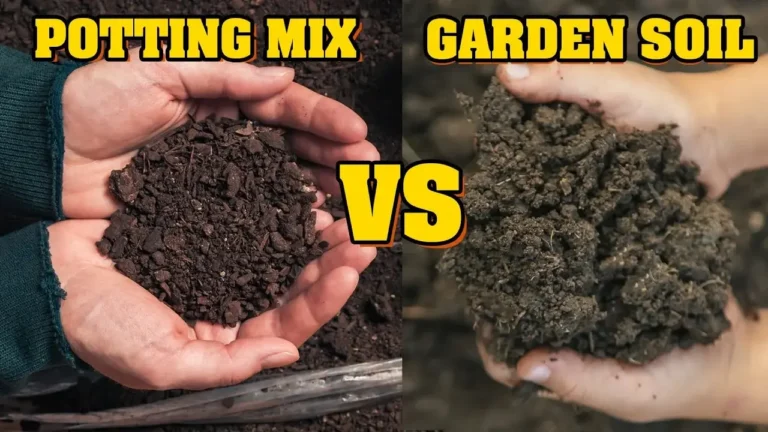
Can Potting Soil Freeze? What Cold Weather Does to Your Soil
Yes, potting soil can freeze when its moisture gets cold enough, but a frozen bag usually isn’t ruined. Let the mix thaw, check its texture and smell, then use it if it drains normally and shows no signs of contamination.
Have you opened a bag in a cold garage and found a solid, crunchy block? Or are you worried a freeze will hurt the plants you meant to pot up this weekend?
I once left an opened bag of mix outside through a cold snap, then tried to scoop it into a container while it was still frozen. The mix came out in hard chunks, and I had to wait rather than risk planting into a lumpy mess. That’s a common mistake, not a dumb one.
I wrote this for anyone storing potting mix through winter or trying to decide whether a frozen bag is still usable. You’ll get a plain answer, a safe way to thaw the mix, and a quick check for the problems cold weather can hide.
Handle the mix carefully and you can avoid wasted soil, blocked drainage, and stressed roots. Rush it, and you may end up with clumps in the pot or damp mix that’s been sitting too long.
This takes about 9 minutes to read. By the end, you’ll know how to:
- Tell ordinary frozen mix from soil that should be discarded.
- Thaw a bag without making a muddy mess.
- Store potting mix so it’s ready for spring.
- Choose the right next step for old or previously used mix.
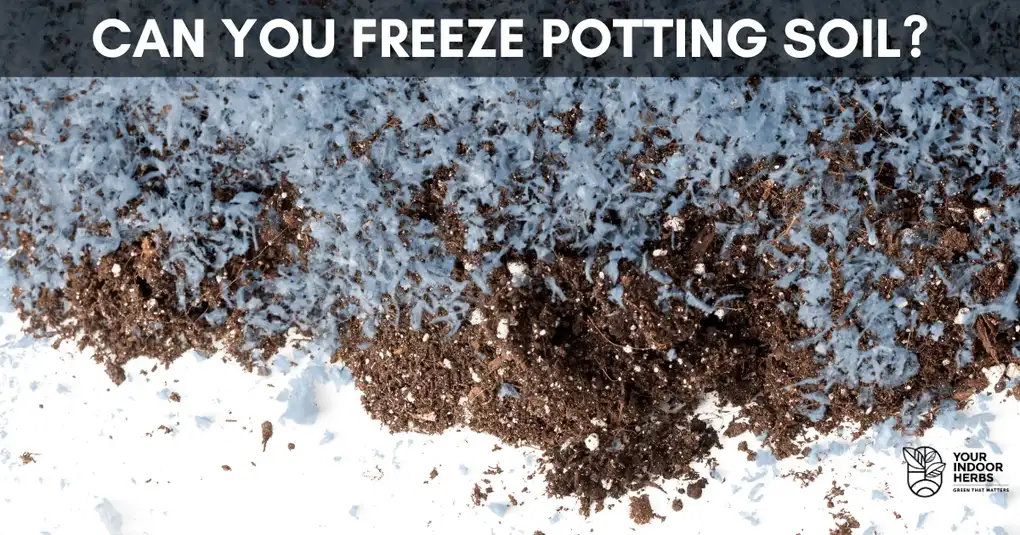
Can Potting Soil Freeze, and Is It Still Usable?
Potting soil can freeze, and freezing alone usually doesn’t make clean, unopened mix unusable. Once the mix has thawed, check for an unusual smell, pests, mold, or a changed texture before planting; a frozen bag of fresh mix that still drains well is generally fine.
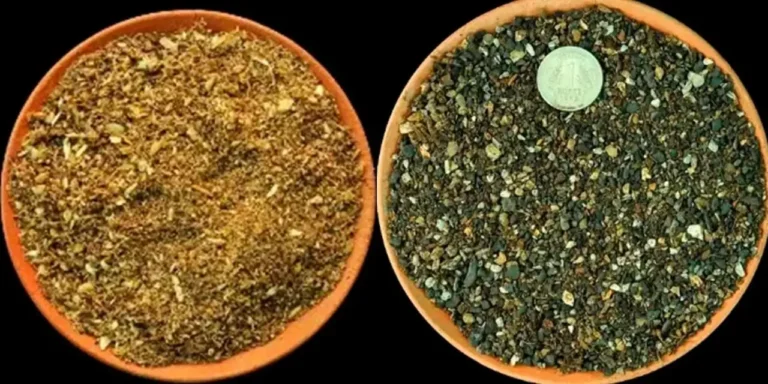
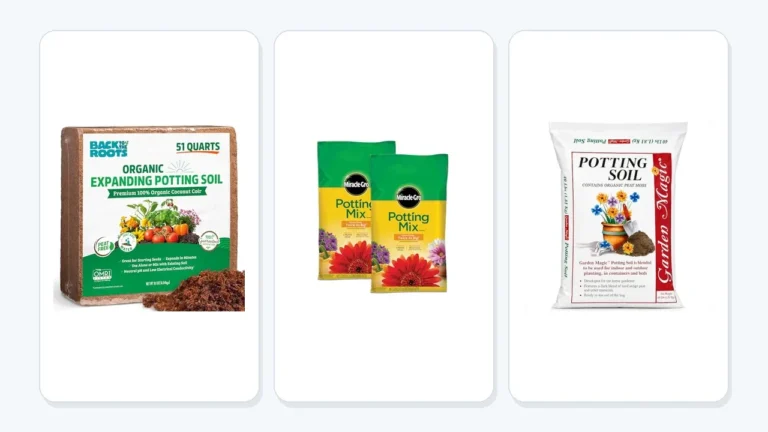
Potting soil is often a blend of materials such as peat moss, coir, bark, perlite, and compost. The exact ingredients vary, but moisture in the mix is what freezes, not the dry materials themselves.
When water freezes, it expands. That can push damp ingredients apart or leave clumps when they thaw, especially if the mix was packed tightly or soaked before freezing. A dry, sealed bag is less likely to have this problem than one left open in rain or snow.
Freezing can affect living organisms in the mix, but a cold snap doesn’t reliably sterilize potting soil or make it safe from plant diseases. Some microbes may be affected, while others can survive; don’t count on frozen soil to kill pests, weed seeds, or harmful organisms.
| What you find after thawing | What it may mean | What to do |
|---|---|---|
| Loose, earthy-smelling mix | Normal condition | Fluff it and use it |
| Hard clumps that break apart | Moisture froze and bound the mix | Break them up and check drainage |
| Sour or rotten smell | Mix may have stayed too wet or broken down | Don’t use it for seedlings or sensitive plants |
| Visible insects or heavy mold | Possible pest or storage problem | Isolate the bag and assess before use |
| Waterlogged, dense mix | Structure may have changed | Test drainage before potting |
A mild earthy smell is normal, and a little surface mold on stored organic material doesn’t automatically mean the whole bag is bad. But if the smell is strongly sour, the mix is slimy, or you spot insects throughout the bag, don’t put it around valuable plants.
If you’re unsure whether the problem came from freezing or long storage, compare the signs with advice on potting soil shelf life. Frozen and spoiled aren’t the same thing, but an old, wet bag can have more than one issue.
The best quick test is simple: thaw a small amount, fluff it, and wet it lightly. If water moves through it rather than sitting on top or pooling at the bottom, the mix may still have a useful structure.
What Freezing Does to Potting Mix and Plants
Freezing affects the water and structure in potting mix more than the dry ingredients. The bigger risk is usually using cold, clumped, or overly wet mix around roots that are already sensitive to temperature and moisture swings.
A potting mix should hold enough water for roots while leaving air spaces between its particles. Those air pockets matter because roots need oxygen; dense, saturated mix can stay wet too long and make root problems more likely.
The freeze-thaw cycle can loosen or compress parts of a mix. Peat-based mixes may become hard to wet evenly after drying, while a wet, compressed bag may thaw into a dense mass. Give the mix time to thaw before judging it, since frozen chunks can feel unusable even when they break apart normally later.
A frozen bag doesn’t mean you should pot a living plant outdoors in cold conditions. Roots in containers have less insulation than roots in the ground, and a cold pot can expose them to damaging temperatures even when the soil in the bag itself is fine.
Pro Tip: If you’re potting an indoor plant, let the mix reach room temperature first. Cold mix can chill roots, and a plant moved from a warm room to a cold porch may face a second temperature shock.
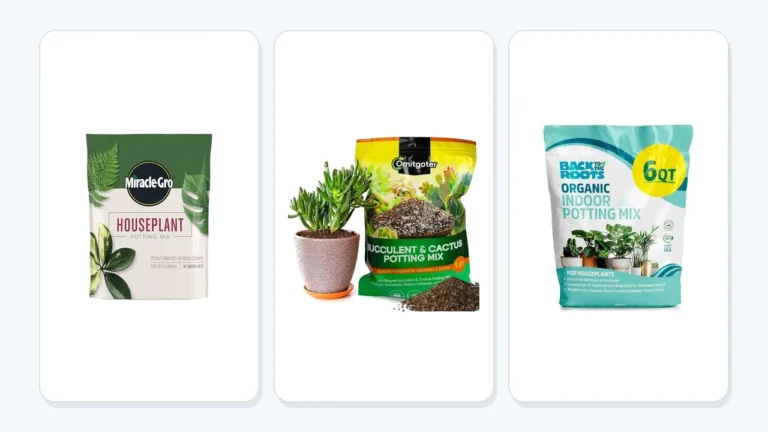
Fertilizer in the mix may be affected by how the product was stored and by the specific formula, so check its packaging if the label gives temperature limits. If you want direct control over feeding, choose a mix without added fertilizer and add a suitable plant food later according to its label.
Some plants need a mix that holds moisture more evenly than others. Impatiens, for instance, can wilt when their root zone dries out, so gardeners choosing a potting mix for impatiens should pay attention to both moisture retention and drainage after a bag has thawed.
Pansies tolerate cool weather in the garden, but that doesn’t mean their potting mix should stay frozen. In containers, a mix that drains well and doesn’t stay waterlogged helps support roots through chilly days; a mix for pansies should suit the plant and the container, not just the forecast.
How to Thaw Frozen Potting Soil Safely
Thaw frozen potting soil slowly in a sheltered place, then check it before use. Keeping the bag contained and letting the mix warm naturally helps prevent spills and avoids adding heat that could dry or damage the mix.
- Move the bag to a protected spot. Choose a garage, shed, or other place where thawing water won’t run onto a walkway or floor.
- Keep the bag closed if it’s clean and intact. If the bag is open, set it in a covered tub or bin to catch crumbs and water.
- Wait until the mix softens. Don’t chop at a frozen block with a tool; you could tear the bag or damage the container holding it.
- Break up clumps by hand. Use gloves if you don’t know what the mix has been exposed to, and remove any obvious debris.
- Check smell, texture, and drainage. Add a little water to a handful and see whether it wets evenly and drains through.
- Use the mix only when it’s workable. If it’s still icy or soaked, give it more time to thaw or dry.
Avoid microwaves, ovens, open flames, and hot water. Heating the mix unevenly can create hot spots, melt plastic packaging, or make a wet bag unpleasant to handle. There’s no need to rush; a bag thawing in a sheltered spot is easier to assess.
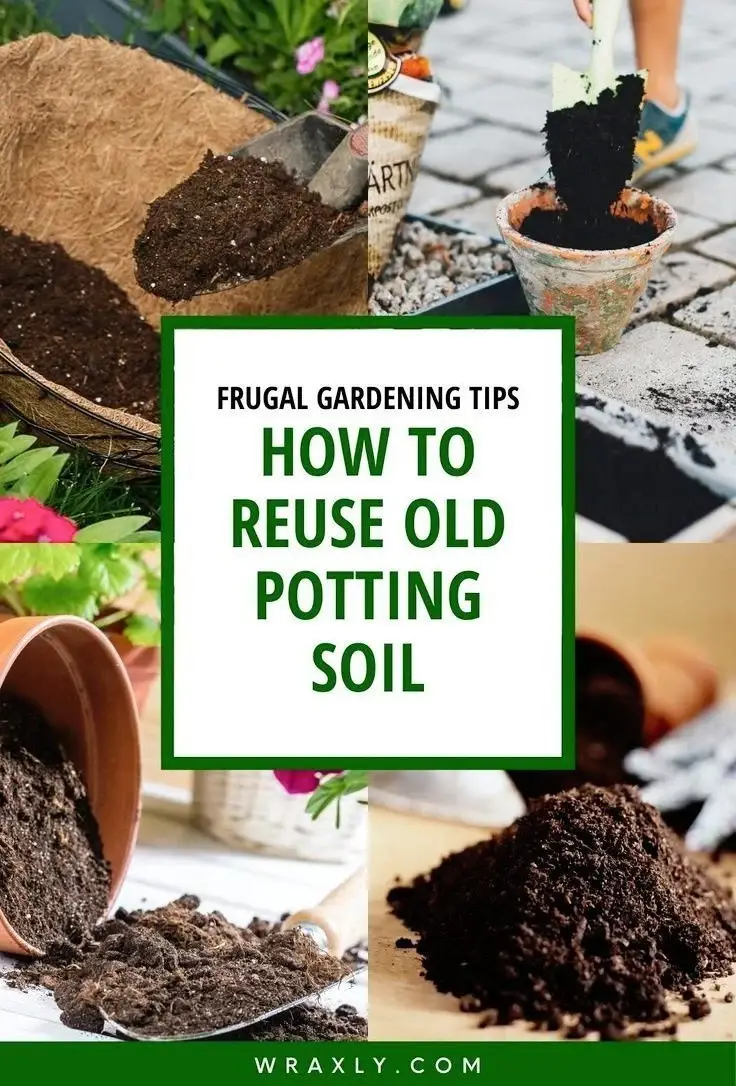
If you’re using a mix that has already been in a pot, take a closer look before reusing it. Roots, salts, pests, and old fertilizer can remain after a plant is removed, so refreshing used potting soil takes more than letting it thaw.
My first instinct with a frozen bag was to break the clump apart right away, and it made a mess without speeding anything up. Waiting until the mix softened was easier on the bag and gave me a better sense of its real texture.
Important Tip: Don’t dump thawing mix into a storm drain or onto a path. Organic material and loose perlite can create a mess, and a wet, icy surface can turn slippery underfoot.
How to Store Potting Soil Before Winter
Store potting soil dry enough to avoid waterlogging, sealed against pests, and protected from rain and snow. A garage or shed can work, but the bag should stay off damp ground and away from holes where rodents or insects can get in.
For a newly opened bag, close the top tightly or transfer the mix to a sturdy, covered container. Keep the original label if you can; it lists the ingredients and may include directions that matter when you use the mix later.
If the bag has a tear, place it inside a sealed tote rather than wrapping it loosely in a thin plastic sheet. A loose cover can trap condensation, while an open bag can collect moisture from rain, melting snow, or a damp floor.
The storage spot doesn’t have to stay warm. Cold alone isn’t usually the main concern for bagged mix, but repeated wetting, pests, and long periods of damp storage can change its condition. Keep it somewhere you can inspect without moving heavy or awkward containers.
Store bags where they won’t block an exit or fall from a shelf. A large bag is heavier once it absorbs water, and stacking several bags high can make them awkward to lift when you need them.
Gardeners who want a repeatable routine can follow a step-by-step guide to storing potting soil. A sealed tote on a shelf is often easier to manage than a torn bag sitting on a concrete floor.
| Storage condition | Likely concern | Better approach |
|---|---|---|
| Open bag exposed to rain | Waterlogged mix and clumps | Move it under cover and seal it |
| Bag placed directly on damp concrete | Moisture entering through damage | Raise it on a shelf or dry board |
| Unsealed mix near stored produce or pet food | Insects or rodents may get access | Use a tightly covered bin |
| Damp mix sealed for a long time | Musty or sour odor | Let it dry in a protected area before sealing |
The goal isn’t to keep every bag perfectly warm. It’s to prevent water from getting in and to make the mix easy to inspect when planting season rolls around.
When to Keep, Refresh, or Discard Frozen Soil
Keep frozen mix if it thaws into a clean, loose material that drains well. Refresh a previously used mix only when you know its history and can remove old roots; discard mix with strong odors, widespread pests, or a slimy, waterlogged texture.
A small amount of surface fuzz can show up on organic materials stored in a damp place. That alone doesn’t tell you whether the mix is safe for every use, so judge the whole bag: smell it, inspect for insects, and test the texture rather than relying on one patch.
For seed starting, use a clean, fine-textured mix intended for that job. Seedlings have delicate roots, and old mix with unknown pest or disease history is a poor gamble when a fresh bag is available.
For established container plants, usable old mix may work after you remove roots and debris, restore a loose texture, and confirm that water drains. Don’t add fertilizer automatically; some mixes already contain a starter charge, and too much fertilizer can harm roots.
If you’re considering reusing old soil, check whether the original plant had root disease or a serious pest problem. Mix from a healthy, ordinary container is a different case from mix that held a plant with a spreading disease; freezing doesn’t erase that history.
A frozen bag that thawed into a compacted block may still be salvageable if it breaks apart and drains. But if it stays dense after you fluff it, or water pools instead of moving through, use a fresh mix for plants that need dependable drainage.
Pro Tip: Test drainage in a spare pot before planting. If the water runs through slowly or the mix stays soggy, don’t use it for a plant that’s prone to root rot.
A simple decision guide helps:
- Use it: clean smell, no widespread pests, loose texture, and normal drainage.
- Use with care: mild clumping or a little surface mold, after inspection and a drainage test.
- Skip it: sour odor, slimy texture, widespread insects, or a history of serious plant disease.
FAQs About Can Potting Soil Freeze
Can a bag of potting soil freeze in an unheated garage?
Yes, a bag of potting soil can freeze in an unheated garage when temperatures stay below freezing long enough. The mix is usually still usable after thawing if the bag stayed dry and clean. Check its smell, texture, and drainage before putting it around plants.
Should I bring potting soil indoors during winter?
No, you don’t have to bring every bag indoors just because cold weather is coming. A dry, sealed bag stored under cover can stay in a garage or shed. Bring it somewhere protected if water, pests, or a damaged bag could reach the mix.
Can I use frozen potting soil for seedlings?
Yes, if the mix thaws cleanly, breaks apart, and drains normally. Let it reach room temperature before sowing so cold clumps don’t chill seeds or roots. For seedlings, choose a clean mix with a fine texture, especially if the bag has been open or used before.
Does freezing kill bugs in potting soil?
No, freezing isn’t a dependable way to kill every pest in potting soil. Survival depends on the pest, how cold the mix gets, and how long it stays cold. Inspect the thawed mix for insects, eggs, and damage rather than treating winter storage as pest control.
Can I leave potting soil outside in winter?
Yes, but only if the bag is protected from rain, snow, and animals. A torn or open bag can collect water, which can leave the mix soggy and clumped when it freezes and thaws. Keep the bag covered and raised off wet ground.
Does frozen potting soil need fertilizer?
No, frozen potting soil doesn’t automatically need extra fertilizer. Check the bag to learn whether it already contains plant food, then follow the product directions for the plant you’re growing. If the mix has been used before, assess its condition before deciding whether it needs amendment.
Make the Call After the Mix Thaws
A frozen bag isn’t a lost cause. What matters is what the mix looks and smells like after it thaws, and whether water can move through it without leaving a soggy, compacted mess.
I’d keep clean, usable mix rather than throw it out just because the garage got cold. I wouldn’t use a bag with a sour smell, pests throughout, or a history I can’t trust around seedlings or a favorite plant.
Your next step is straightforward: move the bag somewhere sheltered, let it thaw naturally, then test a handful before potting anything. That small check can save you from fighting clumps in a planter or wondering later why a plant’s roots stayed wet. When the mix passes, use it; when it doesn’t, start fresh.

I’m Maya L. Greenwood, a lifelong plant lover who believes anyone can grow something beautiful with the right guidance. After years of testing soil mixes, pruning methods, irrigation tricks, and pest-safe solutions, I started EasyGardenTips.com to turn hard-won lessons into step-by-step advice. From seed starting and container gardens to composting and seasonal checklists, my goal is to make gardening simple, sustainable, and fun.