
5 Best Organic Potting Soil: Natural Mixes for Healthier Plants
A bag of potting soil can look right on the shelf and still leave you with a soggy pot, a mix that dries too fast, or far more soil than your few houseplants need. The wrong blend can make watering guesswork, and poor drainage can leave roots sitting wet. Sorting out which bag suits your plants before you open it saves mess and replanting.
For a container, the useful question is not simply whether a bag says organic. You also need to know whether the mix is meant for indoor or outdoor use, how much soil the bag holds, and whether its moisture and feeding features suit your watering habits. A mix that stays moist can help if you often forget to water, but a plant in a pot without drainage holes can still end up waterlogged.
I’ll help you check the details that matter before choosing a bag:
- Match indoor or outdoor mixes to where the pot will live.
- Estimate how many quarts your containers need.
- Understand what coir, peat, and added nutrients do.
- Plant, water, and store leftover mix with less guesswork.
Quick Picks
-
Best For Indoor and Outdoor Pots

Burpee Premium Organic Potting Mix Garden Soil
Coconut coir helps balance moisture and drainage, while nutrition lasting up to three months suits mixed container gardens.
-
Best For Indoor Houseplants

Miracle-Gro Organic Indoor Potting Mix, 16 qt.
Peat moss, coir, and natural fertilizer help manage watering swings, making this mix useful for indoor plants and seeds.
Top 5 Organic Potting Soils at a Glance
Start with Burpee if you want one mix for indoor and outdoor containers, or look at Miracle-Gro Organic Indoor for houseplants and seed starting. The other choices differ in intended use, peat-free claims, added ingredients, and bag size, so think about where you’ll use the soil and how much you need before buying.
| Product image | Product name | Check product |
|---|---|---|
| 1 |
Burpee Premium Organic Potting Mix Garden Soil | Check Price |
| 2 |
Miracle-Gro Organic Indoor Potting Mix, 16 qt. | Check Price |
3 |
Miracle-Gro Organic Outdoor Potting Mix, 16 qt. | Check Price |
4 |
Back to the Roots Organic Indoor Potting | Check Price |
5 |
FoxFarm Happy Frog Potting Soil with 2 | Check Price |
5 Best Organic Potting Soils: Detailed Reviews
When I chose the best organic potting soil, I looked at whether each mix was aimed at indoor or outdoor containers, how its ingredients handle moisture, and what it says about feeding plants. Those details matter because soggy roots, a dry pot, or a bag that runs out halfway through repotting can turn a simple job into a frustrating one.
The range here includes smaller bags for houseplants, mixes for outdoor containers, and a larger ready-to-use blend. Reading the intended use alongside the bag size helps you avoid paying for soil that does not suit your pots, and makes it easier to compare what each blend offers without treating every bag as interchangeable.
1. Burpee Premium Organic Potting Mix Garden Soil
Coconut coir helps balance moisture and drainage, while nutrition lasting up to three months suits mixed container gardens.
- Size9 Quart
- ColorPotting Mix
- Number Of Items1
- WeightNot listed; check details
Burpee Potting Mix is a flexible choice for someone filling indoor or outdoor containers with vegetables, flowers, or herbs. Its stated mix of moisture-holding coconut coir and container-friendly drainage makes it a practical starting point if you want one bag for several kinds of pots.
Coconut coir is a fiber made from coconut husks; in this mix, it helps the soil hold moisture while allowing air and water to move through. That balance can make watering less of a daily guessing game, though your pot still needs drainage holes and the plant’s own needs matter.
Burpee says the mix feeds plants immediately and provides slow-release nutrition for up to three months. That means a new planting has some initial nutrition in the mix, but it does not mean every plant will need the same feeding schedule; check the plant’s care needs before adding more fertilizer.
One thing to watch is the bag size: 9 quarts is much less than a large bulk bag. Burpee is easier to plan for a few small or medium containers than a major outdoor planting, and the product information says the bag has small air holes, so store it somewhere dry until use.
Pros:
- Coconut coir helps balance moisture and drainage.
- Indoor and outdoor use suits mixed container gardens.
- Listed for vegetables, flowers, and herbs.
- Slow-release nutrition is stated to last up to three months.
- 9-quart bag is manageable for a small project.
Cons:
- A 9-quart bag may not cover many large pots.
- Feeding duration does not replace plant-specific care.
- The stated use does not make it a universal soil for every plant.
Buy it if: you want one mix for several container types, because the coir helps balance moisture and the stated use covers indoor and outdoor plants.
Skip it if: you need enough soil for a large patio planting, because 9 quarts can go quickly, and a larger-volume potting mix would suit you better. For another fit, consider Miracle-Gro Organic Indoor Potting Mix, 16 or Miracle-Gro Organic Outdoor Potting Mix, 16.
I’d consider Burpee the most flexible pick for a beginner who has a few different containers to fill. The combination of coir, drainage, and stated feeding time gives you useful starting information without requiring you to buy separate mixes for every small project. Before ordering, check that 9 quarts will cover your pots and confirm the plants you’re growing are suited to a general container mix.
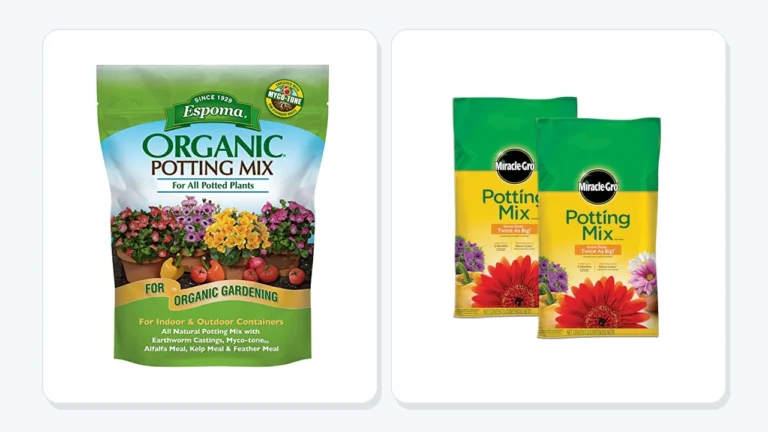
2. Miracle-Gro Organic Indoor Potting Mix, 16 qt.
Peat moss, coir, and natural fertilizer help manage watering swings, making this mix useful for indoor plants and seeds.
- Size16.qt
- COVERAGEOne 16 qt. bag of Miracle-Gro Organic Indoor Potting Mix fills one 12-inch container with potting soil for indoor p
- WeightNot listed; check details
- DimensionsNot listed; check details
Miracle-Gro Indoor Mix is aimed at houseplants, indoor herbs, and starting seeds in containers. The blend lists peat moss, coir, and quick-start natural fertilizer, making it a fit for someone who wants a ready-made indoor mix rather than a soil product intended mainly for outdoor pots.
The blend’s moisture regulation means it is described as helping protect plants from both overwatering and underwatering. That can be useful if your watering rhythm is still developing, but no soil can compensate for a pot with no drainage or a plant left standing in a saucer of water.
The mix uses sphagnum peat moss and coir, and the product information says the peat is sourced from certified producers. That ingredient combination is relevant if you’re comparing what is in an indoor blend, while the quick-start natural fertilizer provides some initial nutrition for new planting.
A 16-quart bag is described as enough to fill one 12-inch container, with the amount varying based on the root ball. Treat that as a rough planning reference, not an exact promise: a deep pot or a large root mass changes how much soil you need.
Pros:
- Intended for indoor container plants and houseplants.
- Lists coir and sphagnum peat moss in the blend.
- Quick-start natural fertilizer is included.
- Product information names seed starting as a use.
- 16-quart bag gives a stated container-size reference.
Cons:
- Intended mainly for indoor growing, not a general outdoor pick.
- The stated container coverage varies with root-ball size.
- A moisture-helping mix still needs proper pot drainage.
Buy it if: you’re potting houseplants or starting seeds indoors, because the blend is made for indoor containers and includes coir and natural fertilizer.
Skip it if: your main job is filling outdoor planters, because this mix is presented for indoor use, and an outdoor container mix would suit you better. Burpee and Miracle are worth a closer look instead.
What I like about Miracle-Gro Indoor Mix is that its use is clearly spelled out for houseplants and seeds, so a beginner does not have to infer whether it is meant for a living-room pot. The moisture-management claim may be helpful for someone still learning how quickly a container dries. Check the bag size against your pot and remember that the mix’s stated watering support is not a substitute for drainage holes.
3. Miracle-Gro Organic Outdoor Potting Mix, 16 qt.
The catalog lists OUTDOOR POTTING SOIL: Miracle-Gro Organic Outdoor Potting Mix contains a quick-release natural plant fertilize. Compare fit and care needs before choosing.
- Colorbrown
- Size16QT
- Number Of Items1
- COVERAGEOne 16 qt. bag of Miracle-Gro Organic Outdoor Potting Mix fills one 12-inch pot with garden soil for containers (am
Miracle-Gro Outdoor Mix is intended for outdoor container plants, including flowers, vegetables, herbs, annuals, and perennials. It gives a beginner a clearly outdoor-focused option when filling patio pots, rather than asking an indoor potting mix to do a job it was not designed for.
The mix includes quick-release natural fertilizer, meaning the product describes some nutrition as becoming available soon after planting. It also states that the blend feeds plants for up to two months, which can help you plan an initial feeding period; check the plant’s needs before adding more fertilizer during that time.
The soil is made with peat, and the product information says all of that peat is sourced from certified producers. A 16-quart bag is described as filling one 12-inch pot, although the amount can vary with the plant’s root ball and the shape of the container.
The main limitation is the intended setting: this is an outdoor container mix, not the most direct choice if your project is a shelf of indoor houseplants. Outdoor pots also dry at different rates depending on sun, wind, and pot material, so the stated feeding period does not tell you how often to water.
Pros:
- Clearly intended for outdoor container plants.
- Lists flowers, vegetables, herbs, annuals, and perennials as uses.
- Includes quick-release natural fertilizer.
- States feeding can last up to two months.
- 16-quart bag has a stated 12-inch-pot reference.
Cons:**
- Outdoor use is its stated focus.
- Coverage varies with container and root-ball size.
- The feeding period does not determine watering frequency.
Buy it if: you’re planting outdoor pots with flowers, herbs, or vegetables, because the mix is intended for outdoor containers and includes natural fertilizer.
Skip it if: you need a soil blend for indoor houseplants, because this mix is aimed at outdoor pots, and an indoor potting mix would suit you better. If those trade-offs rule it out, Burpee or Miracle may suit you better.
I’d put Miracle-Gro Outdoor Mix on the list for a straightforward patio project, especially when you know the plants are going into outdoor containers. Its intended use and stated feeding window are easy to understand, which helps a beginner plan the first weeks after planting. Before buying, check that the volume fits your containers and look at each plant’s care needs rather than assuming every pot will need the same watering.
4. Back to the Roots Organic Indoor Potting
The catalog lists Includes 12qt of Back to the Roots Indoor Potting Mix. Our Potting Mix contains organic yucca extract that aid. Compare fit and care needs before choosing.
- Size12 Quart
- ColorIndoor Potting Mix
- Release Date2024-01-12T00:00:01Z
- WeightNot listed; check details
Back to the Roots Indoor Mix is an indoor potting soil aimed at houseplants such as pothos, monstera, and ferns. The company describes it as peat-free and highlights yucca extract, root-supporting mycorrhizae, and dolomitic limestone, making it a more ingredient-specific option for indoor growers.
Yucca extract is included to help the mix retain moisture, which can be useful if the top of a small indoor pot dries quickly between waterings. Retaining moisture is not the same as preventing overwatering, though, so use a pot with drainage and check the soil before watering again.
The mix also includes mycorrhizae, beneficial soil fungi that the product says can support root development and nutrient uptake. That is a feature of the blend, not a guarantee of a particular plant result; its practical appeal is that the ingredients are described for root support without requiring you to mix amendments yourself.
Back to the Roots says the mix is made without bark or compost and is less prone to indoor gnats and pests. Treat that as a product claim rather than a promise that pests can never appear, since indoor pests can arrive on plants or through other sources. The 12-quart bag is sized more for houseplants than large outdoor jobs.
Pros:
- Intended for indoor plants, including named houseplant types.
- Peat-free claim may matter to ingredient-conscious buyers.
- Yucca extract is included to aid moisture retention.
- Mycorrhizae are included for root and nutrient support.
- 12-quart size suits smaller indoor projects.
Cons:**
- Indoor use is its stated focus.
- Moisture retention still calls for careful watering.
- The claim about pests does not guarantee a pest-free home.
Buy it if: you’re repotting indoor houseplants and prefer a peat-free blend, because the mix includes yucca extract and mycorrhizae.
Skip it if: you need to fill several large outdoor containers, because 12 quarts is a modest amount, and a larger outdoor potting mix would suit you better.
To me, Back to the Roots is the most ingredient-focused indoor choice in this group. It gives a houseplant owner clear reasons to consider the blend, especially the peat-free claim and the listed moisture and root-support ingredients. I’d still check the current package details and make sure the plants you’re repotting need a moisture-retaining mix before choosing it.
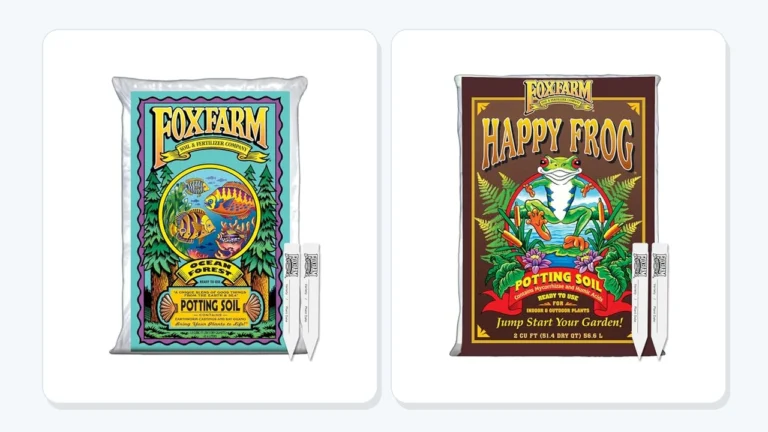
5. FoxFarm Happy Frog Potting Soil with 2
The catalog lists BUNDLE OF 3 ITEMS: You will receive one 2cu ft bags of Happy Frog Potting Soil and two customizable plant tags. Compare fit and care needs before choosing.
- Size2 cu ft
- ColorBrown/White
- Number Of Items1
- WeightNot listed; check details
FoxFarm Happy Frog Soil is a ready-to-use amended blend for container plants indoors or outdoors, with a listed bag size of 2 cubic feet. It is the largest-volume option here, so it may suit someone filling several pots or a larger container more than a beginner repotting one small houseplant.
The blend lists earthworm castings, a soil amendment made from worm-processed organic matter, along with bat guano and aged forest products. Those ingredients are included as part of the soil’s nutrition, so the mix arrives amended rather than as a plain base that you must build up yourself.
FoxFarm also describes a custom blend of soil microbes that can help root efficiency and nutrient uptake. That is a product feature, not a measured result for every plant, and the product information does not give a specific feeding duration. Check the package and your plant’s care requirements before adding another fertilizer.
The larger volume can be awkward to store if you only need a small amount, and the title includes two plant tags with the soil. The word organic is not enough by itself to establish a particular certification, so check the current bag if a specific standard matters to your purchase.
Pros:
- 2-cubic-foot size can cover a larger planting job.
- Ready-to-use blend is described for indoor and outdoor containers.
- Includes earthworm castings, bat guano, and aged forest products.
- Soil microbes are included in the stated blend.
- Two plant tags are included according to the title.
Cons:
- Large volume may be more than a small project needs.
- Specific feeding duration is not stated in the supplied details.
- Check the package if a specific organic certification matters to you.
Buy it if: you have several containers to fill, because the 2-cubic-foot bag offers much more soil than the smaller options.
Skip it if: you only need to repot one small plant, because the large bag may leave you storing extra soil, and a smaller potting mix would suit you better.
I’d choose FoxFarm for the volume and its already-amended blend, not because a bigger bag automatically means better soil. The listed ingredients give a beginner a useful idea of what is in the mix, while the plant tags can help keep varieties or planting dates straight. Before ordering, make sure you have a dry place to store the extra and check the bag for feeding guidance.
How to Choose the Best Organic Potting Soil
The best organic potting soil for your project is the mix whose intended use, ingredients, and volume match your plant and container. Start with the growing location, then check drainage, moisture behavior, added nutrients, and how much soil your pots actually take.
Match the mix to where the pot will live
Indoor and outdoor blends are not automatically interchangeable. Sun, wind, and rain change how quickly outdoor pots lose water, while an indoor pot often has less airflow and may stay damp longer.
Look for a clear use statement on the bag, such as indoor houseplants, outdoor containers, or seed starting. If you grow herbs inside and flowers outside, decide which job matters most or plan to use separate mixes rather than forcing one bag to cover every situation.
Check how the ingredients handle water
Coir, peat moss, and moisture-retaining ingredients affect how the mix holds water. A blend that holds moisture can help a pot dry less quickly, but it can also stay wet longer if the container has poor drainage or the plant needs a drier root zone.
For beginners, the useful sign is not a promise that you will never underwater or overwater. Look for a plain description of water retention or drainage, then check whether the pot has holes and whether your plant prefers evenly moist soil or a period of drying between waterings.
If excess water is a recurring problem, compare mixes by their stated drainage features and intended use, not by vague claims about being lightweight. A guide to well-draining potting soil can help clarify why water movement through a pot matters to root health.
Decide whether added nutrients fit your plan
Some potting mixes include fertilizer or amendments such as earthworm castings, while others focus more on the base blend. Added nutrition can give a newly potted plant a starting supply, but plants differ in what they need and how often they should be fed.
Check whether a product states a feeding period and what kind of fertilizer it includes. If the bag does not give a duration, do not invent one; follow the package directions and the care guidance for the plant rather than adding extra fertilizer by habit.
Estimate the amount before you buy
Bag volume is usually shown in quarts or cubic feet. A 16-quart bag is described by two products here as enough for one 12-inch pot, but actual coverage varies with pot depth, shape, and the size of the root ball.
Measure the containers you plan to fill and consider whether you are topping up a pot or replacing most of its soil. Small indoor projects may need only a few quarts, while multiple patio pots can use a much larger bag. If price is your main concern, compare cost against the quantity you can use and store, and consult affordable potting soil options without judging a bag by its price alone.
Know what an organic label does and does not tell you
Organic wording can describe ingredients or a product’s positioning, but the word alone does not tell you whether a specific certification applies. If certification matters, look for the exact certification or listing information on the current package rather than assuming every product marketed as organic has the same status.
The label also does not tell you whether the mix suits every plant. Check the intended use and ingredients, and remember that organic does not mean watering, drainage, or plant-specific care can be ignored. For a closer look at how the terms and costs differ, read about organic and regular potting soil before deciding which is right for your garden.
Choose the right texture and intended use for seeds
Seed starting calls for a mix that can keep small seeds evenly moist while allowing excess water to drain. The products here do not all make the same seed-starting claim, so look for that use stated on the bag instead of assuming every general potting mix is designed for starting seeds.
Seeds also differ in size and planting depth. Follow the seed packet for depth and watering, and avoid pressing the mix down hard enough to make a dense surface. If starting seeds is your main job, compare a purpose-listed option with advice about organic soil for seedlings before filling trays.
How to Use Organic Potting Soil for the Best Results
Prepare the container and plant first, then fill with the mix and water slowly until excess runs through the drainage holes. Taking a minute to check the roots and pot setup prevents common problems that no bag of soil can fix on its own.
- Check the container. Use a clean pot with drainage holes if the plant needs them. A decorative outer pot can catch runoff, but empty standing water after the soil has drained.
- Read the bag. Look for the stated indoor or outdoor use and any planting or feeding directions. Keep the package nearby so you can refer to the guidance later.
- Loosen compacted mix gently. Break up large clumps by hand without crushing the ingredients into dust. If the mix seems very dry, add a little water and let it settle before planting.
- Add enough soil for the root ball. Set the plant at a sensible height, then fill around the roots. Avoid burying the stem deeper than the plant’s care instructions call for.
- Settle the mix without packing it tight. Tap the pot lightly or press the surface gently. A very firm layer can make it harder for water and air to move through the container.
- Water thoroughly, then let it drain. Add water evenly until it begins to escape from the bottom. Empty the saucer so roots are not left sitting in pooled water.
- Watch the plant before watering again. Soil color, pot weight, and the plant’s care needs can help you judge moisture. Do not follow a fixed daily schedule without checking the pot.
For vegetables and herbs, use a container large enough for the plant’s mature size and place it where the plant receives the light it needs. Good soil cannot make up for a pot that is too small or a growing spot that is too shady.
How to Make Your Potting Soil Last Longer
Keep unused soil dry, covered, and protected from direct weather so the bag does not become soaked or contaminated. Good storage also makes it easier to use the remaining mix for another suitable container project.
Close the bag after opening, or move the soil to a clean container with a lid. Keep the package label with it, since ingredient and feeding directions are useful when you return to the soil later.
Store the mix off wet ground in a sheltered place, away from rain and sprinklers. Do not leave an open bag where water can collect; soggy soil is heavier to handle and may not be in the condition you intended to store.
Before reusing leftover soil, check for a sour or unusual smell, visible pests, or a texture that has become heavily compacted. If anything looks off, do not put it into a valued houseplant pot just to avoid wasting a little soil.
Follow the feeding instructions on the bag and avoid adding fertilizer automatically. A mix that states a feeding period may already provide initial nutrition, while another blend may not provide that detail. Keep notes on when you planted and fed, especially if you have several containers.
Clean pots and tools between projects, particularly when a previous plant had a pest or disease problem. Remove old roots and debris rather than mixing them into fresh potting soil, and let cleaned containers dry before filling them again.
Common Mistakes to Avoid When Buying and Using Potting Soil
- Choosing an indoor mix for every outdoor pot: outdoor conditions change how fast containers dry. Use a blend whose stated purpose fits the planting location.
- Assuming organic means certified: the word alone does not identify a specific standard. Check the current package if a certification is important to you.
- Buying by bag size without measuring: a large bag can be wasteful for one small plant, while a small bag can leave a patio job unfinished. Estimate the volume your pots need before ordering.
- Ignoring drainage holes: retained water can collect around roots even if the soil is described as draining well. Choose an appropriate pot and empty its saucer after watering.
- Adding fertilizer without checking the bag: some blends include nutrition, and extra feeding may not be needed immediately. Follow the product directions and the plant’s care guidance.
- Watering every pot on the same schedule: pot size, material, location, and plant type all affect drying. Check the soil and the plant rather than following a rigid calendar.
- Storing an open bag in the rain: wet, exposed soil is harder to manage and may not stay in the condition you expect. Close it and keep it sheltered.
A common comparison question is whether general potting soil blends can do the same job as an organic mix. Start by checking what the bag says about use, ingredients, drainage, and feeding; the label category by itself does not answer whether the blend suits your plant.
How to Set Up Potting Soil for a Container
Setting up a pot is a short job, but the order matters: prepare the pot, arrange the roots, and water only after the soil is in place. Use these steps when repotting a houseplant or planting a container, while following any directions on the bag and plant label.
- Choose a suitable pot. Check that the size gives the roots room without leaving an oversized volume of wet soil around a small root ball.
- Confirm drainage. Look for open drainage holes before adding mix. If the pot is decorative and has no holes, use an inner nursery pot that can drain and remove runoff.
- Prepare the work area. Spread newspaper or a tray to catch loose soil. Keep the bag closed between scoops so it stays clean and dry.
- Add a base layer. Put enough mix in the bottom to position the plant at its previous depth. Too little soil can leave the root ball low, while too much can bury the stem.
- Set the plant in place. Loosen the outside of a tightly packed root ball gently, then center the plant. Avoid pulling hard on stems or tearing healthy roots.
- Fill around the roots. Add mix in small amounts and guide it into open spaces. Leave a little room at the top for watering rather than filling the pot to its rim.
- Settle and water. Press lightly around the surface, then water until excess drains. If the soil sinks, add a little more and water again without packing it down hard.
- Clean up and label. Wipe the pot rim and note the plant or planting date if you have several containers. Store leftover soil in a closed, dry place.
Common Questions About Organic Potting Soil
Is organic potting soil worth the extra cost?
It depends on the ingredients, the product’s stated use, and what matters to you as a grower. Compare the bag’s contents and any certification details with a regular potting mix rather than assuming organic wording guarantees better plant growth. The right choice still needs to suit the plant and container.
How much potting soil do I need for a 12-inch pot?
Some 16-quart bags are described as filling one 12-inch pot, but the amount can vary with the container depth and root-ball size. Measure the pot and treat the package estimate as a planning guide, not a precise fill line. A wide or deep pot may need more.
Can I use indoor potting soil for outdoor plants?
Use a mix for the setting named on its package whenever possible. Outdoor pots face sun, wind, and rain that can change moisture needs, while indoor blends are often described for houseplants. Check the plant’s care needs too, since potting soil alone cannot determine the right watering schedule.
Is organic potting soil safe for pets?
The word organic by itself does not establish that soil is safe to eat or harmless to pets. Keep bags and loose soil out of reach, prevent pets from digging or chewing plants, and check the specific package for any stated cautions. Contact a veterinarian if a pet eats soil or an amendment.
Can I use potting soil to start seeds?
Some mixes state that seed starting is an intended use, while others focus on houseplants or outdoor containers. Check the bag before filling a seed tray, then follow the seed packet for depth and moisture. Keep the surface evenly damp without leaving the tray waterlogged.
How long does potting soil last after opening?
There is no single useful lifespan for every opened bag because storage conditions and the blend matter. Keep leftover mix closed and dry, then check it for unusual odor, pests, or heavy compaction before reuse. Follow the package directions and avoid using soil that seems contaminated.
Make Your First Pot Easier to Plan
Before buying, write down where the plants will grow, how many containers you are filling, and whether the bags you are considering are intended for that setting. Then compare the stated ingredients and volume, check that each pot can drain, and choose the smallest amount that realistically covers your project.

I’m Maya L. Greenwood, a lifelong plant lover who believes anyone can grow something beautiful with the right guidance. After years of testing soil mixes, pruning methods, irrigation tricks, and pest-safe solutions, I started EasyGardenTips.com to turn hard-won lessons into step-by-step advice. From seed starting and container gardens to composting and seasonal checklists, my goal is to make gardening simple, sustainable, and fun.
2 Comments