
Garden Soil vs Potting Soil vs Top Soil: Differences Explained
Garden soil belongs in in-ground beds, potting soil belongs in containers, and topsoil is mainly a base layer or fill, not a ready-made planting mix. The right choice depends on where your plant grows and whether its roots need drainage, structure, or added organic matter.
Have you brought home a bag marked “soil” and then wondered if it’ll work in a planter? Or watched a pot stay soggy long after the garden bed dried out?
I once filled a few patio containers with dense soil meant for garden beds because it looked rich and dark. The pots drained slowly, and the plants sulked until I replaced the mix; it’s a common mistake, not a dumb one.
I wrote this to help you tell these three materials apart before you spend money or put a plant through a rough start. You’ll get the plain-language differences, the right use for each, and practical ways to fix a mismatch.
Choose well, and you’ll give roots room to breathe, make watering easier, and avoid hauling the wrong heavy bag home. Choose poorly, and you can end up with compacted soil, stagnant water, or a bed that needs more amendments than you expected.
This takes about 10 minutes to read. By the end, you’ll be able to:
- Match each soil product to a garden bed, container, or leveling job.
- Read a bag label without mistaking topsoil for potting mix.
- Improve drainage and structure without guessing at a recipe.
- Decide when a blended or specialized mix makes more sense.

Garden Soil vs Potting Soil vs Top Soil: What Goes Where?
Use garden soil in outdoor beds, potting soil in pots, and topsoil for fill or as a layer beneath better planting material. A 10-inch-deep container needs a lightweight, free-draining mix; a garden bed needs soil that supports roots in place; a low spot may need topsoil to bring the surface closer to grade.
The names can be confusing because the bags all look like soil, and some products use similar ingredients. The key difference is how each material behaves around roots: potting soil is made for containers, garden soil is made to be worked into outdoor ground, and topsoil is a broad term for the upper layer of earth.
| Material | Best place to use it | Typical feel and behavior | Main caution |
|---|---|---|---|
| Garden soil | In-ground beds and borders | Heavier; varies by local soil and amendments | Usually too dense for containers |
| Potting soil or potting mix | Pots, window boxes, and hanging baskets | Lightweight; designed to drain and hold air | May dry faster than ground soil |
| Topsoil | Filling low areas or building up beds | Varies widely in texture and quality | May lack the structure or nutrients plants need |
Garden soil is often a blend of existing soil with organic matter, such as compost, or other amendments. Its job is to improve the ground’s structure and growing conditions, not to stay loose and airy inside a small pot.
Potting products commonly contain materials such as peat moss or coir, bark, and perlite. The exact blend varies, but the goal is much the same: give roots a balance of air, moisture, and support in a container with limited space.
Topsoil describes soil from the upper layer of the ground, but bagged topsoil isn’t one uniform recipe. One bag may be fairly loose and usable as fill, while another may be dense or contain little organic matter. Check the label, and don’t assume that “topsoil” means a finished planting mix.
If you’re deciding between outdoor-bed soil and container soil for a particular plant, garden soil versus potting soil gets at the main choice: ground or pot. If the question is which bagged container product fits a specific use, potting mix versus potting soil helps explain why those labels don’t always mean identical blends.
Pro Tip: Lift the bag before buying if you can. A very heavy, wet-feeling bag may be awkward to handle and may signal a dense product, though weight alone can’t tell you what’s inside.
How to Choose Soil for Beds, Pots, and Filling
Pick the product by where it will sit, then check its texture and label for the job you need it to do. For a raised bed, you may use a blend made for beds; for a porch planter, choose a container mix; for a shallow yard dip, topsoil can serve as fill before you establish grass or plants.
A good product name is a starting point, not a guarantee. Look at whether the bag says it’s for containers, garden beds, or general filling, and note any added fertilizer or water-holding ingredients so you know what you’re buying.
For pots, prioritize drainage and airflow. A container has no surrounding earth to buffer excess water, and a heavy medium can settle around roots until air pockets disappear. That’s why bagged potting mix is usually the safer starting point for houseplants, annuals, vegetables, and patio herbs.
For beds, pay attention to the soil already on site. If your ground is compacted clay, simply piling on a thin layer of garden soil won’t change the deeper structure. If the native soil is sandy and dries quickly, organic matter can help it hold water, though the right amendment depends on the bed and the plants.
Topsoil is useful when you need volume, but it may need help before it supports healthy planting. A layer of topsoil can raise a low area, yet a sharp boundary between unlike materials may affect how water moves through the ground. For a planting bed, blend suitable material through the working depth rather than leaving a thin, distinct layer on top.
What if you’re filling a raised bed from scratch? Choose a blend sold for raised beds or garden beds, and make sure you know whether it’s intended as the full growing medium or as one part of a mix. A pile of topsoil can settle and compact, leaving less usable depth than you planned.
The most useful label details are:
- Intended use, such as indoor containers, outdoor beds, or lawn repair.
- Ingredients, especially bark, perlite, coir, compost, or added fertilizer.
- Any directions for watering, mixing, or feeding.
- Whether the product is a growing medium, an amendment, or fill.
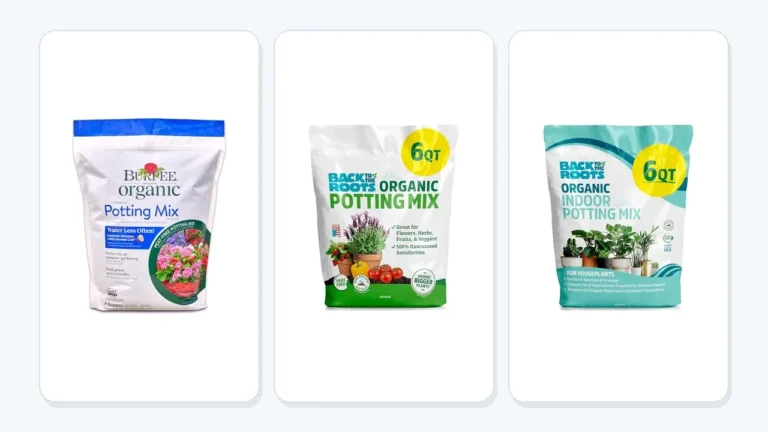
potting soil options can help when you’re comparing container products by intended use and ingredients. If you prefer products with organic ingredients, organic potting soil choices offer another way to narrow the options, but the word “organic” alone doesn’t tell you how well a mix will drain.
Important Tip: Don’t use a bag’s dark color as proof that the material is rich or ready for planting. Color varies with moisture and ingredients; texture, intended use, and label information tell you more.
Can You Mix These Soils or Use Them in the Wrong Place?
You can mix garden soil with potting soil in some situations, but adding dense garden soil to a container can reduce airflow and drainage. For most pots, use a mix made for containers; for an outdoor bed, blend materials only when you have a clear reason to improve the existing soil.
A common temptation is to stretch a bag of potting mix by adding garden soil. The finished blend may seem more substantial, but the garden soil can compact as the container is watered, making it harder for roots to get air. If you’re weighing that tradeoff, mixing garden and potting soil explains when blending may work and why the ratio matters.
I once worked a little compost into a bed without first checking how quickly the ground drained. The bed held water longer than I expected, which taught me to check the soil’s behavior before adding more material; a useful amendment in one spot can be the wrong fix in another.
A quick check can help you decide what needs attention. Water an in-ground area and notice whether it drains away or sits on the surface; for a pot, check that the drainage holes are open and that the medium doesn’t stay wet for days. Don’t use those observations as a lab test, but they can show whether drainage deserves a closer look.
If the wrong soil is already in a pot, the fix depends on the plant and how compacted the medium has become. If water runs through slowly, the mix stays heavy, or the plant keeps declining despite sensible care, repotting into fresh container mix may be more useful than trying to correct the whole pot with a small amount of amendment.
For outdoor ground, improve the soil gradually rather than burying it under a thin blanket of unrelated material. Work suitable organic matter into the area when conditions allow, and avoid digging or tilling soil that’s saturated; wet ground can smear and compact under tools or footsteps. If you’re unsure what a bed needs, a soil test through a local service can help identify pH and nutrient issues.
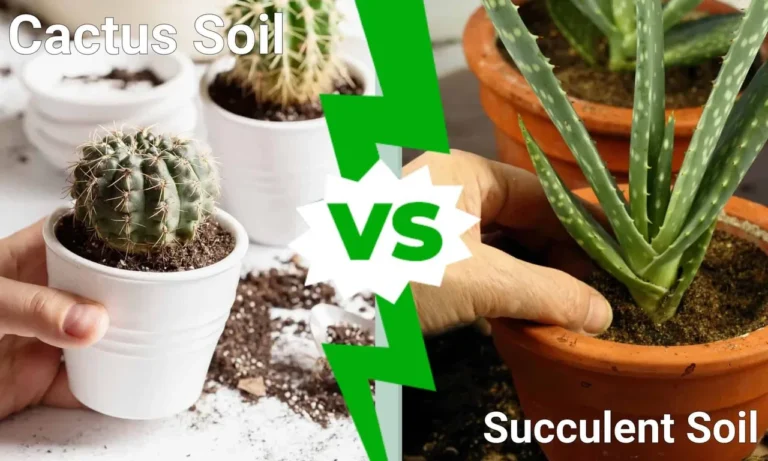
For container plants, choose a product suited to the plant and container, then adjust care based on how quickly the mix dries. The best soil for potted plants depends partly on the plant’s needs, because a moisture-loving fern and a drought-tolerant succulent shouldn’t be forced into the same watering rhythm.
- Garden soil is for outdoor ground, not the default choice for pots.
- Potting mix is designed for the drainage and airflow limits of containers.
- Topsoil is useful as fill, but its quality and planting value vary.
- Fix the soil problem you can identify instead of adding more material at random.
Common Mismatches and What to Do
| What you notice | Likely issue | A practical next move |
|---|---|---|
| Container stays wet and feels heavy | Medium may be too dense, or drainage holes may be blocked | Check holes and consider repotting into container mix |
| Water runs through a pot very quickly | Mix may be very dry or have shrunk from the pot edge | Rewet gradually and check the plant’s watering needs |
| Garden bed has standing water | Compaction, poor drainage, or site conditions may be involved | Check the area before adding amendments or changing grade |
| Topsoil looks lumpy or contains debris | Product may need screening or may not suit a fine planting layer | Use it as fill only if appropriate, or choose a planting blend |
Don’t pour garden soil into every container just because it came from a healthy outdoor bed. Ground soil benefits from the larger space around it; the same material can behave very differently when squeezed into a pot.
How to Use Each Material Well
A few simple habits prevent most soil mix-ups:
- Match the material to the growing place. Use container mix for pots, suitable garden soil or amendments for beds, and topsoil for filling when its quality fits the job.
- Check drainage before planting. Confirm that containers have open holes, and watch for standing water in outdoor areas.
- Read the product label. Look for the intended use, ingredients, and directions rather than relying on the biggest words on the bag.
- Avoid burying a problem under a new layer. If the bed is compacted or stays wet, find the cause before adding soil on top.
- Water according to the plant and medium. Container mix can dry at a different pace than in-ground soil, so check moisture rather than sticking to a rigid schedule.
Pro Tip: For a small pot, don’t add rocks at the bottom to “improve drainage.” Keep the drainage holes clear and use an appropriate container mix throughout; the rocks take up root space without fixing a dense medium.
If your outdoor bed is new or the soil behaves oddly, take time to observe it before planting the whole area. A handful of soil that clumps tightly when wet and becomes hard as it dries calls for a different approach than loose soil that drains quickly.
FAQs About Garden Soil vs Potting Soil vs Top Soil
Can I use garden soil in pots?
You can, but garden soil usually isn’t the best choice for containers because it may compact and hold water around roots. A container mix is made to leave more air space and drain through a pot’s limited volume. If you have a special reason to use garden soil, test a small pot first and watch moisture closely.
Is topsoil the same as garden soil?
No. Topsoil refers broadly to the upper layer of earth, while garden soil is commonly sold or prepared for outdoor planting beds. Product recipes vary, so a bag of topsoil may be suitable as fill without having the texture, organic matter, or amendments you’d want in a planting bed.
Can I use potting soil in a garden bed?
Yes, but it’s usually an expensive way to fill a large bed, and a potting mix may dry differently from the surrounding ground. For a small planting hole or container-style planter, it may fit the job. For a full bed, choose material intended for outdoor growing and consider the soil already there.
Should I put topsoil on top of a garden bed?
You can add topsoil to raise or level a bed, but a thin layer won’t automatically improve the soil underneath. A distinct layer can affect how water moves, and topsoil quality varies. If you’re planting in the area, blend suitable material into the bed instead of treating a surface dressing as a complete fix.
What’s the best soil for raised beds?
The best material for a raised bed is a blend intended for raised beds or garden beds, chosen for the plants and local conditions. Topsoil may be one component, but it isn’t always a complete growing medium on its own. Check the label, and leave enough depth for roots to grow.
Choose the Soil That Fits the Job
The practical choice is straightforward: use container mix in pots, garden soil or appropriate amendments in outdoor beds, and topsoil when you need suitable fill. Product labels matter because names don’t guarantee a consistent recipe, and the same material can behave differently in a pot than it does in open ground.
In my view, beginners get the best results by choosing for the growing location first, then adjusting only when they can name the problem. That keeps you from buying extra bags, fighting soggy containers, or covering a poor bed with a layer that doesn’t solve anything.
Before you plant, check the container holes or the bed’s drainage, then read the bag’s intended-use directions. It’s a small pause that can spare you a lot of digging later.

I’m Maya L. Greenwood, a lifelong plant lover who believes anyone can grow something beautiful with the right guidance. After years of testing soil mixes, pruning methods, irrigation tricks, and pest-safe solutions, I started EasyGardenTips.com to turn hard-won lessons into step-by-step advice. From seed starting and container gardens to composting and seasonal checklists, my goal is to make gardening simple, sustainable, and fun.
One Comment