How to Make Organic Potting Soil: Simple Recipe for Healthy Roots
A reliable organic potting mix starts with two parts coconut coir, one part finished compost, and one part perlite or pumice, measured by volume. Mix the ingredients evenly, moisten the blend, then adjust it until a squeezed handful holds together loosely and crumbles when touched.
Are your container plants drying out by lunchtime, or staying soggy long after you water? A good potting mix can help with both, but the right balance depends on the ingredients and the plants you’re growing.
I once mixed a batch with dry coir and assumed watering afterward would sort everything out. The coir stayed stubbornly dusty in the middle, and a few pots needed repeated watering before they soaked evenly; it’s a common mistake, not a dumb one.
I wrote this for anyone who wants to mix a useful, soil-free container blend without buying a pile of specialty products. You’ll get a straightforward recipe, learn what each ingredient does, and see how to adjust the mix for different plants.
Get the balance right and you can give roots steady moisture, good airflow, and room to grow. Skip the ingredient checks, though, and you could end up with a mix that drains too fast, packs tight, or brings unwanted pests into the house.
This takes about 10 minutes to read. By the end, you’ll know how to:
- Measure a balanced mix using parts instead of a scale.
- Choose compost and aeration materials that suit your plants.
- Adjust the recipe for seedlings, houseplants, and vegetables.
- Spot common mix problems before they stress your plants.

How to Make Organic Potting Soil: a Balanced Container Recipe
Use two parts coconut coir, one part finished compost, and one part perlite or pumice to make a general-purpose organic potting mix. A “part” is any container you choose, such as a scoop, bucket, or measuring cup, so four scoops of coir pair with two scoops each of compost and aeration material.
This recipe gives plant roots a blend of water retention, nutrients, and air spaces. It’s meant for pots and planters, not as a replacement for garden soil in a planting bed.
- Hydrate the coir. Follow the package directions if you’re using a compressed block, then loosen it and remove any hard, dry clumps. Coir needs to be evenly damp before you measure it.
- Measure the ingredients by volume. Add two parts hydrated coir, one part mature compost, and one part perlite or pumice to a clean tub or wheelbarrow.
- Blend thoroughly. Turn the mix from the bottom until the color and texture look even; compost pockets can hold more moisture than the surrounding coir.
- Check the moisture. Squeeze a handful. The mix should feel damp and hold its shape briefly, but it shouldn’t drip or form a dense lump.
- Adjust before filling pots. If the mix feels heavy or sticky, fold in a little more perlite or pumice. If it falls apart dry, add water a little at a time and mix again.
The same basic formula works with different ingredients, but their properties vary. For a broader look at home-mixed formulas, the homemade potting soil recipe covers other ways to balance a container blend.
Pro Tip: Use the same scoop for every ingredient. A coffee can works just fine, as long as you don’t switch to a much larger bucket halfway through.
Choose Ingredients That Do Useful Work
A good potting mix needs materials that hold moisture without squeezing the air from around the roots. Coir, compost, and perlite or pumice each fill a different job, so substitutions can change how quickly a pot dries.
Coconut coir is the fibrous material inside coconut husks. It helps hold water while keeping the mix loose, and it’s sold in loose bags or compressed blocks that need soaking. Coir brands can differ in texture and salt content, so follow package directions and rinse coir if the label recommends it.
Finished compost adds organic matter and nutrients. Choose compost that’s dark, crumbly, and earthy-smelling, without recognizable food scraps, sour odors, or a hot, steaming pile. Immature compost may keep decomposing in the pot and can cause trouble for young roots.
Perlite is a light, porous material that helps air and water move through the mix. Pumice does a similar job and is heavier, which can help keep larger pots from feeling too light. Use one or the other; there’s no need to add both unless you have a specific reason.
What if you only have peat moss instead of coir? Peat can fill the moisture-holding role, but it behaves differently as it dries and is not a peat-free choice; follow the package directions and pre-moisten it before mixing.
| Ingredient | Main job | What to check |
|---|---|---|
| Coconut coir | Holds moisture and keeps the mix fibrous | Hydrate compressed blocks fully |
| Finished compost | Adds organic matter and some nutrients | Look for a mature, earthy, crumbly texture |
| Perlite | Adds air space and helps drainage | Avoid breathing dust while handling |
| Pumice | Adds air space with more weight | Use a consistent size for an even blend |
| Peat moss | Holds moisture in place of coir | Pre-moisten dry material before mixing |
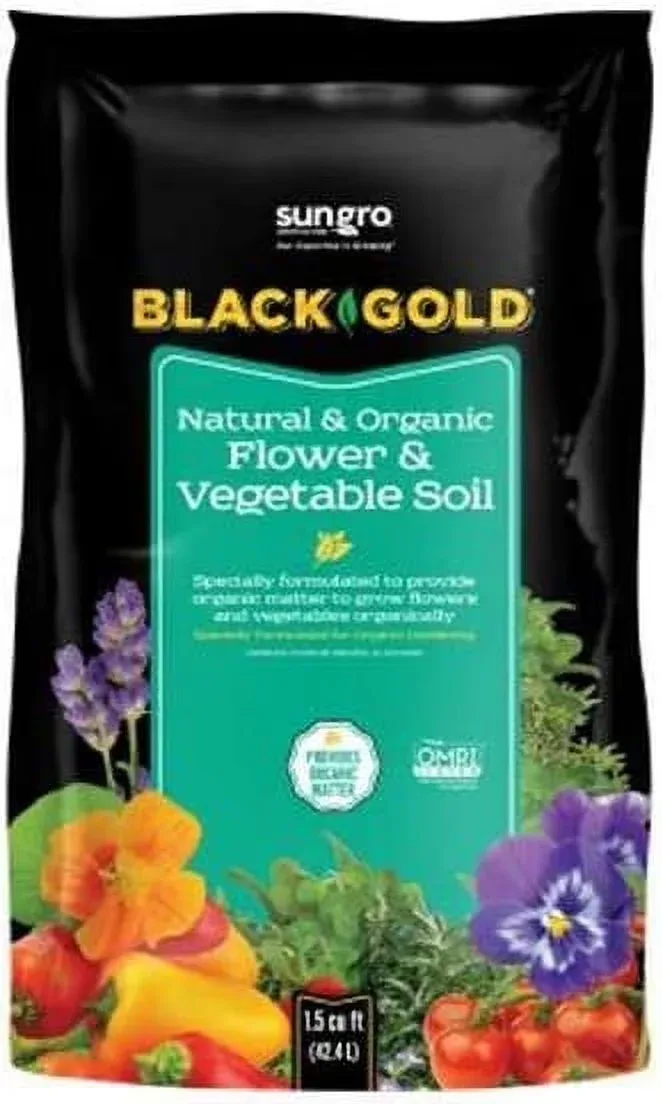
A commercial bag can be simpler if you don’t want to source ingredients or store leftovers. Comparing your homemade blend with organic potting soil options can help you decide whether mixing saves enough effort for your setup.
Adjust the Mix for the Plants You Grow
The base recipe suits many container plants, but plants with different roots and watering needs may do better with a small change. Start with the general mix, then adjust only when your plants or containers give you a clear reason.
For seedlings, use a fine, light mix that lets small roots push through easily. Screen out large compost pieces, avoid adding extra fertilizer by guesswork, and use fresh containers; young plants can be sensitive to concentrated nutrients and inconsistent moisture. A dedicated comparison of organic seedling potting mixes can help if you’d rather buy a ready-made starter blend.
For mature houseplants, adjust the aeration to match the plant and the pot. A leafy plant that likes evenly damp soil may do well with the base ratio, while a succulent usually needs a mix that drains faster and dries sooner. Don’t rely on a cactus label alone; check the plant’s care needs and watch how the mix behaves after watering.
For vegetables in pots, the general recipe is a useful starting point, but the container size and plant’s feeding needs matter. Tomatoes and peppers grow larger than salad greens, so they need enough pot volume and a steady supply of nutrients during the season.
Would extra compost feed container plants better? Not necessarily; too much compost can make a mix dense and hold more water than roots can use. Keep the base ratio for a first batch, then change one ingredient at a time if your plants need a different balance.
Important Tip: Don’t add fresh manure, kitchen scraps, or unfinished compost to a potting mix. Those materials can keep breaking down in the container and may harm roots or attract pests.
Mix, Moisten, and Store It Safely
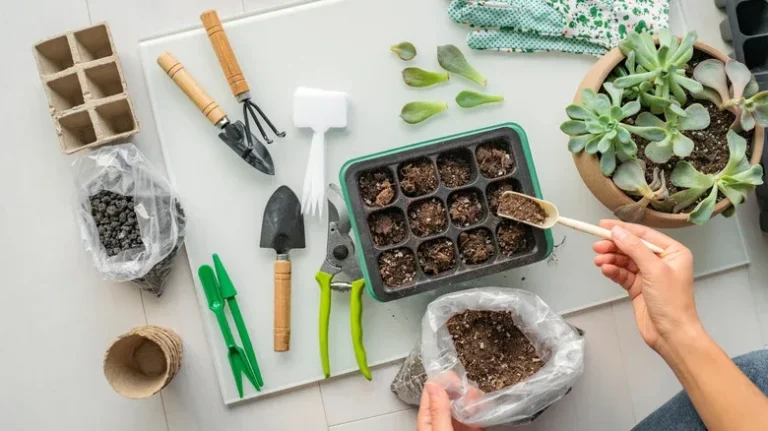
Mixing potting soil is simple, but controlling dust and moisture makes the work more comfortable and the result more even. A clean tub, a scoop, gloves, and a dust mask are enough for a small batch.
Before handling dry perlite, coir, or dusty compost, work outdoors or in a well-ventilated spot and avoid breathing airborne particles. Lightly dampen dusty materials first if the product directions allow it, and wash your hands when you’re done.
I once got impatient and poured water straight into a tub of dry ingredients, then spent more time breaking up wet clumps than mixing the batch. Since then, I hydrate the coir first and add any extra water in small amounts; a damp, even mix is much easier to fill into pots.
A few practical habits help keep the finished blend consistent:
- Use a container with drainage holes, since extra water needs a way out.
- Mix only what you can store in a clean, covered bin.
- Label the bin with the ingredients and the date you mixed it.
- Keep the mix away from wet floors, pests, and spilled fertilizers.
- Don’t reuse mix from a pot that held a diseased plant.
Should you add fertilizer while mixing? Only if you know what the plants need and the product directions fit the intended use. Compost can supply some nutrients, but its nutrient content varies, so a plant may still need feeding during the growing season.
Save Money Without Making a Heavy Mix
A homemade potting mix can cost less when you already have some ingredients or need enough for many containers. Savings depend on local prices, package sizes, shipping, and whether you can use the leftover materials before they degrade or get wet.
The most budget-friendly approach is usually to compare the cost per usable volume, not just the price on the bag. A compressed coir block may expand after hydration, while a large bag of perlite can be awkward to store if you only need a few scoops.
If you’re shopping for supplies, compare the ingredients and volume in low-cost potting soil options before choosing a homemade recipe. A cheap mix that packs down or dries unevenly can cost more in wasted plants and extra watering.
To keep costs sensible:
- Buy only the amount of each ingredient you can store dry and use.
- Choose either perlite or pumice instead of buying both.
- Use a consistent measuring container so each batch follows the same ratio.
- Reserve finer, cleaner ingredients for seedlings and small pots.
- Avoid adding extras that don’t solve a problem you’ve actually noticed.
For another batch plan with cost in mind, budget potting mix recipes can help you weigh ingredient swaps against the time and storage they require. I’d rather use a simple, repeatable mix than chase a long list of add-ins that each need their own shelf space.
Troubleshoot Common Potting Mix Problems
A plant’s watering symptoms can point to a mix problem, but light, pot size, and weather matter too. Check the mix itself before changing the watering schedule or adding more ingredients.
| What you notice | Possible cause | What to try |
|---|---|---|
| Water runs down the pot sides | Dry coir or a mix that has pulled away from the pot | Rewet slowly in stages and mix thoroughly next time |
| Mix stays wet for days | Too little aeration, a large pot, or low light | Check drainage and add aeration material to the next batch |
| Mix dries very quickly | A small pot, warm conditions, or too much aeration | Water thoroughly and consider a modest coir adjustment |
| Surface crust or clumps | Uneven ingredients or excess salts from an input | Break up the surface and check ingredient labels |
| Seedlings struggle after potting | Coarse texture, excess nutrients, or watering stress | Use a finer, milder mix and keep moisture steady |
If water runs down the side of a pot but the center stays dry, the mix may be hydrophobic, meaning it resists soaking after drying out. Water slowly in a few passes, allowing each pass time to soak in; next time, moisten coir evenly before blending.
If the pot stays soggy, check that the drainage holes are open and the container isn’t sitting in standing water. Adding gravel at the bottom won’t fix a dense mix, so adjust the mix itself instead.
Can You Use Garden Soil in Organic Potting Mix?
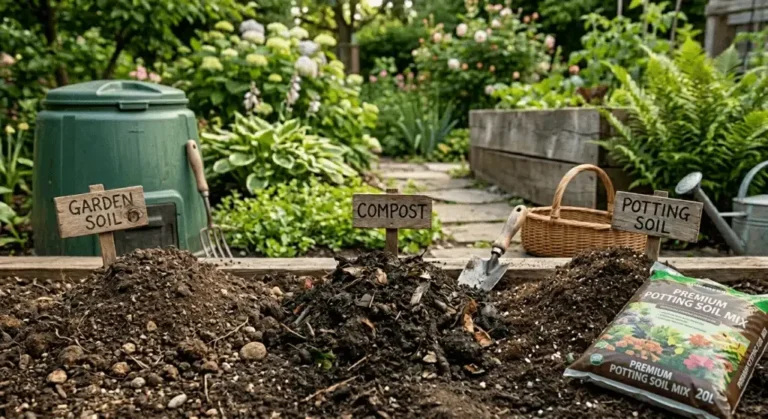
Garden soil is usually a poor choice as the main ingredient in containers because it can compact and restrict airflow around roots. A garden bed may drain well in the ground but behave like a heavy brick inside a pot.
If you’re considering a garden-soil blend, first compare the risks and preparation steps in using garden soil in pots. Soil texture, drainage, and pest history vary from yard to yard, so there’s no one safe ratio that fits every garden.
For most container plants, a purpose-made potting blend is the simpler choice. I’d avoid digging up garden soil for houseplants or seedlings, where a compacted or pest-carrying batch can create problems in a small space.
- Start with two parts hydrated coir, one part finished compost, and one part perlite or pumice.
- Adjust the mix based on drainage and plant needs, not by adding ingredients at random.
- Keep dry materials from getting airborne, and store unused mix clean and dry.
FAQs About How to Make Organic Potting Soil
Can I use homemade compost in potting soil?
Yes, if the compost is fully mature, crumbly, and earthy-smelling. Unfinished compost can keep heating or decomposing in a pot, where roots have little room to escape the effects. Screen homemade compost to remove large pieces, and don’t use a batch with a sour odor or visible food scraps.
Does organic potting soil need fertilizer?
Not always at planting, because finished compost can contribute nutrients, but compost strength varies. Some container plants use nutrients quickly, especially during active growth, so check the plant’s needs and follow the fertilizer label. Avoid adding fertilizer at a guessed dose, particularly in seedling mixes.
Is coconut coir better than peat moss?
Neither material is best for every gardener. Coir comes from coconut husks and is often sold compressed, while peat moss has different moisture behavior and is not peat-free. Choose based on availability, product directions, and your preference, then pre-moisten the material before mixing.
Can I reuse organic potting soil from old pots?
Sometimes, if the previous plant was healthy and the mix still drains well, but old potting mix loses structure and nutrients over time. Remove old roots and debris, then refresh the mix with new ingredients as needed. Don’t reuse mix from a diseased plant or a pot with serious pest problems.
How wet should homemade potting soil be?
Homemade potting soil should feel evenly damp, not soggy. A squeezed handful should briefly hold its shape and then crumble with a light touch, without releasing water. If the mix is dusty or dry inside, add water gradually and turn it between additions so the moisture spreads.
Start with One Small Batch
A simple, well-mixed base is a better starting point than a complicated recipe packed with extras. Use the same parts ratio, hydrate the ingredients properly, and judge the result by how the mix drains and how quickly it dries in your pots.
I’d make a small batch first, especially if you’re changing ingredients or potting up seedlings. That gives you a chance to notice whether the mix feels too heavy or dries too fast before you fill every container in the house. Keep the first recipe written down, make one adjustment at a time, and you’ll have a dependable blend without turning potting day into a science fair.

I’m Maya L. Greenwood, a lifelong plant lover who believes anyone can grow something beautiful with the right guidance. After years of testing soil mixes, pruning methods, irrigation tricks, and pest-safe solutions, I started EasyGardenTips.com to turn hard-won lessons into step-by-step advice. From seed starting and container gardens to composting and seasonal checklists, my goal is to make gardening simple, sustainable, and fun.