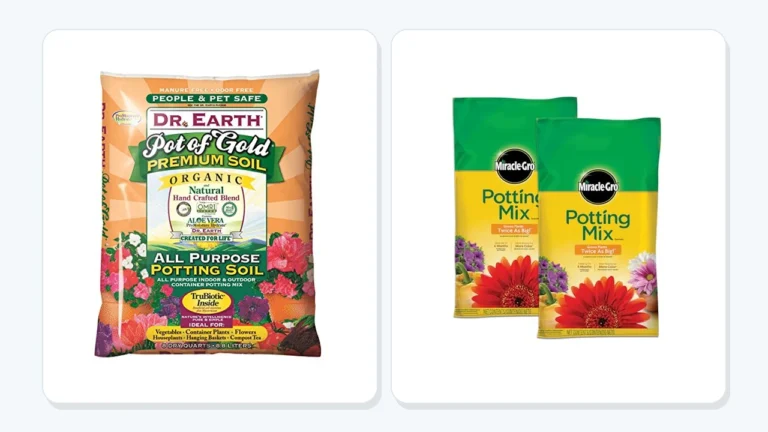
Black Gold Vs Foxfarm Potting Soil: Detailed Comparison and Verdict
If your goal is to grow plants, choose the 1.5cu Ft Light Aerated Texture; if you want a book to read, choose Black Gold: A Novel. These aren’t competing potting soils: one is a novel, and the other is a ready-to-use potting mix. That difference matters more than any comparison of gardening features.
The soil has a stated 1.5-cubic-foot size, a mix of aged forest products, peat moss, perlite, sandy loam, and fertilizer, plus two plant tags. No comparable growing ingredients or volume are established for the novel, because it isn’t a soil product.
For container gardening, houseplants, trees, shrubs, roses, or seedlings, the potting mix is the relevant choice. For a reading purchase, the novel is the relevant choice—but a title alone doesn’t tell you its author, plot, format, or length, so confirm those details before deciding.
This comparison lays out what each item is for, what can and can’t be meaningfully compared, and what to check before spending money. The short version: choose by intended use, not by the shared words “Black Gold” in the search.
| Black Gold: A Novel | 1.5cu Ft Light Aerated Texture |
 |
 |
Black Gold Vs Foxfarm Potting Soil Detailed Comparison
The central difference is simple: Black Gold: A Novel is a reading purchase, while 1.5cu Ft Light Aerated Texture is potting soil for plants. Neither is an alternative version of the other. A comparison can help clear up the search, but it can’t honestly rank them on soil quality, plant performance, or literary merit.
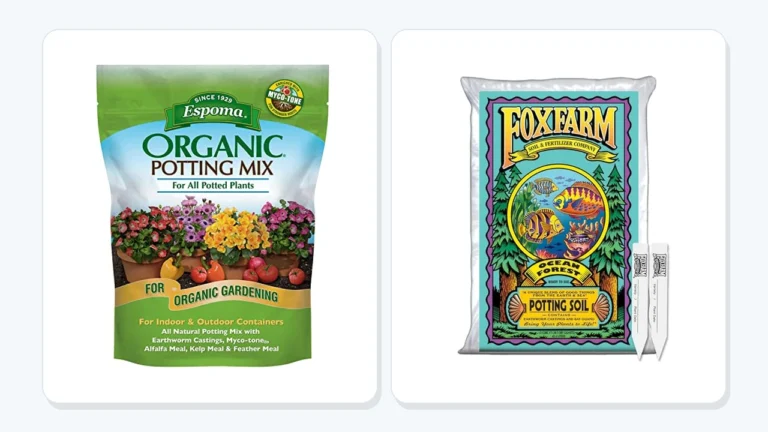
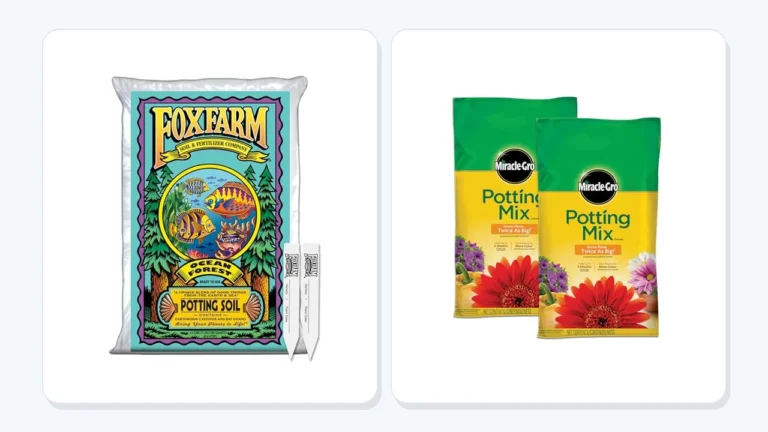
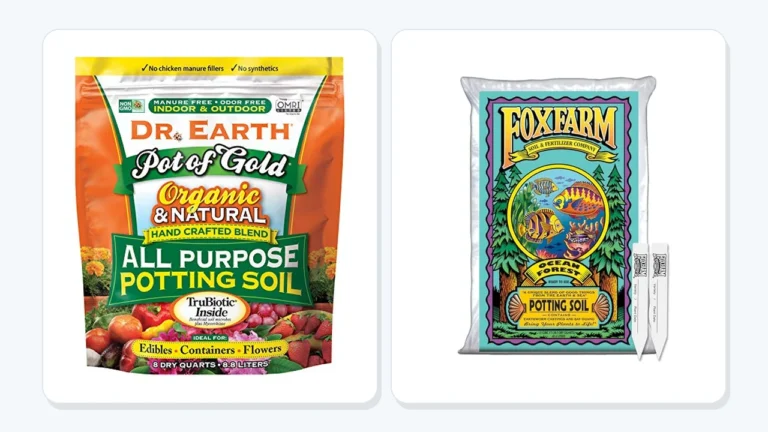
The potting mix has concrete gardening details to weigh. It comes as one 1.5-cubic-foot bag per purchase, is ready to use without additional ingredients, and includes two tags for marking plant varieties and planting dates. Its ingredients include 50–60% aged forest products, sphagnum peat moss, perlite, sandy loam, and fertilizer derived from fish meal, crab meal, shrimp meal, earthworm castings, and oyster shell.
Those ingredients point to practical aims: aged forest products and peat moss help retain moisture, while sandy loam contributes drainage. That gives a gardener something useful to assess against a container’s drainage and the plant’s needs. It does not, by itself, establish a precise watering schedule or guarantee a particular result.
For the novel, the confirmed distinction is its category: it is a novel, not a planting medium. Without confirmed author, story, edition, format, or page count, it would be guesswork to claim it suits a particular reader or offers better value than another book. Check those particulars if the reading choice is what brought you here.
Picture two ordinary shopping situations. Someone repotting a houseplant needs an appropriate growing medium, and the novel won’t help with that job. Someone choosing their next read needs information about the book itself, and a bag of soil won’t satisfy that need. The right pick depends on which problem you’re actually trying to solve.
Key Differences That Matter
Purpose: reading versus growing
Black Gold: A Novel is for reading. The potting mix is for growing plants in containers and other listed uses, including houseplants, trees, shrubs, roses, and seedlings. This isn’t a minor distinction: they have different jobs, and no shared name or search phrase makes them interchangeable.
If you searched for FoxFarm potting soil, focus on the soil product and its suitability for the plants you’re growing. If you searched for the book, focus on its author, subject, edition, and reading format. Those are separate buying questions, and the available details here don’t bridge them.
What you can assess
The soil gives a gardener a defined bag volume and an ingredient profile. The 1.5-cubic-foot amount helps estimate whether one bag might cover a planned group of containers. The ingredient list gives context for moisture retention, drainage, and included fertilizer, though it doesn’t specify how a particular plant will respond.
For the novel, there are no verified details here about plot, length, author, or format. That means there’s no responsible basis for comparing its literary style, reading time, or physical size with another book. Before buying it, make sure the exact title and edition match what you intend to read.
Ready-to-use soil versus an information check
The potting mix is described as ready for planting without extra ingredients. That can make setup easier: a container gardener doesn’t need to plan a separate mixing step just to prepare this product for use. It still makes sense to consider the plant, container, and watering routine rather than treating “ready to use” as a promise that the mix suits every growing situation.
The novel has no equivalent preparation step to compare. Its practical buying check is bibliographic: confirm that the author, edition, and format are the ones you want. If you’re buying for someone else, those details can prevent a disappointing duplicate or an unsuitable reading format.
Quantity and small practical extras
One purchase of the soil provides one 1.5-cubic-foot bag and two plant tags. The volume is useful for planning, but it doesn’t say how many pots you can fill; container dimensions and fill depth determine that. Measure or estimate your containers before buying, especially if you have several large pots.
The tags can help keep varieties and planting dates straight, which is handy when several seedlings or similar-looking plants share a space. They don’t change the soil’s growing properties. No comparable included extras or physical dimensions are established for the novel, so those shouldn’t be treated as matched features.
Performance, Features, and Everyday Use
For a container gardener, the soil’s main everyday advantage is a simpler starting point. It’s described as ready for immediate use, so the basic setup is to decide which containers need filling and how much mix they require. If the job involves a broad planting area or many large pots, calculate volume first; one 1.5-cubic-foot bag may not cover the whole project.
The mix combines moisture-retaining and drainage-related ingredients. Aged forest products and sphagnum peat moss help hold moisture, while sandy loam has drainage properties; perlite is also part of the ingredient blend. That combination is relevant when choosing a potting mix, but it doesn’t remove the need for sensible watering or containers suited to the plants being grown.
Fertilizer is included, with ingredients derived from fish meal, crab meal, shrimp meal, earthworm castings, and oyster shell. That’s useful to know before adding other products: consider the plant’s needs and your existing feeding plan rather than assuming extra fertilizer is automatically necessary. No feeding duration or nutrient analysis is established here, so don’t infer one.
The soil is described as suitable for seedlings as well as established container plants. For someone starting seeds, that broad intended use may be convenient; still, seedlings can have specific requirements, and the product details don’t establish a particular seed-starting method or germination result. Follow the needs of the plants you’re raising.
The two tags offer a small organizational aid. Marking a variety and planting date can be helpful when several pots look alike or plantings happen over multiple weekends. They’re not a substitute for keeping a separate record if you need more information, such as watering notes or a full planting plan.
Everyday use of Black Gold: A Novel is a different kind of decision. If you want a book, its usefulness depends on whether its subject and format fit your reading preferences. Those details aren’t established here, so treat the title as a starting point, not enough information to judge whether you’ll enjoy it.
That gap affects value, too. A bag of soil can be assessed in relation to the quantity needed for a planting job; a novel needs different checks, such as edition and format. There’s no fair shared price-per-use calculation across a book and potting mix, and no price information is established for either item here.
There are also practical limits to what can be concluded about the soil. The ingredient list and intended uses don’t establish a specific pH, fertilizer analysis, or exact watering frequency. If one of those details matters to your plants, verify it before choosing; don’t fill the gap with assumptions based on the product name or a general ingredient description.
Pros and Cons
Black Gold: A Novel
Pros
- ✓Clear category: It’s a novel for shoppers seeking a reading purchase.
- ✓No gardening setup: It isn’t soil, so no planting preparation applies.
Cons
- –Not a growing medium: It won’t help someone shopping for potting soil.
- –Reader fit is unclear: Confirm the author, plot, and format before choosing it.
1.5cu Ft Light Aerated Texture
Pros
- ✓Ready to use: No additional ingredients are required before planting.
- ✓Useful ingredient detail: The blend includes moisture-retaining and drainage-related materials.
- ✓Broad stated use: It’s intended for containers, houseplants, shrubs, roses, trees, and seedlings.
- ✓Two plant tags: They can help track varieties and planting dates.
Cons
- –Fixed bag volume: Larger projects may require more than one 1.5-cubic-foot bag.
- –Plant-specific fit still matters: Check whether the mix suits the plants you’re growing.
- –Some growing details aren’t established: Confirm any specific pH or feeding information you need.
Which One Should You Buy?
Choose Black Gold: A Novel if you’re shopping for a book and have confirmed that this is the title, author, and format you want. If you’re choosing it as a gift, check the recipient’s reading preferences and make sure the edition is appropriate. The title alone isn’t enough to predict whether the story will be a good fit.
Who Should Skip This: Skip Black Gold: A Novel if your immediate need is soil for a garden, a houseplant, or seedlings. It’s a novel, not a planting product. Buying it for a gardening job would leave that job untouched.
Choose 1.5cu Ft Light Aerated Texture if you need a ready-to-use potting mix for one or more of its stated uses. It may suit a gardener who values a known bag volume, an ingredient profile that includes both moisture-retaining and drainage-related materials, and two tags for organizing plants. Estimate your container volume before purchasing so you’re not caught short halfway through repotting.
The soil is the practical match for container planting, but that doesn’t mean it’s automatically right for every plant or setup. If your decision depends on a specific pH, nutrient level, or growing requirement, check that detail first. The ingredients provide useful context, not a complete care plan.
Who Should Skip This: Skip the potting mix if you’re looking for a book, or if you haven’t checked whether a ready-to-use mix suits your plants and project. It won’t satisfy a reading need, and its stated volume may not be enough for a large planting job.
Choosing the wrong item has a straightforward cost: a book won’t fill a pot, and a bag of soil won’t give you a reading experience. If you’re torn because the search results put them together, pause and name the job first. That usually settles the choice before you spend.
For the soil, the most useful pre-purchase check is quantity. Estimate how much space your containers need, then decide whether one 1.5-cubic-foot bag is enough. For the novel, the most useful check is identity: confirm author, plot, edition, and format. Those checks address the meaningful unknowns for each category.
If your actual comparison is between this potting mix and another soil, compare their intended uses, ingredient profiles, volume, and any plant-specific details that matter to you. If it’s between this novel and another book, compare authors, summaries, formats, and length. Those are sound comparisons; weighing a novel against soil isn’t.
FAQS About Black Gold Vs Foxfarm Potting Soil
Is Black Gold: A Novel a potting soil?
No. Black Gold: A Novel is a novel. The 1.5cu Ft Light Aerated Texture product is potting soil, so only the soil is relevant to a planting project.
Which product should I choose for container plants?
Choose the potting mix if its intended use and ingredients fit your plants. It’s described as ready for immediate use and suitable for container gardens, houseplants, trees, shrubs, roses, and seedlings.
How much potting soil comes with 1.5cu Ft Light Aerated Texture?
One purchase provides one 1.5-cubic-foot bag. How many containers that fills depends on their dimensions and how much mix each needs.
Does the potting mix need extra ingredients before planting?
No additional ingredients are required for immediate use. The blend already includes fertilizer, but specific feeding needs depend on the plants and care plan.
Final Verdict: Which One Wins?
Black Gold: A Novel wins only for the buyer looking for a book. Confirm its author, story, and format before choosing it, since the title alone doesn’t establish what kind of reading experience it offers.
For planting, 1.5cu Ft Light Aerated Texture is the clear practical choice: it is ready to use, comes in a 1.5-cubic-foot bag, and has an ingredient profile suited to several stated container and plant uses. Check the amount needed and any plant-specific requirements before buying.
There’s no universal winner between a novel and potting soil. Match the purchase to the job: buy the book to read, and the soil to plant.

I’m Maya L. Greenwood, a lifelong plant lover who believes anyone can grow something beautiful with the right guidance. After years of testing soil mixes, pruning methods, irrigation tricks, and pest-safe solutions, I started EasyGardenTips.com to turn hard-won lessons into step-by-step advice. From seed starting and container gardens to composting and seasonal checklists, my goal is to make gardening simple, sustainable, and fun.