Is It Cheaper to Make Your Own Potting Soil? Real Cost Breakdown
Usually, making potting soil costs less per gallon when you mix a large batch and use ingredients you can buy affordably. For a few small pots, a bagged mix often costs less once you count what you have to buy up front.
Are you trying to fill a balcony’s worth of planters without watching the bill climb? Or have you priced a stack of ingredients and wondered if the savings disappear before you even open the bags?
I once mixed a small batch in a hurry and bought more of each ingredient than the recipe needed. The leftover bags sat in the shed, and the “cheap” mix cost more at checkout than a ready-made bag would have. That’s a common mistake, not a dumb one.
I wrote this to help you compare the cost you’ll actually pay, not just the appealing price of a homemade recipe. You’ll get a straightforward way to price a batch, pick ingredients for your plants, and avoid spending money on supplies you won’t use.
Get the mix right and you can save on repeat batches, choose ingredients that suit your containers, and avoid paying for more soil than you need. Get the math wrong and you may end up with half-used bags, a mix that drains poorly, or plants that need repotting.
This takes about 10 minutes to read. By the end, you’ll be able to:
- Compare a bag’s price with the cost of a homemade batch.
- Work out whether a larger mix is worth the upfront expense.
- Choose a simple recipe that fits your plants and containers.
- Spot the common mix and storage mistakes that waste money.
Is It Cheaper to Make Your Own Potting Soil?
Making your own potting soil is often cheaper per gallon when you use most of the ingredients and mix enough to spread their cost across several containers. For one or two small pots, ready-made mix can be the cheaper choice because you pay only for the amount you need.
The key is comparing the cost per usable gallon, not just the price of one bag of compost or perlite. Potting mix is the loose material that supports roots in containers; it isn’t the same thing as topsoil dug from a yard.
Here’s the basic calculation:
- Add the purchase prices of the ingredients you’ll use.
- Estimate how much finished mix the recipe makes.
- Divide your ingredient cost by the finished gallons.
- Compare that amount with the bagged mix’s price per gallon.
A cubic foot contains about 7.5 gallons. If a bag costs $15 and holds 1 cubic foot, its price is about $2 per gallon. Use the volume printed on the bag, since bag sizes vary.
What if you only need enough for a couple of herb pots? Check the bag price against the amount you’ll actually use; buying a full set of ingredients for a tiny batch can leave you with costly leftovers.
This sample cost comparison uses made-up prices to show the math, not current store prices or a national average. Replace the numbers with the prices and quantities on your own receipts.
| Option | Sample cost | Finished mix | Approximate cost per gallon |
|---|---|---|---|
| Bagged mix | $15 | 7.5 gallons | $2.00 |
| Homemade batch | $24 in ingredients | 15 gallons | $1.60 |
| Homemade batch, buying all new bags | $38 at checkout | 15 gallons | $2.53 paid upfront |
In this sample, the homemade mix costs less per gallon if you use the ingredients across the full 15 gallons. If you’re mixing only one 7.5-gallon bag’s worth, the $24 ingredient cost is not automatically a $12 savings: you still own whatever ingredients remain, but you had to pay for them.
That difference between cost per batch and cash paid at checkout matters. Leftover ingredients can make the next batch inexpensive, but only if you have room to store them and use them before they get wet, contaminated, or packed into useless clumps.
For a fair comparison, match the same volume and the same job. A basic mix for outdoor tomatoes shouldn’t be judged against a specialty blend for orchids or seed starting; those products serve different needs and may contain different ingredients.
What Changes the Cost of Homemade Potting Soil?
Ingredient prices, package sizes, recipe choices, and leftover supplies determine whether homemade potting soil saves money. Buying a large bag can lower the cost per gallon, but that only helps if you can store and use it.
Coir is a fluffy material made from coconut husks that holds water while leaving room for air. Peat moss also holds moisture and is used in many mixes, though gardeners may choose coir for personal or sourcing reasons. Prices vary by package size and location, so compare the amount of finished mix each package can make.
Perlite is a lightweight, expanded mineral that creates air spaces and helps water drain. Vermiculite holds more water and can be useful in mixes that need extra moisture retention. They aren’t interchangeable in every recipe, so don’t swap one for the other just because one bag is on sale.
Compost adds organic matter and some nutrients, but its quality and texture can vary. A bag of coarse compost may not behave like fine, screened compost, even if both labels say “compost.” If the material is lumpy or wet, it may also be harder to measure and mix evenly.
Your delivery or travel costs count too. A cheap bulk ingredient can stop being a bargain if you make a special drive for one bag, while a nearby garden center may offer a smaller package that better fits your project.
Would a cheaper ingredient always make the cheaper mix? No. A low-cost material that leaves your containers waterlogged or packed tight may cost more later if you have to replace plants or repot them.
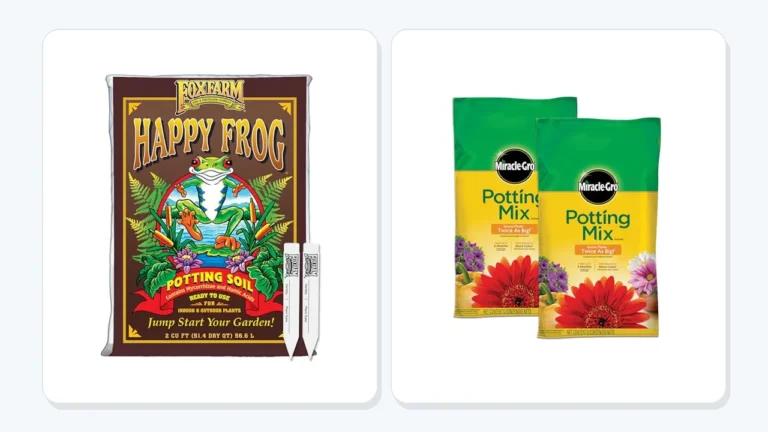
If you’re comparing store bags, check volume, intended use, and included ingredients before looking at the price tag. A discussion of cheap potting soil can help you compare budget bagged mixes with homemade options, especially when you only need a small amount.
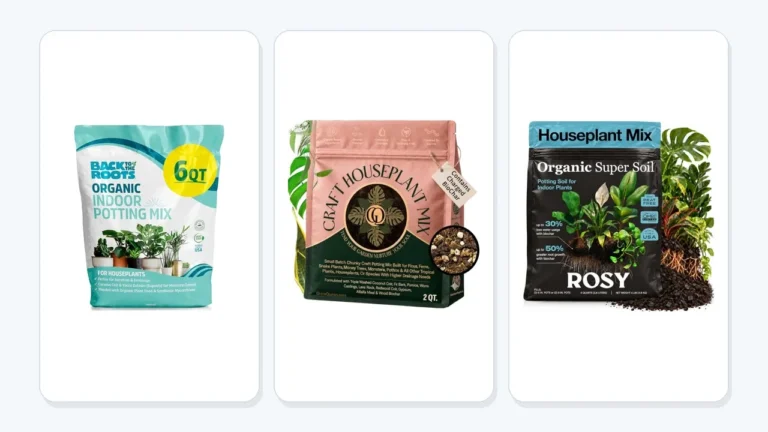
Organic labels and ingredient choices can affect price, too. If you’re weighing those details, a guide to organic potting soil options can help you compare what the label means for your purchase instead of assuming every organic mix has the same contents.
Container weight is another practical cost, even when it doesn’t show up on the receipt. A large patio planter filled with a dense mix can be a pain to move after watering, so compare the ingredients and finished weight before mixing a heavy batch; lightweight potting soil choices may suit movable planters better.
Pro Tip: Price each ingredient by usable volume, not by bag price alone. If one compressed block expands after soaking, use the expanded yield on the package when you calculate your recipe.
How to Make a Cost-Effective Batch That Works
A cost-effective potting mix uses a simple recipe suited to the plant, then measures the ingredients by volume. You don’t need a long shopping list; the goal is a mix that holds enough moisture for roots while allowing excess water to drain.
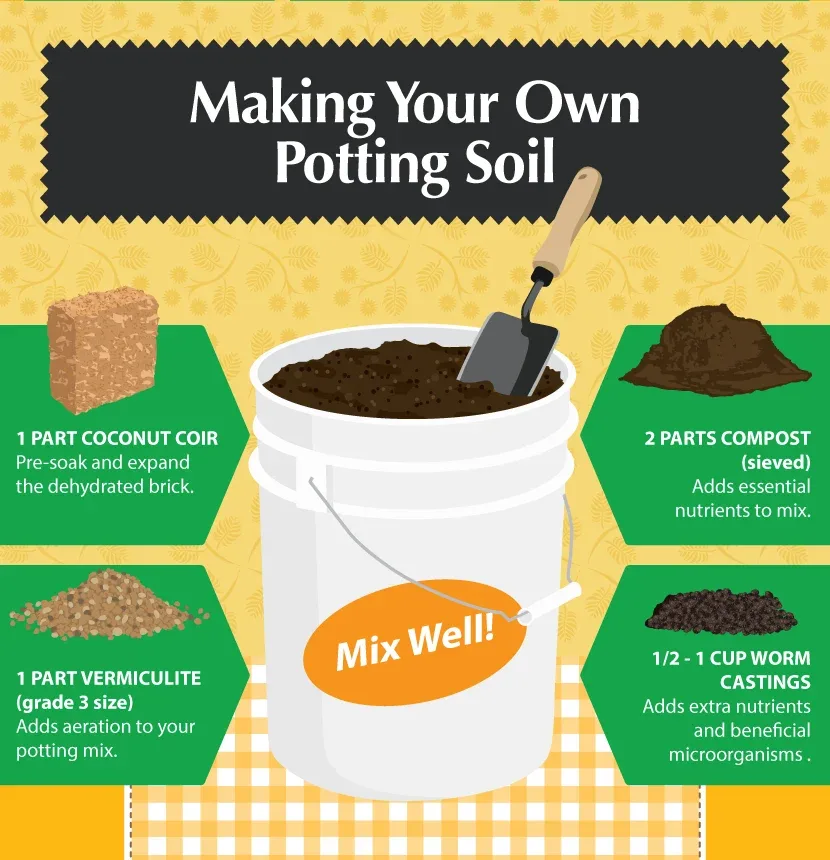
A basic all-purpose starting point is equal volumes of a moisture-holding base, compost, and an aerating ingredient such as perlite. The right balance depends on the plants, the container, and how often you water, so treat that as a starting recipe rather than a rule for every pot.
To plan a batch, use a bucket or another container as your measuring unit:
- Choose a recipe based on the plants and container size.
- Check the package yields and calculate how many measures you need.
- Add dry ingredients to a clean tub or wheelbarrow.
- Mix until the color and texture look even.
- Moisten the mix lightly before filling pots, then check how it drains.
You can get recipe ideas from potting soil recipes for home mixing, then price the ingredients against the finished volume. A recipe that makes more mix than you need isn’t a saving unless you can use or store the extra.
Pro Tip: Make a small test batch before mixing a large amount. Fill one pot, water it, and check whether the mix drains freely while staying slightly moist; adjusting a bucket is easier than correcting a whole wheelbarrow.
I learned that lesson after mixing more compost into a container blend because the dry ingredients looked pale and loose. Once watered, the mix stayed soggy longer than I wanted, so I had to loosen it before filling the remaining pots. The color isn’t a reliable measure of whether a mix is balanced.
Plants have different needs, so a single recipe won’t be the best fit for every container. Seedlings usually need a finer, lighter medium than a large outdoor planter, while succulents generally need a mix that drains quickly. For houseplants, the room’s light and your watering habits matter, too: a pot in a bright, warm window may dry faster than one in a cool corner.
What if you want the feel of garden soil in a container mix? Garden soil can be heavy and may compact in a pot, so don’t shovel it straight into a planter and expect the same drainage as a purpose-made mix. If you’re considering it, read about using garden soil in potting mix before deciding how to amend it.
Gardeners who want a mineral-rich, crumbly texture may also look into a loamy mix. The word loam describes a balanced soil texture with sand, silt, and clay, but a container mix needs enough drainage and air for roots; making loamy potting soil involves more than tossing yard dirt into a bucket.
For a container recipe, buy only the ingredients that do a job. Adding extra materials because a recipe lists them can raise your cost without helping your plants.
When Bagged Mix Is the Better Deal
Bagged potting mix is often the better deal for small projects, first-time growers, and gardeners who lack storage space. It’s also the simpler choice if you need a specific blend and don’t want to experiment with ingredient ratios.
A ready-made bag can make sense when you’re filling a few small pots, starting one season’s worth of seedlings, or replacing a plant in an existing container. You pay for a finished mix and avoid purchasing several full packages for a one-time job.
Homemade mixing starts to make more sense when you have several containers, plan to reuse the recipe, or can share bulk ingredients with a neighbor. Just count the space those materials take up. A damp garage corner is not a great home for open bags of growing supplies.
Check whether the bagged product is intended for containers, seed starting, or a specific plant group. A mix made for one purpose may not behave the way you expect in another. The label is more useful than a vague promise like “all purpose.”
If you already have compost and perlite on hand, the cost of your next batch may be low. If you need to buy every ingredient at full package size, compare the checkout total with the cost of enough bagged mix for the same containers.
A good comparison includes the work involved, too. Mixing takes time and a place to spread ingredients; bagged mix saves that effort, though hauling several heavy bags can be a chore of its own.
Important Tip: Don’t reuse old potting mix from a container that had a serious disease or persistent pest problem. If you’re unsure what caused a plant to fail, fresh mix is the safer choice than moving the same problem into a new pot.
Common Mistakes That Eat Up the Savings
The biggest money-wasting mistakes are buying too many ingredients, using a recipe that doesn’t fit the plants, and storing the leftovers poorly. A little planning before checkout beats a pile of unused bags later.
- Buying every ingredient at once: Start with the smallest package sizes that fit your planned batch.
- Ignoring the package yield: A compressed ingredient may expand after water is added, so calculate with the stated finished volume.
- Using garden dirt as the main base: Dense soil can settle and restrict drainage in a container.
- Making a huge batch before testing: Mix a small amount first and adjust it to your watering habits.
- Leaving ingredients exposed: Rain can change texture and make dry materials clump or spoil.
Safety deserves a spot in the cost calculation, too. Dry ingredients can create dust, and perlite can be especially irritating if you breathe it in. Before pouring dusty materials, work outside or in a well-ventilated area, avoid creating a cloud, and wear a dust mask if needed.
Keep materials off food-preparation surfaces, and wash your hands after mixing. If compost smells sour, looks unusually slimy, or contains obvious trash, don’t put it into a container mix; saving a few dollars isn’t worth giving plants questionable material.
Store opened bags in a dry, covered place, and keep them away from pests and standing water. A sealed bin or closed bag can help, but don’t trap wet material inside and expect it to stay fresh.
- DIY usually saves money when you use enough of the ingredients.
- Compare the full checkout cost as well as the cost per gallon.
- Test a small batch and store leftovers dry before mixing more.
FAQs About Is It Cheaper to Make Your Own Potting Soil
Is homemade potting soil cheaper than bagged potting soil?
Sometimes. Homemade potting soil often costs less per gallon when you mix a larger batch and use most of each ingredient. Bagged potting soil can cost less for a small project because you avoid buying full packages of compost, coir, perlite, or other materials you won’t use right away.
What is the cheapest ingredient for homemade potting soil?
There isn’t one cheapest ingredient for every gardener, because prices depend on package size, location, and the recipe. Compare each material by the amount of finished mix it provides. Compost, coir, peat moss, perlite, and vermiculite each serve different purposes, so replacing one just because it costs less can change the mix.
Can I make potting soil without perlite?
Yes. Some mixes use another material to improve airflow and drainage, while other recipes rely on their base ingredients and container setup. The right choice depends on the plants and how wet the mix stays.
If you leave out perlite, test a small batch in one pot before filling every container.
How much potting soil does one cubic foot make?
One cubic foot is about 7.5 gallons of volume. A recipe’s finished amount can vary depending on how the ingredients are measured, whether they’re compressed, and how much water you add. Use the package yield for compressed materials and leave a little extra room in your plan for settling.
Is homemade potting soil good for all plants?
No. A general-purpose homemade mix can work for many container plants, but seedlings, succulents, and plants with unusual moisture needs may need a different texture. Choose the recipe for the plant and container, then adjust based on how quickly the mix drains and dries between waterings.
Make the Cost Match Your Garden
Making potting soil at home can save money, but only when the batch size, ingredient prices, and plant needs line up. A large batch made from materials you’ll use again is a different deal from buying four full-size bags to fill two small pots.
I’d start by pricing one realistic recipe for the containers you actually have. Compare the cost per gallon with a bagged mix, then test a small amount before committing to a bigger batch.
That simple check can spare you from paying for leftovers you can’t store or a mix that doesn’t suit your plants. If you already have some ingredients, count those first; your next batch may be the one that makes DIY worthwhile.

I’m Maya L. Greenwood, a lifelong plant lover who believes anyone can grow something beautiful with the right guidance. After years of testing soil mixes, pruning methods, irrigation tricks, and pest-safe solutions, I started EasyGardenTips.com to turn hard-won lessons into step-by-step advice. From seed starting and container gardens to composting and seasonal checklists, my goal is to make gardening simple, sustainable, and fun.