
7 Best Raised Garden Beds for Vegetables and Bigger Harvests
A raised garden bed can turn a sunny corner into a vegetable garden, but the wrong style can leave you hauling too much soil, fighting poor drainage, or bending over every morning. Choose a bed that is too shallow for the crops you want, and tomatoes, cucumbers, and other hungry plants may struggle before harvest time.
The big decisions are height, drainage, planting space, and material. A bottomless metal bed works well over soil, while an elevated planter makes more sense on a patio, deck, or balcony where you need a contained growing box.
Here is what the guide covers:
- Which bed sizes suit leafy greens, herbs, tomatoes, and root crops.
- How open bottoms, drainage holes, liners, and water reservoirs affect plant health.
- What to expect from galvanized steel, fir wood, coated metal, and plastic construction.
- How to fill, water, assemble, and maintain a raised vegetable bed.
Quick Picks
-
Best For Simple In-Ground Growing

Land Guard 2 Pack 4×2×1ft Galvanized Raised
Open-bottom galvanized steel beds drain into native soil and suit gardeners growing vegetables in backyard spaces.
-
Best For Back-Friendly Gardening

Best Choice Products 72x24x30in Wood Raised Garden
A 30-inch wooden height, drainage holes, and divided planting space help patio gardeners tend vegetables without kneeling.
Top 7 Raised Garden Beds for Vegetables at a Glance
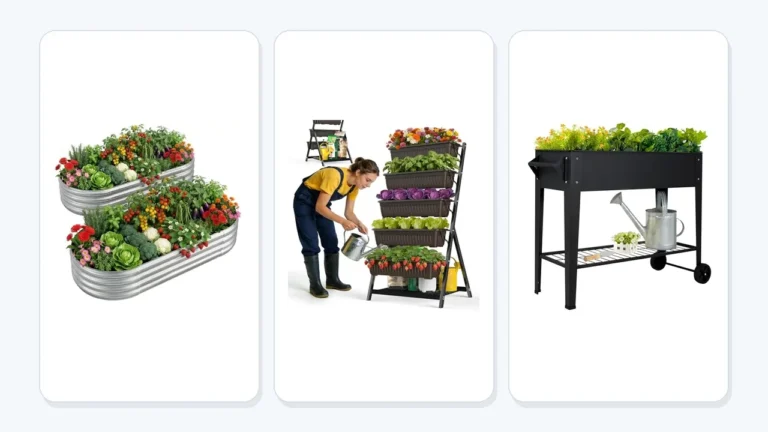
Land Guard is the first place to look for a straightforward ground-level setup with two galvanized beds and open bottoms. Best Choice Products, Vego Garden, MIXC, and LEETOLLA focus more on comfortable working height, while Keter is sized for herbs and smaller spaces and Rakukiri gives you a long oval metal bed.
| Product image | Product name | Check product |
|---|---|---|
| 1 |
Land Guard 2 Pack 4×2×1ft Galvanized Raised | Check Price |
| 2 |
Best Choice Products 72x24x30in Wood Raised Garden | Check Price |
3 |
Vego garden Raised Garden Bed Kits, 17″ | Check Price |
4 |
Keter Urban Bloomer 12.7 Gallon Raised Garden | Check Price |
5 |
MIXC 331lb Capacity Sturdy Wooden Raised Garden | Check Price |
6 |
LEETOLLA 31.6-Inch Elevated Raised Garden Bed with | Check Price |
7 |
Rakukiri Raised Garden Bed GRS Certified Galvanized | Check Price |
7 Best Raised Garden Beds for Vegetables: Detailed Reviews
When I chose the best raised garden beds for vegetables, I paid attention to planting depth, drainage, working height, material, and the amount of soil each design needs. Those details decide whether roots stay healthy, whether watering becomes a chore, and whether your garden fits the space you actually have.
I kept the group broad because a balcony gardener needs something different from a homeowner with open soil. Looking at ground beds, elevated wooden planters, modular metal kits, and rolling designs side by side makes the trade-offs easier to see before you buy bags of soil.
1. Land Guard 2 Pack 4×2×1ft Galvanized Raised
Open-bottom galvanized steel beds drain into native soil and suit gardeners growing vegetables in backyard spaces.
- ColorSilver
- Size4×2×1ft
- Number Of Items2
- MaterialNot listed; check details
Land Guard Raised Bed is a pair of bottomless galvanized steel beds for gardeners who want simple vegetable growing directly on the ground.
Open-bottom construction
An open bottom means the planting area has no solid floor underneath. Land Guard Raised Bed lets excess water move down into the soil below, which can reduce standing water after heavy rain and gives roots a larger area to extend into.
That design works best on a reasonably level patch of earth. It is less useful on a concrete patio because the soil would sit directly on the surface, and the open base would not provide the same natural drainage.
Galvanized steel sides
Galvanized steel is steel covered with a zinc coating that helps resist rust and corrosion. Land Guard Raised Bed uses galvanized steel sides, so the frame is a practical choice for outdoor growing where wet soil and rain are unavoidable.
The 4×2×1ft footprint gives you a manageable rectangle for greens, herbs, radishes, and compact vegetables. A one-foot side height is useful for many ordinary garden crops, though deep-rooted plants may need more soil below the bed or a taller design.
The main watchout is the bottomless layout. Land Guard Raised Bed needs a suitable ground location, and the final placement matters because moving a filled bed is not realistic.
Pros:
- Galvanized steel sides, better resistance to outdoor moisture.
- Open bottom, lets excess water drain into the ground.
- 4×2×1ft size, fits smaller backyard growing areas.
- Two beds included, separates crops or planting schedules.
- Nuts, bolts, washers, and instructions, supports assembly without prior experience.
Cons:
- Open bottom is not suited to most hard patios.
- One-foot height may not suit deep-rooted vegetables.
- Soil and location need planning before filling.
Buy it if: you have a level soil area, because the open bottom and two 4×2×1ft galvanized beds create a simple backyard growing setup.
Skip it if: you need a raised planter for a balcony or want standing-height gardening, because a contained elevated bed would suit you better. For another fit, consider Choice or Vego.
What I like here is the plain design. Land Guard Raised Bed does not ask you to manage a reservoir, wheels, or a complicated frame, and the pair of beds gives you a useful way to separate vegetables from herbs. Double-check the available ground area and the soil depth your chosen crops need before buying.
I’d choose Land Guard Raised Bed for a first backyard garden where drainage into native soil matters more than working height.
2. Best Choice Products 72x24x30in Wood Raised Garden
A 30-inch wooden height, drainage holes, and divided planting space help patio gardeners tend vegetables without kneeling.
- ColorNatural
- SizeStandard 72″ Length
- Weight Capacity300 lbs
- Number Of Items1
Best Choice Products Raised Bed is a 30-inch-tall wooden planter for patio, deck, balcony, and backyard gardeners who would rather stand than kneel.
Elevated planting height
An elevated planter holds the growing area above the ground on legs. Best Choice Products Raised Bed places the soil at a 30-inch height, which can make planting, weeding, and harvesting easier for someone with sore knees or limited comfort bending down.
The height also keeps the planting area away from many small ground-level pests. It does not make the bed pest-proof, and you still need to watch for insects and animals that can reach the foliage.
Divided wooden growing space
Best Choice Products Raised Bed provides 8.4 cubic feet of planting space and includes a divider panel. The divider gives you a simple way to separate herbs from vegetables or keep crops with different watering needs apart.
Six drainage holes let excess water escape and help air reach the roots. The 300-pound capacity is useful to remember when filling the planter, since wet soil is heavy and decorative stones or large containers add more weight.
The main limitation is that an elevated bed has a finite soil volume. Best Choice Products Raised Bed is comfortable to tend, but large plants may need support and careful spacing inside the 72-inch by 24-inch footprint.
Pros:
- 30-inch height, reduces bending and kneeling.
- 8.4 cubic feet, gives vegetables room to grow.
- Six drainage holes, lets excess water escape.
- Divider panel, separates crops with different needs.
- Chinese fir construction, provides a natural wooden frame.
Cons:
- Elevated soil volume limits very large root systems.
- Wet soil can approach the 300-pound capacity.
- Wooden outdoor planters need regular inspection and care.
Buy it if: you want a standing-height garden, because Best Choice Products Raised Bed combines a 30-inch frame with divided planting space and drainage holes.
Skip it if: you have abundant ground space and want roots to extend below the frame, because an open-bottom garden bed would suit you better. Land and Vego are worth a closer look instead.
I’d pick Best Choice Products Raised Bed for a gardener whose back or knees make traditional beds unpleasant. The working height is the real reason this planter earns its place, and the divider makes a small vegetable collection easier to organize. Check the final location and make sure the surface can support a filled 300-pound planter.
This is the better first choice for comfortable container gardening on a patio or deck.
3. Vego garden Raised Garden Bed Kits, 17″
The catalog lists Modular Design: Vego Garden raised bed kits feature an innovative modular design, which means you can assemble. Compare fit and care needs before choosing.
- ColorOlive Green
- Size17“ Tall
- Configurations9 in 1
- Better MaterialWe have combined a Zinc, Magnesium, and Aluminum coated steel with our award-winning and USDA approved AkzoNobel pa
Vego Garden Raised Bed is a 17-inch-tall modular metal kit for gardeners who want several possible layouts and a deeper planting area.
Modular layout
A modular design uses panels and connectors that can be arranged in more than one shape. Vego Garden Raised Bed offers nine possible configurations, so you can adapt the bed to a long strip, a compact rectangle, or another listed arrangement that fits your garden.
That flexibility is useful when your growing area is not a simple open square. Measure paths, fences, and nearby plants first, because a flexible kit still needs enough room for assembly and access.
Coated metal and rounded edges
Vego Garden Raised Bed uses steel coated with zinc, magnesium, and aluminum, along with an olive green paint described in the listing. The layered coating is intended to help the frame handle outdoor exposure, while the 17-inch height gives roots more room than a shallow border.
The oval shape and rubber edge covering are meant to reduce sharp exposed corners. That matters when you are reaching across the bed or walking beside it, especially in a busy garden path.
A taller metal kit needs more soil than a small herb planter, and the different layout choices can make assembly planning less obvious. Vego Garden Raised Bed is best for someone willing to measure first and choose the configuration before tightening the fasteners.
Pros:
- Nine configurations, adapts to different garden layouts.
- 17-inch height, gives roots extra growing depth.
- Coated steel construction, suits outdoor planting.
- Oval design, reduces sharp exposed corners.
- Rubber edge covering, adds protection around the rim.
Cons:
- Multiple layouts require careful planning before assembly.
- Taller sides need more soil to fill.
- Larger configurations may need more garden space.
Buy it if: you need a deeper bed that can change shape, because Vego Garden Raised Bed offers nine configurations and 17-inch sides.
Skip it if: you want the smallest and quickest container for a few herbs, because a compact elevated planter would suit you better. If those trade-offs rule it out, Land or Choice may suit you better.
To me, the smartest feature is the ability to fit the garden around the bed instead of forcing the garden into one fixed rectangle. Vego Garden Raised Bed also gives you a useful middle ground between a low border and a tall standing planter. Check the configuration, soil quantity, and available walkway before ordering.
I’d choose it for a planned vegetable garden that may change as your planting space grows.
4. Keter Urban Bloomer 12.7 Gallon Raised Garden
The catalog lists DIMENSIONS: 32. 3 in. L x 14. 7 in. W x 30. 7 in. H. Compare fit and care needs before choosing.
- ColorDark Grey
- Size30.7 inches
- Capacity12.7 Gallon
- Release Date2018-02-13T00:00:01Z
Keter Urban Bloomer is a compact elevated planter for herbs and small vegetable plantings on balconies, patios, and other limited spaces.
Water gauge and reservoir
A water reservoir is a lower chamber that stores some water beneath the planting area. Keter Urban Bloomer includes a reservoir and a water gauge, so the gauge can show when the plants need more moisture instead of making you guess from the surface of the soil.
That can help a beginner avoid watering every time the top looks dry. The drainage system can be opened or closed, giving you control over how water leaves the planter.
Compact raised shape
Keter Urban Bloomer measures 32.3 inches long, 14.7 inches wide, and 30.7 inches high. The narrow footprint suits a balcony or small patio where a wide garden bed would block movement.
The 12.7-gallon capacity is better matched to herbs and compact vegetables than to a large collection of sprawling crops. Plants such as tomatoes or cucumbers may need support and careful selection because the growing area is limited.
The main thing to watch is watering control. Keter Urban Bloomer gives you a reservoir and drainage plug, but the setting still needs to match the weather, plant type, and moisture needs.
Pros:
- Water gauge, helps judge when watering is needed.
- Reservoir, stores water below the planting area.
- Drainage plug, allows control over water release.
- 30.7-inch height, reduces bending while tending herbs.
- Compact footprint, fits balconies and narrow patios.
Cons:
- 12.7-gallon capacity limits large vegetable crops.
- Narrow width may restrict root and canopy space.
- Reservoir systems still need regular moisture checks.
Buy it if: you have limited outdoor space, because Keter Urban Bloomer combines a narrow footprint with a water gauge and elevated height.
Skip it if: you want to grow many large or sprawling vegetables, because a wider garden bed would suit you better.
Keter Urban Bloomer makes the most sense for an apartment gardener who wants herbs close to the kitchen. The gauge and reservoir can make daily care less guesswork-heavy, while the compact shape avoids taking over a balcony. Check the drainage setting and plant spacing before filling the planter.
I’d pick this garden bed for herbs, salad greens, and a few compact crops rather than a full backyard harvest.
5. MIXC 331lb Capacity Sturdy Wooden Raised Garden
The catalog lists Large Size and Wood Combination: MIXC raised garden beds is made of untreated fir wood, which resists warping . Compare fit and care needs before choosing.
- ColorWooden
- Size48″L X 24″W
- Weight Capacity331 lbs
- Planting Depth9-inch depth
MIXC Wooden Raised Bed is a 31-inch-tall fir planter for gardeners who want a roomy elevated box with a high listed weight capacity.
Reinforced frame
A reinforced frame uses supporting beams and columns to spread weight through the structure. MIXC Wooden Raised Bed uses that type of construction and lists a 331-pound capacity for soil and vegetables.
That matters because moist growing mix becomes heavy quickly. The 48-inch by 24-inch footprint gives you a useful planting area, while the 9-inch planting depth is better suited to herbs, greens, and many compact vegetables than to very deep root systems.
Liner and drainage holes
MIXC Wooden Raised Bed includes a waterproof PE liner, which is a plastic sheet intended to help keep soil and moisture away from the wood. The listing also describes four drainage holes, and says the liner needs holes opened at those locations so water can escape.
That small setup detail is easy to miss. If the liner stays fully sealed over the drainage points, excess water can remain around roots and create problems, so check the holes before adding soil.
The wood is described as untreated fir, while the legs have waterproof paint. Outdoor wood still needs inspection for moisture damage, especially where the planter touches wet ground or receives frequent rain.
Pros:
- 331-pound capacity, supports a substantial soil load.
- 31-inch height, reduces kneeling and bending.
- Four drainage holes, gives excess water an exit.
- PE liner, helps shield wood from wet soil.
- 48-inch by 24-inch footprint, offers useful planting room.
Cons:
- Liner drainage holes need to be opened correctly.
- Nine-inch depth may not suit deep-rooted crops.
- Outdoor wood needs protection and regular inspection.
Buy it if: you want a roomy standing-height planter, because MIXC Wooden Raised Bed combines a 48-inch by 24-inch footprint with a 331-pound capacity.
Skip it if: you do not want to monitor a wooden frame, because a metal garden bed would suit you better.
What I like about MIXC Wooden Raised Bed is the balance between working height and planting area. The liner can protect the frame from constant soil contact, but only if the drainage openings are handled correctly. Check the planter location, the liner instructions, and the crop depth before filling.
I’d choose this bed for a patio gardener who wants a larger elevated box and is willing to care for outdoor wood.
6. LEETOLLA 31.6-Inch Elevated Raised Garden Bed with
The catalog lists MOBILE GARDEN ON WHEELS — Two all-terrain wheels and an ergonomic handle let you roll a 200+ lb planted bed wh. Compare fit and care needs before choosing.
- ColorBlack
- SizeLarge
- Height31.6″ Standing Height
- Number Of Items1
LEETOLLA Rolling Raised Bed is a 31.6-inch metal planter with wheels, a handle, drainage openings, and a lower storage shelf for patio or balcony gardening.
Wheels and handle
A rolling planter uses wheels and a handle to move a filled growing box. LEETOLLA Rolling Raised Bed has two all-terrain wheels and an ergonomic handle, with the listing describing movement for a planted bed weighing more than 200 pounds.
Mobility can help when a patio gets afternoon shade or when you need to clear a walkway. A heavy planted bed is still difficult to move, so choose the final location carefully and treat the wheels as a repositioning aid rather than a promise of effortless daily travel.
Drainage channels and shelf
LEETOLLA Rolling Raised Bed has drainage openings and bottom channels that let excess water leave the planting area. Five drainage holes and dual cross-channels are also described, which can help limit waterlogging when the bed is placed on a suitable surface.
The detachable bottom shelf gives you a place for hand tools, gloves, or small supplies. Keeping heavy items low is sensible because it avoids adding unnecessary weight near the planting area.
The black surface coating needs attention if scratched. LEETOLLA Rolling Raised Bed should be checked after assembly and outdoor use so damage can be handled according to the care instructions.
Pros:
- Two wheels and a handle, supports repositioning.
- 31.6-inch height, makes tending easier without kneeling.
- Five drainage holes, helps excess water escape.
- Storage shelf, keeps gardening supplies nearby.
- Metal construction, suits outdoor patio use.
Cons:
- A filled bed over 200 pounds is difficult to move.
- Wheels need a reasonably clear surface.
- Scratches in the coating need prompt attention.
Buy it if: your garden needs occasional repositioning, because LEETOLLA Rolling Raised Bed combines a handle, two wheels, and drainage channels.
Skip it if: your planter will remain on uneven ground, because a stationary ground bed would suit you better.
I’d choose LEETOLLA Rolling Raised Bed for a sunny patio where light changes during the day. The wheels are useful when the bed must shift, and the shelf keeps small tools close without adding another storage box. Confirm the surface, wheel clearance, and care instructions before planting.
This planter suits container gardeners who value access and mobility more than a completely fixed installation.
7. Rakukiri Raised Garden Bed GRS Certified Galvanized
The catalog lists Size: 60×29×11 in, 68 gallons of soil required. Compare fit and care needs before choosing.
- Color1- Silver
- Size5 ft
- Soil Requirement68 gallons of soil
- Material Thickness0.8mm galvanized metal sheet
Rakukiri Galvanized Raised Bed is a five-foot oval metal bed for gardeners who want a long, bottomless growing area for vegetables, herbs, or flowers.
Oval galvanized frame
Rakukiri Galvanized Raised Bed uses a 0.8mm galvanized metal sheet and an oval structure. The rounded shape avoids sharp rectangular corners, while the galvanized surface is intended to resist corrosion outdoors.
The 60×29×11-inch size gives you a long planting area without making the bed extremely wide. That shape can work well beside a path, though you should leave enough room to reach the middle from both sides.
Open base and soil volume
The open base allows water to move out of the bed and into the ground beneath. Rakukiri Galvanized Raised Bed requires 68 gallons of soil, a useful number for planning the purchase and delivery of growing mix.
Eleven inches of height suits many herbs, greens, and vegetables, but deep-rooted crops may still need additional depth below the bed. The bottomless design also means the soil underneath should be reasonably healthy and free from persistent drainage problems.
The large soil requirement is the main limitation. Filling a five-foot bed takes more work and money than filling a compact planter, and the finished bed will be difficult to relocate.
Pros:
- 0.8mm galvanized metal, gives the sides a substantial listed thickness.
- Open base, lets water drain into the ground.
- Five-foot oval shape, provides a long planting area.
- 68-gallon soil requirement, clarifies filling needs.
- Rounded design, reduces sharp rectangular corners.
Cons:
- Requires a large amount of soil to fill.
- Eleven-inch height may limit deep-rooted vegetables.
- Open bottom needs suitable ground beneath the bed.
Buy it if: you want a long ground-level vegetable bed, because Rakukiri Galvanized Raised Bed combines a five-foot oval shape with an open base.
Skip it if: you garden on a balcony or need to move the planter often, because a contained rolling planter would suit you better.
Rakukiri Galvanized Raised Bed earns its place by offering a useful middle size between a tiny planter and a sprawling garden frame. The 68-gallon soil requirement is the number I would plan around first, since underestimating the fill gets expensive fast. Check the site, soil source, and walking clearance before assembly.
I’d pick this bed for a permanent backyard planting area where a long oval shape fits better than a rectangle.
How to Choose the Best Raised Garden Beds for Vegetables
The best raised garden beds for vegetables match the crop roots, available sunlight, surface, and amount of care you can provide. Start with the location, then choose a height and material that make watering and harvesting comfortable.
Choose the right location first
A vegetable bed needs several hours of direct sunlight, though the exact requirement varies by crop. Leafy greens can tolerate less sun than tomatoes, peppers, cucumbers, and squash, which usually need a brighter position.
Measure the site before buying. Leave a path wide enough to carry soil, pull a hose, and reach the bed without stepping into the planting area.
Use an open-bottom bed over soil that drains well. Choose an elevated planter for a balcony, deck, patio, or any surface where loose soil cannot spread below the frame.
Pick a height that fits your body
A low bed uses less soil and may be easy to reach from the side. A 17-inch bed gives roots more vertical space, while a 30-inch or 31-inch planter can reduce kneeling and bending.
A taller bed is not automatically better. It costs more to fill and may be harder to move once wet soil is inside.
If standing comfort is your priority, measure the distance from the floor or ground to your most comfortable working position. A bed around 30 inches tall is the most relevant range among these options, but check the exact listed height before ordering.
Match depth to the vegetables
Planting depth is the distance from the soil surface to the bottom of the growing area. Greens, herbs, radishes, and many compact crops can grow in a shallower bed, while carrots, beets, tomatoes, and larger plants need more room for roots.
An 11-inch bed can suit many ordinary vegetables when the soil below is usable. A 17-inch bed gives more root space, and a bottomless frame can let roots continue into native soil.
Read the seed packet or plant label for root and spacing needs. Do not fill a shallow planter with a large crop simply because the leaves fit above the rim.
Compare drainage designs
Drainage is the movement of extra water away from roots. Open-bottom beds drain into the earth, while elevated planters use holes, channels, plugs, or reservoirs to control water inside a container.
Look for drainage holes that cannot be blocked by a liner or solid surface. Keter Urban Bloomer uses a reservoir and drain control, while MIXC Wooden Raised Bed needs the liner openings aligned with the drainage holes.
If your area gets frequent rain, place the bed where water can leave freely. If the soil below stays soggy, an open bottom will not solve the whole problem.
Select a material you can live with
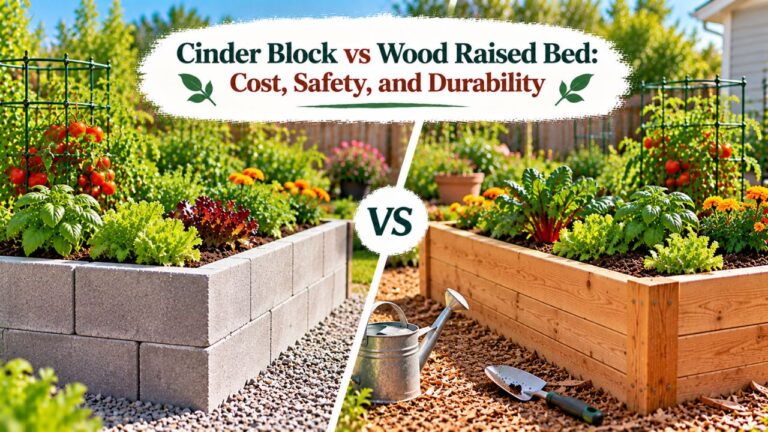
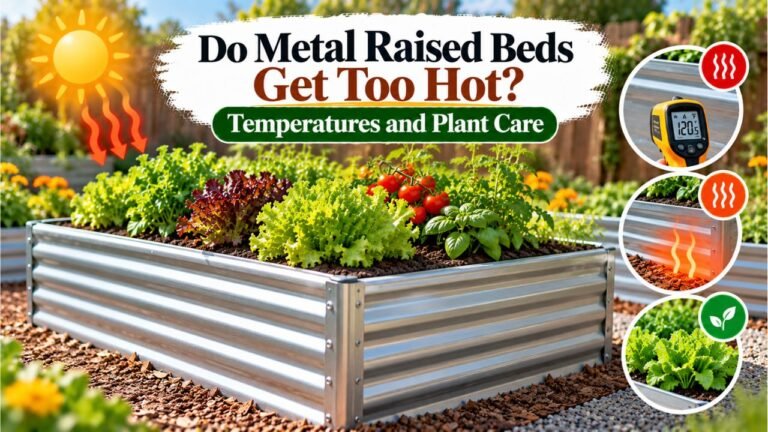
Galvanized steel is useful when you want a metal frame that resists outdoor moisture. Wood gives a warmer appearance but needs inspection for wet areas, splitting, and coating wear.
Plastic planters can be convenient in small spaces, especially when they include water gauges or reservoirs. Coated metal and painted surfaces should be checked for scratches that expose the underlying material.
For food crops, read the current product information and follow the maker’s care directions. A marketing phrase alone does not prove independent food-safety certification.
For a wider material comparison, see raised garden bed options before choosing a frame for your yard.
Calculate soil before buying
Soil volume is one of the easiest costs to underestimate. A long, deep bed may need dozens of gallons, and wet soil adds major weight to elevated planters.
Use the listed capacity when one is provided. Rakukiri Galvanized Raised Bed lists 68 gallons, Keter Urban Bloomer lists 12.7 gallons, and Best Choice Products lists 8.4 cubic feet.
Plan for a quality growing mix rather than ordinary heavy topsoil in a raised container. A mix that drains well but holds moisture is usually easier to manage than dense soil that stays wet after every watering.
Think about crop shape and support
Some vegetables grow upward, while others spread sideways or trail. Tomatoes may need a cage or stake, cucumbers may need a trellis, and squash can quickly cover a small bed.
Leave room for airflow around mature plants. Crowding can make watering awkward and hide early signs of pests or disease.
A bed designed for vegetables is not automatically suitable for every vegetable. A narrow planter can be excellent for herbs and greens but frustrating for a cucumber vine.
For climbing crops, review cucumber planter space before choosing a narrow box.
How to Use Raised Garden Beds for the Best Results
The best results come from placing the bed correctly, filling it with suitable soil, and matching plants to the available space. Good setup prevents many problems that look like plant failure later.
- Place the empty bed in its final location before adding soil.
- Confirm that the bed receives enough sunlight for the crops you plan to grow.
- Check every drainage hole, channel, plug, or liner opening before filling.
- Add a suitable raised-bed growing mix without packing it down hard.
- Follow plant spacing directions instead of filling every open inch.
- Water slowly until moisture reaches the lower soil, then check the surface before watering again.
- Add stakes, cages, or trellises early so roots are not disturbed later.
- Harvest leafy crops regularly to encourage fresh growth and keep plants from crowding one another.
Use a finger to check the soil a couple of inches below the surface. The top can look dry while lower soil remains wet, especially in a deep or reservoir-style planter.
For plants that need extra nutrients, start with a product labeled for vegetables and follow the application directions. Guidance on fertilizer for raised beds can help you avoid adding too much at once.
How to Make Your Raised Garden Beds Last Longer
A raised bed lasts longer when water drains properly, fasteners stay tight, and the frame is checked before small damage becomes structural damage. Care is easiest when tied to ordinary gardening tasks.
Inspect metal beds at the start and end of the growing season. Look for loose bolts, bent panels, sharp edges, or scratches in a painted or coated surface.
For wooden beds, keep standing water away from the legs and inspect joints after long wet periods. Do not assume a waterproof coating removes the need for airflow and drainage.
Keep drainage openings clear of leaves, roots, and compacted soil. A blocked hole can leave roots sitting in water and can add unnecessary pressure to the planter walls.
Do not drag a filled elevated bed. If a planter has wheels, move it only across a clear, stable surface and remember that wet soil can make the load very heavy.
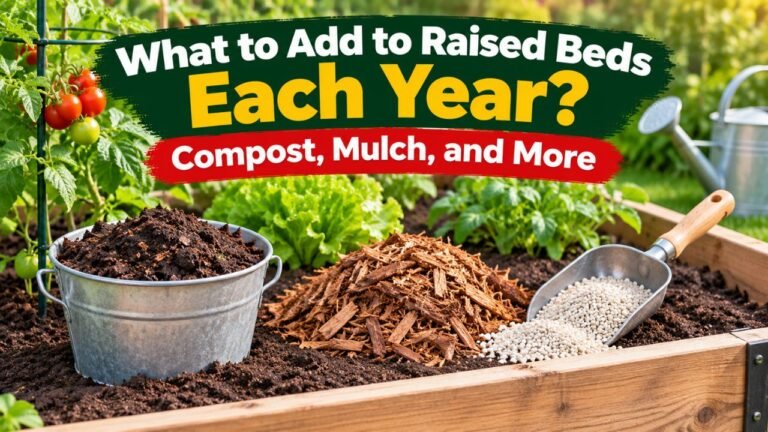
At the end of the season, remove dead plant material and check for pests before adding fresh compost. Store loose hardware and small accessories where they will not rust or disappear in the shed.
If food-crop material is your main concern, use the care and material guidance in non toxic raised beds as a second buying check, not as a substitute for reading the current product details.
Common Mistakes to Avoid When Buying and Using Raised Garden Beds
Most raised-bed problems come from a mismatch between the bed and the location, crop, or watering habit. These mistakes are easy to prevent.
- Buying an open-bottom bed for concrete: choose a contained planter for patios and balconies.
- Ignoring the filled weight: confirm that a deck, shelf, or balcony can support the finished load.
- Underestimating soil needs: use listed gallons or cubic feet before ordering supplies.
- Planting large vines in a narrow box: provide a trellis and enough horizontal room.
- Covering drainage holes with a solid liner: open the holes where the planter expects water to exit.
- Watering by a fixed schedule: check the soil and weather instead of adding water automatically.
- Crowding seedlings: follow mature spacing so airflow and harvesting remain practical.
- Placing the bed too far from a hose: choose a location you can reach without carrying heavy watering cans.
- Skipping a level surface: adjust the site before assembly so the frame does not lean or drain unevenly.
A good container garden should reduce chores, not create a daily obstacle course. If reaching the bed is awkward while empty, gardening will be even less comfortable after the soil and plants are added.
How to Set Up Raised Garden Beds
Setup is easiest when the bed is assembled on a clear surface, drainage is checked before filling, and the final location is chosen first. Keep fasteners loose until the frame is aligned, then tighten them evenly.
- Measure the growing area and mark the intended footprint.
- Clear stones, weeds, and standing water from the site.
- Assemble the panels, legs, wheels, or supports according to the included directions.
- Check that the frame is level and that no sharp edge faces a walkway.
- Install the liner, drainage plug, shelf, or reservoir parts before adding soil.
- Open or align every required drainage hole.
- Add growing mix in layers, stopping below the rim so water does not run over the sides.
- Water the soil slowly, let it settle, and top up low spots before planting.
MIXC Wooden Raised Bed lists two-person assistance and a 20-35 minute installation time, so having another person nearby can make the frame easier to hold. For a modular bed such as Vego Garden Raised Bed, choose the final configuration before tightening every fastener.
Common Questions About Raised Garden Beds for Vegetables
What size raised bed is best for vegetables?
A 4×2-foot bed is a manageable starting size for herbs, greens, and a few compact vegetables. Larger beds provide more planting room but need more soil and make it harder to reach the center. Keep the width narrow enough that you can weed and harvest without stepping into the bed.
Are raised garden beds safe for growing food?
Safety depends on the materials, coatings, soil, and product-specific documentation. Galvanized steel, painted metal, wood, and plastic each deserve a close reading of the current product details. Do not treat a general marketing statement as independent certification, and use soil intended for food gardening.
Do raised beds need a bottom?
Raised beds do not always need a bottom. An open-bottom bed works over suitable ground because water can drain into the soil, while a patio or balcony planter needs a contained base. The right choice depends on the surface, drainage, and whether roots can safely extend below the frame.
How deep should a vegetable raised bed be?
About 11 inches can work for many herbs, greens, and compact vegetables when the soil below drains well. Deeper-rooted crops benefit from more room, such as a 17-inch bed or an open-bottom design. Check each crop’s root needs before choosing the frame height.
How much soil does a raised garden bed need?
The amount depends on the bed’s length, width, and depth. Rakukiri Galvanized Raised Bed lists 68 gallons, while Keter Urban Bloomer lists 12.7 gallons and Best Choice Products lists 8.4 cubic feet. Use the listed capacity when available and buy a little extra for settling.
Can raised beds go on a balcony or deck?
Yes, but an elevated planter made for patios, decks, or balconies is usually the practical choice. Check the surface, drainage, and finished weight before filling. Wet soil, plants, and accessories can weigh much more than an empty frame, so never rely on the empty-bed weight alone.
Make the Next Garden Decision Easier
Start by measuring the planting area, counting the hours of direct sun, and deciding whether you want ground-level or standing-height care. Then match the bed depth and soil capacity to the vegetables you actually plan to grow, rather than choosing a frame that looks large in a photograph.

I’m Maya L. Greenwood, a lifelong plant lover who believes anyone can grow something beautiful with the right guidance. After years of testing soil mixes, pruning methods, irrigation tricks, and pest-safe solutions, I started EasyGardenTips.com to turn hard-won lessons into step-by-step advice. From seed starting and container gardens to composting and seasonal checklists, my goal is to make gardening simple, sustainable, and fun.
One Comment