5 Best Light for Rooting Cuttings: Compared With Buying Guide
Choosing the best light for rooting cuttings is less about buying the brightest lamp and more about finding controlled, gentle coverage that fits your propagation space. A useful option should provide a suitable spectrum, adjustable positioning, dependable scheduling, and enough flexibility to avoid drying or stressing young cuttings.
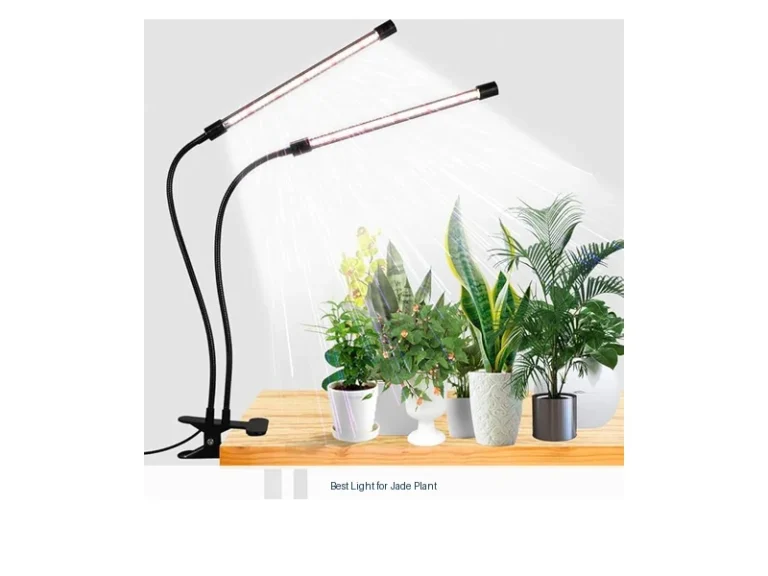
My first choice is GooingTop Grow Light 6000K Full Spectrum Indoor Plant Growing Lamp. Its 6000K light uses 10 red and 74 white LEDs, while the 360-degree gooseneck and strong clamp make it easy to aim at a tray, small pot, or propagation shelf.
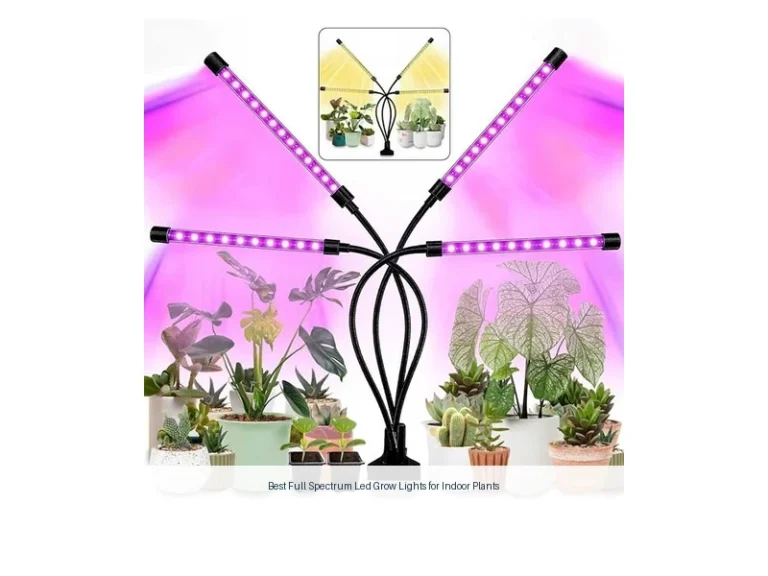
My second choice is LEOTER Grow Light. Its four-head design, 10 dimming levels, three light modes, and automatic timer give it more adjustment range for batches of cuttings at different stages.
My third choice is yadoker Grow Lights. yadoker Grow Lights takes third place because its tall, freestanding-style stake and halo shape can cover a group of plants rather than one small pot. The telescoping height, 10 brightness settings, and 8-, 12-, or 16-hour timer are especially useful as cuttings develop and need changing coverage.
This guide compares all five choices, explains where each lamp fits best, and covers spectrum, intensity, distance, timers, mounting, safety, maintenance, and common propagation mistakes. The goal is to help a beginner choose a manageable light rather than simply chase the highest LED count.
Best Light for Rooting Cuttings
I selected these products for their relevance to indoor propagation, practical positioning options, adjustable output or scheduling, and the type of coverage they can provide. I also considered available customer-feedback evidence, product-specific limitations, power arrangements, and brand diversity so the comparison includes compact clamp lamps, a halo stake, a floor-standing model, and a low-voltage pot light.
| # | Image | Product | Price on Amazon |
|---|---|---|---|
| 1 |  |
GooingTop Grow Light 6000K Full Spectrum Indoor Plant Growing Lamp | Check Price |
| 2 |  |
LEOTER Grow Light | Check Price |
| 3 |  |
yadoker Grow Lights | Check Price |
| 4 |  |
GHodec Grow Light Free Standing 5500K Full Spectrum Gooseneck LED Lamp | Check Price |
| 5 |  |
SANSI Grow Lights | Check Price |
GooingTop Grow Light 6000K Full Spectrum Indoor Plant Growing Lamp
The GooingTop is a compact clamp lamp aimed at small indoor growing areas. Its 6000K white light is supported by 10 red and 74 white LEDs, creating a daylight-like appearance that is comfortable around a desk, shelf, or windowsill. A stated color rendering index of up to 95 also makes the light look more natural than a strongly colored red-and-blue lamp.
For propagation, the useful advantage is control over placement. The flexible gooseneck rotates through 360 degrees, and the clamp lets you aim the lamp around a tray or toward several small pots without installing a permanent fixture. It can use USB power or the included AC power plug, so it suits a tabletop setup with either a nearby outlet or a compatible USB source.
The built-in timer offers four-, eight-, or 12-hour settings on a 24-hour cycle. That makes a routine easier to maintain, although the choices are less granular than some competing models. At approximately 10 watts, it is also a relatively modest-power option for a small propagation area. The lamp is not the best fit for a wide shelf or many trays because one compact head has limited coverage, and the clamp needs a secure edge.
Pros
- Daylight-style 6000K output with red and white LEDs
- 360-degree gooseneck and strong clamp support flexible aiming
- USB and AC power options
- Four-, eight-, and 12-hour timer settings
- 365-day warranty and stated customer service support
Cons
- Coverage is better for small areas than broad shelving
- Timer choices are limited to three durations
- Clamp mounting may not suit every propagation stand
My Opinion
This is the most balanced pick for a beginner propagating a few cuttings on a table. Choose it when simple positioning and moderate energy use matter more than covering a large collection.
LEOTER Grow Light
LEOTER is the more adjustable alternative in this group. Its 80 LEDs combine red, blue, yellow, and white emitters, and the lamp provides both a full-spectrum setting and a red-and-blue setting. That gives a grower more ways to tailor the light visually and functionally, although the colored mode may be less pleasant in a living space than the white setting.
Four heads on flexible goosenecks can be directed toward several pots or spread across a small tray. Ten intensity levels are helpful when newly placed cuttings need a gentler starting point or when the lamp must be moved closer as the setup changes. A metal clamp and USB connection with an included adapter make it practical for a desk, shelf, or plant stand.
The circular timer remembers a three-, nine-, or 12-hour schedule and repeats it daily. The supplied information notes that the timer may need resetting if the light loses power, so it should not be treated as a battery-backed schedule during an outage or accidental unplugging. A heat sink and temperature-control design are intended to move heat away from the LEDs, but distance and airflow still matter around tender foliage.
Pros
- Four adjustable heads provide wider directional coverage
- Full-spectrum and red-blue modes support different preferences
- Ten brightness levels allow gradual adjustment
- Automatic three-, nine-, and 12-hour timer
- USB connection, included adapter, and metal clamp
Cons
- Timer may require resetting after power interruption
- Colored red-blue mode may be visually distracting
- Multiple heads can take longer to position evenly
My Opinion
LEOTER is the better match for someone propagating several groups at once and wanting more control than a single-head lamp provides. Its adjustable output is valuable, but buyers should be comfortable managing a more involved setup.
yadoker Grow Lights
The yadoker uses a 6.3-inch halo light mounted on a telescoping stake. Its 72 LEDs cover the stated 380nm–800nm range and combine cool white, warm white, red, and blue emitters. That broad mix is intended to support plants from seedlings through flowering, making the lamp a reasonable choice when rooted cuttings will remain in the same growing area as they mature.
Its biggest practical difference is coverage and height. The pole adjusts from 13.7 to 61.1 inches, so the light can start close to a low propagation container and move upward as plants grow. Fully extended, the halo can reach a group of plants, although the actual useful coverage will depend on plant spacing and how much light each cutting needs. The pointed stake pushes into soil without a clamp or separate mounting bracket.
Ten brightness levels, ranging from 10% to 100%, make gradual changes easier. The inline controller also operates the eight-, 12-, and 16-hour timer. It runs through USB at 5V, which is convenient with a suitable power source and keeps the unit low voltage. The main limitation is stability: a stake relies on an appropriate planter or container, so it may be less secure in a shallow tray or loose medium than a clamp or weighted stand.
Pros
- Height adjusts from 13.7 to 61.1 inches
- Halo shape can illuminate a group of plants
- Full-spectrum LED mix covers 380nm–800nm
- Ten brightness levels and three timer choices
- 5V USB operation and long cord
Cons
- Stake mounting may be unstable in shallow containers
- One halo may not evenly cover a large shelf
- USB power source must be positioned within cord reach
My Opinion
This is my third choice for a group of cuttings or a tall planter where height adjustment matters. Pick it over a clamp lamp when you want a clean, freestanding look and can provide a stable place for the stake.
GHodec Grow Light Free Standing 5500K Full Spectrum Gooseneck LED Lamp
GHodec takes a different approach with a free-standing tripod that extends from 15 to 48 inches. That format avoids clamping to a table or inserting a stake into a pot, which can be useful for a propagation rack, floor display, or several containers arranged together. Its steel-and-aluminum bracket is also intended to provide a firm base and help dissipate heat.
The four-head lamp uses white and red LEDs, with each strip described as having 16 white and four red emitters. The 5500K daylight-style output is intended for indoor plant growth across different stages, while the red portion is positioned as support for flowering, fruiting, and seed germination. For cuttings, the key benefit is the ability to angle the heads toward separate containers rather than lighting only one central spot.
Brightness has five levels, and the timer offers four-, eight-, or 12-hour choices. It connects through USB and includes an adapter, giving it some placement flexibility despite being larger than a clamp lamp. The trade-off is footprint: a tripod needs floor or shelf space, and assembly involves placing the four heads into the bracket and securing them with a screw. It may be excessive for one small cutting, but useful for a broader arrangement.
Pros
- Free-standing height adjustment from 15 to 48 inches
- Four heads can be aimed at multiple containers
- 5500K white light with red LEDs
- Five brightness settings and automatic timer
- Strong metal bracket with stated heat-dissipation benefit
Cons
- Tripod requires more room than a clamp or stake
- Assembly is more involved than a single compact lamp
- May be too large for one small propagation container
My Opinion
GHodec makes sense when stability and area coverage are priorities. It is a particularly practical choice for growers who cannot clamp a lamp securely or who want to light multiple pots from a central stand.
SANSI Grow Lights
SANSI is the smallest and most focused option here. It uses a 5W LED with the brand’s ceramic technology and a 4000K natural-light appearance. The supplied output figure is 35.78 μmol/s/㎡ at six inches, which gives buyers a reference point for the intended operating distance. Its relatively soft 4000K appearance is less visually harsh in a room than a strongly colored grow lamp.
A 360-degree gooseneck and pot clip make installation quick. The clamp is intended to attach directly to a pot, and the flexible neck allows the lamp to be aimed toward a particular cutting rather than illuminating an entire collection. That compact format is useful for a single small container, but it also means the light is not a strong choice for a wide tray or multiple shelves.
Four brightness settings—25%, 50%, 75%, and 100%—provide basic control. The timer cycles through three, six, or 12 hours on, followed by the corresponding off period. It operates at 5V and can draw power from a power bank, laptop, or computer, while ETL listing and a stated two-year service period add useful ownership context. Buyers should check that the pot rim can support the clip and that the attached light can remain close enough to the cutting without touching foliage.
Pros
- Compact 5W design suits one small pot
- Natural-looking 4000K light
- 360-degree gooseneck and pot clip are easy to position
- Four brightness levels and three timer cycles
- 5V power, ETL listing, and stated two-year service
Cons
- Limited coverage for trays or groups of cuttings
- Only four dimming levels
- Pot clip requires a compatible, stable rim
My Opinion
SANSI is a sensible low-profile choice for one or two cuttings beside a desk or houseplant. Select it when discreet installation and low-voltage convenience matter more than maximum coverage.
How I Selected These Lights for Rooting Cuttings
The selection focuses on features that affect everyday propagation rather than LED counts alone. I compared spectrum descriptions, brightness control, timer behavior, mounting style, height or reach, power connection, coverage potential, and stated support information. Customer-feedback volume and ratings supplied for these products also provided a useful popularity signal, but those figures do not replace checking whether a lamp fits a specific tray or room.
The most useful lamp is the one that can be positioned consistently. A flexible neck, adjustable pole, or movable head helps maintain a sensible distance as cuttings and leaves change height.
Brand variety matters because propagation spaces are not all alike. A tabletop grower may need the GooingTop or SANSI, while a larger collection may benefit from LEOTER’s multiple heads or GHodec’s standing frame. The yadoker sits between those categories by offering a tall stake and halo without requiring a tripod.
Coverage should match the number of containers. A compact lamp can be efficient for one pot but frustrating when asked to illuminate a whole shelf.
How to Choose the Best Light for Rooting Cuttings
Start by measuring the area where the cuttings will sit, then decide whether the lamp can remain at a suitable distance as the plants grow. Spectrum, dimming, timer options, mounting security, and power access all matter, but no single specification tells the whole story.
- Match the lamp’s physical coverage to the number of cuttings.
- Choose dimming when seedlings or fresh cuttings need gradual changes.
- Prefer a timer that fits your daily schedule and resets predictably.
- Check whether a clamp, stake, or tripod is stable in the intended location.
- Plan power and cord routing before placing the propagation tray.
Spectrum and color appearance
Full-spectrum or daylight-style lamps are usually the easiest starting point for indoor propagation because they provide a natural-looking light and can remain useful as plants develop. The products here range from 4000K natural light to 5500K and 6000K daylight-style output. LEOTER additionally provides red-blue and full-spectrum modes.
Color temperature is not the same as brightness or total plant-usable output. A pleasant white lamp may be easier to live with, while a colored mode may make it more obvious that the lamp is operating. For a home office or living room, appearance can influence whether the setup stays in use consistently.
Brightness and distance
Adjustable brightness is useful because cuttings vary in leaf size, species, and condition. Begin with a moderate setting when the lamp is close, then observe the plants rather than automatically selecting maximum output. If the light is raised, a higher setting may be appropriate, but changes should be gradual.
Keep the lamp aimed at the leaves without allowing hot surfaces or light heads to touch them. The low-voltage models can remain cooler in normal use, yet airflow and safe placement are still important. The stated six-inch reference for the SANSI provides a practical starting point, while other lamps require adjustment based on their design and the observed response of the plants.
Coverage and mounting style
Clamp lights are space-efficient and work well on a desk edge or shelf. They can be limited by the strength and shape of that edge. A stake is visually tidy and height-adjustable, but it needs a stable container. A tripod takes more room but avoids putting pressure on a pot and may spread light across several containers.
Multiple heads can improve directional coverage, although they take more time to align. Before buying, picture where the cord, clamp, stand, or stake will sit. A technically capable lamp is inconvenient if it blocks access to the cuttings or falls out of position.
Timer behavior and routine
A timer reduces daily handling and keeps the lighting schedule more consistent. Compare the available periods: GooingTop and GHodec offer four-, eight-, and 12-hour choices; LEOTER offers three, nine, and 12; yadoker offers eight, 12, and 16; SANSI offers three, six, and 12. Pick the range that matches how much supplemental light the location receives.
Check whether the schedule repeats after a power interruption. LEOTER’s supplied information specifically notes that its timer may need resetting after the lamp loses power. That is not necessarily a dealbreaker, but it is important if the setup is in a room where plugs may be switched off.
Setting Up a Propagation Light
Place the cuttings where they will not be bumped when watering, then secure the light before switching it on. Aim the light evenly across the leaves instead of concentrating the strongest area on one plant. If using a clamp, tighten it enough to prevent movement without damaging a thin shelf edge.
For a stake lamp, use a container deep and firm enough to hold the pole upright. A tripod should sit on a level surface with its legs fully positioned. Keep the power connection away from water and route the cord so it cannot pull the lamp into the tray.
Starting distance and intensity
Use a moderate brightness setting at first, particularly for tender new cuttings. Observe leaf position, color, and moisture in the growing medium over the next several days. If the lamp is raised, adjust brightness only as needed rather than changing height and intensity at the same time.
Using Timers Without Losing Consistency
Set the timer after the lamp is positioned and confirm that the next automatic cycle behaves as expected. A repeating schedule is more useful when the lamp remains connected to uninterrupted power. Mark the selected duration near the controller if several people share the space.
Do not assume a longer schedule is always better. The appropriate routine depends on the room’s natural light, cutting type, lamp distance, and the condition of the plants. A timer should create consistency, not justify leaving a lamp at maximum output continuously.
Water, Humidity, and Light Balance
Light and moisture work together. A lamp can increase drying around leaves and the surface of a propagation medium, while enclosed humidity can remain high around the cutting. Check the medium and foliage regularly instead of watering by the timer alone.
Keep water off the lamp head, controller, plug, and connections. If the setup uses a humidity dome, make sure condensation cannot drip onto electrical components. Leave enough space for air movement, especially when several pots are grouped beneath a single light.
Maintenance and Ownership Tips
Unplug the lamp before cleaning or repositioning electrical parts. Dust the housing and light surface with a dry or barely damp cloth that cannot shed moisture into openings. Do not spray cleaner directly onto LEDs, controllers, adapters, or connectors.
Inspect the gooseneck, clamp, stake, tripod joints, and cord occasionally. A neck that slowly droops may change the light pattern, while a loose clamp can create a fall hazard. Replace or stop using damaged cords and adapters rather than taping over a serious electrical problem.
Common Mistakes When Lighting Cuttings
Most problems come from mismatching the lamp to the growing area or making several changes at once. Small adjustments are easier to evaluate and less likely to stress fragile plants.
- Using a single compact head to cover an entire shelf
- Placing the light so close that foliage touches the lamp
- Choosing maximum brightness immediately for every cutting
- Ignoring cord safety around watering and humidity
- Relying on a timer without checking its behavior after unplugging
- Assuming LED count alone proves that a lamp is suitable
- Allowing a clamp, stake, or tripod to remain unstable
When a plant shows stress, check distance, intensity, heat, watering, and airflow together. Changing only one factor at a time makes the cause easier to identify.
Which Light Fits Different Propagation Setups?
For a few cuttings on a tabletop, GooingTop offers the most balanced combination of aiming flexibility, timer control, and compact size. SANSI is even more discreet when the job is limited to one small pot and a natural-looking lamp is important.
For multiple containers, LEOTER’s four heads can be directed separately, while GHodec provides a free-standing alternative when a clamp is inconvenient. Yadoker is appealing for a tall planter or a group that needs the light raised over time. The right choice depends more on layout and stability than on ranking alone.
FAQS About Best Light for Rooting Cuttings
What type of light is best for rooting cuttings?
A full-spectrum or daylight-style LED is a practical starting point because it provides a broad light profile and can remain useful as the plant develops. Adjustable brightness and reliable positioning are often more useful than selecting the most powerful-looking lamp.
How close should a light be to cuttings?
Use the product’s recommended distance when available and begin conservatively when it is not. Start with moderate brightness, keep the lamp from touching foliage, and adjust based on plant response, heat, and moisture changes.
Is a timer important for rooting cuttings?
Yes. A timer helps maintain a repeatable schedule and reduces the chance of forgetting to turn the lamp on or off. Confirm whether the timer resumes automatically after a power interruption.
Are red and blue lights necessary for cuttings?
They are not the only acceptable option. Full-spectrum white or daylight-style lamps can be easier to use in a home, while a red-blue mode may provide another setting for growers who prefer it. Position and intensity still matter.
Which light is best for several cutting pots?
Look for multiple heads, a broad halo, or a free-standing frame. LEOTER, yadoker, and GHodec offer more flexible group coverage than a compact single-head pot lamp, though the available space and container arrangement should guide the final choice.
Final Thoughts
For most beginners, the best light for rooting cuttings is the GooingTop Grow Light 6000K Full Spectrum Indoor Plant Growing Lamp because it balances flexible placement, useful scheduling, and compact everyday operation. Choose LEOTER Grow Light for greater control and several directed heads, or yadoker Grow Lights when adjustable height and halo coverage suit your setup better.

I’m Maya L. Greenwood, a lifelong plant lover who believes anyone can grow something beautiful with the right guidance. After years of testing soil mixes, pruning methods, irrigation tricks, and pest-safe solutions, I started EasyGardenTips.com to turn hard-won lessons into step-by-step advice. From seed starting and container gardens to composting and seasonal checklists, my goal is to make gardening simple, sustainable, and fun.