10 Best Raised Garden Beds for Every Yard, Budget and Gardener
Buy the wrong raised garden bed and you can spend a weekend assembling a box that is too shallow, too large, or awkward to reach. Poor drainage can leave roots sitting in wet soil, while an oversized bed can consume far more compost and topsoil than expected.
The right choice mostly comes down to height, footprint, and how much soil you can move. A deep metal bed suits vegetables with longer roots, while an elevated planter on legs is kinder to your knees but holds less soil and needs a level, stable spot.
Here is what the comparisons will help you sort out:
- Which size fits your yard, patio, balcony, or deck.
- How open-bottom beds affect drainage, roots, and weed control.
- Which materials and heights make sense for your planting plans.
- How to estimate soil, protect a bed, and avoid common setup mistakes.
Quick Picks
-
Best For Deep Root Crops

Land Guard 2 Pack 6×3×2 ft Galvanized
Two-foot depth and an open base give beans, broccoli, and other deep-root plants room to grow.
-
Best For Small Garden Spaces

Land Guard 2 Pack 4×2×1ft Galvanized Raised
Two compact one-foot beds provide manageable planting space and open drainage for patios, yards, and beginner gardens.
Top 10 Raised Garden Beds at a Glance
Land Guard 6×3×2ft is the strongest starting point for deep-root vegetables and a large planting area. Land Guard 4×2×1ft is easier for beginners with limited space, while the elevated wood and metal planters suit gardeners who want less bending; the biggest differences are height, soil volume, footprint, and assembly style.
| Product image | Product name | Check product |
|---|---|---|
| 1 |
Land Guard 2 Pack 6×3×2 ft Galvanized | Check Price |
| 2 |
Land Guard 2 Pack 4×2×1ft Galvanized Raised | Check Price |
3 |
Vego garden Raised Garden Bed Kits, 17″ | Check Price |
4 |
Best Choice Products 72x24x30in Wood Raised Garden | Check Price |
5 |
Rakukiri Raised Garden Bed GRS Certified Galvanized | Check Price |
6 |
SnugNiture Raised Garden Bed Outdoor 4x2x1ft, 2 | Check Price |
7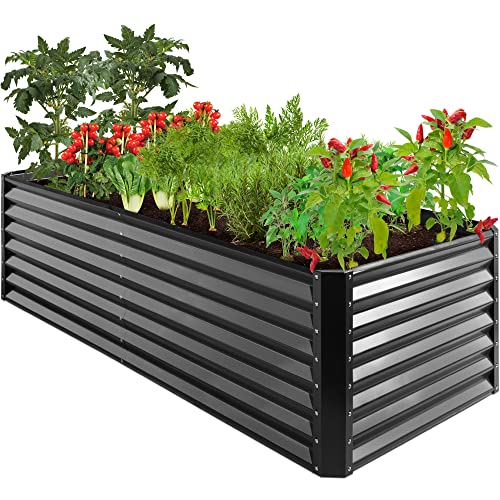 |
Best Choice Products 8x4x2ft Metal Raised Garden | Check Price |
8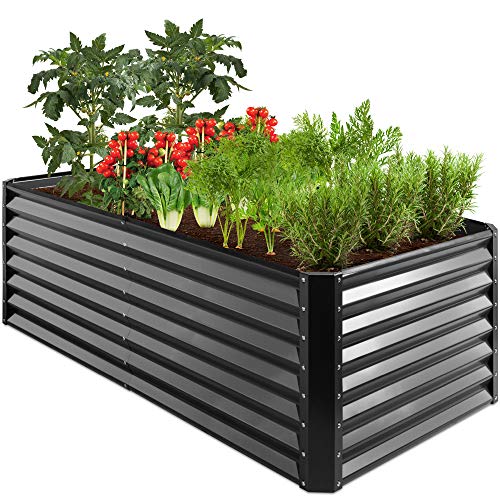 |
Best Choice Products 6x3x2ft Metal Raised Garden | Check Price |
9 |
Land Guard Galvanized Raised Garden Bed, 8x4x2ft | Check Price |
10 |
Best Choice Products 72x24x30in Metal Raised Garden | Check Price |
[The application inserts the comparison table here.]
10 Best Raised Garden Beds: Detailed Reviews
When I chose the best raised garden beds, I paid attention first to usable depth, drainage, footprint, and the effort required to fill and maintain each bed. Those details decide whether roots have room, water can escape, and the garden stays enjoyable after the first planting day.
I kept both compact and oversized choices because a patio gardener and a homeowner with a large yard need very different boxes. Looking at the beds side by side makes the trade-off clearer: taller beds reduce bending, open-bottom beds support deep roots, and smaller beds keep soil costs and maintenance under control.
1. Land Guard 2 Pack 6×3×2 ft Galvanized
Two-foot depth and an open base give beans, broccoli, and other deep-root plants room to grow.
- ColorSilver
- Size6×3×2ft
- Number Of Items2
- 2 feet heightCompared with the ordinary 1-foot garden bed, this raised garden box has been improved in all aspects in terms of a
Land Guard 6×3×2ft Bed is a deep, two-piece metal garden bed for gardeners who want room for vegetables with substantial root systems.
Deep planting space
The 2-foot height gives roots a deeper column of growing medium than a standard 1-foot bed. That extra depth suits beans, broccoli, and other medium- to deep-root plants, provided the bed sits on usable ground and receives enough sunlight.
A deep bed also lets you improve poor native soil above the surface instead of digging out the entire garden area. The practical catch is the amount of soil required, since a 6×3×2-foot footprint can hold a very large volume.
Open bottom and reinforced frame
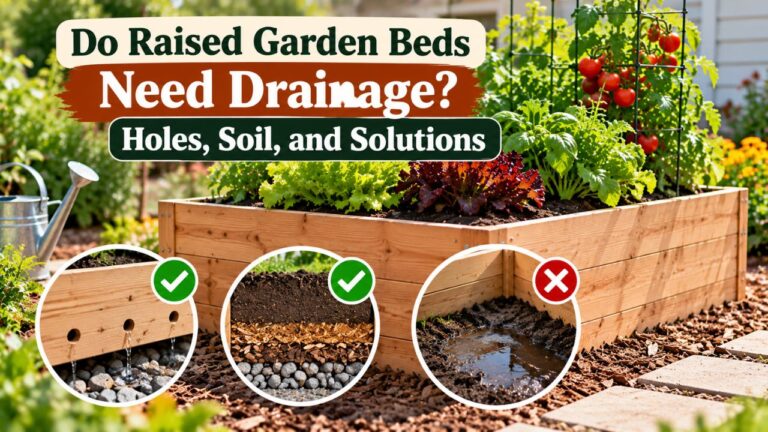
An open base is a bottomless design that lets excess water drain into the ground and gives roots a path below the bed. That helps prevent a permanently soggy root zone, although a bed on compacted clay may still need ground preparation.
Reinforced cross bars and fixed piles help the galvanized steel panels keep their shape as soil presses outward. The support matters most after filling, because damp soil is heavy and pushes against every side.
What to watch
A 2-foot bed is not a casual container to shift after planting. Pick the final location first, clear sharp stones beneath the edges, and plan how bags or bulk soil will reach the bed.
Pros:
- Two-foot depth, supports medium- and deep-root vegetables.
- Open base, lets excess water drain into the ground.
- Reinforced cross bars, help resist panel warping.
- Fixed piles, add support after the bed is filled.
- Two beds, create separate growing areas.
Cons:
- Large footprint requires a generous growing area.
- Deep capacity can require a substantial soil budget.
- Metal sides may need careful handling during assembly.
Buy it if: you want deep beds for root vegetables, because the 2-foot height and open base give roots more growing room.
Skip it if: you have only a small patio, because the 6×3-foot footprint and deep soil capacity would be excessive, and a compact raised bed would suit you better. For another fit, consider Land or Vego.
I’d pick Land Guard 6×3×2ft Bed for a gardener planning serious vegetable production in a yard. The combination of depth, two separate beds, and frame supports gives the rank a practical reason rather than just a bigger number. Double-check the available planting space and soil delivery plan before ordering.
This bed suits someone ready to choose a permanent location and fill it properly.
2. Land Guard 2 Pack 4×2×1ft Galvanized Raised
Two compact one-foot beds provide manageable planting space and open drainage for patios, yards, and beginner gardens.
- ColorSilver
- Size4×2×1ft
- Number Of Items2
- MaterialNot listed; check details
Land Guard 4×2×1ft Bed is a pair of compact galvanized beds for beginners who want a manageable vegetable, herb, or flower garden.
Compact footprint
Each bed measures 4×2×1 foot, so the layout is easier to fit beside a walkway, along a fence, or in a smaller backyard. The modest size also makes it simpler to divide herbs from vegetables or give two gardeners separate planting zones.
One-foot depth works well for many shallow- and medium-root crops. It is less suited to plants that need a deep root run unless the ground beneath is loose enough for roots to continue downward.
Open drainage
The open bottom allows water to move out of the soil instead of collecting in a sealed container. That is useful after heavy rain, but the site still needs reasonable drainage because a bed placed over hard paving cannot drain into the ground.
Galvanized steel has a zinc coating intended to help resist rust and corrosion outdoors. Keep the bed level while assembling it, since uneven corners can make a filled frame harder to align.
What to watch
The one-foot walls are easier to fill, but they provide less separation from native soil, grass, and aggressive weeds than a deeper bed. A layer of cardboard or careful ground preparation can help with the starting area, while roots still need access to healthy soil.
Pros:
- Two 4×2×1-foot beds, simplify garden zoning.
- One-foot height, keeps soil needs manageable.
- Open bottom, supports drainage after watering.
- Galvanized steel, resists outdoor corrosion.
- Nuts, bolts, washers, and instructions, support assembly.
Cons:
- One-foot depth limits long-root crops.
- Open base does not block every weed.
- Small beds offer less room for sprawling plants.
Buy it if: you want two manageable planting areas, because the 4×2×1-foot size is easier to fill and maintain.
Skip it if: you plan deep-root vegetables in a shallow or compacted yard, because the one-foot walls may not provide enough usable root space, and a deeper garden bed would suit you better. Land and Vego are worth a closer look instead.
Land Guard 4×2×1ft Bed earns its place by making the first garden less intimidating. Two smaller beds are easier to plan than one huge box, and the open base keeps drainage simple. Check the sun pattern before choosing separate locations, since a compact bed still needs six or more hours of suitable light for many vegetables.
This is the sensible starting point for a small yard or first season.
3. Vego garden Raised Garden Bed Kits, 17″
The catalog lists Modular Design: Vego Garden raised bed kits feature an innovative modular design, which means you can assemble. Compare fit and care needs before choosing.
- ColorOlive Green
- Size17“ Tall
- Better MaterialWe have combined a Zinc, Magnesium, and Aluminum coated steel with our award-winning and USDA approved AkzoNobel pa
- MaterialNot listed; check details
Vego Garden 17-Inch Bed is a modular metal kit for gardeners who want flexible layouts, comfortable working height, and rounded edges.
Modular layouts
A modular design uses panels that can be arranged in more than one configuration. This 9-in-1 kit offers nine possible layouts, so the shape can adapt to a backyard corner, a long border, or a central garden area.
That flexibility is valuable before you know exactly how the garden will evolve. Measure the site first, then choose a configuration that leaves enough walking space to reach the center without stepping into the soil.
Taller working height
At 17 inches tall, the bed provides a deeper root zone than many low frames and reduces how far you need to bend for weeding and harvesting. The height is not the same as a waist-high planter, but the difference can make routine care more comfortable.
The oval design removes sharp corners, and heavy-duty rubber edging covers the metal edges. Those details matter around children, pets, and narrow garden paths where a bare metal corner can catch clothing or skin.
Material and assembly
The panels use a zinc, magnesium, and aluminum coating with an AkzoNobel paint finish, according to the product information. The fastener-based assembly does not require construction knowledge, although a second person can make long panels easier to hold in place.
Pros:
- Nine possible configurations, adapts to different garden spaces.
- Seventeen-inch height, reduces bending during routine care.
- Oval shape, avoids sharp exposed corners.
- Rubber edging, covers the metal panel edges.
- Modular panels, support future layout changes.
Cons:
- Flexible configurations require careful measuring before assembly.
- Taller walls can require more soil than low beds.
- The olive green finish may not suit every landscape.
Buy it if: you want a bed that can change shape, because the 9-in-1 layout gives you more ways to fit a growing space.
Skip it if: you want the simplest fixed rectangle, because modular planning adds choices, and a basic rectangular bed would suit you better. If those trade-offs rule it out, Land Guard 2 Pack 6×3×2 ft or Land Guard 2 Pack 4×2×1ft Galvanized may suit you better.
Vego Garden 17-Inch Bed is the thoughtful choice for a gardener who cares about access as much as planting volume. The rounded edges and moderate height make daily work friendlier, while the layouts help when a yard is not a perfect rectangle. Confirm the chosen configuration and final dimensions before buying soil.
This bed suits a gardener who enjoys planning the space rather than rushing straight to planting.
4. Best Choice Products 72x24x30in Wood Raised Garden
The catalog lists LARGE PLANTING SPACE: 8.4 cubic feet of space can support your choice of flowers, succulents, vegetables, and . Compare fit and care needs before choosing.
- ColorNatural
- SizeStandard 72″ Length
- Number Of Items1
- ERGONOMIC HEIGHTThe 30-inch tall design removes the need for bending or kneeling, preserving your back and knees as you tend to you
Best Choice Products 72-Inch Wood Bed is an elevated Chinese fir planter for patios, decks, balconies, and gardeners who prefer working above ground level.
Elevated working height
The 30-inch height puts the planting surface closer to standing or seated reach than a ground-level box. That reduces kneeling and bending during planting, watering, weeding, and harvesting.
The raised legs also create separation from some pets and ground-level pests. The planter still needs a stable surface, because six legs carrying wet soil must sit evenly on a deck, patio, or firm section of ground.
Wood frame and drainage
Chinese fir forms the main structure and gives the planter a natural appearance. Wood fits a patio or balcony setting nicely, though any outdoor wood planter deserves attention to moisture, standing water, and seasonal wear.
Six drainage holes allow excess water to escape and help air reach the root area. Place a tray or protect the surface below if runoff could stain a deck, and avoid blocking the holes with compacted soil.
Divided growing area
A divider panel separates the 8.4-cubic-foot planting space into sections. That can keep herbs apart from larger vegetables or let you use different soil mixes in the same elevated frame.
The stated weight capacity is 300 pounds, so account for wet soil, plants, and any support hardware before placing the bed on a balcony. Always confirm the surface can carry the loaded planter.
Pros:
- Thirty-inch height, reduces bending and kneeling.
- Six drainage holes, let excess water escape.
- Divider panel, separates planting areas.
- Chinese fir construction, suits natural outdoor spaces.
- Elevated legs, lift plants above ground-level pests.
Cons:
- Elevated planters hold less root volume than deep beds.
- Wet soil creates a serious load on decks and balconies.
- Wood needs protection from prolonged moisture.
Buy it if: you want a raised planting surface on a patio or deck, because the 30-inch height makes routine care easier on knees and back.
Skip it if: you need a deep ground bed for large root systems, because the elevated frame has limited soil depth, and a deep open-bottom bed would suit you better.
Best Choice Products 72-Inch Wood Bed is my pick for someone who dislikes kneeling more than they dislike watering. The divider and drainage holes make the layout practical, while the natural wood keeps a balcony garden from looking like a pile of farm equipment. Check the support surface and expected loaded weight before filling it.
This planter suits container-style gardening at a comfortable working height.
5. Rakukiri Raised Garden Bed GRS Certified Galvanized
The catalog lists Size: 60×29×11 in, 68 gallons of soil required. Compare fit and care needs before choosing.
- Color1- Silver
- Size5 ft
- Number Of Items1
- MaterialNot listed; check details
Rakukiri 5-Foot Oval Bed is a single galvanized metal bed for gardeners who want a medium-size ground planter with a rounded footprint.
Oval shape
The oval structure removes square corners and creates a softer outline around a garden path or open yard. A rounded bed can also make it easier to reach plants from several sides, although the available walking space still determines how comfortably you can work.
The bed measures 60×29×11 inches and requires 68 gallons of soil. Those figures are useful for planning because soil bags and bulk deliveries vary, and underestimating the fill can leave a half-finished garden sitting in the yard.
Galvanized metal construction
The bed uses a 0.8mm galvanized metal sheet with a double-layer anti-corrosion finish. The thickness and coating are physical details that may help the frame handle outdoor exposure, but the bed still benefits from a level base and careful assembly.
The open bottom lets water drain and gives roots a route into the ground. If the soil below is hard, improve the site before filling rather than expecting the frame alone to fix drainage.
Assembly and coverage
Hardware and instructions are included, and the bed is described as quick to assemble. The 11-inch wall works for many herbs, flowers, and vegetables, but crops with long roots may need deeper soil below the bed.
Pros:
- Sixty-inch oval footprint, fits medium garden areas.
- Sixty-eight-gallon soil requirement, aids fill planning.
- 0.8mm galvanized sheet, provides a defined metal frame.
- Open bottom, supports drainage into the ground.
- Rounded structure, softens corners around paths.
Cons:
- Eleven-inch height is shallow for deep-root crops.
- One bed gives less planting separation than a two-pack.
- Oval ends may make row spacing less familiar.
Buy it if: you want a medium oval bed, because the 5-foot shape gives useful planting room without the bulk of a 2-foot-deep frame.
Skip it if: you need several separate crop zones, because one oval bed has limited internal separation, and a multi-bed arrangement would suit you better.
Rakukiri 5-Foot Oval Bed makes sense for a middle-sized garden that does not need a giant soil reservoir. The 68-gallon figure gives a clearer fill plan than vague size language, and the oval outline can be pleasant beside a path. Check the 11-inch wall height against your intended crops before buying.
This bed suits herbs, flowers, and vegetables with moderate root needs.
6. SnugNiture Raised Garden Bed Outdoor 4x2x1ft, 2
The catalog lists SIZE: The plant bed measure is 46″L x 23.6″W x 11.8″H. This planter box provide ample growing space to raise v. Compare fit and care needs before choosing.
- ColorWhite
- Size4x2x1ft (2PCS)
- MaterialNot listed; check details
- DimensionsNot listed; check details
SnugNiture 4×2×1ft Beds are two white galvanized steel frames for gardeners who want compact ground beds with a bright finish.
Two compact beds
Each frame measures 46 inches long, 23.6 inches wide, and 11.8 inches high. The pair can create separate crop areas, or you can place the beds in different spots to match sunlight and watering access.
The footprint is close to a 4×2-foot bed but not identical, so measure the actual garden space around paths, fences, and spigots. A few inches can decide whether a wheelbarrow still passes comfortably.
Bottomless design
A bottomless frame allows roots to extend into the soil below and lets water leave the growing medium. That helps reduce the risk of a sealed container staying wet, but the ground underneath should be loosened if roots are expected to continue downward.
Galvanized steel with an anti-rust coating creates the outer structure. The white finish can reflect more light than dark metal, though color alone does not replace regular watering and suitable soil.
Coating claims and setup
The product information describes eco-friendly coatings intended to prevent soil contact with the metal. Such wording is not the same as independent certification, so a cautious food gardener should review the current listing details and any documentation before purchase.
Assembly is described as requiring a few simple steps. Lay out panels and hardware first, because mixing similar fasteners midway through a build is how a quick project becomes a tiny backyard mystery.
Pros:
- Two beds, separate herbs, flowers, or vegetables.
- Compact dimensions, fit smaller garden areas.
- Open bottom, lets roots extend downward.
- Galvanized steel, resists outdoor corrosion.
- White finish, gives the garden a bright appearance.
Cons:
- Eleven-point-eight-inch walls limit deep-root crops.
- The listed dimensions differ slightly from a standard 4×2-foot footprint.
- Coating claims should be reviewed carefully for food-growing concerns.
Buy it if: you need two compact beds, because the separate frames make crop planning easier in a smaller garden.
Skip it if: you want a single deep bed for large vegetables, because the 11.8-inch walls provide less root depth, and a taller frame would suit you better.
SnugNiture 4×2×1ft Beds are useful when two small planting zones matter more than maximum depth. The separate frames can follow the sun or keep aggressive herbs away from vegetables. I would check the exact footprint and coating information before placing the order.
This pair suits a beginner who wants a tidy, manageable start.
7. Best Choice Products 8x4x2ft Metal Raised Garden
The catalog lists 2FT GROWING DEPTH: 24-in. depth holds up to 478 gallons of soil, ideal for medium to deep-rooting plants and v. Compare fit and care needs before choosing.
- ColorGray
- Size8x4x2ft
- Number Of Items1
- 2FT GROWING DEPTH24-in. depth holds up to 478 gallons of soil, ideal for medium to deep-rooting plants and vegetables such as brocco
Best Choice Products 8×4×2ft Bed is a very large gray metal bed for gardeners with room for a broad, deep vegetable plot.
Large growing area
The 8×4×2-foot frame provides 64 cubic feet of planting space and is listed to hold up to 478 gallons of soil. That capacity suits a wide crop mix, including medium- and deep-root plants, but filling the bed is a major project rather than a quick afternoon task.
The 96×48×24-inch footprint also needs generous clearance. Leave walking room around the outside so you can reach the sides, inspect the panels, and move a hose or wheelbarrow without squeezing through a green tunnel.
Deep metal frame
The 24-inch walls give roots a deep growing zone. The open bottom means there is no floor panel, so roots can continue into prepared ground and water can move below the bed.
Powder-coated steel panels create the frame, while three stabilizing rods help support the long sides. The rods matter because a large volume of wet soil creates strong outward pressure.
Assembly and site planning
Beveled panels, wingnuts, bolts, and rubber edging are included for tool-free assembly. Tool-free does not mean weight-free, so long panels are easier to position with help and on a level surface.
The listing describes materials as non-toxic and references testing and standards. Those are product-specific claims from the listing, not a reason to skip ordinary food-growing care such as clean soil, safe water, and correct crop maintenance.
Pros:
- Eight-by-four-by-two-foot size, supports a large garden.
- Sixty-four cubic feet, provides broad planting volume.
- Twenty-four-inch depth, suits deeper root systems.
- Three stabilizing rods, support long metal sides.
- Rubber edging, covers beveled panel edges.
Cons:
- Four-hundred-seventy-eight-gallon capacity requires substantial soil.
- Large footprint demands a permanent, carefully chosen location.
- A broad bed can be difficult to reach from one side.
Buy it if: you have a large sunny yard, because the 8×4×2-foot space supports a substantial mixed planting area.
Skip it if: you garden on a patio or small lot, because the footprint and soil load are excessive, and a compact bed would suit you better.
Best Choice Products 8×4×2ft Bed is for the gardener who has already chosen the site and thought through delivery. The deep walls, stabilizing rods, and large planting volume make a serious growing area, not a decorative container. Check access for soil, walking clearance, and the final bed orientation before ordering.
This bed suits a productive backyard garden with room to spare.
8. Best Choice Products 6x3x2ft Metal Raised Garden
The catalog lists 2FT GROWING DEPTH: 24 inches of depth holds up to 269 gallons of soil-great for medium to deep rooting plants . Compare fit and care needs before choosing.
- ColorGray
- Size6x3x2ft
- Number Of Items1
- 2FT GROWING DEPTH24 inches of depth holds up to 269 gallons of soil-great for medium to deep rooting plants and vegetables like broc
Best Choice Products 6×3×2ft Bed is a deep gray metal planter for gardeners who want substantial root depth in a more manageable footprint than an 8×4-foot bed.
Balanced size
The 72×36×24-inch frame provides 36 cubic feet of growing space and is listed for up to 269 gallons of soil. That is still a large fill, but the footprint is easier to place and reach than the largest option in this group.
The 2-foot depth works for broccoli, beans, and other plants with medium to deep roots. Since the bed has no bottom panel, prepare the soil underneath if roots need to continue below the frame.
Stabilizing parts
Powder-coated steel panels form the walls, while four ground stakes and two stabilizing rods help hold the structure in place. The supports are especially useful as wet soil presses on the long sides.
Beveled panels meet with wingnuts and bolts, and rubber edging covers the edges. That arrangement keeps the setup approachable for a beginner, though gloves remain a smart choice while handling sheet metal.
Safety wording and site care
The product information describes non-toxic materials and references testing and compliance details. Read the current listing if those claims are a deciding factor, since product descriptions do not replace your own standards for soil and water.
An open base improves drainage compared with a sealed container, but water still follows the ground beneath. Avoid placing the bed where rainwater naturally pools.
Pros:
- Six-by-three-by-two-foot size, balances space and reach.
- Thirty-six cubic feet, supports varied planting.
- Twenty-four-inch depth, gives roots a deep zone.
- Four ground stakes, help anchor the bed.
- Two stabilizing rods, support long side panels.
Cons:
- Two-hundred-sixty-nine-gallon capacity still needs significant soil.
- Open bottom requires suitable ground beneath the frame.
- Deep beds can be difficult to amend after filling.
Buy it if: you want a deep bed smaller than an 8×4-foot frame, because the 6×3×2-foot footprint gives useful capacity without the widest reach.
Skip it if: you have limited access to bulk soil, because the deep frame still needs a large fill, and a one-foot bed would suit you better.
Best Choice Products 6×3×2ft Bed is the practical middle ground among the very large metal beds. The size gives deep-root crops room while staying easier to reach than an 8-foot-wide planting area. Double-check the 269-gallon fill requirement and the no-bottom-panel detail.
This bed suits a homeowner who wants a serious garden without choosing the widest frame.
9. Land Guard Galvanized Raised Garden Bed, 8x4x2ft
The catalog lists Large space: 96′(L) x 48 “(W) x 24” (H) metal raised garden bed will provide enough space to grow various vege. Compare fit and care needs before choosing.
- ColorClassic Silver
- Size8×4×2ft
- Number Of Items1
- Durable materialOutdoor planter box is made of stable thickened galvanized metal, corner and frame are reinforced, strong resistanc
Land Guard 8×4×2ft Bed is a large oval galvanized planter for gardeners who want broad growing space and a softer outline than a sharp-cornered rectangle.
Broad oval planting area
The bed measures 8×4×2 feet, giving space for vegetables, fruits, and flowers in one large growing area. The 24-inch height creates a deep root zone, while the oval outline reduces abrupt corners along the outside edge.
A large bed needs a planting plan before soil arrives. Place taller crops where they will not shade shorter plants, and keep enough room around the oval to water and harvest without leaning across the whole bed.
Reinforced galvanized material
The frame uses thickened galvanized metal with reinforced corners and frame sections. Those supports help the walls manage the pressure created by a deep soil fill, especially after several rains.
The open bottom supports drainage and lets roots reach the ground below. The site still matters, so break up compacted soil and correct low spots before assembly.
Assembly and surface care
The product description says assembly can be completed without professional experience and takes about 15 minutes. Actual time depends on the site, panel alignment, and whether you have help holding pieces in place.
The listing also describes an environmentally friendly coating. Treat that as a product claim to review rather than independent proof, especially if food-crop material requirements are a major concern.
Pros:
- Eight-by-four-by-two-foot size, supports broad planting plans.
- Oval design, softens the bed perimeter.
- Twenty-four-inch height, gives deep root space.
- Reinforced corners, support the large frame.
- Open bottom, allows drainage into the ground.
Cons:
- Large soil volume creates a major filling task.
- Oval layout may require more careful row planning.
- A wide bed can be hard to reach across.
Buy it if: you want a large oval garden, because the 8×4×2-foot frame gives generous depth and room for mixed crops.
Skip it if: you prefer a narrow bed beside a walkway, because the 4-foot width and deep fill need more open space, and a smaller frame would suit you better.
Land Guard 8×4×2ft Bed is a strong fit for a large yard where appearance and growing room both matter. The reinforced structure makes sense for a deep fill, while the oval shape can feel less severe than a huge rectangle. Verify the final placement, soil access, and coating information before purchase.
This bed suits a gardener with a permanent site and ambitious planting plans.
10. Best Choice Products 72x24x30in Metal Raised Garden
The catalog lists COMFORTABLE ELEVATED DESIGN: The 30″ raised height reduces bending and kneeling, making planting, weeding, and. Compare fit and care needs before choosing.
- ColorCharcoal
- Size72x24x30in
- Number Of Items1
- MaterialNot listed; check details
Best Choice Products 72-Inch Metal Bed is an elevated charcoal planter on legs for gardeners who want a 30-inch working height in a compact footprint.
Comfortable elevated height
The planter stands 30 inches tall, which reduces bending and kneeling during planting, weeding, and harvesting. That makes the design useful for a patio, deck, or small yard where a ground-level bed would be uncomfortable to tend.
The 72×24-inch footprint gives a long but narrow growing area. Such a shape works well beside a wall or railing, but leave enough space to reach the full length and check plants at the back.
Drainage and soil volume
An integrated drainage system helps excess water leave the growing area and keeps the soil more breathable. Drainage holes still need to remain clear, and elevated planters may dry faster than deep beds exposed to ground moisture.
The planter provides 12.5 cubic feet of space and has a listed fill capacity of 600 pounds. Account for wet soil and plants when choosing a patio or balcony location, and confirm the supporting surface can handle the load.
Material claims and crop layout
The product information describes galvanized metal and non-toxic materials, along with testing and compliance references. Review the current product details if that wording affects your food-growing decision, and use clean, suitable soil regardless.
The long shape supports vegetables, herbs, flowers, and companion planting. A narrow bed is easier to divide into rows, but large sprawling plants can quickly use more room than expected.
Pros:
- Thirty-inch height, reduces bending and kneeling.
- Seventy-two-inch length, provides a long planting strip.
- Twenty-four-inch width, fits narrow outdoor spaces.
- Twelve-point-five cubic feet, offers useful container volume.
- Integrated drainage, helps excess water leave the soil.
Cons:
- Elevated planters may dry faster than ground beds.
- Six-hundred-pound fill capacity requires a strong surface.
- Narrow width limits sprawling crops.
Buy it if: you want a long elevated planter, because the 30-inch height makes care easier without taking up a broad footprint.
Skip it if: you need a deep open-bottom bed, because the raised frame limits root access below, and a ground-level metal bed would suit you better.
Best Choice Products 72-Inch Metal Bed is the right kind of compromise for a patio gardener who wants comfort but has limited floor space. The long shape gives vegetables and herbs room to spread along a railing or wall, while the drainage system helps manage watering. Check surface strength, sun exposure, and the 600-pound fill capacity first.
This planter suits gardeners who value access more than maximum root depth.
How to Choose the Best Raised Garden Beds
The best raised garden beds match the crops, available space, working height, and soil budget rather than simply having the largest dimensions. Start with the site and planting plan, then choose a frame that fits both.
Measure the growing space
Measure the clear area, not just the empty patch where the bed will sit. Include paths, hose reach, fence clearance, door swings, and enough room to kneel or stand beside the bed.
A 2-foot-wide bed is usually easier to reach across from one side than a 4-foot-wide bed. An 8×4-foot frame needs access from several sides unless you plan to reach across the center, which quickly becomes hard on your back and can compact the soil.
Choose depth by crop
Bed height is the distance from the ground to the top edge, while usable root depth also depends on what lies beneath an open-bottom frame. Shallow herbs, lettuce, and many flowers can manage in about 8 to 12 inches of good soil.
Medium- and deep-root crops benefit from 18 to 24 inches when the surrounding soil is poor or compacted. A 2-foot metal bed can work well for beans and broccoli, but it also needs far more fill than a 1-foot frame.
Decide between ground and elevated beds
A ground-level bed sits on or slightly above the earth and usually offers more freedom for roots to continue downward. An elevated bed on legs is easier to reach but has a fixed container volume and depends on the strength of the supporting surface.
Choose an elevated planter when bending or kneeling is a major problem, when the garden must sit on a patio, or when you need a compact footprint. Choose a ground bed when deep roots, large harvests, and lower soil cost matter more.
The best elevated garden beds category is useful to consider when access is your first concern, but the comparison should focus on height, surface support, drainage, and the size of the root zone.
Compare materials
Galvanized steel is thin metal with a protective zinc coating, and many outdoor beds use an additional paint or powder-coated finish. Steel frames are usually light to move before filling and resist the conditions of an outdoor garden, but edges and fasteners still deserve careful handling.
Wood gives a warmer appearance and can blend into a deck or patio. Outdoor wood is exposed to moisture, so keep drainage holes clear, avoid standing water, and inspect the structure at the start of each growing season.
Check drainage and the ground below
An open-bottom bed drains into the earth and allows roots to continue downward. That design works best over loose, reasonably draining soil, not over a low spot that already collects rainwater.
Elevated beds need clear drainage holes and a surface that can handle runoff. Place a protective tray or barrier under a planter on a deck if water or soil could stain the boards.
Estimate the soil before buying
Multiply length by width by height in feet to estimate cubic feet for a rectangular bed. A 6×3×2-foot frame equals 36 cubic feet, while an 8×4×2-foot frame equals 64 cubic feet before allowing for any variation in the actual interior space.
For a rough gallon estimate, multiply cubic feet by about 7.5. Use the stated capacity when available, and remember that wet soil weighs much more than a dry bag sitting in a store aisle.
The best cheap raised garden beds are usually the ones that fit your soil budget as well as your yard. A smaller frame filled correctly will produce a happier garden than a giant box left partly empty.
Review food-growing claims carefully
Words such as non-toxic, eco-friendly, food-safe, and environmentally friendly describe different things and should not be treated as interchangeable. If the coating or metal composition matters to you, read the current product details and look for specific documentation rather than relying on a broad phrase.
The best non toxic raised garden beds comparison can help clarify what information to request, especially if you plan to grow leafy greens or root crops. Clean soil, safe water, and sensible crop care still matter after the bed arrives.
How to Use Raised Garden Beds for the Best Results
Good results begin with site preparation, suitable soil, and a planting plan that respects the bed’s size. Do the unglamorous work first, because plants cannot fix a poorly placed frame.
- Choose a spot with the light your crops need, usually at least six hours for many vegetables.
- Mark the full footprint with stakes or a hose before assembly.
- Remove large weeds, stones, and buried roots from the immediate area.
- Level the ground so the frame sits evenly and water does not collect at one side.
- Assemble the bed according to the included instructions before adding soil.
- Fill with a suitable raised-bed mix, compost, and clean topsoil according to your crop plan.
- Water slowly until moisture reaches the lower part of the bed without creating runoff.
- Plant with taller crops on the side that will cast the least shade over shorter plants.
- Add mulch around plants to slow evaporation and reduce soil splash.
- Check moisture with a finger several inches down instead of watering only when the surface looks dry.
A large vegetable box benefits from a simple grid or row plan. The best raised garden beds for vegetables advice is especially helpful when deciding how much room to give tomatoes, cucumbers, beans, carrots, and compact greens.
Water deeply enough to wet the root zone, then allow the surface to dry slightly when the crop permits. Frequent shallow sprinkling can encourage roots to stay near the top, where heat and dry wind affect them fastest.
Keep paths clear and avoid stepping into the soil. Foot traffic compresses the growing medium, reduces air pockets, and makes drainage worse in the exact place where roots need room.
How to Make Your Raised Garden Beds Last Longer
A raised bed lasts longer when water drains properly, fasteners stay tight, and the frame does not carry unnecessary pressure. Seasonal checks take minutes and can prevent a small problem from becoming a collapsed side.
Inspect metal panels, edges, corner joints, stakes, and stabilizing rods at the start and end of the growing season. Tighten loose hardware carefully, and replace a missing washer or fastener before the soil pushes farther on the joint.
Keep soil away from wood legs and do not let water pool beneath an elevated planter. A drip tray or protective layer can help on decks, but do not block the planter’s drainage holes.
Remove dead plants and thick root masses after harvest. Leaving rotting stems pressed against the frame keeps moisture near the material and may invite pests or disease into the next planting.
Refresh the upper soil with finished compost instead of emptying a deep bed every season. Mix gently near plant roots, and do not turn the entire bed into a heavy, compacted mass.
Use mulch to reduce evaporation and soil splash. Keep mulch a small distance from plant stems so the crown stays dry and air can move around it.
The best fertilizer for raised bed gardens choice depends on crop needs and soil conditions, not on adding the strongest possible feed. Follow the label for the fertilizer you choose, and avoid repeated applications when plants are already growing well.
Cover empty beds during harsh weather if the frame or soil is exposed to unusual conditions. A simple protective cover can also reduce erosion, but it must allow drainage and airflow rather than trapping a wet layer against the bed.
Common Mistakes to Avoid When Buying and Using Raised Garden Beds
Most raised-bed trouble comes from an incorrect size, poor drainage, or a fill plan that was never calculated. These mistakes are easy to prevent before the first seed goes into the soil.
- Buying the largest bed available: A giant frame may exceed your soil budget and become hard to reach. Measure the site and calculate cubic feet first.
- Ignoring the ground below: An open base cannot drain well through compacted clay or a low wet spot. Loosen the soil and correct pooling before assembly.
- Choosing depth by appearance: Tall walls look impressive but may be unnecessary for lettuce and herbs. Match depth to the root needs of the crops you actually plan to grow.
- Forgetting walking space: A bed pressed against a fence can leave unreachable soil along one side. Leave access around the frame or choose a narrower footprint.
- Underestimating wet weight: Soil becomes heavier after watering, especially in elevated planters. Confirm that a deck, balcony, or stand can carry the loaded planter.
- Blocking drainage holes: Soil, fabric, or a tray placed over openings can hold water inside the container. Keep holes clear and check them after heavy rain.
- Packing the bed too tightly: Compacted soil leaves less air for roots and slows drainage. Add soil in layers and water gently while filling.
- Skipping a crop plan: Large plants can shade herbs and crowd smaller vegetables. Place tall crops carefully and give sprawling plants a support or suitable edge.
- Treating broad safety wording as certification: A general coating claim may not answer every food-growing question. Read the current details and decide what documentation you require.
- Moving a filled bed: Wet soil is heavy and can stress seams, legs, or joints. Choose the final location before filling.
How to Set Up Raised Garden Beds
Setup is easiest when the site, panels, hardware, and soil plan are ready before assembly begins. Most beginner frustration comes from building on an uneven surface or discovering too late that a bed will block a path.
- Mark the location. Lay out the length and width with a hose or stakes, then walk around the outline to check access.
- Level and clear the ground. Remove rocks, thick weeds, and roots, then fill low spots so the frame does not twist.
- Sort every panel and fastener. Place bolts, washers, wingnuts, rods, stakes, and edge covers where they are easy to identify.
- Build the frame loosely. Start the fasteners without fully tightening them, because small alignment changes are easier before every joint is locked.
- Add supports and edging. Install cross bars, stabilizing rods, ground stakes, or rubber edging listed for the specific bed.
- Square and level the frame. Check the sides from several angles before tightening the hardware completely.
- Prepare the soil below an open bed. Break up hard ground so water and roots have somewhere to go.
- Fill in layers. Add soil gradually, water lightly to settle air gaps, and stop below the rim so mulch and water do not spill out.
For an elevated planter, assemble the legs and frame on the surface where the planter will remain. Do not drag a filled elevated bed across a deck or patio, because the weight can stress both the planter and the surface.
For a large metal bed, use help with long panels and keep gloves nearby. Tool-free fasteners may save a drill, but they do not make a long sheet of metal magically hold itself in place.
Common Questions About Raised Garden Beds
What is the best depth for a raised garden bed?
The best depth depends on the crop and the soil below. About 8 to 12 inches can work for many herbs, greens, and flowers, while 18 to 24 inches gives medium- and deep-root vegetables more room. An open-bottom bed can use the ground below if that soil drains well and is not compacted.
Are metal raised garden beds safe for vegetables?
Metal raised garden beds may be suitable for vegetables, but safety depends on the metal, coating, and documentation for the specific bed. Do not treat words such as eco-friendly or non-toxic as identical to a certification. Review the current product details, use clean soil, and choose a bed that meets your own material requirements.
How much soil does a 4×2-foot raised bed need?
A 4×2-foot bed needs about 8 cubic feet of soil for a 1-foot height before allowing for settling or a different interior measurement. A 4×2×2-foot bed needs about 16 cubic feet. Buy a little extra rather than leaving the frame low, but avoid filling above the rim where water and mulch can spill.
Are elevated garden beds better for bad knees?
Elevated garden beds are often better for gardeners who want less bending and kneeling. A planter around 30 inches tall places plants closer to standing or seated reach, though the exact comfort depends on your height and the bed’s width. Elevated beds also need a strong, level surface and may dry faster than ground beds.
Can roots grow through the bottom of a raised bed?
Roots can grow through an open-bottom bed when the soil beneath is loose enough to accept them. A bottomless frame also lets excess water drain into the ground. Roots cannot pass through a sealed planter, compacted clay, paving, or a base covered by an impermeable liner.
How long do raised garden beds last?
Raised bed life depends on material, coating, moisture, soil pressure, and maintenance. Galvanized or coated metal can handle outdoor exposure, while wood needs protection from standing water and seasonal wear. Inspect joints, edges, legs, and drainage at least once each growing season, and repair small problems early.
Make Your Garden Bed Fit the Way You Garden
Choose the location first, measure the reachable space, and calculate the soil before ordering. If you want deep roots, prioritize an open-bottom bed with enough height; if bending is the main problem, prioritize a stable elevated planter and confirm the supporting surface can carry wet soil. Then select the smallest frame that gives your crops enough room, because a well-filled, easy-to-reach garden is far more useful than an oversized box you avoid maintaining.

I’m Maya L. Greenwood, a lifelong plant lover who believes anyone can grow something beautiful with the right guidance. After years of testing soil mixes, pruning methods, irrigation tricks, and pest-safe solutions, I started EasyGardenTips.com to turn hard-won lessons into step-by-step advice. From seed starting and container gardens to composting and seasonal checklists, my goal is to make gardening simple, sustainable, and fun.