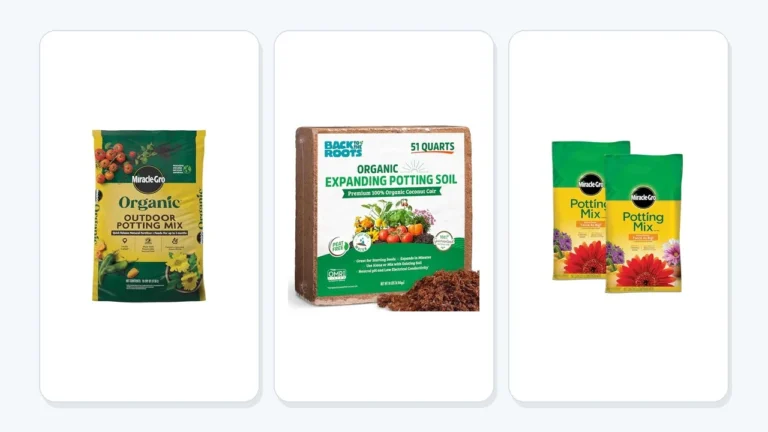
Can You Use Potting Soil in Raised Beds? Pros, Cons, and Fixes
Yes, you can use potting soil in raised beds, but filling a whole bed with it usually costs more and may hold water or settle differently than a garden soil blend. It works best as part of a mix, or in a small bed where the soil label and your plants’ needs line up.
Are you staring at bags of potting mix and wondering if they’ll work in that new bed? Or are you worried the soil will shrink, dry out, or leave your vegetables struggling after you’ve already planted them?
I once used a fluffy container mix to fill a deep planter because the bags were easy to carry and looked ready to go. After watering, the surface dropped and the bed needed more soil than I’d planned; it’s a common mistake, not a dumb one.
I wrote this to help you choose a practical fill without getting lost in soil jargon or buying more bags than the bed needs. You’ll get a clear way to tell potting mix from raised-bed soil, work out when potting soil makes sense, and blend it for a better result.
Get the mix right and you can avoid a sunken bed, wasted money, and plants that swing between soggy and thirsty. Skip the label and the math, and even a good-looking bag can turn into a disappointing fill.
This takes about 10 minutes to read. By the end, you’ll be able to:
- Decide when potting soil is a good fit for your raised bed.
- Blend it with soil and compost without making a heavy, waterlogged mix.
- Estimate how much material the bed needs and troubleshoot common problems.
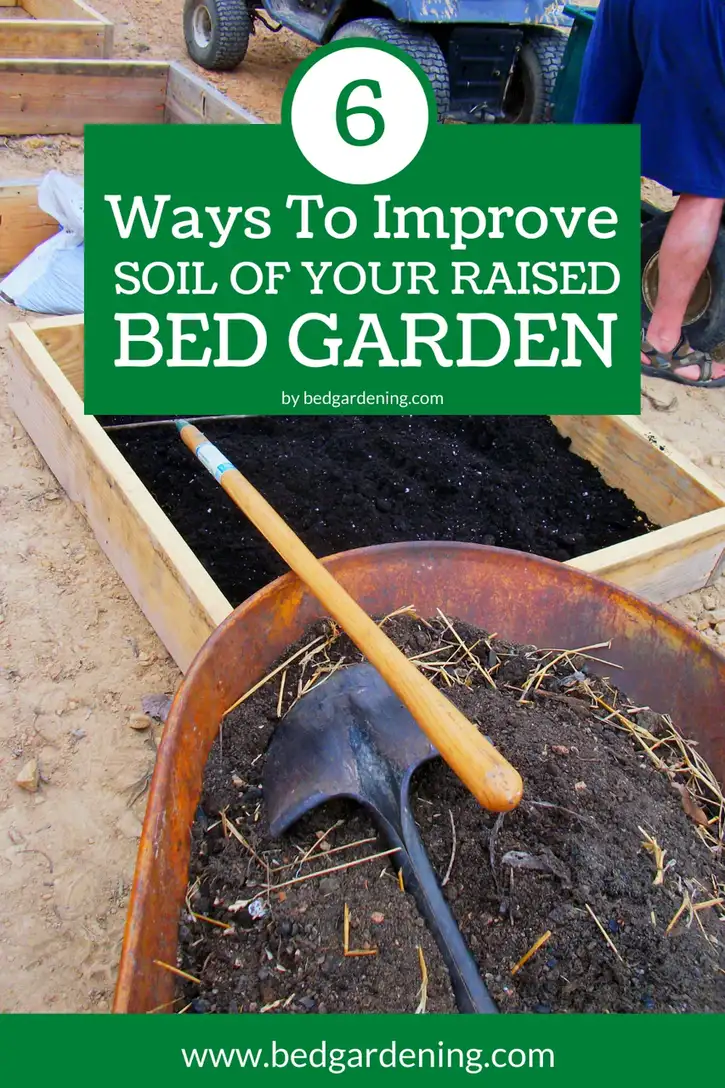
Can You Use Potting Soil in Raised Beds?
Yes, potting soil can go in raised beds, but it’s usually better mixed with garden soil and compost than used as the entire fill. Potting mix is made for containers, while raised beds need a mix that stays productive in a larger volume and won’t cost a fortune to fill.
The name can be confusing: potting soil often contains little or no actual soil. Many mixes use materials such as bark, peat moss or coir, and perlite to balance water retention with air around roots. That light texture helps a plant in a pot, but a deep raised bed may settle as organic ingredients break down or compress.
A raised-bed soil blend is generally meant for a larger growing area and may include topsoil, compost, and other materials that support structure and drainage. Products differ, so read the bag rather than relying on the name alone. If the label describes a container mix or lists mostly lightweight ingredients, treat it as one part of your bed fill, not an automatic replacement for garden soil.
A useful starting blend for a typical vegetable bed is about half screened topsoil, one-quarter finished compost, and one-quarter potting mix or another loose, soil-friendly ingredient. It’s a starting point, not a universal formula: heavy clay soil, a shallow bed, a rainy climate, or a mix that already contains compost can call for a different balance.
| Material | What it contributes | Good fit in a raised bed |
|---|---|---|
| Potting mix | Light texture and water-holding capacity | A portion of the blend, especially for shallow beds |
| Screened topsoil | Mineral soil and body | A main component when you need economical volume |
| Finished compost | Organic matter and nutrients | A measured portion mixed throughout |
| Raised-bed mix | A blend intended for bed-sized growing areas | Convenient when the label matches your plants and budget |
Potting soil can be a sensible choice when the bed is small, the existing soil is poor, or you already have a few bags on hand. A few bags in a 2-by-4-foot bed may be reasonable; using dozens to fill a large bed is a different story. Check the bag size and calculate volume before you buy.
Is the bed going straight onto a lawn or compacted soil? That affects the job: roots may eventually reach the ground below, but the material in the bed still needs enough body to hold moisture and support plants. Potting mix can loosen a dense blend, yet a bed filled only with light mix may settle more than you expect.
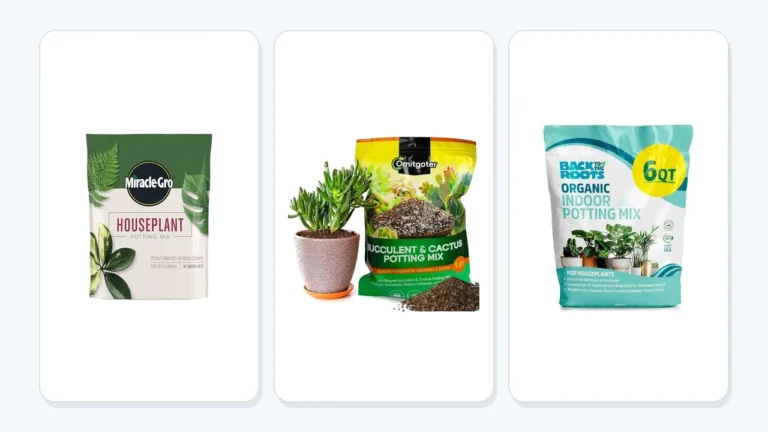
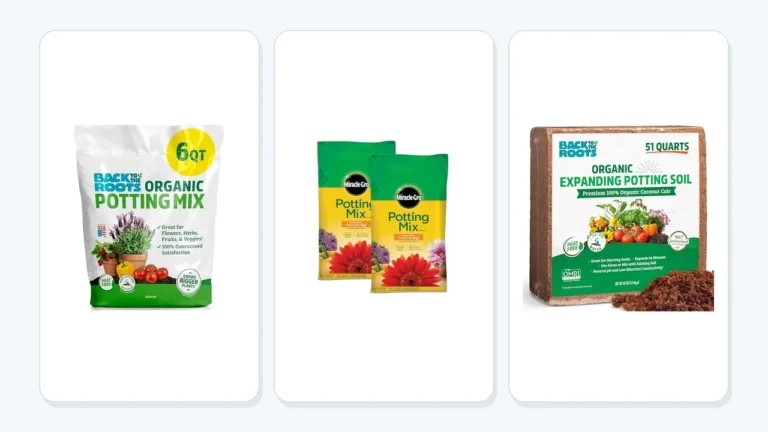
If you’re comparing bags at the garden center, use the label’s plant type, texture, and intended use to narrow the choices. A guide to the best raised bed mixes can help you compare products when you’d rather buy a ready-made blend than mix your own. Potting mixes made for outdoor containers may also suit the exposed conditions better than a blend designed for indoor houseplants; look at potting soil for outdoor plants when wind, rain, and summer heat are part of the picture.
- Potting soil can be used in raised beds, but it’s rarely the best choice as the only fill.
- Blend it with soil and compost when you need more structure and a lower-cost fill.
- Check the bag’s ingredients and intended use before buying.
How to Blend Potting Soil for a Raised Bed
A good raised-bed blend combines enough mineral soil for body with compost and potting mix for organic matter and a looser texture. The right proportions depend on the ingredients you have, but the mix should feel crumbly when damp, not sticky or spongy.
Start by checking what’s already in your bags. Some raised-bed products contain compost, and some potting mixes include fertilizer or moisture-retaining ingredients. Adding more of the same without reading the label can leave the bed too rich, too wet, or needlessly expensive.
Use these steps to plan the fill:
- Measure the inside length and width of the bed, then multiply those numbers by the fill depth in feet. A 4-by-8-foot bed filled 1 foot deep holds 32 cubic feet.
- Check the volume printed on each bag. Bag sizes vary, so compare volume rather than assuming every bag fills the same space.
- Choose a mix based on the bed’s use and the materials available. For a general vegetable bed, start with roughly half topsoil, one-quarter compost, and one-quarter potting mix.
- Spread the ingredients in shallow layers, then mix them with a garden fork or shovel. Combining them throughout the bed helps avoid pockets that drain or dry at very different rates.
- Water the bed slowly and let the mix settle before topping it off. Leave a little room below the rim so water and mulch don’t spill over the edge.
Potting mix can be valuable in a bed that has heavy, dense soil available, since a loose ingredient can improve the feel of the blend. Still, it doesn’t turn any soil into a perfect growing medium by itself. If the bed already has good garden soil, don’t replace it just because a bag of potting mix looks fluffy and fresh.
When the soil is too heavy, check whether the issue is the soil blend or poor drainage beneath the bed. Water that has nowhere to go can leave the bottom wet even if the top looks dry. Don’t add a layer of gravel at the bottom as a quick fix; it won’t correct a blocked or compacted site, and it reduces the depth available to roots.
A few ingredients can need special care. Avoid fresh manure, unfinished compost, or unknown fill from a construction site; fresh materials can harm plants, and unknown soil may contain debris or contaminants. If you’re unsure about soil from an old lot or a site with a history of spills, get qualified local guidance before growing food in it.
Pro Tip: Mix the ingredients on a tarp or in a wheelbarrow before they go into a narrow bed. It’s much easier to blend a few manageable batches than to chase a pocket of pure compost at the bottom later.
I learned that the hard way after dumping compost and potting mix into a planter in separate layers. The top looked rich, but the layers stayed distinct after watering, and one end dried faster than the other. Mixing first would’ve saved me a fussy afternoon with a hand fork.
Do all plants want the same mix? Not quite: most vegetables do well in a balanced, evenly moist bed, while containers and some specialized plantings may call for a different texture. Trees need room for roots and a suitable planting site, so don’t treat a raised bed like an oversized tree pot; potting soil for trees has a different job than a general vegetable-bed blend.
For ornamental grasses in pots, drainage and container size matter in ways that don’t always carry over to an in-ground bed. A potting mix intended for that setup may be useful in a planter, but it doesn’t automatically suit an entire raised bed; soil for potted ornamental grasses can help clarify that distinction.
And what if you’re using the leftover potting mix elsewhere? Potting soil can be used in the ground in some situations, but its lightweight ingredients behave differently from native soil, so the amount and purpose matter. For a separate planting area, check using potting soil in ground soil before scattering a full bag across a lawn or garden.
Common Problems, Fixes, and Better Alternatives
Most raised-bed problems come from a mix that’s too light, too wet, too rich, or settling more than expected. You can often correct the blend by checking moisture and drainage first, then adding the right material in small amounts.
| What you notice | Likely reason | Practical fix |
|---|---|---|
| Bed level drops after watering | Loose ingredients settled or decomposed | Top up with a similar blended mix |
| Water sits on the surface | Compaction, poor drainage, or excess fine material | Check the site and bed drainage; loosen the mix |
| Soil dries quickly | Too much lightweight mix or exposed surface | Add a suitable soil component and use mulch |
| Plants look weak despite rich soil | Watering, light, roots, or nutrient balance may be off | Check growing conditions before adding fertilizer |
| Different areas behave differently | Ingredients were layered or unevenly mixed | Blend the affected area through the root zone |
If the bed sinks, don’t panic and fill the dip with pure compost. First check whether the level dropped evenly and whether the soil feels soggy or simply loose. Add a compatible blend after the bed has settled, then water gently; a mound of fresh compost can make one area drain and feed differently from the rest.
If the surface stays wet, pause before adding more potting mix. Look for a clogged drain opening, a bed set in a low spot, or a compacted base. Once you’ve ruled those out, loosen the upper soil and adjust the mix gradually rather than dumping in a large quantity of any one ingredient.
If plants wilt, check the soil a couple of inches below the surface before watering again. A dry surface can hide wet soil underneath, especially in a deep bed, and watering on a schedule can make the problem worse. A finger test is simple; a small trowel gives you a clearer look when the bed is deep.
Potting mix and lawn soil aren’t interchangeable just because both come in bags. Grass needs a soil surface that supports roots and mowing, while potting mix is built around the needs of plants in containers; lawn soil versus potting soil explains why using the wrong one can create extra work. For vegetable beds, choose material based on the bed’s structure and crop needs instead of trying to solve every problem with fertilizer.
What if the bed is already full of potting soil? You don’t need to shovel it all out unless there’s a clear problem, such as persistent waterlogging, contamination concerns, or severe settling. Mix in screened topsoil and finished compost as needed, then watch how the bed drains after a slow watering.
Important Tip: Don’t add fertilizer just because a plant looks unhappy. Too much fertilizer can damage roots, and wilting can also come from dry soil, soggy soil, heat, or transplant stress.
You can also use a ready-made raised-bed mix, especially when you’re filling a new bed and want fewer separate ingredients to haul. Compare the listed ingredients and volume, not just the word “raised bed” on the front. If you’re topping off an established bed, use a similar texture so the new layer doesn’t behave very differently from the soil below.
Seasonal changes matter, too. Rain can keep a bed wet for days, while a hot, windy stretch can dry a shallow bed quickly; mulch helps slow moisture loss, but it won’t fix a mix that drains poorly or lacks enough soil body. Keep a simple note of how often the bed needs water, and let that real-world clue guide your next adjustment.
FAQs About Can You Use Potting Soil in Raised Beds
Can I fill a raised bed with only potting soil?
Yes, you can fill a small raised bed with potting soil, but a large bed can become expensive and may settle as the mix changes over time. Check the bag’s ingredients and water behavior, then watch the bed level after watering. Mixing in screened topsoil often gives a deeper bed more body.
Is potting soil the same as raised-bed soil?
No, potting soil and raised-bed soil aren’t necessarily the same. Potting soil is commonly a lightweight mix for containers, while raised-bed blends are sold for larger growing areas and may include more mineral soil. Product formulas vary, so the ingredient list and intended use matter more than the front label.
Can potting soil be mixed with garden soil?
Yes, potting soil can be mixed with garden soil to loosen the texture or use up material you already have. Blend it evenly rather than leaving separate layers, and avoid adding it to soil that’s already waterlogged. A small trial batch can show you how the mix feels after watering.
Will potting soil sink in a raised bed?
Potting soil can settle, especially when a mix contains lightweight organic ingredients that compress or break down. Some drop in level after watering is normal, but a large or uneven sink can point to loose fill or poor blending. Top up with a similar mix after the bed has settled.
Should I put potting soil over grass in a raised bed?
Yes, you can use potting soil in a raised bed set over grass, but the bed still needs enough depth and a suitable blend for the plants. Remove tall grass first, and check whether the site drains well. A base that stays saturated won’t be fixed by adding more potting soil.
Choose the Mix That Fits Your Bed
Potting soil can be part of a raised-bed fill, and it’s handy when you have a small bed, a few leftover bags, or a blend that needs a lighter texture. I wouldn’t use it as the default for filling a large bed, since the cost adds up and the loose structure may settle more than you want.
My practical pick is to start with the bed’s size, inspect the ingredients, and blend potting mix with suitable soil and finished compost where needed. That gives you room to adjust without betting the whole bed on one bag. Before you buy anything, measure the bed and write down how many cubic feet it holds.
That one small step can save a lot of hauling, guesswork, and soil left over in the driveway.

I’m Maya L. Greenwood, a lifelong plant lover who believes anyone can grow something beautiful with the right guidance. After years of testing soil mixes, pruning methods, irrigation tricks, and pest-safe solutions, I started EasyGardenTips.com to turn hard-won lessons into step-by-step advice. From seed starting and container gardens to composting and seasonal checklists, my goal is to make gardening simple, sustainable, and fun.