Can Potting Soil Make You Sick? Real Risks and How to Stay Safe
Yes, potting soil can make you sick, mostly through breathing dusty particles, touching contaminated material, or accidentally swallowing it. Most people can handle it safely with a few simple precautions, but some exposures deserve quick medical advice.
Have you ever opened a bag of mix and had a dusty puff hit your face? Or worried after a child or pet got into spilled soil? Those are sensible concerns, and the right response depends on how the exposure happened and what symptoms follow.
I once opened a dry bag in a closed shed and got a faceful of dusty compost smell; my throat tickled for the rest of the afternoon, and I lost the time I’d planned to pot seedlings. That was a handling mistake, not a dumb one.
I wrote this for anyone who wants to garden without second-guessing every bag of mix. You’ll get a clear picture of the real health risks, what symptoms to watch for, and how to handle potting soil with less dust and mess.
A little care can help you avoid irritated eyes, a coughing fit, or an avoidable trip to the doctor. Skip basic precautions, and dust can reach your lungs, or soil can get where it shouldn’t, such as a child’s mouth or an open cut.
This takes about 10 minutes to read. By the end, you’ll know how to:
- Handle and store potting soil with less exposure.
- Tell ordinary irritation from symptoms that need medical care.
- Respond to swallowed soil, eye contact, or a cut.
- Choose a mix and work area that fit your health needs.
Can Potting Soil Make You Sick? Risks and Safe Handling
Yes, potting soil can cause illness or irritation, though serious illness is uncommon for most healthy adults. Keep dust down, avoid direct contact with your face or mouth, and wash your hands after handling it.
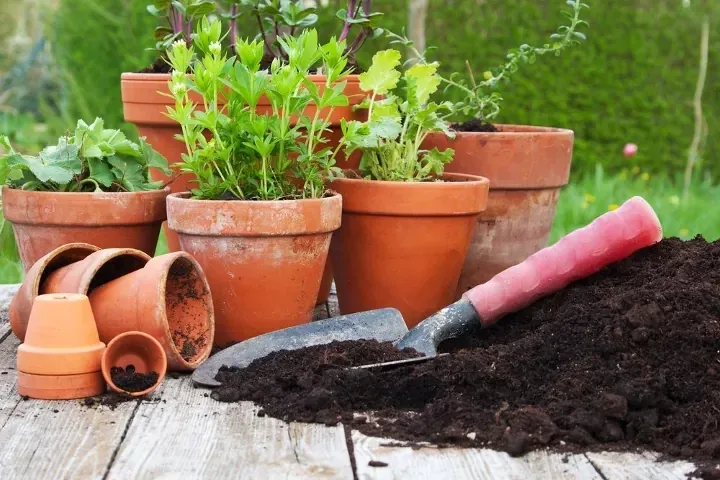
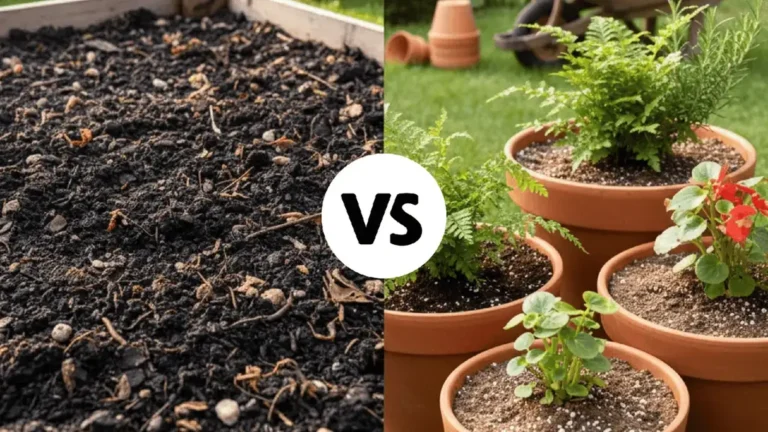
Potting mix is a growing medium made from ingredients such as peat, coir, bark, compost, perlite, or fertilizer. It may contain dust, mold spores, bacteria, and other natural material, and its exact contents vary by brand and batch.
The main risks come from breathing airborne dust, getting soil in your eyes or a cut, or swallowing it. Some mixes also contain fertilizers or other additives that can irritate skin or cause harm if eaten.
- Dust and spores: Dry mix can release small particles when poured or disturbed. Those particles may irritate your nose, throat, lungs, or eyes, especially if you have asthma or allergies.
- Microorganisms: Soil and compost can contain germs. Rarely, certain bacteria in potting mix can cause serious respiratory infection after a person breathes contaminated dust.
- Skin contact: Soil may irritate sensitive or broken skin, and germs can enter through a wound.
- Swallowing: Potting mix can cause stomach upset or expose someone to fertilizer or other ingredients, especially if a child eats it.
- Pests: Tiny insects are usually a plant nuisance, not a human health threat, though they can be unpleasant around the home.
A rare but serious risk is Legionella longbeachae, a bacterium associated with potting mix and compost. People can become infected by breathing contaminated dust; the illness may resemble pneumonia, with fever, cough, and shortness of breath. Risk depends on the person and exposure, and most garden tasks don’t lead to infection.
| Exposure or symptom | Possible explanation | What to do |
|---|---|---|
| Brief cough after pouring dry mix | Dust irritated the airways | Move to fresh air and avoid more dust |
| Itchy eyes or skin | Dust or mix ingredients caused irritation | Rinse with clean water; stop handling the mix |
| Fever, worsening cough, or trouble breathing | Possible infection or another serious cause | Contact a medical professional; seek emergency help for severe breathing trouble |
| Soil swallowed | Irritation or exposure to fertilizer or additives | Remove soil from the mouth and contact Poison Control for guidance |
| Soil in a cut | Dirt or germs entered broken skin | Rinse the wound well and watch for worsening redness, pain, or swelling |
The table can help you decide what to do next, but it can’t diagnose an illness. If you feel seriously unwell after exposure, don’t wait for a symptom checklist to give you permission to get help.
Does a dust mask matter if you’re only filling one pot? It can, especially if the mix is dry, you’re working indoors, or you have asthma or a weak immune system. A well-fitting N95 respirator filters airborne particles better than a loose cloth covering; follow the product directions, and step away if breathing feels difficult.
Pro Tip: Open bags outside when you can, and pour slowly close to the pot instead of shaking the mix from shoulder height. A little patience beats a cloud of dust in your face.
Symptoms, Higher-Risk Exposures, and When to Get Help
Most minor reactions to potting soil are short-lived, but breathing symptoms, fever, or exposure involving a child can need prompt attention. The timing and seriousness depend on the amount, route of exposure, the ingredients, and your health.
Dust can trigger a scratchy throat, coughing, sneezing, or irritated eyes. If you have asthma, allergies, or another lung condition, dust may set off symptoms more easily than it would for someone without those conditions.
A more serious respiratory illness may cause fever, chills, cough, muscle aches, or shortness of breath. Those symptoms can have many causes, so mention the potting-mix exposure to a clinician rather than trying to identify a germ yourself.
Be extra careful if you’re immunocompromised, meaning your immune system is weakened by a condition or treatment. Older adults and people with chronic lung disease may also need added caution, so asking a clinician about gardening precautions is a sensible move.
Are fungus gnats a sign the soil is dangerous? Usually not; fungus gnats are a nuisance to plants and people, but they aren’t the same as a harmful soil infection. If you’re dealing with pests, changing watering habits and learning ways to remove soil bugs may help you control the problem without spraying chemicals indoors.
If potting soil gets in your eye, rinse gently with clean, lukewarm water. If irritation continues, vision changes, or pain is severe, get medical advice.
For a cut, rinse the area with clean running water and wash around it with soap. Don’t pack soil into the wound, and contact a healthcare professional if the cut is deep, redness spreads, swelling grows, or you develop fever.
If someone swallows soil, remove any visible material from the mouth and have the person rinse and spit. Don’t make them vomit; call Poison Control at 1-800-222-1222 in the United States for guidance, especially if the mix contains fertilizer or the person is a child.
Call 911 for severe trouble breathing, collapse, or another immediate emergency. For less severe but worsening symptoms, contact a clinician promptly and tell them what product was involved and how the exposure happened.
I once watched a dry mix spill across a potting bench and learned the hard way that sweeping makes dust fly right back up. I dampened the residue before cleaning it, which kept the mess settled instead of turning the whole work area into a sneeze-fest.
| Situation | Safer response |
|---|---|
| Dry mix has spilled | Lightly dampen it before cleanup; avoid dry sweeping |
| Bag is dusty | Work outdoors or in a well-ventilated area and pour slowly |
| Mix gets on your hands | Wash with soap and water before eating or touching your face |
| You’re handling an open wound | Cover it first, or wait until the wound is protected |
| A child or pet reaches spilled mix | Remove the material and contact Poison Control or a veterinarian if any was swallowed |
Important Tip: Keep potting mix in its original bag when possible, with the label readable and the bag closed between uses. If someone swallows it, the ingredient list gives Poison Control or a clinician useful details.
Safer Potting Soil Habits for Home Gardeners
You can lower your exposure by controlling dust, using basic protective gear, and keeping potting mix away from food and children. You don’t need a full workshop setup; a clear work surface and a few good habits go a long way.
- Choose your work spot. Work outdoors or somewhere with good airflow, not in a small closed room. Keep soil away from kitchen counters, dishes, and food.
- Check the bag. Read the label for ingredients, warnings, and handling instructions. Don’t use a torn or badly contaminated bag, and avoid sniffing its contents.
- Reduce dust before pouring. If the mix is very dry, add a small amount of clean water and let it settle before handling. Don’t soak the mix or create muddy splashes.
- Protect your skin and lungs. Wear gardening gloves, cover cuts, and use a well-fitting N95 respirator when dust is likely or your health calls for extra protection. Add eye protection if material tends to scatter.
- Clean up and wash. Wipe tools and surfaces with a damp cloth, then wash your hands with soap and water. Change dirty clothes if they’re coated in dust.
The best non-toxic potting soil depends on what “non-toxic” means to you, because no mix is automatically safe to eat or breathe. Check ingredients and warnings, and look for a product suited to your plants and household rather than trusting a broad safety claim: choosing a lower-risk potting soil can help you compare options.
If you make your own blend, handle each ingredient with the same care as a bagged mix. Compost, bark, and other dry materials can raise dust too, so a guide to making potting soil at home should account for ventilation and clean handling, not just plant growth.
The word loamy describes a balanced soil texture, but ordinary garden loam isn’t automatically a good container mix. Pots need a mix that drains and holds air; adding ingredients without a clear purpose can make the medium too heavy or dusty. For a container-focused blend, review how to make a loamy potting soil before changing a recipe.
Fungus gnats often thrive when potting mix stays damp, so let the surface dry as appropriate for the plant rather than keeping every pot wet. A so-called gnat-free potting mix may reduce pest trouble, but it doesn’t remove the need to check labels and handle the material carefully.
Pro Tip: Keep leftover mix in a dry, closed spot that children and pets can’t reach. Don’t store it beside food, pet dishes, or items you use for cooking.
Not every plant needs the same blend. Trees grown in containers may need a mix suited to the species, pot size, and watering routine; choosing potting soil for trees is a plant-care decision, not a shortcut to a safer product.
At home, a practical setup might be a sturdy outdoor table, gloves, a bag clip, and a hose or damp cloth for cleanup. If you don’t have an outdoor spot, open windows and use a fan to move air out of the room, not across the soil and into your face.
- Dust is the main avoidable exposure during routine potting.
- Wear gloves, cover cuts, and wash your hands before eating.
- Get prompt medical advice for fever, worsening cough, or breathing problems after exposure.
- Call Poison Control if a person swallows potting mix.
FAQs About Can Potting Soil Make You Sick
Can potting soil cause a lung infection?
Yes, potting soil can rarely carry germs that cause lung infection when contaminated dust is inhaled. Fever, cough, chills, or shortness of breath after handling mix deserve medical attention, especially for someone with chronic lung disease or a weakened immune system. Tell the clinician about the soil exposure.
Can potting soil make you sick if you touch it?
Usually, touching potting soil doesn’t make a healthy person sick, but soil can irritate skin or contaminate a cut. Wear gloves if you have sensitive skin or broken skin, and wash your hands with soap and water after gardening. Seek care if a wound becomes increasingly red, swollen, painful, or warm.
Should I wear a mask when using potting soil?
A mask is a good idea when potting mix is dry or dusty, when you’re working in an enclosed space, or when you have a health condition that makes lung irritation riskier. A well-fitting N95 respirator filters particles better than a loose face covering. Follow its fit and use instructions.
What should I do if my child eats potting soil?
Remove any soil from your child’s mouth, have them rinse and spit, and don’t induce vomiting. Call Poison Control at 1-800-222-1222 for advice, and keep the bag or label handy so you can identify ingredients. Seek emergency help if your child has trouble breathing or becomes seriously unwell.
Can old potting soil make you sick?
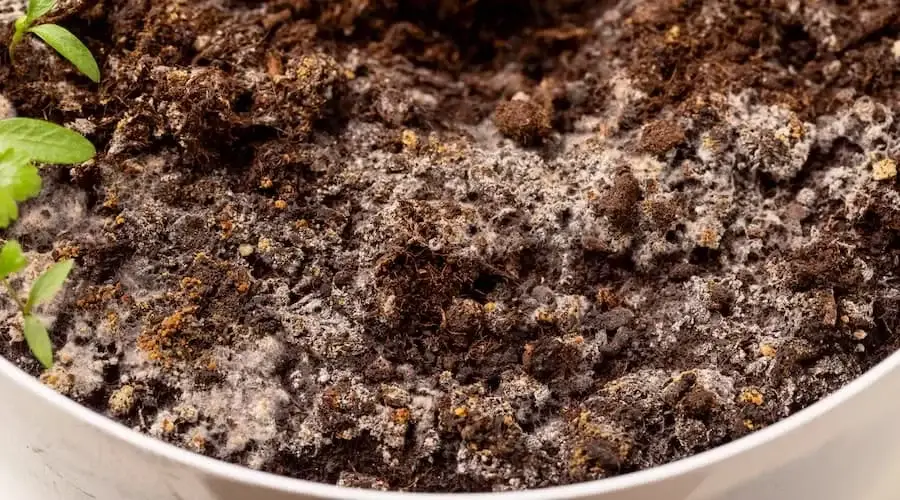
Old potting soil may be dusty, damp, moldy, or contaminated, depending on how it was stored. Don’t shake or sniff a moldy bag; handle it cautiously, keep children and pets away, and discard it if the product looks or smells spoiled. Follow the bag’s handling directions when you clean up.
Garden with Less Dust and More Confidence
Potting soil can make you sick, but careful handling cuts down the everyday risks. Keep dry mix from puffing into the air, protect cuts, wash up before eating, and take symptoms seriously if they worsen or include fever or breathing trouble.
I’d put the effort into a clean, airy work spot before buying special gear for every garden task. For dusty work, though, a properly fitted N95 and gloves are a sensible choice, especially if you have asthma or a weakened immune system.
Your next step is simple: check the label on your current bag, set up a place with good airflow, and keep the mix out of reach of children and pets. Then you can get back to the satisfying part, filling pots and watching something grow.

I’m Maya L. Greenwood, a lifelong plant lover who believes anyone can grow something beautiful with the right guidance. After years of testing soil mixes, pruning methods, irrigation tricks, and pest-safe solutions, I started EasyGardenTips.com to turn hard-won lessons into step-by-step advice. From seed starting and container gardens to composting and seasonal checklists, my goal is to make gardening simple, sustainable, and fun.