5 Best Potting Soil for Rose Cuttings: Fast-Rooting Mixes That Work
Starting rose cuttings in the wrong soil can leave the stems sitting in a soggy pot or drying out before roots form. A heavy garden soil can also pack down around a tender cutting, while a nutrient-rich mix may be more than a new stem needs. The result is often wasted time, a failed cutting, or another bag of soil to buy.
For cuttings, the main job of a growing mix is to hold some moisture without staying waterlogged, so the stem has a chance to form roots. A fine, tightly packed mix can make that balance harder, and extra fertilizer is not automatically helpful for a cutting that has no roots to feed yet. Bag size matters too: a small bag can suit a few starts, while larger amounts make more sense for established plants or several pots.
Here’s what to check before you plant:
- How the mix’s ingredients affect drainage and moisture.
- Whether the bag is sized for a few cuttings or larger pots.
- When a rose-specific blend makes sense, and when a general mix may be a better fit.
- Simple steps for preparing, watering, and caring for cuttings.
Quick Picks
-
Best For Small Rose Cuttings
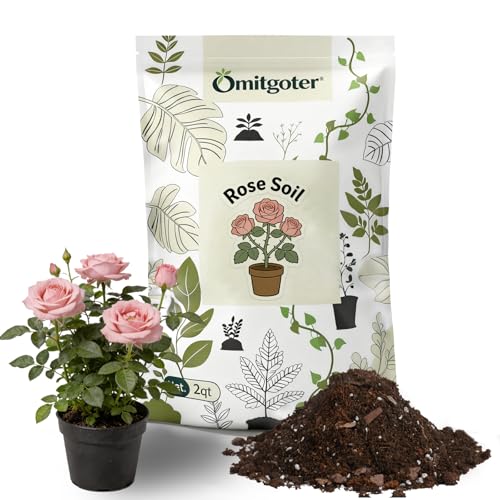
Omitgoter Rose Soil Potting Soil 1qt- Natural
Peat, coir, perlite, bark, and humus make a loose ready-to-use mix for growers starting a few rose cuttings.
-
Best For Larger Desert Rose Pots

Soil Sunrise Desert Rose Potting Soil Mix
An 8-quart blend with perlite, coir, and sand offers ample mix for established desert roses and succulent pots.
Top 5 Potting Soils for Rose Cuttings at a Glance
The first mix is the most directly rose-focused option in this group and comes in a small bag, while the second offers more volume but is formulated for desert roses and similar plants. The other picks range from a rose mix with slow-release fertilizer to a pH-focused blend and a peat-free all-purpose soil, so suitability for tender cuttings varies.
| Product image | Product name | Check product |
|---|---|---|
| 1 |
Omitgoter Rose Soil Potting Soil 1qt- Natural | Check Price |
| 2 |
Soil Sunrise Desert Rose Potting Soil Mix | Check Price |
3 |
Perfect Plants Specialty Rose Soil, 4 qt, | Check Price |
4 |
Doter Organic Rose Soil Mix, Indoor Plants | Check Price |
5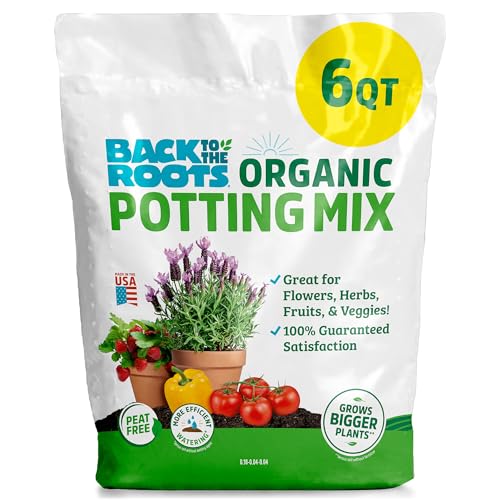 |
Back to the Roots Organic Potting Soil, | Check Price |
5 Best Potting Soils for Rose Cuttings: Detailed Reviews
When I chose the best potting soil for rose cuttings, I paid attention to ingredients that affect air and water around a new stem, because a cutting can struggle in soil that stays saturated or dries too quickly. I also considered bag size, whether the mix is meant for roses or a different plant, and whether added nutrients could be a poor match for a cutting that has not rooted.
These choices cover small rose-focused bags, a larger desert-rose mix, a rose soil with slow-release fertilizer, and two options aimed at broader container planting. Comparing those differences helps you spot where the bag’s intended use matches your plan, and where a soil may make more sense for established plants than new starts.
1. Omitgoter Rose Soil Potting Soil 1qt- Natural
Peat, coir, perlite, bark, and humus make a loose ready-to-use mix for growers starting a few rose cuttings.
- ColorRose Soil
- Size1qt
- WeightNot listed; check details
- DimensionsNot listed; check details
Omitgoter Rose Soil is a small, ready-to-use blend for someone starting a few rose cuttings or filling a compact rose pot. Its listed ingredients include peat, coconut coir, perlite, bark, and humus, which gives you a mix with several components rather than a plain, dense soil.
Perlite is a lightweight mineral added to growing mixes to leave air spaces and help excess water drain. For a cutting, those air spaces can help keep the rooting area from staying swampy, though the pot and watering habits still matter. Coconut coir and peat help the mix hold moisture, so you may not need to water as often as you would with a very coarse blend.
The maker describes this mix as ready to use and says its nutrients last over time. That saves you from measuring and blending ingredients before planting, but a cutting without roots has limited ability to take up added nutrients. I’d avoid assuming that more feeding means faster rooting, and I’d check how quickly the mix drains after a careful watering.
Pros:
- Peat and coir help hold moisture around a cutting.
- Perlite supports airflow and drainage through the mix.
- Bark adds a coarse component to the blend.
- Ready-to-use format saves measuring and mixing.
- Small 1-quart size suits a few starts.
Cons:
- A 1-quart bag may not stretch to many pots.
- Long-lasting nutrients may be unnecessary before roots form.
- The bag does not state a measured drainage rate.
Buy it if: you’re starting a small number of rose cuttings, because the rose-focused, ready-to-use blend saves you from mixing ingredients yourself.
Skip it if: you need enough soil for several large containers, because the 1-quart bag is small, and a larger-volume potting mix would suit you better. For another fit, consider Soil or Perfect.
I’d consider Omitgoter Rose Soil the most straightforward starting point among these picks because the blend is marketed for roses and includes both moisture-holding and airy ingredients. The small bag is convenient when you only need a little, but it may be poor value if you’re filling more than one large pot. Before buying, check the quantity against the number and size of your containers, and keep watering light while the cuttings are unrooted.
2. Soil Sunrise Desert Rose Potting Soil Mix
An 8-quart blend with perlite, coir, and sand offers ample mix for established desert roses and succulent pots.
- ColorBrown
- Size8 Quarts
- Number Of Items1
- WeightNot listed; check details
Soil Sunrise Desert Rose is a larger bag intended for desert roses, cacti, and other succulents, rather than a mix made specifically for ordinary rose cuttings. Its 8-quart size gives you more soil than the 1-quart bags in this group, which can be handy for filling or refreshing a bigger pot.
The blend lists peat moss, horticultural perlite, coconut coir, sand, and lime. Horticultural perlite is a light, porous material used to open up a mix; sand adds a heavier, gritty component. Together, those ingredients are intended to support drainage and aeration, two useful qualities for plants that dislike sitting in wet soil.
The important catch is the intended plant. Desert roses and many succulents are not the same as a new cutting from a typical garden rose, and a mix built for the former may drain differently from what a tender rose stem needs. If you want to use this for ordinary rose cuttings, check how coarse the mix feels and whether it holds enough moisture for your conditions instead of relying on the name alone.
Pros:
- Eight quarts offer more volume for larger pots.
- Perlite and sand support a more open, draining texture.
- Coir and peat help the blend retain some moisture.
- Intended for planting and repotting desert roses.
- Listed for cacti and other succulents too.
Cons:
- Formulated for desert roses, not ordinary rose cuttings.
- Larger bag may be excessive for a few starts.
- The coarse, draining balance may not suit every cutting setup.
Buy it if: you’re potting an established desert rose or succulent, because the larger bag and listed gritty ingredients suit that use.
Skip it if: your only goal is rooting garden-rose stems, because the mix is formulated for desert roses and succulents, and a rose-focused propagation mix would suit you better. Omitgoter and Perfect are worth a closer look instead.
What I like about Soil Sunrise Desert Rose is the clear plant type and generous bag size, which make the intended use easy to understand. It ranks below the rose-focused options for cuttings because the blend is designed around desert roses and succulents, not tender stems from garden roses. Check the plant type and the texture you need before opening an 8-quart bag, especially if your main project is propagation.
3. Perfect Plants Specialty Rose Soil, 4 qt,
The catalog lists SUPERIOR DRAINAGE & AERATION- With sand and composted pine bark chunks our specialty Rose Potting Mix balances. Compare fit and care needs before choosing.
- Size4qt
- Fertilizer18-6-8
- Feeding Duration12 months
- Color8 Qt
Perfect Plants Rose Soil is a rose-focused mix for someone who wants a ready-blended soil for rose containers or established plants. The listed ingredients include composted pine bark, granite sand, and peat, and the mix also contains 18-6-8 slow-release fertilizer.
Slow-release fertilizer is plant food designed to become available over time rather than all at once. The stated 18-6-8 formula is included in the mix, and the product information says it feeds for 12 months. That may reduce the need to add fertilizer soon for established roses, but it is a reason to pause before using this mix for fresh cuttings: they are not yet rooted plants with a strong ability to take up nutrients.
Pine bark and granite sand are listed as drainage and aeration ingredients. A more open mix can help prevent a container from staying overly wet, but the actual balance depends on the pot, watering, and the size of the bark pieces. This bag is 4 quarts, a middle ground between the smaller one-quart choices and the larger desert-rose bag.
Pros:
- Rose-specific blend suits established potted roses.
- Pine bark and granite sand support drainage and airflow.
- Slow-release 18-6-8 fertilizer is already mixed in.
- Stated feeding period is 12 months.
- Four-quart size gives more than a sample amount.
Cons:
- Added fertilizer may be unnecessary for unrooted cuttings.
- A 4-quart bag may be more than a tiny project needs.
- Feeding duration does not tell you how much fertilizer each pot receives.
Buy it if: you’re repotting an established container rose, because the rose mix includes drainage ingredients and slow-release fertilizer.
Skip it if: you’re rooting fresh stems and want to control feeding separately, because this blend already contains fertilizer, and an unfertilized propagation medium would suit you better. If those trade-offs rule it out, Omitgoter or Soil may suit you better.
I’d put Perfect Plants Rose Soil high on the list for established roses, where a pre-fertilized blend can make repotting simpler. The included food is also the main reason I would not reach for it automatically for cuttings, since rooting and feeding are different stages of plant care. Check the bag’s fertilizer details and intended use before planting, and avoid adding more plant food on top without a clear reason.
4. Doter Organic Rose Soil Mix, Indoor Plants
The catalog lists ✅【Optimized pH Level】Our Rose Soil Mix is perfectly balanced with a pH level that roses love, typically betwee. Compare fit and care needs before choosing.
- Colorblack
- Size1qt
- WeightNot listed; check details
- DimensionsNot listed; check details
Doter Rose Soil is a compact rose mix for someone growing potted roses indoors or outdoors. The product information gives a target pH range of 6.0 to 6.5 and names compost, coarse sand, and perlite among the blend’s components.
pH describes how acidic or alkaline a growing medium is, and it can affect how readily roots access nutrients. A stated range gives you a useful clue about the intended growing conditions, but pH alone cannot tell you whether a mix is airy enough for cuttings. The perlite and coarse sand are included for drainage, while compost contributes organic matter and nutrients.
The bag is 1 quart, so it is easier to store and handle for a small pot or a few starts than a large sack. The product description also mentions a mix of macro- and micronutrients and claims a healthy soil ecosystem. Those claims should not be treated as a guarantee against disease; clean tools, suitable moisture, and good airflow still matter when you propagate plants.
Pros:
- Rose-focused mix is intended for potted roses.
- Stated pH range is 6.0 to 6.5.
- Perlite and coarse sand are listed for drainage.
- Compost adds organic matter to the blend.
- One-quart size is manageable for a small project.
Cons:
- Small bag may not fill multiple containers.
- Nutrient content may be more than fresh cuttings need.
- A stated pH range does not confirm the mix’s texture.
Buy it if: you want a small rose-specific mix with a listed pH range, because that information can help you compare it with your planting needs.
Skip it if: you need a large quantity or a low-nutrient medium for propagation, because the 1-quart bag and added nutrients may not match your plan, and a simpler rooting mix would suit you better.
Doter Rose Soil earns a place for its stated pH range and the inclusion of coarse ingredients meant to improve drainage. I would still treat the nutrient and disease-resistance language as product claims rather than promises of how your cutting will grow. Check the exact bag size and texture, then use a small test pot if you are unsure how quickly the mix dries in your space.
5. Back to the Roots Organic Potting Soil,
The catalog lists Includes 6qt of Back to the Roots Premium Blend Potting Mix. 100% Organic and Peat-Free, made from upcycled pl. Compare fit and care needs before choosing.
- ColorPremium Potting Mix
- Size6 Quart
- WeightNot listed; check details
- DimensionsNot listed; check details
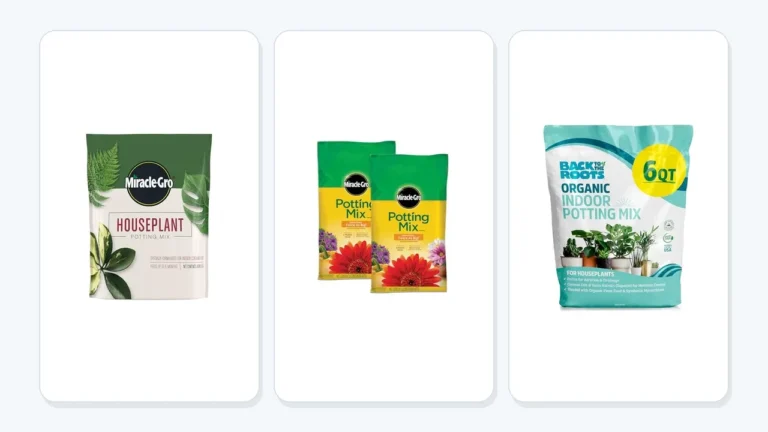
Back to the Roots Potting Soil is a general-purpose, peat-free blend for indoor and outdoor containers, including flowers, vegetables, herbs, and other plants. The 6-quart bag gives you more volume than the one-quart rose mixes, and its ingredients include upcycled plant matter and wood fines.
The product information says the blend includes yucca extract for moisture control and dolomitic limestone for pH balancing. Dolomitic limestone is a mineral amendment used to adjust acidity in a growing mix; it is not a substitute for checking whether a particular plant’s needs match the soil. The mix is not marketed specifically for rose cuttings, so its general purpose is convenient but does not guarantee an ideal rooting texture.
Peat-free blends can be useful if you prefer to avoid peat, but ingredients like wood fines may behave differently from a fine seed-starting medium. A cutting needs steady moisture and air around its base, so take a moment to feel the mix and see whether it drains freely without drying immediately. The bag may also be easier to justify if you have other container plants to pot after the cuttings.
Pros:
- Peat-free blend suits gardeners avoiding peat-based soil.
- Six quarts provide volume for several container projects.
- Listed for flowers, herbs, vegetables, and other plants.
- Yucca extract is included for moisture control.
- Dolomitic limestone is included for pH balancing.
Cons:
- General-purpose formula is not specifically for rose cuttings.
- Six quarts may be too much for a few stems.
- The listed ingredients do not establish a propagation-specific texture.
Buy it if: you need peat-free potting soil for several kinds of container plants, because the 6-quart bag is intended for broad use.
Skip it if: you want a mix formulated specifically for rooting rose stems, because this is an all-purpose blend, and a propagation-specific medium would suit you better.
I’d choose Back to the Roots Potting Soil when peat-free ingredients and a larger, multipurpose bag matter more than a rose-specific formula. The general-use approach may save you from buying separate soil for every container, but the bag does not promise a texture tailored to cuttings. Before planting, check whether the blend drains and holds moisture in a small pot the way your cuttings need.
How to Choose the Best Potting Soil for Rose Cuttings
The best potting soil for rose cuttings should stay lightly moist while leaving air around the cut stem. Look at the ingredients, the amount of fertilizer, and the bag size together; no single word on the front tells you whether the mix suits your setup.
Check the texture and drainage
A propagation mix should not turn into a dense, muddy plug after watering. Perlite, coarse sand, and bark are ingredients that can open up a blend, while peat and coir help hold water; the balance matters more than any one ingredient by itself. If you can see the mix in person, squeeze a damp handful gently: it should hold together loosely, not stay packed like clay.
For a small pot, a very coarse blend may dry too quickly near a warm window, while a fine mix can remain wet if the pot has poor drainage. Make sure the container has drainage holes, then water once and watch how quickly water leaves the bottom. There is no universal number of seconds that makes a soil right, so use that simple check alongside the listed ingredients.
Match nutrients to the stage of growth
Fresh cuttings have no established roots, so a heavily fertilized soil is not automatically an advantage. Some rose mixes include slow-release fertilizer intended to feed established plants over time. For propagation, look for a low-nutrient or unfortified option if you want to control feeding, or follow the product’s instructions and avoid adding extra fertilizer while roots are forming.
A nutrient-rich blend may make more sense after a cutting has rooted and is growing steadily. If you are using a mix with fertilizer already added, note the stated formula and feeding period, and do not stack extra plant food on top without checking the directions. This is one place where the product’s intended use matters more than the word rose on the bag.
Choose a bag size that fits your project
A quart is a little more than a liter, and a 1-quart bag is suited to a small amount of potting rather than filling many large containers. A 4- to 8-quart bag offers more volume for several pots or established plants, but a larger bag can be awkward to store if you only need a handful of mix. Think about the number of cuttings and the size of their containers before choosing.
For just a few starts, buy enough to fill the pots without packing soil tightly around the stems. For a larger propagation project, estimate the container volume first and allow a little extra for settling. Rose soils for mature bushes may be sold in larger quantities than these small mixes; advice about soil for rose bushes can help you think through that different, established-plant use.
Decide whether you need a rose-specific blend
A rose-specific label can mean the mix includes ingredients or nutrients intended for rose growth, but it does not guarantee a perfect match for cuttings. Check whether the bag describes drainage, air spaces, moisture retention, pH, and fertilizer. If the description is vague, rely on the ingredient list and be cautious about using a nutrient-heavy mix for an unrooted stem.
A garden rose cutting and an established rose bush have different immediate needs. A mature plant can draw water and nutrients through a developed root system, while a cutting is trying to form roots. If your plants are already rooted and growing, guidance on potting soil for flowers may help you compare broader flower mixes without assuming that every rose bag works the same way.
Consider the kind of rose you’re growing
The phrase rose soil can cover very different plants and growing conditions. A desert rose is not the same plant as a garden rose, and a blend designed for desert roses and succulents may drain more freely than a mix intended for ordinary potted roses. Check the plant name and intended use, not only the prominent word rose.
Miniature roses are still roses, but their small containers can dry faster than larger pots. A smaller bag is convenient for a compact plant, though the texture and fertilizer still need to match the plant’s stage. If you are caring for a compact potted variety, soil for mini roses is a useful separate topic to consider.
Think about the container and where it will sit
A pot with open drainage holes gives excess water somewhere to go; a decorative cachepot without holes can trap water around the inner pot if you leave standing water inside. A sunny, warm windowsill can dry a small pot more quickly than a cool indoor corner. That means the same mix may need different watering attention in different rooms.
Choose a container just large enough for the cutting and its roots to develop, rather than placing a tiny stem in a huge volume of wet soil. A large pot holds more moisture, which can make it harder to judge when a small cutting needs water. For containers that hang or dry quickly, advice on mix for hanging baskets covers a different moisture and weight challenge.
How to Use Potting Soil for Rose Cuttings for the Best Results
Use a clean, draining container and keep the mix evenly damp rather than soaking wet. Good handling cannot guarantee that every cutting roots, but it can prevent common avoidable problems like compacted soil and standing water.
- Check the plant and cutting. Use a healthy stem and remove any damaged material with clean pruning shears. Follow a reliable propagation method for the rose type you have, since a mix alone cannot make an unsuitable cutting root.
- Choose a clean container. Pick a small pot or propagation container with drainage holes. Wash a reused pot before filling it, because old soil and plant debris can carry problems into a new start.
- Moisten the mix before planting. Add water gradually and stir until the soil feels lightly damp throughout. If water runs out while the middle stays dry, keep mixing gently rather than pouring in a large amount at once.
- Fill without packing hard. Add mix to the pot and tap the sides to settle it. Pressing the soil down firmly removes air spaces, which are useful around a new stem.
- Make a planting opening. Use a clean pencil or similar narrow tool to create a hole before placing the cutting. This helps reduce scraping or pushing soil off the stem as you insert it.
- Place the cutting at the correct depth. Follow the propagation directions for your rose and keep the stem stable in the mix. Avoid burying leaves that are meant to remain above the soil.
- Water gently and drain. Use a small pour or gentle stream so the cutting stays in place. Empty water from any outer tray or cachepot instead of leaving the pot sitting in a puddle.
- Keep conditions steady. Put the pot in a suitable bright location out of harsh direct sun while roots form, and check moisture regularly. A cover used for humidity should not leave the cutting constantly wet or without airflow.
Roses differ, so do not treat a soil bag as a complete propagation plan. If the mix includes fertilizer, read the directions before adding more, and wait until the cutting is rooted and growing before assuming it needs extra feeding.
How to Make Your Rose Cutting Soil Last Longer
Store unused soil dry, sealed, and protected from rain, pests, and direct ground contact. Proper storage helps keep the remaining mix from becoming soaked, contaminated, or difficult to work with before your next potting job.
Close the bag after each use, or move the mix into a clean container with a lid if the package will not reseal. Keep the container in a cool, dry place rather than outside where rain can reach it. Label the container with the soil type and the date you opened it, especially if you keep several blends for different plants.
Do not pour old pot water back into the bag. That can wet the unused soil unevenly and carry bits of plant matter into the stored mix. Keep scoops clean, and avoid placing a dirty tool directly into a fresh bag.
For soil already in a pot, check moisture with a finger near the surface and observe how quickly the container drains. Remove fallen leaves and other debris instead of letting them sit around the stem. If the mix has stayed saturated, smells sour, or has developed a persistent moldy surface, assess the plant and growing conditions rather than simply adding fresh soil on top.
Do not reuse old potting mix for new cuttings without checking its condition and history. Soil from a pot with a diseased plant or persistent pest problem can carry trouble forward, and a compacted mix may no longer drain well. When you are unsure, use fresh medium for delicate propagation rather than trying to rescue a questionable batch.
Common Mistakes to Avoid When Buying and Using Potting Soil for Rose Cuttings
Small choices can make a bigger difference than a fancy label. Avoid these beginner traps, and you will have an easier time judging whether the mix suits the cuttings you are trying to root.
- Choosing by the word rose alone. Some rose blends target established plants or different rose types. Read the ingredient list and intended use before treating a rose label as proof that it is right for cuttings.
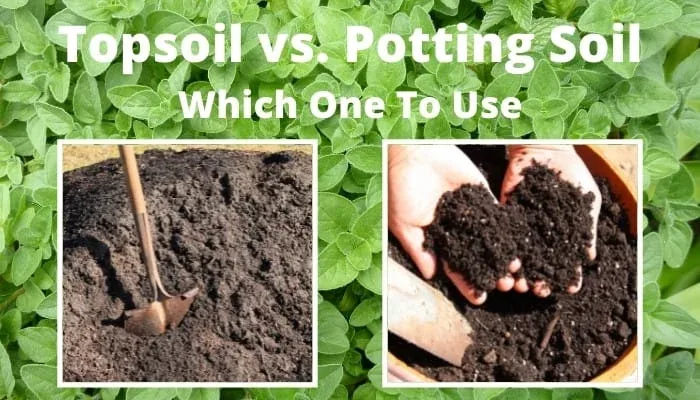
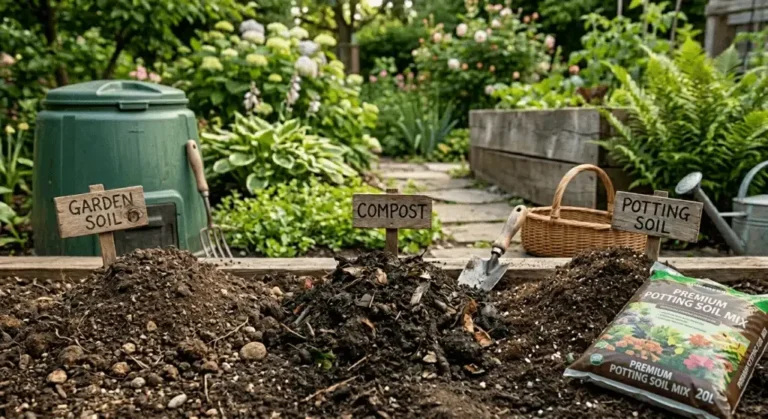
- Using garden soil in a small pot. Garden soil can compact in containers and drain poorly. Choose a container potting mix with a texture that leaves air spaces instead.
- Keeping the pot constantly wet. A cutting needs moisture, not a puddle. Use a pot with drainage holes and let excess water leave after each watering.
- Letting the mix dry completely. A tender stem can struggle if the rooting area dries out. Check small pots often, especially in warm or bright locations, and water when the mix begins to dry.
- Adding fertilizer before checking the bag. Some rose mixes already contain long-lasting plant food. Read the label and avoid adding more by habit, particularly while a cutting has no roots.
- Buying much more soil than you can store. Open bags can get damp or dirty if left outside. Estimate the number and size of containers, then store any extra mix sealed and dry.
- Treating all roses alike. A desert rose, miniature rose, and garden rose may have different growing needs. Check the plant type and the mix’s intended use before filling the pot.
If your goal is a particular garden variety, choose soil based on the plant and its stage, not just the bloom color. For instance, soil for Knock Out roses is a different comparison from a propagation mix for fresh rose cuttings.
How to Set Up Potting Soil for Rose Cuttings
Prepare the pot, mix, and work area before handling a cutting. That keeps the stem out of the air while you search for a clean tool or try to fix a container with no drainage hole.
- Clear a clean work surface. Wipe away old leaves and spilled soil, then set out the pot, water, and a clean scoop.
- Inspect the container. Confirm that the pot has drainage holes and is clean. If you use an outer decorative pot, plan to remove standing water after watering.
- Read the soil label. Check the intended plant type, ingredients, fertilizer, and any mixing directions. Do not add amendments just because another bag uses them.
- Fluff the mix gently. Break up hard clumps with clean fingers, but do not grind the ingredients into dust. A loose texture helps preserve useful air spaces.
- Pre-moisten a small amount. Add water slowly until the mix is evenly damp. If it feels slick and heavy, pause and let excess water drain before planting.
- Fill the pot and make a hole. Leave enough space at the top to water without spilling. Use a pencil or clean tool to make the opening for the stem.
- Plant and water carefully. Set the cutting into the opening, settle the mix gently around it, and water without washing soil away from the stem.
- Put the pot in its growing spot. Choose a suitable bright location and check the mix regularly. Keep notes on when it dries so you can adjust watering to the room and pot rather than guessing.
Common Questions About Potting Soil for Rose Cuttings
Can I use regular potting soil for rose cuttings?
You can try a regular potting mix if it drains well, stays lightly moist, and is not excessively rich in fertilizer. Some all-purpose soils are heavier or hold more water than a cutting needs, so inspect the ingredients and test how the mix behaves in a small pot. Avoid garden soil, which can compact in containers.
Should rose cuttings have fertilizer in their soil?
Fresh cuttings do not automatically need fertilizer, because they have not formed roots that can take up nutrients normally. Some rose soils include slow-release food, so check the bag before adding anything extra. Once a cutting is rooted and growing, follow the mix’s directions and the plant’s needs rather than feeding on a fixed assumption.
How much potting soil do I need for rose cuttings?
For a few cuttings in small pots, a 1-quart bag may be enough, but container sizes vary. A 4- to 8-quart bag gives more room for several containers or established plants. Estimate the volume of your pots first and buy a little extra for settling, rather than opening a large bag for one small start.
Is rose soil the same as soil for desert roses?
No, a mix made for desert roses may be intended to drain more freely than soil for ordinary garden roses. Desert roses are a different plant, and a blend formulated for them may not hold moisture the way a new garden-rose cutting needs. Check the bag’s intended plant type and ingredients before using it for propagation.
How often should I water rose cuttings in potting soil?
Water when the mix begins to dry rather than following a fixed daily schedule. Small pots, warm rooms, and bright windows can dry faster, while a cool spot or moisture-holding mix can stay damp longer. Check the soil near the surface and make sure excess water can drain from the container.
Can I reuse potting soil after a cutting fails?
It depends on the soil’s condition and why the cutting failed. Do not reuse mix from a pot with suspected disease, pests, sour odor, or persistent sogginess for a new cutting. If the mix is clean and drains well, you may use it for a less sensitive container plant, but fresh medium is the safer choice for delicate propagation.
Choose the Mix That Fits Your Next Step
Before buying, decide whether you are rooting fresh stems or potting an established rose, then match the soil’s ingredients, fertilizer, and bag size to that job. If you are starting only a few cuttings, choose a small amount and check that the mix drains while staying lightly damp; if you are filling larger pots, estimate the volume first and confirm the bag is meant for that rose type.

I’m Maya L. Greenwood, a lifelong plant lover who believes anyone can grow something beautiful with the right guidance. After years of testing soil mixes, pruning methods, irrigation tricks, and pest-safe solutions, I started EasyGardenTips.com to turn hard-won lessons into step-by-step advice. From seed starting and container gardens to composting and seasonal checklists, my goal is to make gardening simple, sustainable, and fun.