Can You Mix Old Potting Soil With New? How to Do It the Right Way
Yes, you can mix old potting soil with new if the old mix is free of serious pest or disease problems and still drains well. For a healthy batch, blend it with fresh mix, then add only the nutrients or structure the plants need.
Have you opened a half-used bag or emptied a pot and wondered if that soil is still useful? And are you worried that reusing it could bring wilted plants, bugs, or a pot that stays soggy?
I once shook old mix out of a large container and blended it straight into fresh soil without checking the roots first. A few thick, tangled roots made the new mix clump together, and I had to pull the whole batch apart; it’s a common shortcut, not a dumb mistake.
I wrote this to help you decide when old mix is worth saving, how to refresh it, and when it’s smarter to start over. You’ll get a practical process for everyday containers, from a porch herb pot to a larger planter.
If you sort the mix well, you can save soil, reduce waste, and give roots a healthier start. Skip the check, and you could carry pests into a clean pot or leave your plant sitting in compacted, nutrient-poor mix.
This takes about 9 minutes to read. By the end, you’ll be able to:
- Spot old potting mix that’s safe to reuse.
- Pick a sensible old-to-new soil ratio.
- Refresh drainage and nutrients without overdoing it.
- Decide when composting or replacing the mix makes more sense.
Can You Mix Old Potting Soil with New?
Yes, you can mix old potting soil with new when the old mix came from a healthy plant, smells earthy, and still drains freely. Start with roughly equal parts for sound, loose soil, or use one part old mix to two parts fresh mix when you’re unsure of its condition.
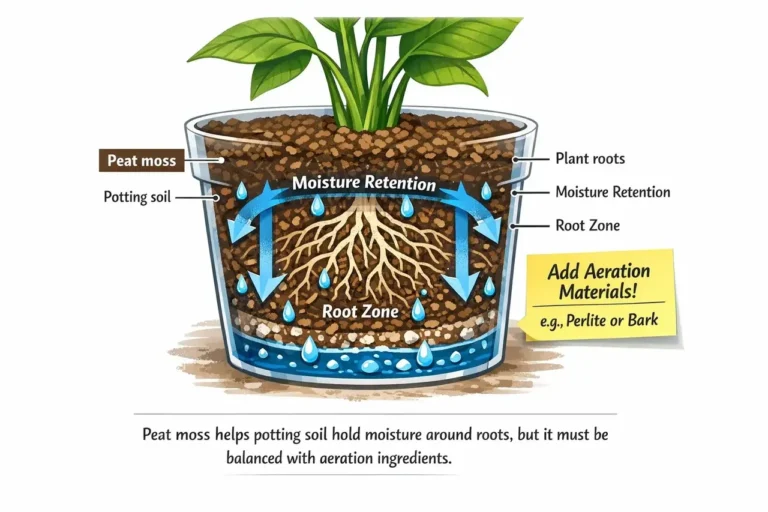
A container mix is usually a blend of materials such as peat moss or coir, bark, and perlite, rather than soil dug from the yard. Over time, roots use nutrients, organic parts break down, and watering can pack the mix together, so fresh soil helps restore structure and plant food.
Use this quick check before mixing:
| Condition of old mix | What to do | Why |
|---|---|---|
| Loose, earthy-smelling, no pest or disease signs | Mix up to half with fresh potting mix | The old material can still add useful structure |
| A little compacted or depleted, but no health concerns | Use one part old mix to two parts fresh mix | More fresh material helps loosen and replenish it |
| Sour or rotten smell, persistent sogginess, or many fine roots | Replace it or use it in a non-container area | Poor structure can hold too much water |
| From a plant with a serious disease or a heavy pest problem | Don’t reuse it in pots | Reusing can spread the problem to healthy plants |
That half-and-half ratio is a starting point, not a rule carved into a garden bench. If the old mix feels heavy or breaks down into a dense mass when damp, use less of it; if it’s still springy and loose, a higher share may be fine.
If you’re deciding between blending and using old mix on its own, reusing potting soil safely comes down to the same basic checks: plant health, smell, texture, and drainage. For most containers, adding fresh mix gives you a better chance of restoring the root zone than topping up depleted soil with fertilizer alone.
Pro Tip: Wet the old mix slightly before handling it. Damp mix is easier to sort, and it won’t send as much dust into your face.
How to Check and Prepare Old Potting Soil
Old potting soil is a good candidate for reuse only when it’s clean enough, loose enough, and free of warning signs. Before mixing, remove roots and debris, check moisture and smell, then loosen clumps so the finished blend doesn’t have hard pockets.
Start by spreading the old mix on a tarp or in a clean tub. Don’t breathe in dry dust; dampen dusty material first, and wear gloves if the old pot contained moldy debris or you have sensitive skin.
- Check what grew in the pot. Reuse is a safer bet if the plant grew well and showed no major disease or pest trouble.
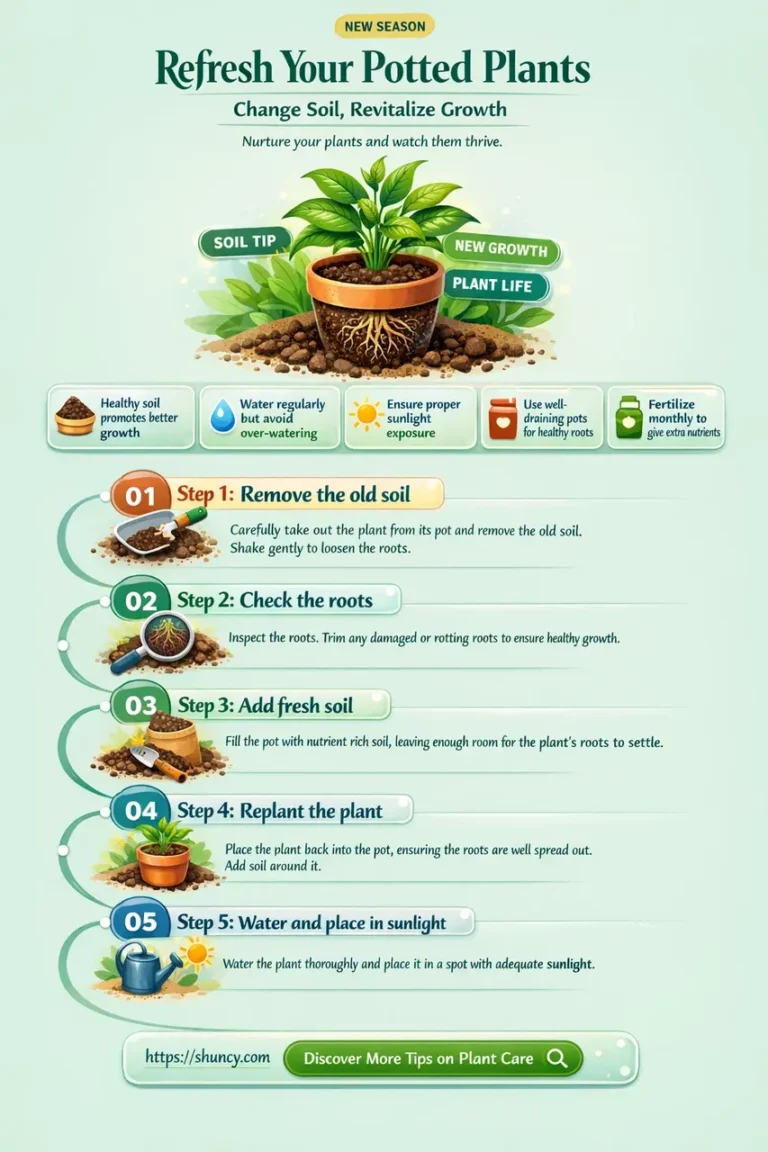
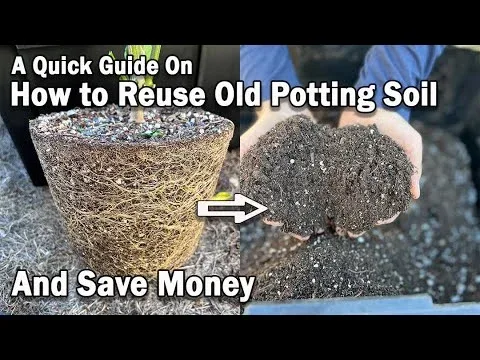
- Pull out roots and stems. Remove large roots, dead leaves, labels, and bits of plastic, then crumble apart loose clumps.
- Smell and feel the mix. Healthy mix usually smells earthy; a sour, swampy odor can point to poor drainage or rotting material.
- Check how it holds water. Dampen a handful and squeeze gently. It should hold together briefly, then break apart when you touch it.
- Blend and inspect again. Mix the old and fresh material until the color and texture look even, with no dense lumps or pockets of roots.
I once saved a batch that looked fine from the top, then found a sour, wet layer near the bottom of the pot. The smell told me more than the surface did, so now I check the whole root zone before keeping old mix.
When old soil has a known disease problem, don’t count on fresh soil to cancel it out. Washing or heating used mix at home can be messy, and methods that don’t reach the whole batch may leave pests or pathogens behind; starting with fresh mix is the safer choice for a valued plant.
If you’re trying to remove pests or debris from an otherwise healthy batch, the steps for cleaning old potting soil can help you sort out what simple screening can handle. Cleaning isn’t a guarantee that diseased soil becomes safe, so the plant’s past health still matters.
Texture is the next clue. If old mix has turned into a dense brick, adding a little fresh material may not fix it; looseness, drainage, and airflow around roots matter more than making the pile look new.
A quick drainage check can save you a frustrating repot. Put a small amount of the blended mix in a pot with drainage holes, water it slowly, and check that water begins to drain instead of pooling on top; don’t use a pot without holes for a plant that needs free drainage.
How to Refresh the Mix for Different Plants
The right blend depends on the plant, the old mix, and how long the container will hold that plant. Most everyday flowers and herbs do well in a fresh, free-draining potting mix, but vegetables and specialty plants can have more particular needs.
Add nutrients without overfeeding
Old potting mix often has fewer available nutrients because plants used them and repeated watering washed some away. Fresh potting mix may already contain fertilizer, so check its bag before adding more.
If the blend needs feeding, use a fertilizer labeled for the plant and follow its directions. More fertilizer isn’t a shortcut to faster growth; too much can damage roots or leave salts in the container, especially when the pot dries out between waterings.
Finished compost can add organic matter, but it shouldn’t replace all the potting mix. A small share mixed through the batch is a cautious choice, while too much may make a container heavy or hold more water than the roots can use.
If the old mix came from a healthy pot but doesn’t suit another container plant, matching the new blend to the plant is a better fix than endlessly adding amendments. A mix for container vegetables needs to support roots in a limited space, where poor drainage or depleted nutrients can show up quickly.
Adjust for crops and special cases
Tomatoes in containers need a mix that drains well and has enough nutrients to support steady growth. A tomato planted in a small, soggy pot won’t be rescued by a generous scoop of fertilizer, so use a container mix suited to vegetables and keep the pot’s drainage holes open.
If you’re growing tomatoes, choose the new portion with their container needs in mind rather than assuming every fresh potting mix behaves the same. A guide to potting soil for container tomatoes can help you compare mixes before you reuse a large share of old material.
Hydrangeas bring another wrinkle: flower color can depend on soil chemistry, and some blue-flowering varieties need acidic conditions. Don’t guess at acidity by adding random amendments to old mix; use a soil test or product directions suited to the plant and region.
That matters if you want to keep a blue-flowering hydrangea blue. A blend chosen for blue hydrangeas in pots should fit the plant’s pH needs, rather than just being a generic mix that happens to drain well.
| Planting situation | Practical approach | Watch for |
|---|---|---|
| Annual flowers or herbs | Blend healthy old mix with fresh general-purpose potting mix | Stale, compacted texture |
| Container vegetables | Use a fresh, well-draining mix as a substantial share | Nutrient needs and drainage |
| Tomatoes in a pot | Choose a container mix that supports regular watering | Waterlogged roots and small containers |
| Blue-flowering hydrangea | Check acidity needs before changing the blend | Unplanned pH changes |
Know when to compost or replace it
Old mix from healthy plants can often go into a compost pile or garden bed, but it shouldn’t be treated as ready-to-use potting mix if it has broken down or lost its structure. Keep diseased plant material and soil out of compost unless you know your composting setup can safely handle it.
If you’re weighing that option, composting old potting soil is a way to reuse suitable material without putting it straight back into a container. Don’t compost mix from a plant with a serious disease issue, and don’t add dry, dusty soil in a way that creates airborne dust.
Replace the old mix instead of blending it when it has a rotten odor, stays wet for a long time, is badly compacted, or came from a plant with disease or a severe pest infestation. If the plant had a minor issue you can’t identify, I’d err on the safe side with a fresh batch, especially for seedlings or a plant you care about.
Would you use old mix for a new seedling? I wouldn’t, unless I knew the old material was clean and had a loose texture, because young roots have little room to recover from pests or poor drainage.
Important Tip: Keep old mix from a diseased pot separate from clean supplies, tools, and fresh soil while you decide what to do with it. That small bit of separation can help prevent accidental spread.
- Healthy, loose old potting mix can be blended with fresh mix.
- Use less old mix when its texture or history is uncertain.
- Replace material with disease signs, a sour smell, or persistent sogginess.
- Match the fresh mix and feeding plan to the plant.
FAQs About Can You Mix Old Potting Soil with New
Can I mix old potting soil with new for houseplants?
Yes, you can mix old potting soil with new for houseplants when the old mix came from a healthy plant and still drains well. Remove roots, check for pests, and use less old mix if it feels heavy. A fresh blend won’t correct a pot with blocked drainage holes.
How much old potting soil can I reuse?
A healthy, loose batch can make up about half of a blend, while a questionable or compacted batch should be a smaller share or discarded. The right amount depends on its texture and history. A fresh-heavy blend is a sensible choice for seedlings and plants with demanding root conditions.
Can old potting soil spread disease?
Yes, old potting soil can carry pests or disease from the plant that grew in it. Don’t reuse mix from a plant with a serious disease problem in another container. Fresh potting mix won’t reliably remove that risk, and homemade cleaning methods may not treat every part of a batch.
Should I add fertilizer when I mix old and new potting soil?
Not automatically. Fresh potting mix may already contain fertilizer, so check the package before adding more. If the blend needs feeding, choose a fertilizer suited to the plant and follow its label.
Extra fertilizer can harm roots or add unwanted salts, especially in containers that dry out.
Can I reuse old potting soil for seedlings?
You can, but fresh potting mix is usually the safer pick for seedlings because their roots are small and sensitive to poor drainage or pests. If you reuse old mix, use only a clean, loose batch from healthy plants and blend it with fresh material rather than planting seeds in it alone.
Make the Call Before You Mix
Mixing old potting soil with new is a sensible way to save material when the old mix is healthy, loose, and free of warning signs. The goal isn’t to make every leftover handful usable; it’s to give your plants a root zone that drains well and suits their needs.
I’d rather discard a suspicious batch than spend the season wondering why a plant is struggling. For clean, healthy soil, though, blending it with fresh mix can work nicely and keep a good container from going to waste.
Your next step is simple: empty the pot, inspect the entire root zone, and decide from the soil’s smell, texture, and plant history. If anything feels off, start fresh.

I’m Maya L. Greenwood, a lifelong plant lover who believes anyone can grow something beautiful with the right guidance. After years of testing soil mixes, pruning methods, irrigation tricks, and pest-safe solutions, I started EasyGardenTips.com to turn hard-won lessons into step-by-step advice. From seed starting and container gardens to composting and seasonal checklists, my goal is to make gardening simple, sustainable, and fun.