5 Best Potting Soil for Onions: Loose, Airy Mixes for Bigger Bulbs
A pot of onions can look healthy above the soil while the bulbs stay small, especially if the mix packs down, drains too slowly, or dries out before you notice. Buy a bag that is too specialized and you may also pay for ingredients meant for cacti or houseplants rather than vegetables. For a beginner, that means extra guesswork and a disappointing harvest after months of watering.
Onion roots need a loose growing medium that lets water drain while keeping enough moisture around the roots between waterings. A container also needs drainage holes, and it must be deep and broad enough for the onion type you plan to grow; cramped roots and crowded bulbs are a poor combination. Check the bag’s intended uses and ingredients, then match its volume to the container rather than buying by the bag’s appearance.
Here’s what this guide helps you sort out:
- Which mixes are the closest fit for container-grown onions.
- How to choose a pot and prepare the soil before planting.
- How to water and feed onions without keeping the roots soggy.
- What to check before buying mixes designed for other plants.
Quick Picks
-
Best For Vegetable Containers

Burpee Premium Organic Potting Mix Garden Soil
Coco coir balances drainage and moisture, while listed slow-release feeding supports onion growers using containers or raised beds.
-
Best For Peat-Free Gardening
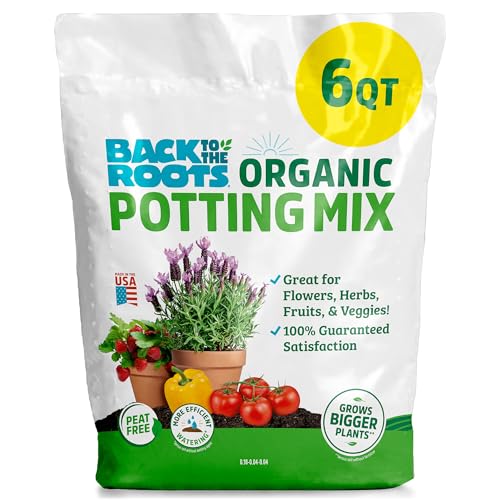
Back to the Roots Organic Potting Soil,
Peat-free ingredients and yucca for moisture control make this a fit for gardeners seeking an all-purpose vegetable mix.
Top 5 Potting Soils for Onions at a Glance
Burpee and Back to the Roots’ all-purpose mix are the most directly relevant choices here because their stated uses include vegetables. The other three have narrower indoor, succulent, or general houseplant uses, so consider them only after checking the bag details and deciding whether the ingredients suit your onion container.
| Product image | Product name | Check product |
|---|---|---|
| 1 |
Burpee Premium Organic Potting Mix Garden Soil | Check Price |
| 2 |
Back to the Roots Organic Potting Soil, | Check Price |
3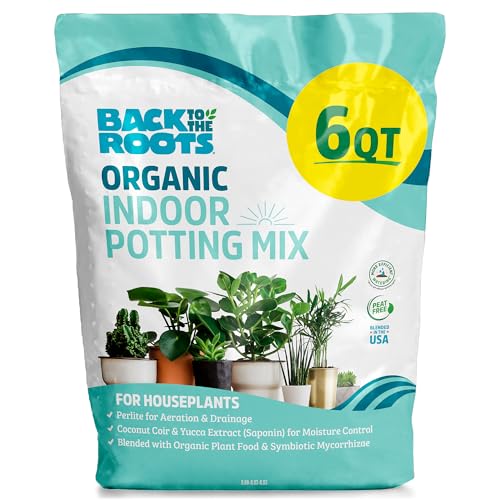 |
Back to the Roots Organic Indoor Potting | Check Price |
4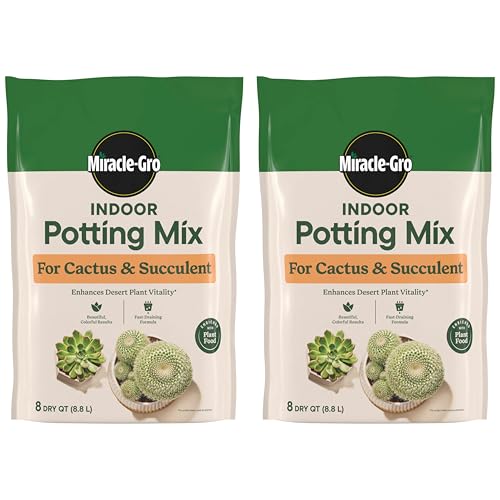 |
Miracle-Gro Indoor Potting Mix for Cactus & | Check Price |
5 |
SuperMoss (01999) Organic Recycled Green Material Potting | Check Price |
5 Best Potting Soils for Onions: Detailed Reviews
When I chose the best potting soil for onions, I paid closest attention to whether the stated uses included vegetables, whether the mix could balance drainage with moisture, and whether the bag offered enough information to make a sensible choice. Those details matter because onion containers can dry out quickly, but roots also struggle in soil that stays waterlogged.
The choices range from a vegetable-oriented mix to blends designed for indoor plants and fast drainage. Reading them side by side helps you spot where a product is a plausible starting point and where its intended use may not match onions, before you spend time filling a pot.
1. Burpee Premium Organic Potting Mix Garden Soil
Coco coir balances drainage and moisture, while listed slow-release feeding supports onion growers using containers or raised beds.
- Size9 Quart
- ColorPotting Mix
- Number Of Items1
- WeightNot listed; check details
Burpee Premium Organic Potting Mix is the strongest direct match here for a beginner growing onions in a container or raised bed, since the stated uses include vegetables and containers. The bag is 9 quarts, and the product description identifies coco coir and a feeding period of up to 3 months.
Coco coir is a fiber made from coconut husks that can help a growing mix hold moisture while letting extra water drain. In a container, that balance can make watering less of a daily guessing game, especially in warm weather. It does not mean you can ignore the pot’s drainage holes or leave the container sitting in a saucer full of water.
The mix is described as feeding plants immediately, with slow-release nutrition for up to 3 months. Slow-release means nutrients become available over time rather than all at once, which may reduce the need to add fertilizer right after planting. The listing does not say how much of each nutrient is in the mix, so check the bag before planning a later feeding schedule.
One limitation is that a 9-quart bag may not go far if you are filling a large planter or several containers. Also, this mix is not onion-specific: it is a broad vegetable and container blend, so match the container size and onion variety to the space you have.
Pros:
- Vegetable use is listed, so onions are a more relevant fit.
- Coco coir helps balance moisture and drainage in containers.
- 9-quart bag offers more volume than the 6-quart options.
- Slow-release nutrition is listed for up to 3 months.
- Indoor and outdoor container use gives you placement flexibility.
Cons:
- The bag does not state an onion-specific nutrient formula.
- 9 quarts may be too little for a large planter.
- You still need a container with clear drainage holes.
Buy it if: you want a vegetable-oriented container mix, because coco coir helps balance moisture and the bag lists slow-release feeding.
Skip it if: you need to fill multiple large planters, because a 9-quart bag may not cover that volume and a larger-size potting mix would suit you better. For another fit, consider Back to the Roots Organic Potting or Back to the Roots Organic Indoor.
I’d put Burpee first because the listed vegetable and container uses line up with the job better than a cactus or houseplant blend. Coco coir and the stated feeding period give a beginner two useful starting points without claiming the mix can replace good watering or sensible pot choice. Check the bag for the current ingredient and fertilizer details before buying, and choose Burpee if you want the most direct vegetable-growing fit in this group.
2. Back to the Roots Organic Potting Soil,
Peat-free ingredients and yucca for moisture control make this a fit for gardeners seeking an all-purpose vegetable mix.
- Size6 Quart
- ColorPremium Potting Mix
- WeightNot listed; check details
- DimensionsNot listed; check details
Back to the Roots Organic Potting Soil is an all-purpose option for a gardener who wants a peat-free mix whose stated uses include vegetables. Its 6-quart bag is smaller than Burpee’s, but the product description gives a useful clue about its moisture approach: yucca extract is included for moisture control.
Yucca extract is an ingredient described here as helping with moisture control; it does not remove the need to check the pot yourself. That may help the mix manage water more evenly, but the right watering schedule still depends on sun, wind, pot size, and weather. A finger check near the root zone is more useful than watering by the calendar alone.
This mix is described as peat-free and made with upcycled plant matter and wood fines. Peat-free tells you peat is not part of the stated formula; it does not, by itself, tell you exactly how quickly the mix drains or how much fertilizer it contains. Dolomitic limestone is also listed for pH balance, which means the blend includes a material intended to adjust soil acidity.
The trade-off is that the smaller bag may be better for a modest container than a big raised bed, and the supplied details do not give a nutrient analysis. Check the bag for current directions and any feeding information before planting a large batch of onions.
Pros:
- Vegetable use is listed for this all-purpose mix.
- Peat-free formula suits gardeners avoiding peat-based blends.
- Yucca extract is included for moisture control.
- Dolomitic limestone is listed for pH balance.
- Made in the USA is stated in the product description.
Cons:**
- 6 quarts may not fill a larger onion planter.
- The nutrient amounts are not specified in the supplied details.
- The mix is not presented as an onion-specific formula.
Buy it if: you want a peat-free mix for a small vegetable container, because the stated uses include vegetables and yucca is included for moisture control.
Skip it if: you need several large pots filled at once, because a 6-quart bag may leave you short and a larger-volume mix would be more practical. Burpee and Back are worth a closer look instead.
What I like about Back to the Roots is that its vegetable use and peat-free description make its purpose easy to understand. Yucca and limestone give you concrete ingredient details, though neither tells you how much fertilizer to add later. Before buying, check the bag’s current directions and make sure 6 quarts is enough for your container; this is the sensible pick for a smaller pot if peat-free matters to you.
3. Back to the Roots Organic Indoor Potting
The catalog lists Includes 6qt of Back to the Roots Indoor Potting Mix. Our Potting Mix contains organic yucca extract that aids. Compare fit and care needs before choosing.
- Size6 Quart
- ColorIndoor Potting Mix
- Release Date2023-01-01T00:00:01Z
- Number Of Items1
Back to the Roots Indoor Potting Soil is intended for houseplants, so it is a less direct choice for onions than the first two mixes. It comes in a 6-quart bag and is described as organic and peat-free, but the product’s indoor focus matters if you are planting edible bulbs outdoors or in a sunny container.
The mix includes yucca extract to help retain moisture. That may be useful in a room where containers dry gradually, but a sunny onion pot can lose water faster than an indoor houseplant pot. Check the soil often and make sure excess water can escape; moisture-retaining ingredients do not make soggy roots safe.
The description also lists mycorrhizae, beneficial fungi that can work with plant roots and support nutrient uptake. The plain-English point is that this is a root-related ingredient, not a guarantee of larger onion bulbs. Dolomitic limestone is listed to help balance acidity, while the indoor positioning and absence of a stated onion use mean you should confirm the current package directions before using it for food crops.
This mix is described as made without bark or compost and as less prone to indoor gnats and pests. That claim is about its stated indoor use, not a promise that any potting mix will remain pest-free in every home or garden.
Pros:
- Peat-free formula is clearly stated.
- Yucca extract is included to help retain moisture.
- Mycorrhizae are listed as a root-supporting ingredient.
- Dolomitic limestone is included for pH balance.
- 6-quart size may fit a small indoor container.
Cons:
- Indoor houseplants are the stated focus, not onions.
- The supplied details do not give a fertilizer analysis.
- Moisture retention needs careful monitoring in a sunny pot.
Buy it if: you are considering a small indoor planting and the package confirms edible-plant use, because the mix includes moisture-related and root-focused ingredients.
Skip it if: you want a straightforward outdoor vegetable blend, because this mix is described for indoor plants and a vegetable-oriented potting mix would suit you better. If those trade-offs rule it out, Burpee or Back may suit you better.
I’d treat Back to the Roots Indoor Potting Soil as a cautious possibility, not a first-choice onion mix. Its listed ingredients explain what it is designed to do, but houseplant positioning leaves a real gap for a beginner growing edible bulbs. Check the bag for food-crop directions before planting, and choose it only if those directions fit your setup.
4. Miracle-Gro Indoor Potting Mix for Cactus &
The catalog lists Miracle-Gro Indoor Potting Mix for Cactus and Succulent is enriched with Miracle-Gro Plant Food and enhances d. Compare fit and care needs before choosing.
- Size8 Qt. (Pack of 2)
- ColorBrown
- Number Of Items2
- WeightNot listed; check details
Miracle-Gro Cactus and Succulent Mix is designed for fast drainage around desert plants, not for onion containers, so it is a specialist option with a clear mismatch. The pack contains two 8-quart bags, and the listed ingredients include forest products, sphagnum peat moss, sand, and perlite.
Perlite is a lightweight mineral ingredient often used to create air spaces in a growing mix. Sand and perlite are included here as part of a blend described as fast-draining for cacti and succulents. That fast drainage may be useful for plants that need a drier root environment, but onions generally need regular access to moisture while their roots and bulbs develop.
The product description says plant food is included and names cacti, citrus trees, and succulents as intended container plants. It also says one 8-quart bag fills five 6-inch containers, with the amount varying based on root-ball size. That fill estimate is for the stated use, not a reliable onion-pot calculation, and the supplied information does not give a fertilizer schedule for onions.
The biggest watch-out is purpose: a mix can be well-made for its intended plants and still be a poor match for yours. I would not choose it for onions unless the bag’s directions specifically confirm that use and you are prepared to check moisture closely.
Pros:
- Two bags provide a combined listed size of 8 quarts each.
- Fast drainage is a clear design feature.
- Perlite and sand are named ingredients.
- Plant food is listed in the formula.
- Ready-to-use directions require no mixing for stated uses.
Cons:
- Cacti and succulents are the main intended plants.
- Fast drainage may make onion watering more demanding.
- The listed container-fill estimate is not for onions.
- The supplied details do not state an onion feeding schedule.
Buy it if: you are also potting the listed desert plants, because the fast-draining blend is designed for cacti and succulents.
Skip it if: your main goal is growing onions in containers, because this mix is made for plants with different moisture needs and a vegetable potting mix would suit you better.
To me, the main value here is also the main caution: the blend has a defined purpose, and onions are not among the named plants. Perlite and sand explain the fast-draining design, but those ingredients do not make the mix a better onion choice. Check the package directions carefully, and pick this only when your planting plan actually includes the desert plants it is designed for.
5. SuperMoss (01999) Organic Recycled Green Material Potting
The catalog lists Nutrient-Rich Composition: 100% organic potting soil is packed with essential nutrients and minerals, providin. Compare fit and care needs before choosing.
- Size128 Ounce (Pack of 1)
- ColorNatural
- Number Of Items1
- Convenient SizeThe 4-quart bag is suitable for small to medium planting projects, making it easy to manage and store for various a
SuperMoss Organic Recycled Green Material Potting Mix is a small general-purpose blend described for a range of plants, including houseplants, orchids, succulents, cacti, and bonsai. Its 4-quart bag is the smallest listed size in this group, so it is more plausible for a small trial container than a large onion planter.
The ingredients include compost, triple-ground redwood, perlite, and washed sand. Perlite can help create air spaces in a mix, while sand and compost contribute to the overall texture and organic material. The product description says the blend is meant to improve aeration and moisture retention, though it does not provide a measured drainage rate or a specific onion-growing formula.
The product is described as made from natural, renewable materials and as organic. Those descriptions do not tell you the nutrient amounts or establish a separate safety certification, so check the bag if you need details for edible crops. The listed range of plant types is broad, but onions are not specifically named.
A 4-quart volume can also disappear quickly when you fill a pot, especially if you use a wide container. Decide how much soil your pot needs before ordering, and do not assume that a mix’s general plant list means it suits every crop equally well.
Pros:
- Compost, perlite, redwood, and washed sand are named ingredients.
- Aeration and moisture retention are stated design goals.
- Broad plant use includes indoor and outdoor applications.
- Small bag may suit a modest test container.
- Natural, renewable materials are described in the product details.
Cons:
- Onions are not among the named plant uses.
- 4 quarts is a limited amount for larger containers.
- Nutrient amounts and onion-specific directions are not stated.
Buy it if: you need a small general-purpose bag and the package confirms it suits edible plants, because the listed ingredients aim to balance air and moisture.
Skip it if: you are filling a deep or wide onion planter, because 4 quarts is limited and a larger vegetable mix would suit you better.
I’d place SuperMoss last for onions because the listed ingredients sound broadly useful, but its plant examples do not specifically include vegetables. The compact bag could be handy for a small pot, though it gives you less room for trial and error than a larger vegetable-oriented mix. Check the package for edible-crop guidance and volume before buying, and choose it only if both match your plan.
How to Choose the Best Potting Soil for Onions
The best potting soil for onions drains freely without drying out immediately, and it should be intended for vegetables or clearly suitable for edible crops. Start by matching the mix to your container, your onion variety, and how often you can check the soil.
Check the intended use
A potting mix is a prepared growing medium for containers, while garden soil is heavier soil from the ground and may compact when placed in a pot. Look for vegetables, herbs, or container crops on the package; a bag labeled for cacti or succulents is designed around different moisture needs. If the bag only mentions houseplants, find out whether the maker recommends it for edible plants before using it for onions.
Onion types also vary. Bulb onions need room to develop underground, while green onions can be grown more closely and harvested before forming large bulbs. Match the mix and pot to what you plan to harvest instead of choosing a product only because it says “all purpose.”
Balance drainage and moisture
The mix should let extra water escape while staying slightly moist between waterings. Coco coir, perlite, sand, peat, compost, and wood-based ingredients can affect texture and water movement, but a material name alone does not tell you the exact result. A well-drained mix should not turn into a wet, dense block after watering, and it should not become bone-dry soon afterward.
For a broader look at container ingredients and how mix structure affects pots, see potting soil for containers. If you are comparing bags, check the package for intended crops and watering guidance rather than assuming every container blend behaves the same way.
Think about container volume
Bag size is measured in quarts, but the right amount depends on the planter’s inside dimensions and how high you fill it. Measure the container and check its capacity if listed; then buy enough mix to fill it without packing the soil down hard. Loose soil settles somewhat after watering, so leave a little space at the rim for water and mulch, if you use mulch.
Onions need enough width for the number of plants you want to grow. A crowded planter can lead to small bulbs, even when the soil is suitable. Follow the spacing guidance for the variety you buy, and avoid squeezing extra seedlings into a pot just because the first row looks sparse.
Check the feeding information
Some mixes contain nutrients or plant food, while others may rely on you to add fertilizer later. Read the package for the feeding period, nutrient analysis, and directions, if provided. A vague “feeds plants” claim is not a complete fertilizer schedule, and too much added fertilizer can push leafy growth at the expense of the harvest you want.
For general vegetable mix-making and ingredient roles, vegetable potting mix ingredients can help frame what to check. Keep the distinction clear: a recipe for making a blend is not the same as a tested recommendation for a particular onion variety or pot.
Match soil to the crop and pot
A vegetable-oriented mix is usually the easier starting point for onions than a cactus blend, because the latter is formulated to drain quickly for plants that need drier conditions. If you want to grow other root or tuber crops in containers, remember that their needs can differ; a guide to potting soil for potatoes or soil for sweet potatoes may help you compare crop-specific priorities without treating all underground crops as identical.
If you are planting berries too, their container and moisture requirements deserve their own check. The considerations in potting soil for raspberries are useful for a separate crop, not a reason to use a berry blend for onions.
Check the bag before it goes in the pot
Look for the product’s intended plants, listed ingredients, feeding information, bag volume, and any mixing or watering instructions. If the label does not answer whether it is suitable for edible crops, ask the maker or choose a mix that states vegetable use clearly. Organic wording or a natural-ingredient claim does not automatically prove a particular safety certification.
Also inspect the bag for tears, damp clumps, or signs that the mix has been stored poorly. A little settling is normal, but soil that smells strongly sour or arrives saturated is a reason to pause and ask the seller about its condition rather than planting immediately.
How to Use Potting Soil for Onions for the Best Results
Start with a clean container that has drainage holes, use loose mix without compressing it, and keep the root zone evenly moist rather than soaked. Good soil helps, but it cannot compensate for a pot that holds standing water or a planting spot that does not suit the onion variety.
- Confirm the onion type. Check whether the seed or starts are for bulb onions or green onions, and follow the packet’s spacing and planting depth instructions.
- Choose a suitable container. Pick a pot with drainage holes and enough depth for the roots and bulb type. Wider containers can hold more plants, but still leave the recommended spacing.
- Loosen the mix. Break apart compressed clumps by hand before filling. Do not grind the mix into a dense layer; roots need air spaces as well as moisture.
- Fill without tamping. Add soil to the pot and gently level it. Pressing hard can reduce air space and make water movement less predictable.
- Plant at the recommended depth. Place seeds, sets, or transplants according to their package directions. Avoid burying the growing point too deeply, and do not guess if your packet gives a specific depth.
- Water slowly. Add water until the mix is evenly damp and excess drains from the bottom. If water runs down the sides while the center stays dry, apply it more slowly in a couple of passes.
- Place and monitor the pot. Use the light and temperature guidance for your onion variety. Check moisture near the root zone, since the surface can look dry while lower soil remains wet.
If the mix is very coarse or dries unusually fast, check the package before adding other ingredients. Mixing in extra compost or fertilizer without knowing what is already present can change moisture and feeding in ways that are hard to judge.
How to Make Your Onion Potting Soil Last Longer
Potting mix can stay useful through a growing season when you prevent compaction, remove unhealthy plant material, and store unused soil dry and covered. Do not assume old soil is ready for another crop just because it looks dark and crumbly.
Before each planting, check the mix for dense clumps, roots from the previous crop, and any sour or stale smell. Remove old roots and debris, then loosen the remaining soil gently. If the mix has collapsed into a heavy mass or drains poorly, replacing it is safer than trying to fix it with a random scoop of sand or compost.
During the season, keep drainage holes open and empty saucers after watering. A pot that sits in water can keep the lower soil saturated even when the top feels dry. Once a week, lift or tilt a manageable container to make sure water is not blocked underneath, and check that the pot has not been pushed against a flat surface that seals the holes.
Use the fertilizer directions on the bag rather than adding feed on a fixed schedule without checking what the mix contains. If the stated feeding period ends, follow the onion seed or transplant guidance and use a fertilizer labeled for edible crops if needed. Too much fertilizer is not a shortcut to bigger bulbs.
Store leftover mix in its original bag or another clean, covered container, protected from rain and direct contact with soil outdoors. Keep it dry enough to avoid waterlogged clumps, but do not leave it open where animals, insects, or yard debris can get in. Mark the bag with the date you opened it so you know how long it has been stored.
After harvest, do not automatically reuse soil from a pot where plants were diseased or heavily infested. For healthy pots, remove roots and debris and judge the mix by its texture, smell, and drainage before deciding whether to reuse it. When in doubt, start with fresh mix for the next crop rather than carrying a problem forward.
Common Mistakes to Avoid When Buying and Using Potting Soil for Onions
Most beginner problems come from a mismatch between the plant, the pot, and the soil’s water behavior. These checks take little time and can prevent a season of trying to rescue a container that was set up poorly.
- Choosing a cactus mix for onions: Fast drainage is designed for a different moisture pattern. Choose a vegetable-oriented mix unless the package clearly recommends onion use.
- Using garden soil in a container: Ground soil can compact and drain poorly in a pot. Choose a potting mix labeled for containers.
- Ignoring drainage holes: Even a loose mix can become waterlogged if water has nowhere to go. Confirm the holes are open before filling.
- Buying too little soil: A small bag may cover only part of a broad planter. Measure the pot and check its capacity before ordering.
- Crowding seedlings: More plants in a pot do not mean more full-size bulbs. Follow the spacing guidance for the onion type you are growing.
- Watering only by the surface: The top layer may dry while the lower root zone stays wet. Check moisture below the surface before adding more.
- Adding fertilizer without checking the bag: Some mixes already contain plant food. Read the feeding directions first so you do not pile on nutrients unnecessarily.
- Treating “organic” as a complete safety answer: That word alone does not tell you every ingredient or establish a separate certification. Check the current package and use directions for edible crops.
- Reusing mix without inspecting it: Old roots, disease, pests, or poor drainage can carry into a new planting. Remove debris and replace soil that smells sour or has become dense.
Common Questions About Potting Soil for Onions
Can I grow onions in regular potting soil?
Yes, you can grow onions in regular potting soil if the mix is intended for containers, drains well, and holds some moisture between waterings. Check the package for vegetable use and feeding details. Use a pot with drainage holes, and follow the onion variety’s spacing and depth instructions.
What kind of soil do onions need in a pot?
Onions need a loose, well-drained growing medium that does not dry out immediately. A vegetable-oriented potting mix is a sensible starting point for containers. Avoid dense garden soil and be cautious with blends made for cacti, since their fast-draining design may require more frequent watering than you expect.
How much potting soil does an onion container need?
The amount depends on the planter’s inside size and how many onions you plan to grow. Measure the container or check its stated capacity, then compare that number with the bag’s quart size. Leave a little room at the top for watering, and do not compress soil just to make a small bag stretch.
Should I mix compost into potting soil for onions?
Only add compost if the mix and planting directions leave room for it. Some potting soils already contain organic matter and nutrients, so adding more can alter moisture and feeding. Read the bag first, and use a restrained amount if you decide the container needs an amendment.
How often should I water onions in pots?
Water when the soil near the roots begins to dry, not just because a set number of days has passed. Sun, wind, container size, and weather all change how quickly a pot loses moisture. Apply water slowly until excess drains, then empty the saucer so the roots are not left sitting in water.
Can I reuse potting soil after harvesting onions?
You can consider reusing mix from a healthy crop if it still drains well and has no sour smell, diseased roots, or pest problems. Remove leftover roots and loosen the soil before deciding. Replace the mix if it is compacted or if the previous plants were sick, and check whether the next crop needs a different feeding plan.
Before You Fill the Onion Pot
Make the final check before you buy: confirm vegetable or edible-crop suitability, enough bag volume for your container, clear drainage holes, and package directions for watering and feeding. If any of those details are missing, pause and verify them on the bag; that small check is easier than correcting a crowded, soggy pot later.

I’m Maya L. Greenwood, a lifelong plant lover who believes anyone can grow something beautiful with the right guidance. After years of testing soil mixes, pruning methods, irrigation tricks, and pest-safe solutions, I started EasyGardenTips.com to turn hard-won lessons into step-by-step advice. From seed starting and container gardens to composting and seasonal checklists, my goal is to make gardening simple, sustainable, and fun.