5 Best Soil for Herb Pots: Mixes That Keep Your Herbs Thriving
A bag of herb soil that stays soggy can leave roots struggling, while a mix that dries too quickly turns a sunny windowsill into a daily watering chore. Choose the wrong bag size and you may run short halfway through potting, or store a heavy leftover sack where it gets damp and messy. For herbs, the goal is a mix that fits your pots and watering habits, not a bag with the grandest claims.
For herbs in containers, drainage and water retention need to work together: roots need air, but a pot should not dry out right after you water. Bag volume matters too, since a one-quart bag may suit a single tiny planter while larger herb containers can take several quarts. Check whether a mix is aimed at herbs or general container plants, then match its size to the pots you actually plan to fill.
Here’s what this guide will help you sort out:
- Which ingredients and textures matter for herbs in pots.
- How to choose the right bag size for your planters.
- How to pot, water, and care for container herbs.
- What to check before buying a specialized or expanding mix.
Quick Picks
-
Best For Roomier Herb Planters

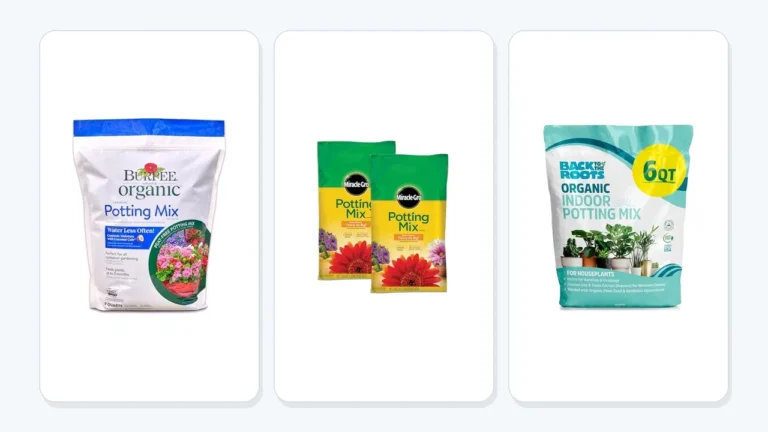
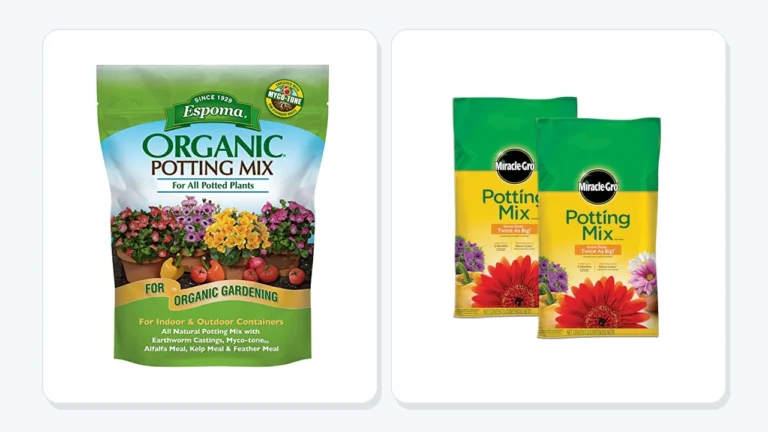
Burpee Premium Organic Potting Mix Garden Soil
Coco coir helps balance drainage and moisture, while nutrition feeds container herbs over time for gardeners filling several pots.
-
Best For Peat-Free Growing
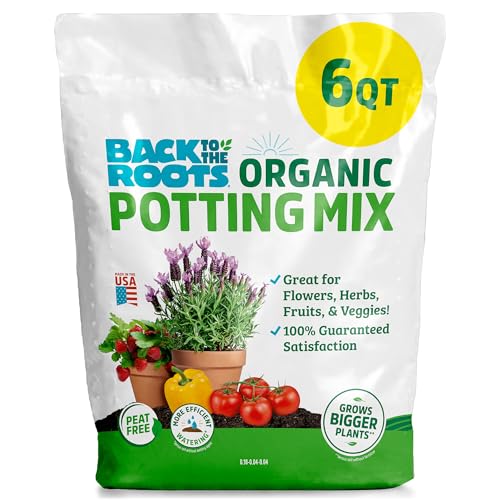
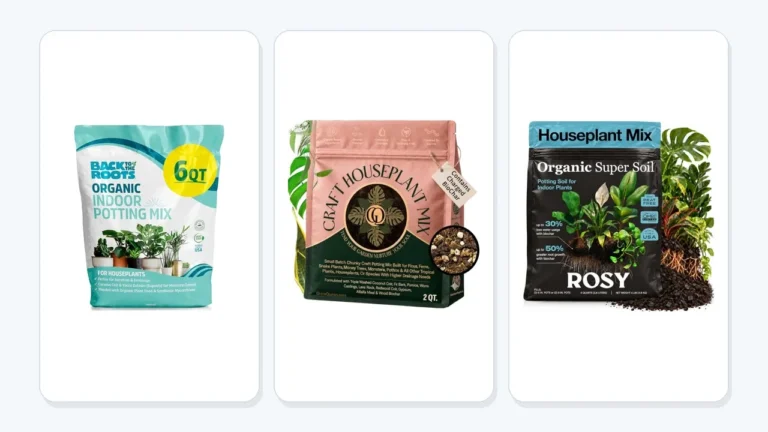
Back to the Roots Organic Potting Soil,
A peat-free blend with yucca for moisture control suits herb growers who want an all-purpose mix in a smaller bag.
Top 5 Soils for Herb Pots at a Glance
Start with Burpee or Back to the Roots if you want an all-purpose mix for several kinds of container plants. Rosy Soil is a more herb-focused blend in a smaller bag, Doter is a very small quantity for limited planting, and the expanding coir discs trade ready-to-use convenience for a brief preparation step.
| Product image | Product name | Check product |
|---|---|---|
| 1 |
Burpee Premium Organic Potting Mix Garden Soil | Check Price |
| 2 |
Back to the Roots Organic Potting Soil, | Check Price |
3 |
Rosy Soil Herb Mix, Organic Indoor and | Check Price |
4 |
Doter Organic Potting Soil Mix for All | Check Price |
5 |
16 Pack Expanding Organic Fiber Soil, Amazing | Check Price |
5 Best Soils for Herb Pots: Detailed Reviews
When I chose the best soil for herb pots, I focused on how the mix handles water, whether the ingredient details make sense for containers, and how much soil comes in the bag. Those points matter because a pot can hold water differently from a garden bed, and a poor match can mean soggy roots, frequent watering, or an unfinished potting job.
I also looked for useful differences in purpose: general potting blends, an herb-specific recipe, a small bag for a few pots, and compressed coir discs. That range helps you compare everyday convenience against a more tailored mix or a compact storage option, without pretending that every herb or planter needs the same recipe.
1. Burpee Premium Organic Potting Mix Garden Soil
Coco coir helps balance drainage and moisture, while nutrition feeds container herbs over time for gardeners filling several pots.
- Size9 Quart
- ColorPotting Mix
- Number Of Items1
- WeightNot listed; check details
Burpee Potting Mix is an all-purpose container blend for someone filling herb pots along with other indoor or outdoor planters. The nine-quart bag gives you more volume than the smaller options here, so it may be practical when you have multiple pots to fill.
The mix contains coco coir, a fiber made from coconut husks that can hold water while keeping the growing medium more open. In a pot, that balance can help avoid the frustrating swing between bone-dry soil and a heavy, wet root area. The feature is useful for herbs that need regular moisture, though your pot’s drainage holes and watering habits still matter.
Burpee says its mix feeds plants immediately and provides slow-release nutrition for up to three months. That means you may not need to add fertilizer straight away, but it does not tell you how much nutrition each herb will need over its full growing season. The bag is described for indoor and outdoor containers, and the mix is OMRI Listed; check the package for the current product details before purchase.
Pros:
- Nine-quart bag, useful for filling several containers.
- Coco coir helps retain moisture and improve aeration.
- Described for indoor and outdoor containers.
- Nutrition is listed as lasting up to three months.
- OMRI Listed, as stated for this mix.
Cons:
- A larger bag may leave more soil to store.
- The broad container blend is not herb-specific.
- Pot drainage and watering still need your attention.
Buy it if: you are filling several herb or mixed-plant pots, because the nine-quart bag and moisture-balancing coco coir offer useful volume and water retention.
Skip it if: you need soil for just one very small planter, because the larger bag could leave a lot unused, and a small-quantity mix would suit you better. For another fit, consider Back or Rosy.
I’d choose Burpee Potting Mix when a small collection of herbs needs a dependable all-purpose starting medium. Its main advantage is the combination of stated moisture balance and feeding, which can simplify the first stage of container growing. Check the bag size and feeding details before you buy, especially if you already use fertilizer.
It suits gardeners who want one larger bag for several container plants.
2. Back to the Roots Organic Potting Soil,
A peat-free blend with yucca for moisture control suits herb growers who want an all-purpose mix in a smaller bag.
- Size6 Quart
- ColorPremium Potting Mix
- WeightNot listed; check details
- DimensionsNot listed; check details
Back to the Roots Potting Soil is a general-purpose option for a gardener who wants a peat-free mix for herbs and other potted plants. The six-quart bag is smaller than Burpee’s, which may be easier to manage if you are starting with a few pots rather than a row of planters.
This blend is described as peat-free and made with upcycled plant matter and wood fines. Yucca extract is included for moisture control, meaning the ingredient is intended to help the mix manage water rather than simply letting it run through. That can be useful when you are still learning how quickly your pots dry, but the actual watering schedule will also depend on pot size, weather, and sunlight.
The mix also includes dolomitic limestone for pH balancing. Soil pH is a measure of how acidic or alkaline the growing medium is; in plain terms, it can affect how plants access nutrients. The brand describes the blend for herbs, vegetables, fruits, and flowers, so it is flexible, though there is no precise pH value listed here to help you fine-tune a particular herb’s conditions.
Pros:
- Six-quart bag suits a modest container-gardening project.
- Peat-free blend uses upcycled plant matter and wood fines.
- Yucca extract is included for moisture control.
- Dolomitic limestone is included for pH balancing.
- Described for herbs, vegetables, fruits, and flowers.
Cons:
- General-purpose rather than a blend made only for herbs.
- No exact pH value is given in the product details.
- Six quarts may not cover many large containers.
Buy it if: you want a peat-free mix for a few herb pots, because the six-quart size and moisture-control ingredient fit a modest, flexible planting plan.
Skip it if: you need a large volume for many sizable containers, because six quarts may not go far, and a larger bag of potting mix would suit you better. Burpee and Rosy are worth a closer look instead.
What I like about Back to the Roots Potting Soil is that the details point to a clear practical choice: a moderate bag size and a peat-free, general-purpose recipe. The moisture-control ingredient may be helpful for a new container gardener who is figuring out watering. I’d check the bag’s current ingredient and use details if you need a specific soil pH.
This blend makes sense for someone planting a handful of herbs and other container plants.
3. Rosy Soil Herb Mix, Organic Indoor and
The catalog lists DESIGNED FOR HERBS: Rosy Soil’s organic potting mix for herbs is formulated for basil, thyme, mint, parsley, c. Compare fit and care needs before choosing.
- Size4 Quarts
- ColorHerb
- Number Of Items1
- WeightNot listed; check details
Rosy Soil Herb Mix is the most herb-focused choice here, intended for indoor and outdoor herb pots and planters. Its four-quart bag is aimed at a smaller growing setup, and the product description estimates that it can fill two to three medium six-inch pots.
The ingredient list includes biochar, compost, worm castings, bark fines, and mycorrhizae. Mycorrhizae are beneficial fungi that associate with plant roots, and the product description says they support nutrient uptake. Worm castings and compost are organic matter in the blend, while bark fines help give the mix a more open texture.
For a beginner, the main point is that the recipe is designed around root conditions and plant nutrition, not simply bulk fill.
Rosy Soil describes the mix as fast-draining and peat-free, and says it can be used straight from the bag without mixing. Faster drainage may be welcome if you tend to overwater, but it can also mean you need to check pots more often in warm, sunny spots. The four-quart amount is specific enough to plan around, but the number of pots will vary with their shape and how much soil each needs.
Pros:
- Herb-focused blend for indoor and outdoor containers.
- Four-quart bag is sized for a few medium pots.
- Biochar, compost, worm castings, bark fines, and mycorrhizae are listed.
- Peat-free mix is described as fast-draining.
- Ready to use without mixing, according to the product description.
Cons:
- Four quarts may be too little for a large herb garden.
- Faster drainage can call for closer moisture checks.
- Specialized recipe may be more than a single tiny pot needs.
Buy it if: you want a blend made specifically for herbs, because the listed root-supporting ingredients and four-quart bag suit a small indoor or outdoor herb setup.
Skip it if: you plan to fill a series of deep or wide planters, because four quarts may run short, and a larger-volume potting mix would suit you better. If those trade-offs rule it out, Burpee or Back may suit you better.
To me, Rosy Soil Herb Mix earns its place because the intended use is easy to understand: it is made for herbs, and the ingredients are spelled out. The bag size also gives you a helpful planning estimate for medium pots. I’d double-check how many containers you need to fill and whether your pots are close to the stated six-inch size.
It suits someone who wants an herb-specific mix for a small group of planters.
4. Doter Organic Potting Soil Mix for All
The catalog lists 【All Nature & Chemical-Free】Features an all-natural mixture of peat moss, perlite, coconut coir, and worm cast. Compare fit and care needs before choosing.
- Size1qt
- WeightNot listed; check details
- DimensionsNot listed; check details
- MaterialNot listed; check details
Doter Organic Potting Soil is a small-container mix for someone starting or transplanting herbs in a limited amount of space. The one-quart size is the key practical detail: it can make sense for a single small planter, but it is not a good match for filling several roomy pots.
The described ingredients include peat moss, perlite, coconut coir, and worm castings. Perlite is a light, porous material used in potting mixes to help water drain and air move through the soil. That matters in a container because roots cannot spread out to escape a waterlogged patch.
Coir and peat moss are also listed, but the product details do not provide proportions, so you cannot tell how much of each ingredient is in the mix.
Doter describes the soil as suited to small planters, herbs, vegetables, and flowers, and says it can be used for new planting or transplanting. That flexibility is convenient for a little windowsill pot. The trade-off is the small quantity and the lack of a stated drainage rate or detailed nutrient schedule, so check your pot’s size and whether you need to feed the plant later.
Pros:
- One-quart amount can suit a single small planter.
- Perlite is included to support drainage and airflow.
- Coir and worm castings are listed ingredients.
- Described for planting and transplanting.
- Intended for indoor and outdoor small containers.
Cons:
- One quart is a limited amount for most multi-pot plans.
- Ingredient proportions are not specified.
- No feeding timeline is listed in the product details.
Buy it if: you are filling one small herb planter, because the one-quart bag and listed drainage ingredients may be enough for a compact planting task.
Skip it if: your plan includes several containers or a larger pot, because one quart is limited, and a bigger bag of potting mix would suit you better.
I’d treat Doter Organic Potting Soil as a small-project option rather than a value pick for a whole herb collection. The listed ingredients include materials commonly used to improve airflow and drainage in containers. Before buying, check that one quart is enough for the planter you have, since pot volume is easy to underestimate.
This mix suits a gardener who needs a modest amount for a single small pot.
5. 16 Pack Expanding Organic Fiber Soil, Amazing
The catalog lists 🌱 COCO COIR SOIL WAFERS – Simple and convenient to use. Just add 5 ounces of water to each Soil Wafer and watc. Compare fit and care needs before choosing.
- Size3″ and 4″
- Color16-pack
- WeightNot listed; check details
- DimensionsNot listed; check details
The expanding coir discs are a compact option for someone who wants to store planting medium without keeping a bulky bag of damp soil around. The pack contains sixteen two-inch discs, and the product description says each disc expands to two cups of soil after adding five ounces of water.
The discs are made from coco coir, the fibrous material found in coconut husks. Coir can hold water while leaving air space in a growing medium, and these discs are described for herbs, houseplants, vegetables, and other uses. The small portions help when you are starting several tiny pots, but the product details do not list a feeding timeline or a full nutrient blend.
Check whether your herbs will need added nutrients as they grow.
Preparation is part of the deal: add the stated amount of water and give each wafer time to expand before filling a pot. That is a straightforward step, but it is still an extra step compared with opening a ready-to-use bag. The product says the expanded soil fits three- and four-inch pots, so check your pot dimensions and plan for the stated amount rather than assuming one disc will fill a larger container.
Pros:
- Sixteen individually described two-inch coir discs.
- Each disc expands to two cups, according to the product details.
- Compact discs are easier to store than a bulky soil bag.
- Coir is described as holding water and providing air space.
- Intended for herbs and other small planting projects.
Cons:
- Each disc needs five ounces of water to expand.
- The stated pot fit is limited to three- and four-inch pots.
- No nutrient or feeding schedule is listed.
Buy it if: you are starting herbs in several small pots and want compact storage, because the discs expand into measured portions of coir medium.
Skip it if: you want to fill a large planter immediately, because the discs need preparation and are sized for small pots, and a ready-to-use bagged mix would suit you better.
I’d pick the coir discs when storage space matters more than instant potting convenience. Their measured portions can make a small seedling or windowsill project less messy to store. Before buying, confirm that two cups per disc is enough for your pot and account for the water needed to expand each wafer.
They suit someone planting several small containers who does not mind a short preparation step.
How to Choose the Best Soil for Herb Pots
The best soil for herb pots is a container mix that drains excess water while holding enough moisture for roots to keep growing. Choose the bag size and ingredient style for your pots and your watering habits, rather than assuming every herb needs the same recipe.
Start with a container-ready mix
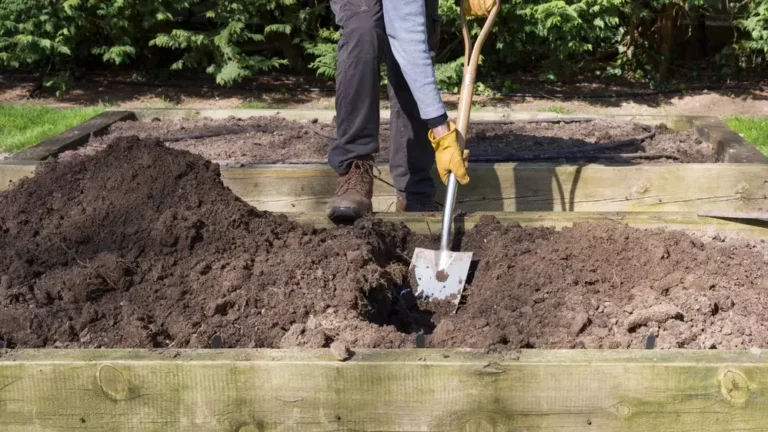
Potting mix is made for pots, where roots rely on the medium inside a limited space. Garden soil from the ground can be heavy and may not drain the same way in a planter, so look for a mix described for containers, houseplants, or herbs. For a broader overview of how container blends differ, see potting soil for container gardening.
Read the intended use on the bag. An all-purpose mix can suit a group of herbs and other plants, while an herb-focused mix may be a closer match if you are setting up a dedicated kitchen garden. Neither label replaces checking the drainage holes and the care needs of the plants you choose.
Balance drainage with water retention
Drainage is the movement of extra water out through the bottom of a pot. Water retention is the moisture the mix holds around the roots after the excess has drained; you need both, because roots need water and air.
Ingredients such as coir, perlite, bark fines, and compost can change how a mix holds water and air. The ingredient name alone does not tell you the exact result, since proportions and the pot itself matter. If you often water too much, consider a mix described as airy or fast-draining, then use a pot with open drainage holes and check moisture before watering again.
Match the bag volume to your pots
Bag size is listed in quarts for most of these mixes, while some products describe how many pots a pack may fill. Measure your planter’s height and width and check its stated capacity if available; a wide pot can take much more mix than its height suggests. For a small windowsill pot, a small bag or a disc may be enough, while several medium pots call for more volume.
Large containers can use a surprising amount of growing medium, so work out the volume you need before ordering. If you are trying to stretch a fill in a large planter, use a suitable space-saving approach rather than stuffing the pot with random materials; this guide to using less potting soil covers the planning question. Keep the root zone filled with an appropriate growing medium, and follow the planter maker’s directions if it has a reservoir or liner.
Check whether feeding is included
Some mixes state that they contain nutrients or feed plants for a set period, while others focus on their structure and ingredients. A stated feeding period can help you plan, but it is not a guarantee that every herb will need the same fertilizer schedule. Check the package for how long the mix is intended to feed and what to do after that period.
Herbs harvested for leaves still need suitable light, water, and nutrients. Too much fertilizer can produce soft growth or an unpleasantly strong flavor, while too little can leave a plant weak. Follow the product’s feeding directions and the care guidance for the herb, rather than adding a concentrated fertilizer just because growth seems slow.
Consider your herbs and where they will grow
Basil, parsley, mint, thyme, and rosemary do not all use water at the same pace. A sunny patio can dry a pot faster than a cooler indoor spot, and a small container can dry faster than a larger one. If you are also growing vegetables in pots, the priorities overlap, but crop size and nutrient needs may differ; see potting soil for container vegetables for that related choice.
Check the bag’s indoor or outdoor use, ingredient details, and any stated planting directions. If you grow a particular herb for its leaves, avoid assuming that a mix is food-safe or certified based only on a broad marketing phrase. Look for specific product details and follow the growing instructions for that plant.
How to Use Herb Potting Soil for the Best Results
Prepare the pot and the soil before planting, then water gently and keep an eye on moisture as the herbs settle in. Good planting habits can help a decent mix perform better, but they cannot fix a pot with no drainage or a plant in the wrong light.
- Check that the planter has drainage holes. Excess water needs a way out, so do not seal those openings with a solid layer or place the pot where drained water will damage a surface.
- Read the bag directions before opening it. Look for any feeding notes, mixing instructions, or cautions, and avoid adding amendments automatically when the mix is already formulated for containers.
- If using a coir disc, measure the stated water amount and let the wafer expand. Break up the softened medium gently so the texture is even, and do not pot into a hard, dry disc.
- Add enough mix to support the plant’s roots at the right height. Keep the root ball near the surface rather than burying stems that should remain above the soil line.
- Fill around the roots without packing the soil hard. A gentle press can remove large air gaps, but tight, compacted soil makes it harder for water and air to move.
- Water slowly until the mix is evenly moist and excess water drains. If the top settles, add a little more mix while keeping the plant’s stem and crown clear.
- Place the pot where the herb gets the light it needs. A windowsill can be bright but hot, so watch for rapid drying and avoid assuming indoor pots need less water.
- Check the mix before watering again. Feel a little below the surface or use the plant’s care needs as a guide, instead of watering by the calendar alone.
For herbs that will share a planter, group plants with similar light and water needs. Mint can spread quickly, so a separate pot may make it easier to manage than mixing it with slower-growing herbs. A pot that is too crowded also makes it harder to check moisture and harvest leaves cleanly.
How to Make Your Herb Potting Soil Last Longer
Store unused mix dry and closed, and keep finished pots draining freely. Potting soil is a growing medium, not a permanent supply of plant food, so refresh or replace it when its texture breaks down or the plant needs a new container.
After opening a bag, close it securely and store it off wet ground in a cool, sheltered place. Keep rain and spilled water out of the bag, since damp leftover mix can become clumpy and unpleasant to handle. Do not store it where children or pets can reach it, and follow any storage directions printed on the package.
Check pots regularly for compacted soil, blocked drainage holes, or a sour, stale smell. A compacted surface can slow water movement, while roots circling tightly in a container may signal that the herb needs more room. Avoid repeatedly topping up a pot without checking the root zone, because too much old or compressed medium can make watering less predictable.
Clean used pots before replanting, especially if the previous plant was unhealthy. Remove old roots and loose soil, wash the pot, and let it dry; use a cleaning method suited to the pot material. Replace mix rather than relying on old soil when you cannot tell what it contains or if it has remained soggy for a long time.
Feed only when the mix’s stated feeding period has ended or the plant’s care directions call for it. Follow the fertilizer label and apply it to moist soil as directed, rather than concentrating fertilizer in one spot. If you have to repot, loosen only the outer roots gently and use fresh mix that suits the new container.
Common Mistakes to Avoid When Buying and Using Herb Soil
- Choosing a bag by the word organic alone: That does not tell you whether the texture suits a pot. Check the container use, ingredients, and feeding directions.
- Buying too little mix: One small bag may not fill several planters. Estimate pot volume first, then allow for settling without buying a huge surplus.
- Using a pot without drainage: Water can pool around the roots. Choose a planter with drainage holes or follow its built-in reservoir instructions.
- Watering on a fixed schedule: Indoor and outdoor pots dry at different rates. Check the soil and the herb’s needs before adding more water.
- Packing the mix down firmly: Dense soil can restrict air and water movement. Settle the mix gently around roots instead of pressing it into a hard block.
- Assuming all herbs want the same moisture: Rosemary and basil can have different watering needs. Group herbs with similar care needs or give them separate pots.
- Adding fertilizer without checking the bag: Some mixes already provide nutrition for a stated period. Read the feeding details first to avoid doubling up unnecessarily.
How to Set Up Herb Pots with Potting Soil
A simple setup starts with clean, correctly sized pots and a growing medium chosen for containers. Take a few minutes to prepare the work area before opening soil, because dry mix can scatter and damp mix can leave a stubborn mess.
- Choose a pot that gives the herb room to grow and has drainage holes. The common snag is choosing a decorative pot with no opening; use a suitable nursery pot inside it if needed.
- Gather the plant, mix, a small scoop, and a saucer. Keep the saucer available to catch runoff, but empty standing water after watering.
- Check the soil label and calculate whether the bag or discs will cover your plan. If using the coir discs, remember to set aside water for expansion before the planting session.
- Moisten very dry bagged mix lightly if it is dusty, following the directions on the package. Avoid soaking it before potting, since saturated mix is heavy and harder to handle.
- Add a base layer, place the root ball at its intended height, and fill around it. A common beginner error is burying the plant too deeply, so keep the crown and stem positioned as they were in the original pot.
- Tap the pot gently to settle the mix. Do not press hard; roots need open growing medium rather than a tightly packed container.
- Water slowly and let excess drain through. If water races down the pot’s sides without wetting the center, pause and add it in smaller amounts.
- Put the planted pot in the right light and check its moisture over the next few days. Newly planted herbs may need attention as they settle, but avoid watering again while the root area is still wet.
Common Questions About Soil for Herb Pots
Can I use regular garden soil in herb pots?
A container potting mix is usually the easier choice for a planter because it is intended for growing in a limited space. Garden soil can be dense and may not drain like a container blend. If you are considering soil from a garden bed, check the plant and pot requirements first rather than assuming it will behave the same way in a pot.
How much soil do I need for herb pots?
The amount depends on the pot’s volume, not only its diameter. Check the container capacity or measure the inside dimensions, then compare that amount with the bag’s quart size or the maker’s pot-fill estimate. Leave a little space near the rim for watering, and remember that soil can settle after the first watering.
Should herb potting mix contain fertilizer?
It can, but the bag should tell you whether nutrients are included and for how long. A mix that provides initial feeding may reduce the need to fertilize immediately, while a coir-based medium may need nutrients later. Follow the package and the herb’s care directions instead of adding fertilizer by guesswork.
Is peat-free potting soil suitable for herbs?
Peat-free mixes can be suitable when their structure and care directions match your pots and herbs. Check the ingredients and whether the blend is described for container use, then pay attention to watering because different mixes dry at different rates. A peat-free label alone does not tell you the exact moisture behavior or nutrient content.
Can I grow tomatoes in the same soil used for herb pots?
A general container mix may be described for both herbs and vegetables, but tomatoes usually need a larger pot and a suitable feeding plan as they grow. Check the mix’s intended use and the plant’s container needs. For crop-specific considerations, see potting soil for container tomatoes and soil for tomatoes in pots.
How often should I replace soil in herb pots?
There is no single replacement schedule for every pot. Replace or refresh the mix when it becomes compacted, drains poorly, smells stale, or the plant needs repotting; also consider fresh mix after a plant has had a serious problem. If the soil remains loose and drains well, focus on the plant’s nutrient needs and care instructions.
Make Your Pot Size and Watering Plan the Final Check
Before ordering, measure the containers you plan to fill and decide whether you want ready-to-use soil or a compact mix that needs preparation. Then check the bag’s stated uses, ingredients, drainage needs, and feeding directions against your herbs and your space; that quick match is more useful than buying a larger bag simply because it sounds like a better deal.

I’m Maya L. Greenwood, a lifelong plant lover who believes anyone can grow something beautiful with the right guidance. After years of testing soil mixes, pruning methods, irrigation tricks, and pest-safe solutions, I started EasyGardenTips.com to turn hard-won lessons into step-by-step advice. From seed starting and container gardens to composting and seasonal checklists, my goal is to make gardening simple, sustainable, and fun.