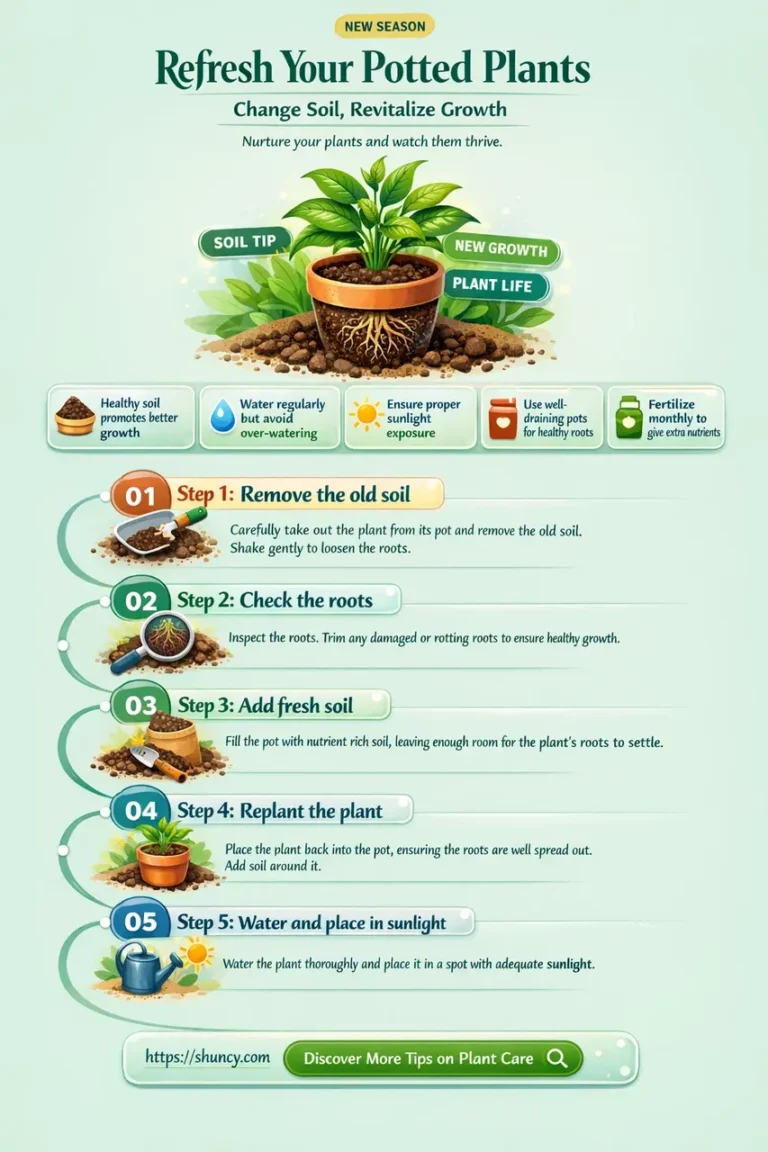
How to Make Potting Soil for Vegetables: Mix for Bigger Harvests
A good homemade vegetable potting mix holds enough moisture for roots, drains freely, and leaves room for air. For a simple all-purpose batch, combine 1 part finished compost, 1 part peat moss or coir, and 1 part perlite or pumice by volume.
Are your pots drying out by lunchtime, or staying soggy for days after watering? Those problems often start with the mix, not your watering skills.
I once used a heavy, compost-rich blend in a container of tomatoes because it felt dark and “nutritious.” The pot stayed wet, the plant sulked, and I learned that rich-looking soil can still be a poor home for roots. It’s a common mistake, not a dumb one.
I wrote this for anyone growing vegetables in pots, grow bags, or window boxes who wants a reliable mix without buying a dozen specialty ingredients. You’ll get a recipe, learn what each ingredient does, and know how to adjust the blend for your setup.
Get the balance right and you can avoid waterlogged roots, reduce how often you need to water, and give seedlings a steadier start. Skip the drainage and texture checks, and even a healthy plant can struggle in a pot.
This takes about 10 minutes to read. By the end, you’ll know how to:
- Mix a basic batch with easy-to-measure ratios.
- Swap ingredients when you can’t find peat, coir, or perlite.
- Adjust texture for large containers, thirsty crops, and seedlings.
- Spot and fix common watering and drainage problems.
How to Make Potting Soil for Vegetables: the Reliable Mix
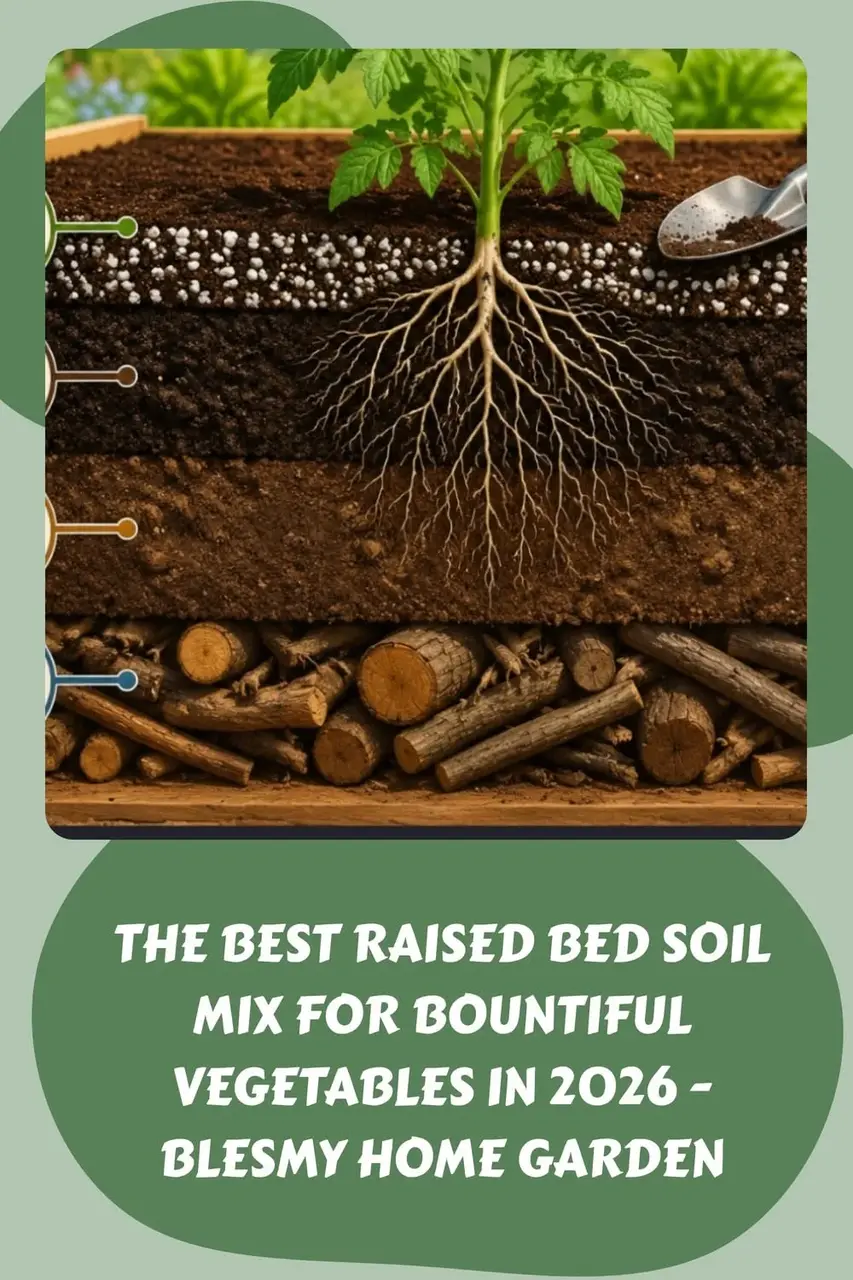
The basic recipe is one part compost, one part peat moss or coir, and one part perlite or pumice, measured by volume. That blend gives vegetables nutrients, moisture-holding material, and open spaces for air and drainage.
A part is any container you choose to measure with, such as a bucket, scoop, or cup. Use the same container for every ingredient, so one part always means the same amount.
For a small batch, you could use one gallon of each ingredient. For a large patio planter, use one five-gallon bucket of each. The ratio matters more than the container size.
| Ingredient | Basic share | What it does | Common options |
|---|---|---|---|
| Finished compost | 1 part | Adds nutrients and organic matter | Mature homemade or bagged compost |
| Peat moss or coir | 1 part | Holds moisture while keeping the mix light | Peat moss, hydrated coir |
| Perlite or pumice | 1 part | Creates air spaces and helps excess water drain | Horticultural perlite, pumice |
This is a starting point, not a law. If your compost is very fine and dense, use less of it or add more perlite; if the mix dries too quickly in a hot, windy spot, a little more coir can help.
The result should feel springy and crumbly, not like sticky garden mud. When you squeeze a handful of damp mix, it should hold together loosely and fall apart when you tap it.
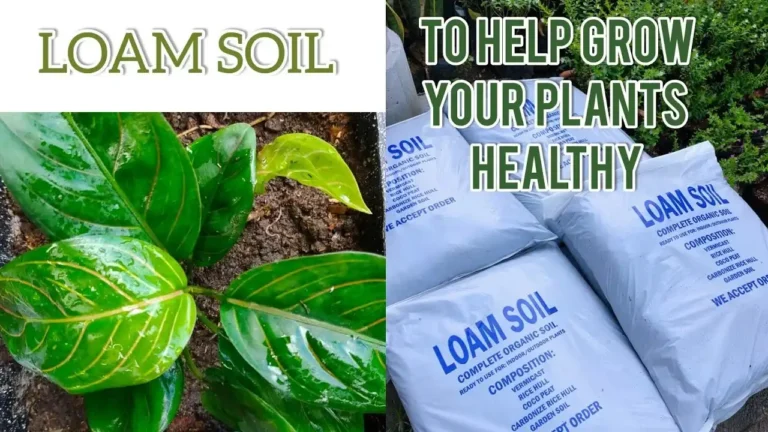
Potting mix is made for containers, where roots can’t spread out in the ground and water has nowhere to go except through the drainage holes. That’s why regular garden soil often needs a different approach; compare potting mix and garden soil before filling pots with soil dug from a yard.
Pro Tip: Use a marked bucket or scoop for measuring, and write down your ratio. If the first batch works, you’ll be glad you can repeat it without guessing.
Choose Ingredients That Match Your Plants
Each ingredient has a job: the base holds moisture, the airy material keeps the mix loose, and compost supplies nutrients. A good recipe depends on how those materials behave together, not on how many bags you can add.
Coir comes from coconut husks and is often sold in compressed bricks that need water before use. It holds moisture and is a useful peat alternative, though it can contain salts, so follow the package directions and rinse it if the maker recommends that step.
Peat moss is light and holds water, but dry peat can resist wetting at first. Add water gradually and mix thoroughly, rather than pouring a whole bag of dry peat into a tub and hoping one splash fixes it.
Perlite is a light, white volcanic material that opens up the mix for air and drainage. Pumice serves a similar purpose and feels heavier, which can help keep tall containers from tipping as easily.
Finished compost adds organic matter and nutrients, but its quality varies. Use compost that smells earthy and looks broken down; sour, slimy, or strongly ammonia-smelling material isn’t ready to go into a vegetable pot.
What if you don’t have every ingredient on hand? Keep the three jobs in mind: moisture holding, air and drainage, and mature organic matter. You can swap within those roles, but don’t replace the airy part with more compost or fine soil.
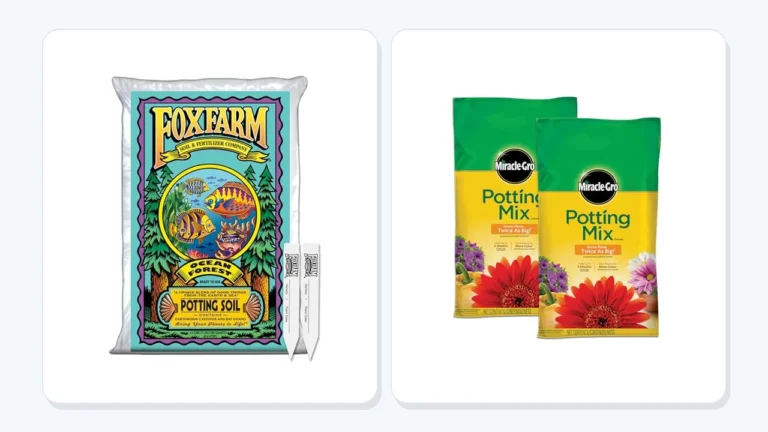
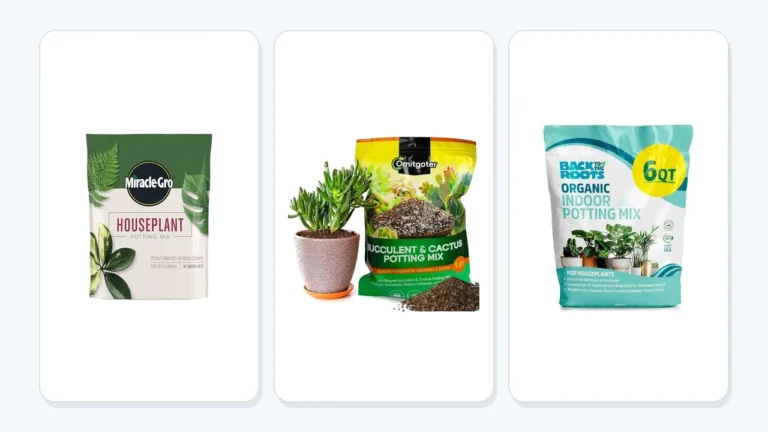
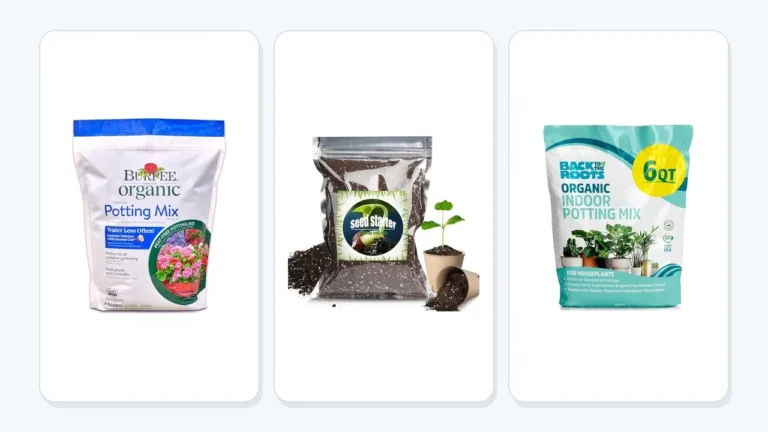
Gardeners often ask whether bagged potting mix is a better starting point than making a batch from scratch. Either can work; a ready-made mix saves measuring, while a homemade batch lets you change the texture and compost level. If you’re comparing options for pots on a patio, the best potting soil for container gardening is the one that suits your container size, watering routine, and crops.
Compost needs a little judgment. Too much can make a mix dense or overly rich, especially if the compost is fine or salty, so don’t treat “more compost” as a shortcut to bigger harvests.
I once added extra compost to a pepper container after a slow start, then regretted it when the mix clumped and stayed wet. I now check drainage and texture before adding nutrients; a plant that’s struggling may need better air around its roots, not another scoop of food.
Important Tip: Don’t use fresh manure in a container mix. Choose finished compost or a packaged fertilizer labeled for vegetables, and follow its directions rather than guessing at a heavy dose.
For seedlings, keep the mix especially fine and light. Large chunks of compost or bark can leave tiny roots with uneven contact, much like trying to grow a small sprout in a pot full of pebbles.
Mix, Moisten, and Fill Containers the Right Way
Mix ingredients evenly, add water until the blend is lightly moist, and fill containers with open drainage holes. The goal is a loose, damp mix that settles gently without being packed hard.
- Measure the ingredients. Use the same scoop or bucket for every part, and break up compacted coir or compost before measuring.
- Combine dry materials. Blend the peat or coir with perlite or pumice first, then add compost and mix until the color and texture look even.
- Add water in stages. Stir as you add water; stop when the mix is damp throughout but doesn’t release water when squeezed.
- Check the texture. A handful should hold its shape briefly, then crumble with a light touch. Add a little more airy material if it forms a dense lump.
- Fill the pot loosely. Leave enough space at the top for watering, and don’t press the mix down like you’re packing a suitcase.
- Water and let it settle. If the level drops, top up lightly rather than compressing the roots’ growing space.
Before filling, check that each container has drainage holes. A layer of gravel at the bottom doesn’t replace holes; water still needs a way out, and trapped water can leave roots sitting in a soggy zone.
Do you need to wet coir or peat before mixing? Yes, especially if either material is dry or compressed, because dry material can resist water and leave dry pockets in a finished container.
For a large tub, mix in a wheelbarrow or clean storage bin so you can turn the ingredients without spilling them. For a few small pots, a clean bucket is plenty; just keep the dust down and wash your hands afterward.
Pro Tip: Moisten the mix before planting, then water slowly until a little drains from the bottom. That first thorough watering helps reveal dry pockets and confirms the drainage holes are doing their job.
Vegetables vary in how much room and moisture they need. A roomy tomato pot and a shallow lettuce box can use the same basic ingredients, but their watering needs won’t match; guides to the best soil for container vegetables can help you compare mixes with the crops and containers you have.
Adjust the Recipe for Crop and Container
The basic mix suits many vegetables, but small changes can make it easier to manage. Large containers, shallow planters, and quick-drying locations all change how long the mix holds water and how much support the plants need.
For a hot, exposed balcony, use a slightly higher share of coir or peat moss if your basic mix dries too fast. Make small adjustments, then check the pot over several watering cycles; changing several ingredients at once makes it harder to tell what helped.
For a cool, shaded area where pots stay wet, add more perlite or pumice and avoid extra compost. A tomato pot in full afternoon sun may need water more often than a lettuce planter tucked near a wall, even if both hold the same recipe.
Root crops need a loose, stone-free mix so roots and tubers can grow without hitting compacted lumps. Potatoes also need a container deep enough for their growth habit; a potting mix for potatoes should drain well while still holding enough moisture to support steady growth.
Berries in containers have their own needs, so don’t assume the vegetable recipe fits every fruit plant unchanged. Raspberry roots need a container mix that drains well and suits the plant’s growing conditions; a mix for container raspberries is a more focused comparison if berries are on your list.
| Growing setup | Adjustment to try | What to watch |
|---|---|---|
| Hot, windy location | Add a little more coir or peat moss | Mix should stay damp, not soggy |
| Shady or cool location | Add a little more perlite or pumice | Water should drain freely |
| Large tomato container | Keep the basic recipe, adjust after watering checks | Deep pots can stay wet below the surface |
| Shallow greens planter | Use a fine, even mix and check moisture often | The smaller soil volume can dry quickly |
| Root crops | Keep the mix loose and remove large lumps | Dense chunks can limit root growth |
These adjustments are starting points, not fixed formulas. Container material, pot size, wind, sun, and weather all affect how quickly water leaves the mix.
Prevent Common Problems and Keep the Mix Useful
Most homemade mix problems show up as slow drainage, uneven watering, or plants that struggle despite regular care. Check the mix and container before assuming the plant needs more fertilizer.
| What you notice | Likely cause | What to try |
|---|---|---|
| Water pools on top | Mix is too dense or dry peat is resisting water | Loosen the mix, re-moisten slowly, or add airy material |
| Pot stays wet for days | Poor drainage, too much fine compost, or a cool shaded spot | Clear drainage holes and improve the mix texture |
| Mix dries very fast | Small pot, hot exposure, or too little moisture-holding material | Add a modest amount of coir and check container size |
| Plant grows slowly | Roots may be stressed, or the mix may lack nutrients | Check drainage first, then use a labeled vegetable fertilizer |
| Mix settles a lot | Ingredients were compressed or very fine | Top up loosely and avoid pressing down hard |
If water runs down the side of a dry pot without soaking in, apply it in several slow passes. Dry peat can be hard to wet at first, and a single fast pour may escape through gaps before the mix absorbs much.
Can you reuse old potting mix? Sometimes, if it’s clean, drains well, and hasn’t had a serious disease or pest problem. Remove old roots and debris, check the texture, and blend in fresh ingredients as needed; if you’re unsure what caused a previous plant failure, discard the mix rather than carrying the problem into a new pot.
Don’t reuse mix from a diseased plant or one with a serious root pest problem. Wash the container before refilling it, and don’t put questionable material in a compost pile unless your local composting guidance says that’s safe.
A container mix doesn’t feed a heavy-producing vegetable forever. Compost contributes nutrients, but the amount and timing vary, so follow the label on any fertilizer and avoid piling on extra because leaves look pale; poor drainage and damaged roots can look like a feeding problem.
- Measure by volume and use the same container for every ingredient.
- Aim for a loose mix that holds some moisture but drains freely.
- Adjust one ingredient at a time, then watch how the pot behaves.
- Check drainage before adding fertilizer to a struggling plant.
FAQs About How to Make Potting Soil for Vegetables
Can I use garden soil to make potting soil for vegetables?
You can add a small amount in some mixes, but ordinary garden soil can become heavy and compact in a pot. That makes drainage harder and limits air around roots. For most containers, a soilless base of coir or peat plus an airy material is easier to manage.
What is the best ratio for homemade vegetable potting mix?
A useful starting ratio is 1 part finished compost, 1 part peat moss or coir, and 1 part perlite or pumice by volume. The right adjustment depends on compost texture, container size, and how quickly your location dries pots. Keep the mix loose and test it before planting.
Can I use compost alone in vegetable containers?
No, compost alone is usually too dense and can hold water unevenly in a pot. Mix compost with moisture-holding material and an airy ingredient so roots have both water and oxygen. Use finished compost, since fresh material can harm plants and may not be safe for edible crops.
Should I add fertilizer to homemade potting soil?
Not always. Finished compost provides some nutrients, but its supply varies, and hungry vegetables may need extra feeding as they grow. Choose a fertilizer labeled for vegetables, follow the package directions, and check drainage and root health before treating slow growth as a nutrient problem.
How do I know if homemade potting soil drains well?
Water the filled container slowly and check that excess water exits through the drainage holes. The mix should stay damp without remaining waterlogged. If water pools on top or the pot stays heavy and wet for days, loosen the blend and check for blocked holes.
Start with a Small Batch and Adjust
A dependable homemade vegetable mix doesn’t need a long ingredient list. Start with equal parts finished compost, coir or peat, and perlite or pumice, then adjust only after you’ve watched how it drains and dries in your own containers.
In my view, the best mix is the one you can repeat and manage, not the one with the most ingredients. A tomato in a sunny patio pot and lettuce in a shaded box won’t use water at the same pace, so let the plants and the pot guide small changes.
Your next step is simple: make a small batch, dampen it, and squeeze a handful before filling every container. If it crumbles easily and drains well, you’ve got a solid starting point for a healthier harvest.

I’m Maya L. Greenwood, a lifelong plant lover who believes anyone can grow something beautiful with the right guidance. After years of testing soil mixes, pruning methods, irrigation tricks, and pest-safe solutions, I started EasyGardenTips.com to turn hard-won lessons into step-by-step advice. From seed starting and container gardens to composting and seasonal checklists, my goal is to make gardening simple, sustainable, and fun.