
How to Dispose of Potting Soil Safely: Easy Eco-Friendly Options
Most potting soil can be reused, composted, or bagged for household trash, depending on its condition and your local rules. Keep soil that may carry disease, pests, or chemical contamination out of gardens and compost piles.
Are you clearing out a stack of old pots and wondering if that dry, clumpy mix is still useful? Or are you worried that tossing a bag in the trash could cause trouble?
I once emptied an old container into a garden bed because the mix looked harmless. A few weeks later, I found bits of plastic and a slow-release fertilizer coating scattered through the bed, and I had to pick them out by hand. It’s a common mistake, not a dumb one.
I wrote this to help you sort usable potting mix from soil that needs to go, without making a mess or risking nearby plants. The right choice depends on what grew in the pot, what got added to the mix, and the rules where you live.
If you handle the mix carefully, you can save money, keep unwanted material out of garden beds, and avoid spreading plant disease. Skip the quick check, and you might end up moving pests or contaminated mix to a spot you meant to protect.
This takes about 9 minutes to read. You’ll come away knowing how to:
- Decide whether old potting mix is safe to reuse.
- Handle soil from plants with disease or pests.
- Choose between compost, trash, and other disposal options.
- Store leftover soil so it stays usable.
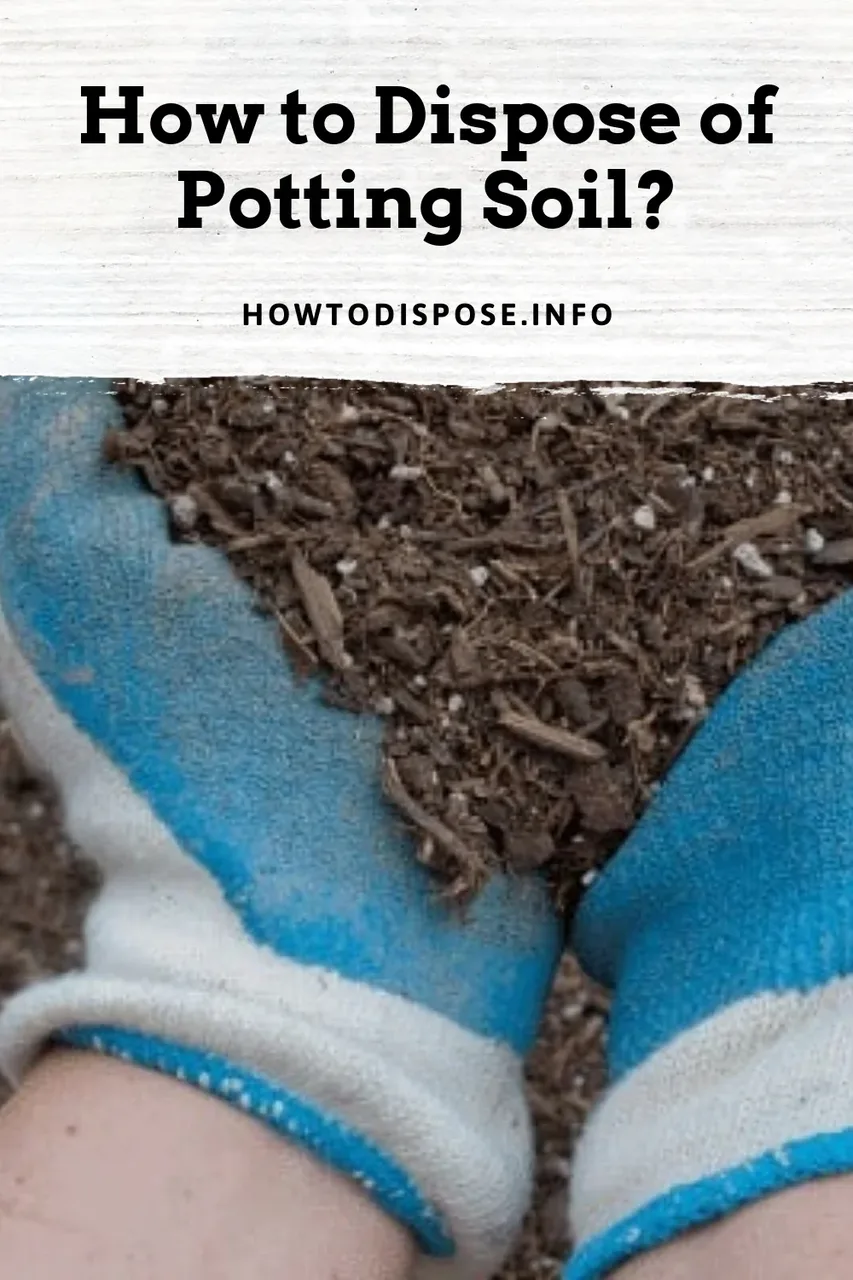
How to Dispose of Potting Soil Safely
Reuse clean potting soil when it’s in good condition, compost it only if your compost setup and local rules allow it, and put unsuitable soil in household trash when permitted. Keep questionable or contaminated soil contained, and don’t dump it in a vacant lot, wooded area, storm drain, or public green space.
Start by checking where the soil came from and what happened in the container. A pot that held a healthy houseplant is a different case from one that held a plant with root rot, persistent insects, or chemical treatment.
- Remove the plant and visible debris. Pull out roots, leaves, labels, and plastic pieces. Shake loose mix back into a tub or onto a tarp instead of scattering it across a garden.
- Check the soil’s history and condition. Look for pests, disease, moldy plant debris, chemical spills, or signs that the mix has broken down into a dense, sour-smelling mass.
- Choose a route. Reuse healthy mix for suitable containers, compost it only when accepted and appropriate, or seal unusable soil for the trash if local rules allow.
- Clean the pot and tools. Brush off soil before washing, especially if the plant had a disease or pest problem. Wash hands afterward, and keep dusty mix away from your face.
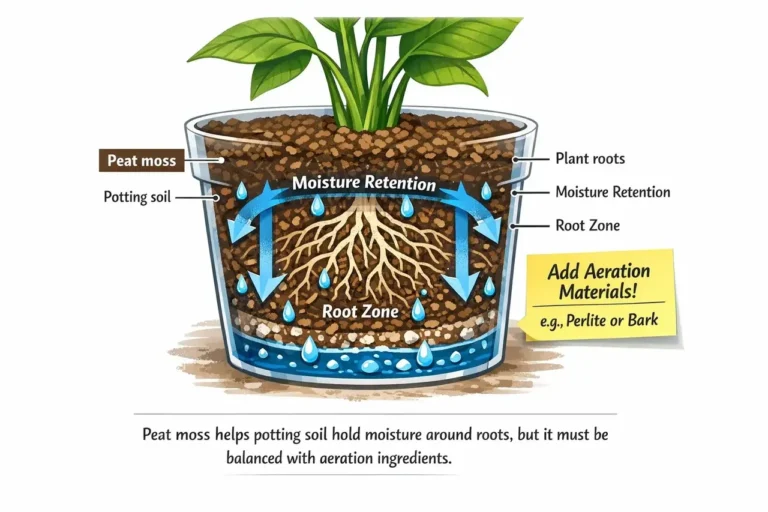
The key is not to treat every bag as garden soil. Potting mix often contains ingredients such as bark, peat or coir, perlite, fertilizer, and moisture-holding materials, so it may behave differently from soil dug from your yard.
| Condition of the potting mix | Best next step | Avoid |
|---|---|---|
| Healthy plant, loose texture, no known pest issue | Reuse in containers or mix into suitable garden soil in modest amounts | Assuming every mix suits every plant |
| Old mix with no known disease, but compacted or depleted | Refresh for non-sensitive container planting, or check local compost rules | Using it as the only material in a new pot |
| Plant had a serious disease or recurring pest problem | Seal and dispose of it according to local trash rules | Composting or spreading it around the yard |
| Chemical spill or unknown treatment | Keep it contained and ask local waste services how to handle it | Putting it in compost or pouring anything down a drain |
A healthy-looking mix isn’t automatically safe if you know the plant had a contagious disease or a stubborn pest infestation. When the history is unclear, err on the cautious side, especially if the next planting will be a prized houseplant or food crop.
- Check the plant’s health and the mix’s history before deciding.
- Keep suspect soil contained instead of spreading it around.
- Follow local rules for compost and household trash.
When Can You Reuse or Refresh Old Potting Soil?
Reuse old potting mix when the plant was healthy and the mix is free of pests, odors, and unwanted debris. A little drying or settling doesn’t automatically make soil worthless, but a compacted mix may need help before it goes back into a pot.
Healthy used mix can work in containers, especially when it still drains well and hasn’t become a dense block. Break up clumps by hand and remove roots; don’t grind dry mix into dust, which can make it unpleasant to handle and harder to wet evenly.
Before reusing it, check for signs that the mix has deteriorated:
- A sour or rotten smell can point to soggy, airless conditions or decomposing plant material.
- A hard, shrunken mass may be difficult to wet and drain well.
- Visible pests, egg clusters, or damaged roots are a reason to keep the mix out of new plantings.
- Heavy root growth or lots of old stems means you’ll need to remove debris before reuse.
If you’re deciding whether potting soil goes bad, focus on its condition and history, not just how long it has sat in a bag. Unopened soil stored dry and closed may stay usable, while wet mix left in a pot with diseased roots can be a poor bet much sooner.
Used potting mix has often lost some of its structure and available nutrients. You can blend clean mix with fresh potting mix or add amendments suited to the plants you’re growing, but don’t assume extra fertilizer will fix poor drainage or a rotten smell.
Want to control the nutrients from the start? A potting soil without fertilizer can give you more say over feeding, especially when you’re refreshing a mix for plants that need a lighter nutrient load.
I once tried to revive a pot of old mix by adding fresh material and skipping the root cleanup. The new plant struggled in a tangle of old roots and compacted clumps, which taught me that refreshing soil starts with removing the stuff that doesn’t belong.
Pro Tip: Wet dusty potting mix lightly before handling it outdoors. Don’t soak it; a little moisture helps keep loose particles from blowing around.
How to Dispose of Diseased or Pest-Infested Potting Soil
Bag potting mix from a plant with a serious disease or persistent pest problem, then follow your local trash or waste rules. Don’t reuse that soil or add it to a home compost pile unless a qualified local source confirms the treatment method is appropriate.
Diseased roots and soil can carry plant pathogens, while potting mix may also shelter insects or their eggs. The risk depends on the plant problem and how the material is handled, so avoid moving suspect mix to another pot or garden bed.
Before you handle it, put on gloves and avoid shaking or pouring the mix from a height. If the soil is dry and dusty, dampen it slightly outdoors, then place it in a sturdy bag or container that won’t leak during handling.
Keep the bag closed and away from children, pets, and garden tools until disposal. Don’t burn the mix or pour chemicals on it to “sterilize” it; those steps can create new hazards and may not reliably deal with the original problem.
Could a compost pile solve the problem? Usually, a small backyard pile doesn’t hold a steady, verified heat level throughout, so it may not kill every pest or disease organism. When you’re not sure what caused the plant problem, trash disposal is the safer choice if your local service accepts bagged soil.
Important Tip: If the soil contains spilled paint, fuel, pesticides, or another chemical, don’t put it in ordinary trash without checking local hazardous-waste guidance. Keep the material sealed and ask your local waste service which drop-off or pickup option applies.
Can Potting Soil Go in Compost or Household Trash?
Compost clean, plant-based potting mix only if your compost system and local program accept it. Bagged household trash can be an option for unusable soil, but some waste services limit soil because it is heavy or handled differently from ordinary garbage.
A home compost pile is more suitable for clean mix with no known disease, pest infestation, or chemical contamination. If the mix contains synthetic slow-release fertilizer, moisture-retaining granules, plastic, or a large amount of perlite, check what your compost service accepts before adding it.
Community compost programs often have their own rules about soil and potting mix. Don’t assume a green-waste bin takes soil just because it accepts leaves and plant trimmings; the facility may reject bags or loads that contain it.
For trash, use a strong bag or lidded container and keep the load within your hauler’s weight rules. A small pot’s worth is easy to handle, but several large containers can add up fast, so split the load rather than making one bag hard to lift.
If you’re dealing with more than a few bags, contact your waste hauler or municipal waste office before loading your car. A local drop-off site may accept soil, or it may direct you to a specific disposal method.
Never tip potting mix into a storm drain, creek, roadside ditch, or public planting bed. Rain can carry loose material into waterways, and the mix may contain fertilizer, plastic, pests, or plant pathogens that don’t belong there.
How to Store Potting Soil You Plan to Keep
Store usable potting mix dry, covered, and off the ground so rain, pests, and debris don’t get into it. A closed storage tub or a well-sealed original bag can work, as long as the mix isn’t put away wet.
Before storing it, pull out roots and plant debris, then check the label for any handling notes. If the bag has a small tear, move the mix to a sturdy container with a lid; an open bag beside the garage door tends to collect dust, rain, and the occasional curious insect.
Planning to save extra mix for next season? These potting soil storage steps can help keep a clean bag from turning into a damp, lumpy mess. Mark the container so nobody mistakes potting mix for another household material.
Cold weather alone doesn’t mean potting soil must be thrown away, but wet soil that freezes and thaws can become clumpy or harder to handle. If you need to keep a bag outdoors, check what freezing does to potting soil and choose a sheltered spot rather than leaving the bag open to snow and rain.
For storage, aim for a place that’s shaded and protected from leaks. A shed shelf or covered garage corner usually beats an exposed patio, where sun and weather can wear down the bag.
Reuse Potting Soil for the Right Plants
Reuse clean mix only when its texture and past use fit the next plant. A loose, healthy mix can serve another container, but it may need refreshing or may be a poor match for plants with specific growing needs.
Some vegetables need a free-draining container mix, while others do better with a mix that holds moisture without staying soggy. If you’re saving soil for growing onions in pots or planting sweet potatoes in containers, check the crop’s needs before loading a pot with old mix.
For edible plants, be extra careful about the history of the soil. Don’t use mix from a diseased plant or a container exposed to an unknown chemical treatment, and don’t rely on a handful of fertilizer to make unsuitable soil safe.
Keep the amount of old mix modest when blending it with fresh material, particularly if the old soil is dense or has a lot of fine particles. A container that drains poorly can leave roots sitting in water, and no amount of wishful thinking will make that pot dry faster.
If the mix is clean but you don’t have a good use for it, offer it to a neighbor or gardener only after you explain its history and condition. Don’t pass along a bag with visible pests or a disease warning tucked quietly out of sight.
FAQs About How to Dispose of Potting Soil
Can I dump potting soil in my yard?
No, don’t dump large amounts of potting soil in the yard without checking its condition and local rules. Clean mix may be useful in a garden bed in modest amounts, but mix with pests, disease, chemical residue, or plastic debris should stay contained and be disposed of through an accepted route.
Can old potting soil go in the green waste bin?
Sometimes, but green-waste rules vary by community and facility. Some programs accept clean potting mix, while others reject soil, bags, fertilizer granules, or perlite. Check the bin instructions or ask your local waste service before adding soil, even if the bin accepts ordinary plant trimmings.
Should I throw away potting soil after a plant dies?
Not always. If the plant died from lack of water, age, or another noninfectious cause, and the mix has no pests or chemical contamination, you may be able to reuse it after removing roots and checking drainage. If disease or root pests may have caused the death, bag the mix instead.
Can potting soil go down the drain?
No, potting soil shouldn’t go down a sink, toilet, gutter, or storm drain. Soil can clog plumbing or drains, and loose mix may carry fertilizer, plastic, or plant material into waterways. Let wet soil drain over a contained surface, then place it in an accepted compost or trash route.
Is potting soil considered hazardous waste?
Usually, ordinary used potting mix isn’t hazardous waste just because it’s old. Soil contaminated by a chemical spill or treatment may need special handling, though, so keep it sealed and ask your local waste service. Don’t mix suspect soil with clean material, since that can make a larger disposal problem.
Can I reuse potting soil from a plant with bugs?
No, not if the mix may contain persistent pests or their eggs. Keep it out of new pots and garden beds, since moving the mix can spread the problem. Seal the soil and follow local disposal rules, then clean the container and tools before using them again.
Make the Disposal Choice That Fits the Soil
The safest choice comes down to the mix’s history: clean, healthy soil may be reusable, while soil from a diseased or chemically exposed plant should stay contained. Compost and trash rules vary, so check your local service before you haul a heavy load or fill a green bin.
I’d rather spend a minute checking the soil than spread a problem through the garden by mistake. If you’ve got a pile of old pots waiting, start with one: remove the roots, inspect the mix, and sort it into reuse, compost, or disposal. That small check can save you cleanup later and give healthy soil another useful season.

I’m Maya L. Greenwood, a lifelong plant lover who believes anyone can grow something beautiful with the right guidance. After years of testing soil mixes, pruning methods, irrigation tricks, and pest-safe solutions, I started EasyGardenTips.com to turn hard-won lessons into step-by-step advice. From seed starting and container gardens to composting and seasonal checklists, my goal is to make gardening simple, sustainable, and fun.
One Comment