How to Refresh Old Potting Soil and Bring It Back to Life Fast
Old potting soil can often be reused if it’s free of pests and disease and you restore its structure, moisture, and nutrients before planting. Remove old roots, loosen compacted mix, blend in fresh material as needed, and add plant food only when the mix needs it.
Have you opened a pot and found a hard, dry clump instead of the loose mix you remember? Are you trying to save money without bringing old pests or plant problems into a fresh pot?
I once dumped dry mix straight into a container because it looked clean enough. Water ran down the sides, the middle stayed dusty, and the plant sulked while I started over. That’s a common mistake, not a dumb one.
I wrote this for anyone with a stack of used pots, a bag of old mix, or the feeling that buying fresh soil for every plant is getting silly. You’ll learn how to judge what’s safe to reuse and how to make a tired mix more workable.
Get the refresh right, and you can cut waste, avoid a soggy root zone, and give a new plant a better start. Skip the inspection or add amendments by guesswork, and you can carry pests forward or overload the mix with fertilizer.
This takes about 9 minutes to read. By the end, you’ll know how to:
- Sort reusable soil from mix that belongs in the trash.
- Loosen dry, compacted soil without turning it into a mud brick.
- Choose fresh mix and amendments that suit the plant.
- Avoid common problems like poor drainage and fertilizer buildup.
How to Refresh Old Potting Soil: the Safe, Simple Method
Refreshing old potting soil means removing debris, loosening the mix, and replacing the structure or nutrients that have worn down. Reuse soil only when you don’t see signs of disease, pests, chemical contamination, or severe salt buildup.
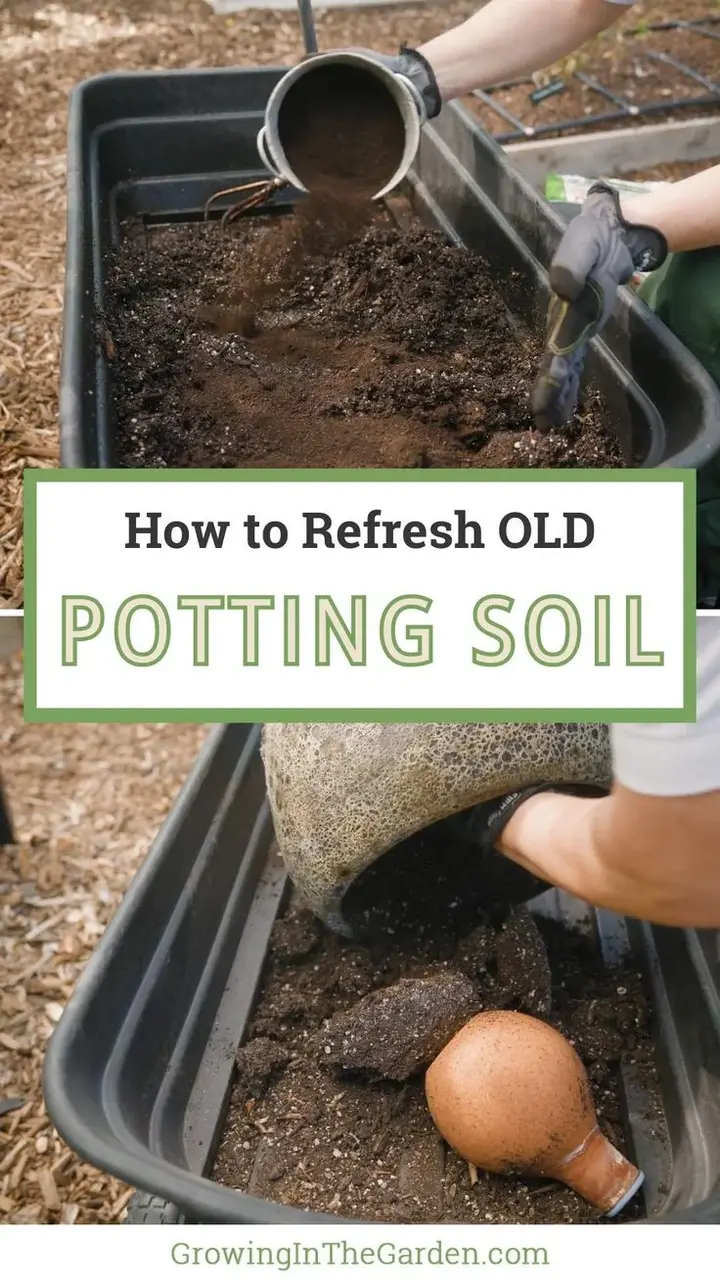
Start with a quick inspection, then refresh the mix in a clean tub or wheelbarrow. For a typical pot of healthy annuals, you might sift out old roots, loosen the remaining mix, and blend it with fresh potting mix before planting.
- Check the old soil. Look for insects, webbing, moldy or rotten roots, and a sour or swampy smell. If the previous plant had a serious disease, persistent pests, or unexplained decline, discard the soil instead of passing the problem to another plant.
- Remove old roots and debris. Pull out plant stems, large roots, fallen leaves, and any fertilizer spikes. A few fine roots can stay, but a dense mat can block water and leave the mix lumpy.
- Break up clumps. Work the soil with your hands or a small garden fork until it’s loose. Don’t grind it into dust; fine particles can pack tightly and reduce air spaces.
- Add back structure. Blend in fresh potting mix when the old material has shrunk or broken down. Add perlite or pumice if the soil needs more air and drainage, using the product label or a reliable plant-specific recipe for guidance.
- Rehydrate slowly. Sprinkle in water and mix until the soil feels evenly damp, not soggy. Dry peat-based mixes can resist water at first, so give the water time to soak in before adding more.
- Add nutrients only if needed. Fresh potting mix may already contain fertilizer. Check the bag and follow its directions before adding compost or fertilizer, since too much can stress roots.
- Fill the pot and plant. Use a container with drainage holes, leave room below the rim for watering, and water the finished planting thoroughly.
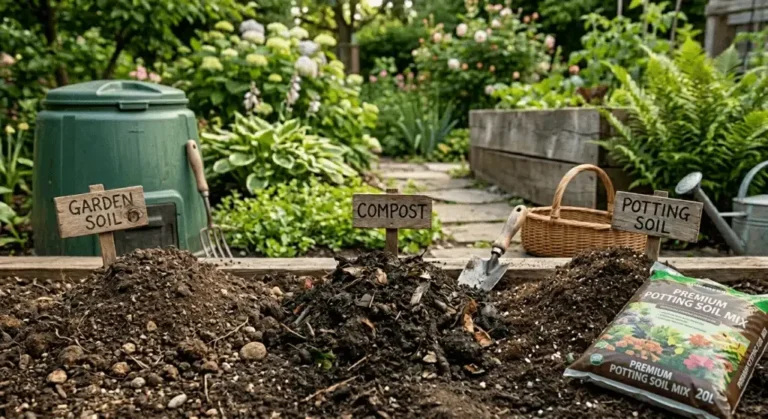
A potting mix is a lightweight blend made for containers, while garden soil is denser and can drain poorly in a pot. If your used mix has turned into a heavy, fine mass, blending it with fresh potting mix is usually more helpful than trying to fix it with fertilizer alone.
Before you reuse a bag that’s been sitting in a shed, check whether potting soil has gone bad. Age alone doesn’t always make soil unusable, but wet storage, damaged packaging, and a stale smell are good reasons to inspect it closely.
Pro Tip: If the mix is bone-dry, moisten it in small batches before blending. A dry clump can look crumbly on the surface while the center stays water-repellent.
How to Tell Whether Old Potting Soil Is Worth Saving
Old potting soil is worth refreshing when it’s clean, has no persistent pest or disease problem, and can still be loosened into a usable texture. Soil that smells sour, stays soggy, or contains a web of damaged roots is a poor candidate.
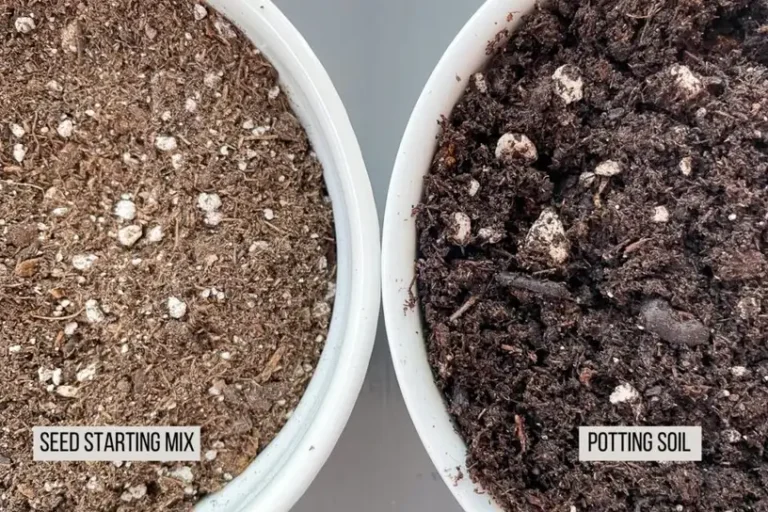
A good mix feels light enough to crumble, holds some moisture, and drains excess water from the pot. It doesn’t need to look brand-new; it does need to give roots room for both water and air.
| What you notice | What it may mean | What to do |
|---|---|---|
| Dry, loose soil that wets evenly | The mix may be reusable | Rehydrate, remove debris, and refresh nutrients if needed |
| Hard clods or a shrunken surface | The mix has compacted or dried unevenly | Break clumps apart and blend with fresh potting mix |
| Sour smell or roots that look soft and dark | The root zone may have stayed too wet or developed rot | Discard the soil and clean the pot before replanting |
| Visible insects, larvae, or repeated pest trouble | Pests may remain in the mix | Don’t reuse it for another plant |
| White crust on the soil or pot rim | Fertilizer salts may have built up | Use fresh mix rather than trying to mask the buildup |
| Unknown spills or chemical exposure | The soil may be contaminated | Discard it safely instead of using it for plants |
A light layer of harmless surface growth doesn’t always mean the whole mix is unsafe, but a persistent musty smell or a plant that collapsed from a suspected soil-borne disease calls for caution. I’d rather lose one bag of old mix than spread the same problem across several pots.
I once picked through a pot after a plant had failed and found a dense ring of roots pressed against the sides. The soil looked ordinary until I noticed how wet and sour the center smelled, so I tossed the mix and cleaned the pot. A quick smell test can save a lot of second-guessing.
Do you need to throw away every batch with a few old roots? No, not if the plant was healthy and the remaining mix smells fresh, but remove the root mass so it doesn’t crowd the new roots.
For a clean but depleted mix, you can use a modest amount of compost or fresh organic material, then adjust the texture with a suitable potting blend. If you prefer plant-based ingredients, compare what goes into the best organic potting soil rather than assuming that the word organic means every mix suits every container plant.
Fresh potting mixes also vary in how much fertilizer they contain. If you want control over feeding, choose a potting soil without fertilizer and add nutrients according to the plant’s needs instead of stacking new fertilizer on top of old residue.
When to discard the old mix
Discard the soil if the former plant had a serious fungal or bacterial problem, a heavy pest infestation, or unexplained root damage. Do the same if the soil smells rotten, has a greasy or unusual texture, or may have been exposed to chemicals.
Don’t put suspect soil into a compost pile that you plan to use around plants unless you know your composting process can handle the material safely. If you’re uncertain about contamination, keep the mix out of the garden and follow your local waste rules.
Important Tip: Don’t bake potting soil in a kitchen oven to kill pests. Heating soil indoors can create unpleasant odors and may release unwanted fumes; replace questionable mix instead.
If the soil isn’t suitable for another container plant, it may still have a use outside a pot. Check local guidance before adding it to garden beds, or look into safe options for putting old potting soil to use.
How to Choose Amendments and Mix Old Soil with New
The right amendment depends on what the old mix lacks: structure, moisture-holding ability, or nutrients. Fresh potting mix is the easiest all-around partner when you don’t know the old soil’s history or exact composition.
A straightforward refresh for healthy, depleted soil is to combine it with fresh potting mix, then check that the blend drains well and feels evenly damp. A roughly half-and-half blend is a practical starting point for many ordinary container plants, but use more fresh mix if the old material is badly compacted or broken down.
Can you mix old potting soil with new without causing problems? Yes, if the old mix is healthy and you remove debris first; blending clean old soil with fresh mix can restore some structure while reducing waste.
The key is not to treat every bag of old soil as the same recipe. A light, airy mix from a small herb pot may need little more than fresh material, while dense soil from a large, frequently watered container may need a bigger reset.
| Amendment | What it does | When it can help |
|---|---|---|
| Fresh potting mix | Adds new components and can loosen tired soil | The old mix has shrunk, compacted, or lost a workable texture |
| Perlite | Adds lightweight air spaces and helps drainage | The blend feels dense or stays wet too long |
| Pumice | Adds lasting porosity and weight to the mix | A container needs air space without very light material |
| Finished compost | Adds organic matter and some nutrients | The mix is clean and needs a modest nutrient boost |
| Fertilizer | Supplies plant nutrients | The soil lacks fertilizer and the plant needs feeding |
Use amendments with a light hand. Too much compost can make a container mix heavy and moisture-retentive, while extra fertilizer can leave salts that harm roots.
I’d pick fresh potting mix over a complicated stack of amendments when the old soil’s condition is uncertain. You get a more predictable starting point, and you’re less likely to spend an afternoon chasing the perfect blend.
Pro Tip: Mix amendments into the soil before filling the pot. That gives roots a more even environment than placing a concentrated layer at the bottom.
For flowers, drainage and feeding needs can differ by plant and container. A mix intended for blooms may suit some flowering plants, but check the plant’s care needs before choosing a potting soil for flowers.
Match the mix to the plant and pot
Cacti and succulents generally need a faster-draining blend than plants that prefer evenly moist soil. A moisture-loving houseplant may be unhappy in a gritty mix that dries quickly, even if that same mix works well for a succulent.
Container size matters, too. A large pot holds more soil and can stay wet longer than a small one, so a dense refresh can make watering harder to manage. Drainage holes help excess water escape, but they can’t fix a mix that has become compacted and airless.
Use these checks after mixing:
- The soil loosens easily instead of forming a solid block.
- Water soaks in rather than running down the pot’s inner edge.
- Excess water drains from the bottom after watering.
- The blend feels damp without staying waterlogged.
If water rushes through while the center stays dry, mix the soil more thoroughly and rehydrate it in stages. If water sits on the surface or the pot stays wet for a long stretch, add more suitable airy material or start again with a fresher blend.
How to Plant and Avoid Common Refreshing Mistakes
A refreshed potting mix is ready when it’s evenly damp, loose enough for roots to spread, and suited to the plant’s watering needs. Plant into a clean pot with drainage, then watch how the soil handles water before settling into a regular routine.
Wash the container with soap and water, especially if the former plant had root trouble or pests. Remove stuck-on soil from the rim and drainage holes, since old debris can carry pests into a clean planting.
Set the plant at the same depth it grew before, then fill around the roots without packing the soil tightly. A firm press is enough to settle the mix; compacting it with your palm can squeeze out the air spaces roots need.
Water until excess drains from the bottom, then let the pot drain fully. Don’t leave the container sitting in a saucer full of water, because a refreshed mix can still become waterlogged if the roots stay submerged.
The first few waterings tell you a lot. If the soil dries unusually fast, it may be too coarse or still partly dry inside; if it stays wet, the mix may be too dense or the plant may need less frequent watering.
Common refresh mistakes include:
- Adding fertilizer without checking whether the fresh mix already contains it.
- Reusing soil from a plant with a serious disease or recurring pest problem.
- Filling a pot with dry, compacted soil and expecting one watering to fix it.
- Using garden soil alone in a container.
- Adding so much compost that the mix holds too much water.
- Treating every plant as if it wants the same drainage and feeding.
Skip routine fertilizer at planting if the new mix already includes a starter feed. Wait and follow the label’s timing, then watch the plant; pale leaves, slow growth, and leaf-edge damage can have several causes, so don’t assume every problem means the soil needs more food.
A simple watering check can prevent a lot of trouble. Touch the mix below the surface instead of judging only by the top, which may dry before the root zone does.
If a plant keeps declining after you refresh the soil, take it out and inspect the roots. Healthy roots are usually firm, while mushy roots suggest excess moisture or rot; cut away damaged roots with clean tools and reassess the potting mix before replanting.
FAQs About How to Refresh Old Potting Soil
Can you reuse potting soil from a dead plant?
Sometimes, but the cause of the plant’s death matters. Reuse the soil only if you’re confident the plant didn’t die from disease, pests, root rot, or contamination. Remove old roots and debris, then refresh the texture and nutrients before planting anything new.
Do you need to sterilize old potting soil?
No, routine sterilizing isn’t needed for healthy, clean potting soil. Soil from a plant with a serious disease or pest problem is safer to discard than to heat at home. A clean pot and fresh mix are a better choice when the former plant’s health is uncertain.
How much new potting soil should you add to old soil?
A half-and-half blend is a practical starting point when the old soil is healthy and still has usable texture. Add more fresh mix if the old material is dense, shrunken, or badly depleted. The right proportion depends on the soil’s condition and the plant’s needs.
Can you add fertilizer to old potting soil?
Yes, if the refreshed mix needs nutrients and you follow the fertilizer label. Check whether fresh potting mix already contains fertilizer before adding more. Too much fertilizer can build up salts and damage roots, so avoid doubling up just because the old soil has been used.
Can old potting soil be used in a raised bed?
Sometimes, if the soil is clean and free of disease, pests, and chemical contamination. Don’t dump a large amount of dense container mix into a bed without checking how it affects the bed’s texture and drainage. Follow local guidance if you’re unsure where the soil can go.
Give Old Potting Soil a Careful Second Chance
Old potting soil doesn’t need to go straight into the trash, but it does need an honest inspection before you reuse it. If the mix smells clean, has no pest or disease problems, and loosens up after you remove debris, a little fresh mix and careful watering can give it another useful life.
I’d choose a fresh blend whenever the old soil’s history is unclear. A few minutes spent checking texture and drainage can save you from replacing a struggling plant later.
Your clearest next step is to empty one pot into a tub and inspect the soil before refreshing the whole batch. Keep the clean, workable mix, discard anything suspect, and build the new blend around the plant you’re actually growing.

I’m Maya L. Greenwood, a lifelong plant lover who believes anyone can grow something beautiful with the right guidance. After years of testing soil mixes, pruning methods, irrigation tricks, and pest-safe solutions, I started EasyGardenTips.com to turn hard-won lessons into step-by-step advice. From seed starting and container gardens to composting and seasonal checklists, my goal is to make gardening simple, sustainable, and fun.