
5 Best Soil for Aloe Vera in Pots: Mixes for Plump, Healthy Leaves
Aloe roots can stay wet for too long when the potting mix holds water, and the leaves may turn soft or yellow before a beginner spots the problem. A dense mix can also make watering feel like guesswork: the top looks dry while the lower soil is still damp. Picking the wrong bag can mean a struggling plant, an unnecessary repot, and more mess than you signed up for.
For aloe, the important thing is a mix that lets water pass through rather than stay packed around the roots. A pot with a drainage hole matters just as much, since even a quick-draining blend cannot remove water from a sealed container. Bag size matters, too: a small amount suits a single plant, while a larger bag is less fussy if you have a few pots to fill.
Here’s what this guide will help you sort out:
- How to judge drainage ingredients without getting lost in gardening jargon.
- How much soil to buy for a small aloe pot or a group of plants.
- How to pot, water, and store leftover mix without making a soggy mess.
- Which trade-offs to check before choosing a specialized or general succulent blend.
Quick Picks
-
Best For Aloe-Specific Blend

GARDENERA Premium Aloe Vera Potting Soil Mix
Perlite, bark, and coconut coir make a quick-draining blend for aloe growers who want a small, ready-mixed bag.
-
Best For Larger Bag

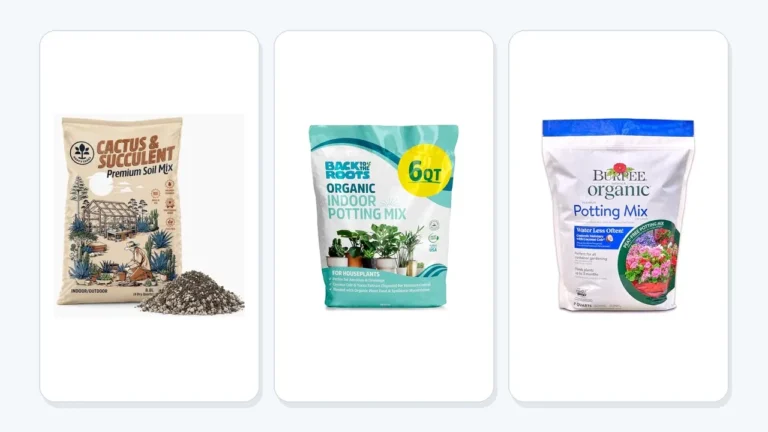
Back to the Roots Organic Succulent and
A six-quart blend with perlite and horticultural sand drains quickly, suiting aloe owners who pot several succulents.
Top 5 Soils for Aloe Vera in Pots at a Glance
Start with Gardenera if you want a small bag labeled for aloe and an ingredient list that includes bark, perlite, and coconut coir. Back to the Roots offers more mix for a group of succulents, while the remaining choices range from a one-quart aloe blend to a four-quart mix with plant food.
| Product image | Product name | Check product |
|---|---|---|
| 1 |
GARDENERA Premium Aloe Vera Potting Soil Mix | Check Price |
| 2 |
Back to the Roots Organic Succulent and | Check Price |
3 |
Doter Aloe Vera Potting Soil Mix 1qt, | Check Price |
4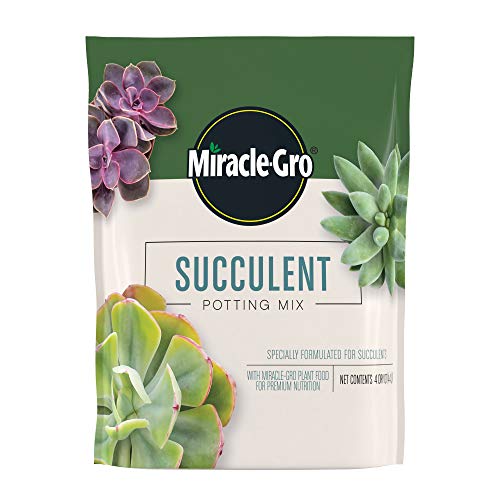 |
Miracle-Gro Succulent Potting Mix, 4 qt. | Check Price |
5 |
Novaterra Aloe Vera Potting Soil Mix for | Check Price |
5 Best Soils for Aloe Vera in Pots: Detailed Reviews
When I chose the best soil for aloe vera in pots, I paid attention first to drainage ingredients, because aloe roots can suffer when water lingers. I also weighed bag size and plant-specific labeling, so a beginner can avoid buying far more mix than one pot needs or guessing whether the blend suits aloe.
The range here includes small aloe-specific bags and larger mixes intended for succulents and cacti. Looking at the ingredients and volume side by side makes it easier to decide whether you need a simple repotting amount, a bag for a few plants, or a blend that includes plant food.
1. GARDENERA Premium Aloe Vera Potting Soil Mix
Perlite, bark, and coconut coir make a quick-draining blend for aloe growers who want a small, ready-mixed bag.
- Size1 Quart Bag
- ColorAloe Vera Potting Mix
- WeightNot listed; check details
- DimensionsNot listed; check details
Gardenera Aloe Mix is a small, aloe-specific potting blend for someone repotting one plant or topping up a small container. The mix lists New Zealand bark, peat moss, perlite, and coconut coir, so it combines chunky material with finer ingredients rather than relying on ordinary, dense garden soil.
Perlite is a light, porous material mixed into soil to leave air spaces and help water move through. Gardenera says its blend includes extra perlite for drainage and root development, which matters if you tend to water before the lower soil has dried.
Bark adds larger pieces to the mix, while coconut coir can help retain some moisture. That balance is useful for a beginner: aloe needs the excess water to escape, but a pot still needs some moisture around its roots between waterings. The listing identifies the bag as one quart, so check the pot dimensions before buying if you are filling a large container.
The product description also says the blend is made in the USA and approved for organic growing. That wording does not tell you every detail about how the mix performs in your home, so pay attention to how quickly your own pot drains and dries.
Pros:
- Aloe-specific blend, so the intended plant is clear.
- Extra perlite, helping excess water move through.
- Bark adds a coarser texture to the mix.
- Coconut coir, offering some moisture retention.
- One-quart bag, handy for a small repot.
Cons:
- One quart may not fill a larger pot.
- The ingredient list does not give exact ingredient proportions.
- Check the pot’s volume before choosing this small bag.
Buy it if: you’re repotting one aloe, because the aloe-specific blend comes in a compact one-quart bag.
Skip it if: you need to fill several large pots, because this one-quart bag may not stretch far enough, and a larger bag would suit you better. For another fit, consider Back or Doter.
I’d pick Gardenera when a small, aloe-focused bag is more useful than a large supply for a plant collection. The listed bark, perlite, and coir give you a clear sense of the blend’s structure, and the extra perlite is a sensible feature for drainage-minded aloe care. Before buying, check whether one quart is enough for your pot, since root-ball size changes how much mix you need.
This is the most straightforward fit for a single aloe repot.
2. Back to the Roots Organic Succulent and
A six-quart blend with perlite and horticultural sand drains quickly, suiting aloe owners who pot several succulents.
- Size6 Quart
- ColorSucculent & Cacti Mix
- WeightNot listed; check details
- DimensionsNot listed; check details
Back to the Roots Succulent Mix suits an aloe owner who also has cacti or other succulents and wants a larger shared bag of soil. The six-quart mix includes aged bark, perlite, and horticultural sand, ingredients chosen to create a more open structure than a fine, tightly packed potting mix.
Horticultural sand is a coarse sand used in growing mixes to make the blend less dense and help water pass through. Here, it works alongside perlite, which creates air spaces, while aged bark helps the soil structure stay more open. That combination is useful if you want to pot several plants without mixing your own components.
The package is labeled for succulents and cacti, rather than aloe alone, so it can be shared across a small collection. The larger quantity can also mean leftover soil after a single repot, so plan for a place to keep the opened bag dry and closed. The feature list does not give ingredient proportions, so the exact texture may be worth checking before you buy if you have a specific preference.
Pros:
- Six-quart bag, useful for several small pots.
- Perlite and sand, supporting quicker drainage.
- Aged bark, adding structure and airflow.
- Labeled for succulents and cacti, including aloe.
- Peat-free description, useful if that matters to you.
Cons:**
- More mix than a single small aloe pot may need.
- The listed information does not state ingredient proportions.
- Store extra soil carefully after opening.
Buy it if: you’re potting aloe alongside other succulents, because the six-quart bag serves a wider set of plants.
Skip it if: you only need a little soil for one small pot, because six quarts may leave a lot unused, and a smaller aloe mix would suit you better. Gardenera and Doter are worth a closer look instead.
What I like here is the practical bag size for someone caring for more than one succulent. The mix names perlite, sand, and aged bark, so you can see why it is aimed at drainage and a more open soil structure. Check the bag volume and ingredient details before ordering, especially if you have one plant and nowhere to store leftovers.
This is the sensible choice for a small group of aloe, cactus, or other succulent pots.
3. Doter Aloe Vera Potting Soil Mix 1qt,
The catalog lists 【Specialized Blend】Our Aloe Vera Soil is expertly formulated to meet the unique needs of Aloe Vera plants, ens. Compare fit and care needs before choosing.
- Size1qt
- Colorblack
- WeightNot listed; check details
- DimensionsNot listed; check details
Doter Aloe Soil is a one-quart blend for a grower who wants soil labeled specifically for aloe vera and prefers a ready-to-use option. Its description calls out drainage, aeration, nutrients, and balanced pH, though it does not list the ingredients that create those qualities.
Aeration means allowing air to move through the spaces around a plant’s roots. The Doter description says the blend promotes root aeration, which is useful because roots need more than wet soil pressed tightly around them. The maker also describes the mix as well-draining, a feature intended to help prevent waterlogging.
The claimed nutrient content and balanced pH may sound reassuring, but the description does not provide specific ingredient amounts or a pH number. For a beginner, that means checking the bag details if you want to know what the blend contains before use. The one-quart size is convenient for a small aloe, but it may not cover a roomy pot or several plants.
Pros:
- Aloe-specific labeling, making its intended use clear.
- One-quart size, suited to a small repot.
- Described as well-draining, which supports drier roots.
- Aeration is a stated feature of the blend.
- Ready to use, with no separate mixing step.
Cons:**
- Ingredient list is not specified in the available details.
- No numerical pH value is given.
- One quart may be too little for multiple pots.
Buy it if: you want a small, ready-to-use aloe blend, because the one-quart size is manageable for a single plant.
Skip it if: you want to choose a mix by its exact ingredients, because the listed details don’t name them, and an ingredient-specific blend would suit you better. If those trade-offs rule it out, Gardenera or Back may suit you better.
I’d consider Doter when plant-specific labeling and a small bag matter more to you than knowing every component in the blend. Its description names drainage and aeration as goals, though those claims do not replace checking how the mix behaves in your pot. Before buying, look for an ingredient list and a stated pH if those details affect your decision.
This choice fits a beginner who wants a small aloe-labeled bag and is comfortable verifying the finer details.
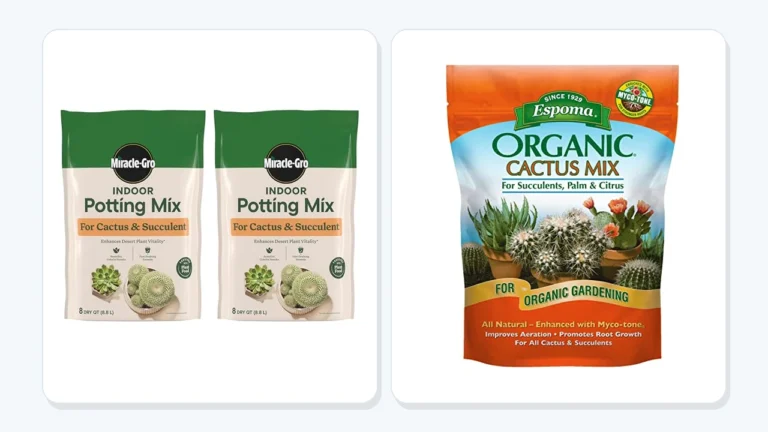
4. Miracle-Gro Succulent Potting Mix, 4 qt.
The catalog lists PLANT TYPES: Use this succulent soil mix with indoor succulent plants, including aloe vera, cacti, echeverias. Compare fit and care needs before choosing.
- Size1 Pack
- Color4 qt
- COVERAGEOne 4 qt. bag of Miracle-Gro Succulent Soil Potting Mix fills one 8-inch container; amounts vary based on the size
- WeightNot listed; check details
Miracle-Gro Succulent Mix is a four-quart blend for indoor aloe and other succulents, including cacti and echeverias. It combines sphagnum peat moss, processed forest products, and Miracle-Gro plant food, making it the pick here with a stated plant-food addition.
Sphagnum peat moss is a fibrous growing material that can hold moisture in a potting blend. That can help keep some water available to roots, but aloe growers still need to let the soil dry between waterings and use a pot with a drainage hole. The other listed components are processed forest products and plant food, so this mix offers a different recipe from the blends that name sand or extra perlite.
The maker says a four-quart bag fills one eight-inch container, with the actual amount changing based on the size of the root ball. That estimate helps with planning, though it is not a promise that every eight-inch pot takes exactly the same amount. Read the package directions for planting, and be especially careful not to treat the presence of plant food as a reason to water more often.
Pros:
- Four-quart bag, with an eight-inch container estimate.
- Named for indoor succulents, aloe included.
- Plant food is part of the stated blend.
- Peat moss and processed forest products are identified.
- Planting directions describe filling and positioning the plant.
Cons:**
- Peat moss can hold moisture, so watering discipline matters.
- The details do not state ingredient proportions.
- The bag’s volume may exceed what a small aloe needs.
Buy it if: you want a succulent blend with plant food, because this four-quart mix names that addition and gives a container estimate.
Skip it if: you prefer to avoid a blend containing peat moss, because this mix lists sphagnum peat, and a different ingredient profile would suit you better.
I’d put Miracle-Gro on the list for a beginner who wants a familiar, multi-succulent mix and likes having a rough pot-size estimate. The plant food is a clear difference, while the peat moss means you should pay attention to drying time rather than follow a fixed watering schedule. Check the package directions and how the amount fits your actual root ball before potting.
This mix is for someone who wants one bag for indoor aloe and other listed succulents.
5. Novaterra Aloe Vera Potting Soil Mix for
The catalog lists ALOE VERA & CACTUS SOIL: Premixed, ready-to-use blend formulated for aloe vera, cacti and succulents. Promotes. Compare fit and care needs before choosing.
- Size2.4 Quarts
- ColorAloe Vera Soil
- Number Of Items1
- WeightNot listed; check details
Novaterra Aloe Potting Soil is a ready-to-use blend for aloe, cactus, and other succulents, packaged in a 2.4-quart resealable bag. Its listed ingredients are coarse sand, Canadian peat, and pine bark, giving you more detail about the mix than a description that only names general benefits.
Coarse sand creates a grittier texture, while pine bark adds larger pieces that can keep the mix from feeling as fine and packed as ordinary potting soil. Canadian peat is also part of the blend, so the recipe combines a moisture-holding ingredient with coarser materials. The maker describes the soil as fast-draining while retaining balanced moisture, a combination intended to help aloe roots avoid sitting in excess water.
The resealable package is a useful practical touch if you only use part of the bag at once. Still, keep the bag closed and dry between uses, and check that the 2.4-quart amount suits your container before ordering. The product description says it is premixed, so you do not need to measure separate ingredients before repotting.
Pros:
- 2.4-quart quantity, between the smallest and largest bags here.
- Coarse sand and pine bark are named ingredients.
- Ready to use, with no separate mixing required.
- Resealable bag, making leftover storage simpler.
- Labeled for aloe, cactus, and other succulents.
Cons:**
- Canadian peat is included, so check the full ingredient profile.
- The amount may not cover several larger pots.
- Exact proportions of the ingredients are not listed.
Buy it if: you want a premixed aloe blend with a resealable bag, because the 2.4-quart size is practical for a modest repot.
Skip it if: you need to fill many or unusually large pots, because this bag may not provide enough soil, and a larger-volume mix would suit you better.
To me, the useful point about Novaterra is the balance between a named recipe and a manageable amount. Coarse sand and pine bark help explain the intended texture, and the resealable bag is convenient when a repot uses only part of the mix. Check the ingredient details and your pot’s volume before choosing, since the bag is not as large as the six-quart option.
This is a good fit for a beginner who wants an aloe-ready blend and expects to store some leftovers.
How to Choose the Best Soil for Aloe Vera in Pots
Choose a potting mix that drains freely, fits the size of your container, and matches how you water. The best soil for aloe vera in pots is not simply the bag with the most impressive wording; you need a blend and pot that let extra water escape.
Look for an open, fast-draining texture
A fast-draining mix lets excess water move through the pot instead of collecting around the roots. Ingredients such as perlite, coarse sand, and bark can help create a looser texture than a fine, dense mix, though the exact result depends on the blend and its ingredient proportions.
If you are comparing bags for a group of succulents, a guide to fast-draining succulent soil can help you understand the shared needs and where plant-specific mixes differ. For aloe, look for a blend labeled for aloe, cactus, or succulents, then check the listed ingredients rather than assuming every bag with that label has the same texture.
Match the bag size to the job
Bag size should fit the plant and pot you actually have. A one-quart bag can make sense for a small plant, while a larger bag is more practical for several pots, but the root ball takes up space and changes how much soil you need.
Measure the pot’s width and depth before you shop, and consider whether you are filling it from empty or replacing only part of the soil. If the pot is much larger than the aloe’s root ball, don’t choose it just because the plant may grow; an oversized pot holds more unused soil and can make moisture harder to judge.
Pick a pot with a drainage hole
A drainage hole is an opening at the bottom of the pot that lets extra water flow out. It matters because even a gritty blend cannot drain properly if water has nowhere to go.
Choose a pot with at least one clear hole, and use a saucer only to catch drips. Empty standing water from the saucer rather than letting the pot sit in it. If you are using a decorative pot without a hole, consider keeping the aloe in a smaller nursery pot with drainage and setting that inside the decorative one.
Understand the ingredient trade-offs
Perlite and coarse sand are commonly added to make a mix more open; bark adds coarser pieces, while peat and coir can help retain moisture. These ingredients are not interchangeable, and a bag’s ingredient order or proportions can affect how quickly the soil dries.
If you are unsure, use the ingredient list as a clue, not a guarantee. Pick a mix that identifies what is in it and start with careful watering; the soil should dry before you water again, rather than staying damp for days. A blend containing plant food is a separate consideration, so read its package directions instead of assuming it needs extra fertilizer.
Choose a mix you can manage
Your habits matter as much as the bag. If you tend to water often, favor a more open mix and a pot with a drainage hole, then wait for the soil to dry before watering again.
If you sometimes forget to water, a little moisture retention may be useful, but do not try to fix forgetfulness with a larger pot or permanently wet soil. For a beginner, a manageable pot and a consistent check of the soil are easier than trying to correct a mix that stays wet too long.
Keep aloe soil separate from vegetable mixes
A mix made for container vegetables may be designed around plants that need different moisture and feeding routines. Aloe is a succulent, so do not assume that a vegetable blend is the right choice just because both products are called potting soil.
If you grow food in pots as well, see what matters in potting soil for container vegetables before using one bag for every plant. For aloe, choose by drainage, pot fit, and the ingredients listed for the succulent blend.
How to Use Aloe Vera Potting Soil for the Best Results
Start with a pot that drains, use enough fresh mix to support the roots, and water only after checking whether the soil has dried. Good soil helps, but the way you pot and water your aloe determines whether that blend can do its job.
- Choose a suitable pot. Use a container with a drainage hole and enough room for the roots, without jumping to a pot far larger than the root ball.
- Protect your work surface. Spread newspaper or a tray under the pot before opening the soil bag; dry potting mix has a gift for traveling farther than expected.
- Check the roots. Ease the aloe from its old pot and look for roots that are loose or damaged. Handle the plant gently, and avoid pulling hard on its leaves.
- Add a base layer. Put enough fresh mix in the bottom so the top of the plant will sit at a similar height to before. The roots should rest in the soil rather than being forced against the pot base.
- Set the aloe in place. Center the root ball, then fill around it with mix. Keep the leaves and the plant’s base above the soil line, and do not pack the soil down hard.
- Check for gaps. Tap the pot lightly so the mix settles around the roots, then add a little more if needed. Leave room at the rim for watering without spilling soil over the edge.
- Water thoughtfully. Follow the soil and plant-care directions for your situation, and allow excess water to drain away. Do not keep adding water just because the top layer looks dry; check below the surface first.
One practical point: a tall pot can tempt you to buy much more mix than the aloe needs. If you are filling an oversized container, guidance on using less soil in large containers may help you plan the fill without wasting a large bag, but keep the aloe in a pot sized for its roots rather than choosing a giant container for convenience.
After potting, place the plant where it gets the light it is used to, and watch how quickly the soil dries. A change in pot material, room temperature, or light can affect drying time, so treat your first few waterings as a chance to learn the new pot’s rhythm. Avoid a rigid calendar; the soil’s condition is a more useful guide than a date on your phone.
How to Make Your Aloe Vera Potting Soil Last Longer
Keep unused mix dry, covered, and free of old roots or plant debris. Soil stored wet or open can become messy and harder to handle, while a clean, closed bag is easier to use for the next repot.
After opening a bag, press excess air from it and reseal it if the packaging allows. If the bag does not close securely, move the remaining mix to a clean container with a lid, and mark the container so you do not mistake it for another growing material. Store it somewhere dry and out of the way of rain or spills.
Use a clean scoop rather than digging into the bag with a tool covered in old soil. That keeps leftover mix from collecting dead roots, leaves, or damp clumps. If the mix gets soaked during storage, smells unusual, or contains debris you cannot identify, do not automatically use it on a sensitive plant; check the package guidance and decide whether it is still suitable.
Aloe soil in an active pot does not last forever. Over time, organic ingredients can break down and the mix may become more compact, which makes it harder for water and air to move through. Check the surface and drainage whenever you water, and consider refreshing the mix when you repot or when it no longer drains and dries as expected.
Do not add fertilizer to a blend that already includes plant food without reading the package directions. Too much fertilizer can stress a plant, and a scheduled feeding routine is not automatically needed just because a new pot has been filled. Keep the bag label or take a clear photo of its instructions so you can check them later.
Common Mistakes to Avoid When Buying and Using Aloe Soil
Beginners often focus on the word “aloe” on the bag and overlook the pot, the ingredients, or their watering habits. A few small checks can prevent the most common problems before you get soil on the floor.
- Using a pot without a drainage hole: excess water has no easy way out. Choose a draining pot or use a nursery pot inside the decorative container.
- Buying a much larger pot than the roots need: extra soil can stay wet longer than the root ball. Match the container more closely to the plant’s current roots.
- Watering by the calendar: the same schedule will not fit every room or season. Check the soil before adding water.
- Assuming every succulent mix has the same recipe: ingredients and textures differ. Read the bag and look for the components that matter to you.
- Pressing the soil down firmly: tightly packed mix leaves less room for air and water movement. Settle it gently around the roots instead.
- Leaving the pot in water collected in its saucer: the bottom soil can stay wet. Empty the saucer after watering.
- Buying more than you can store: a partly used bag can spill or get damp. Choose a quantity that suits your repotting plans and storage space.
A common mix-up is using the same soil for aloe and every edible plant in the house. Tomatoes in containers may need a different balance of water and nutrients, so compare the guidance for tomato potting soil before deciding one blend should serve both jobs. Soil choice should follow the plant, not just the size of the bag.
It is also easy to confuse potting soil with outdoor garden soil. Garden soil can be dense in a container and may not drain like a purpose-made potting blend. If the package does not clearly identify the intended use, check the details before filling an indoor pot.
How to Set Up a Pot for Aloe Vera
A careful setup gives the roots a good start and makes the first watering easier to manage. You do not need special equipment, but checking the pot, soil, and root position before you begin can save you from having to redo the job.
- Check the container. Confirm that the pot has an open drainage hole, and clear away any old soil blocking it.
- Choose the right size. Compare the pot with the aloe’s root ball; avoid moving a small plant into a container with a lot of unused space.
- Open and inspect the mix. Check the package instructions and make sure the soil is ready to use. Break up clumps gently rather than crushing the texture.
- Cover the work area. Set out the pot, soil, a scoop, and a tray or newspaper before removing the aloe from its old container.
- Position the plant. Place the root ball centrally and keep the plant’s base at about its previous soil level. Burying the leaves or base can trap moisture where you do not want it.
- Fill around the roots. Add soil in small amounts and tap the pot gently to settle it. Do not push down hard to make room for more.
- Finish with a drainage check. Water according to the package and care directions, then make sure extra water can leave the pot. Empty the saucer once the dripping stops.
If the aloe leans after potting, add a little more mix around the roots and settle it gently rather than packing the entire pot tight. If the plant is unstable because the container is too large, choose a better-sized pot at the next opportunity instead of trying to solve the problem with a deep layer of extra soil.
When repotting a plant that has been in the same container for a while, remove old loose soil without tugging at the roots. A clean pot and fresh mix make it easier to judge watering again, but avoid changing the pot, location, and watering routine all at once if you can help it. One change at a time makes the plant’s response easier to read.
Common Questions About Soil for Aloe Vera in Pots
Can I use regular potting soil for aloe vera?
Regular potting soil may hold more moisture than aloe needs, depending on its ingredients and texture. If you use it, check that the pot has a drainage hole and watch how long the soil stays damp. A mix labeled for succulents or aloe is a clearer starting point for beginners, but ingredient details still matter.
What type of soil drains best for aloe vera?
A loose mix with drainage ingredients such as perlite, coarse sand, or bark is a useful place to start. The exact blend and pot both affect how quickly water leaves the soil. Choose a container with an open drainage hole, then check the mix after watering rather than relying only on the label.
How much soil does an aloe vera plant need?
The amount depends on the pot’s size and how much space the root ball takes up. A small plant may need only a modest amount, while a larger container needs more. Check the bag’s volume and measure your pot before buying; container dimensions and roots make a fixed estimate unreliable.
Should I add sand or perlite to aloe potting soil?
You may not need to add either if the mix already has the texture and drainage ingredients you want. Adding material changes the blend, and the right amount depends on what is already in the bag. Read the ingredient list first, and avoid guessing at proportions if you are new to mixing soil.
How often should I water aloe in a pot?
Water when the soil has dried rather than following a fixed weekly schedule. Drying time can change with the pot, room, light, and season, so check the soil before watering. Let excess water drain away, and do not leave the pot sitting in a saucer full of water.
Can I use tomato potting soil for aloe vera?
A tomato mix is made for a different type of plant and may not suit aloe’s preference for a quick-draining, less consistently moist root zone. Review soil for tomatoes in pots for the needs of that crop, and choose an aloe or succulent blend for your aloe unless the tomato mix’s ingredients clearly fit your care setup.
Make Your Pot and Soil Choice Before You Repot
Before buying, measure your pot, check that it drains, and choose a bag size you can use or store. If the ingredients and amount fit your aloe and your watering habits, you have a sensible starting point; let the soil dry between waterings and adjust based on what you see.

I’m Maya L. Greenwood, a lifelong plant lover who believes anyone can grow something beautiful with the right guidance. After years of testing soil mixes, pruning methods, irrigation tricks, and pest-safe solutions, I started EasyGardenTips.com to turn hard-won lessons into step-by-step advice. From seed starting and container gardens to composting and seasonal checklists, my goal is to make gardening simple, sustainable, and fun.

One Comment