Tropical Soil vs Potting Soil: Which Mix Do Your Plants Prefer?
Tropical plants usually do best in a potting mix that holds some moisture but still drains and breathes well. “Tropical soil” often means a specialty mix made for those needs, while standard potting soil can work if its texture and ingredients suit the plant.
Are your leaves going limp even though the soil feels wet, or is water racing straight through the pot? Those clues can point to a mix that holds too much water or dries too fast.
I once used a dense, moisture-holding mix for a tropical houseplant because the bag sounded reassuringly rich. The pot stayed heavy, and the roots didn’t get the airflow they needed; this is a common mistake, not a dumb one.
I wrote this to help you sort out the labels, ingredients, and care needs without buying a different bag for every plant on your shelf. The right mix can make watering easier and help roots stay healthy, while a poor match can leave you dealing with soggy soil, stalled growth, or a plant that dries out by lunchtime.
You’ll have a clearer idea of how to choose a mix for your plant, spot trouble in the pot, and adjust a bagged blend without turning potting day into a science project. This article takes about 10 minutes to read.
Here’s what you’ll be able to do:
- Tell what a tropical mix label usually means.
- Choose a mix based on your plant and growing conditions.
- Adjust soil that drains too slowly or dries too quickly.
- Avoid common potting mistakes that stress roots.
Tropical Soil vs Potting Soil: Which Mix Fits Your Plant?
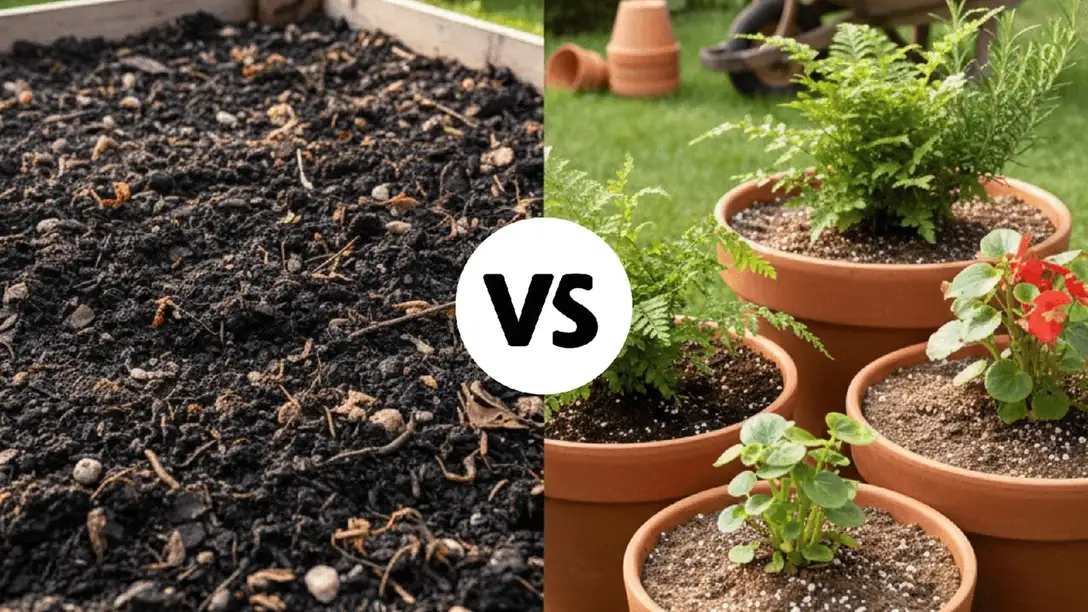
Tropical soil is usually a potting mix tailored for plants that need a balance of moisture, drainage, and root airflow; regular potting soil is a broader category. Read the ingredients and judge the mix by how it behaves in your pot, not just by the name on the bag.
Most bagged products labeled potting soil are soilless mixes, meaning they’re made mostly from materials such as peat, coir, bark, perlite, or compost rather than garden soil. The recipe varies by brand. A tropical blend may add larger bark pieces or more perlite to create extra air spaces, while another may hold more water.
“Tropical soil” isn’t a single regulated recipe. One brand’s tropical blend might be airy and bark-heavy, while another feels much like standard potting mix. Your plant’s needs, the size of the pot, your home’s humidity, and how often you water all affect whether a mix works.
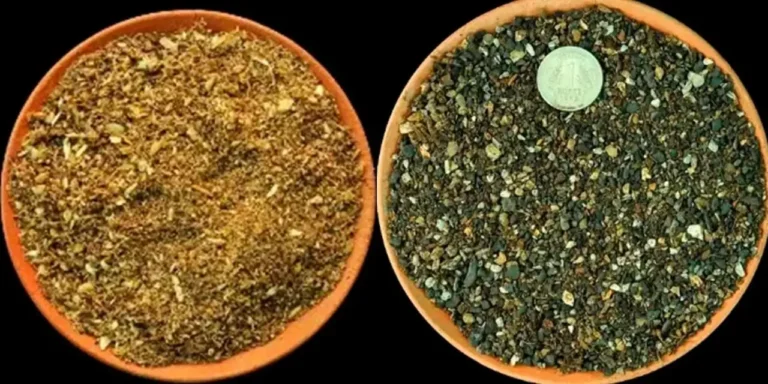
A practical way to judge the difference is to pick up a handful of each mix. If the mix feels dense and packs into a tight lump when damp, it may stay wet longer. If it has visible bark or perlite and crumbles easily, water and air can move through it more freely.
| Mix type | Common ingredients | Typical feel and behavior | Often suits |
|---|---|---|---|
| Standard potting mix | Peat or coir, perlite, compost, sometimes bark | Fine to medium texture; moisture retention varies | Many houseplants and container plants |
| Tropical potting mix | Often bark, perlite, coir, peat, or compost | Commonly chunkier or airier, but recipes differ | Tropical plants that need both moisture and root airflow |
| Cactus or succulent mix | Often mineral grit, sand, perlite, or bark | Drains quickly and holds less water | Plants adapted to drier roots |
| Garden soil | Mineral soil, organic matter, and natural particles | Dense in a pot; can drain poorly or compact | Outdoor beds, not most indoor containers |
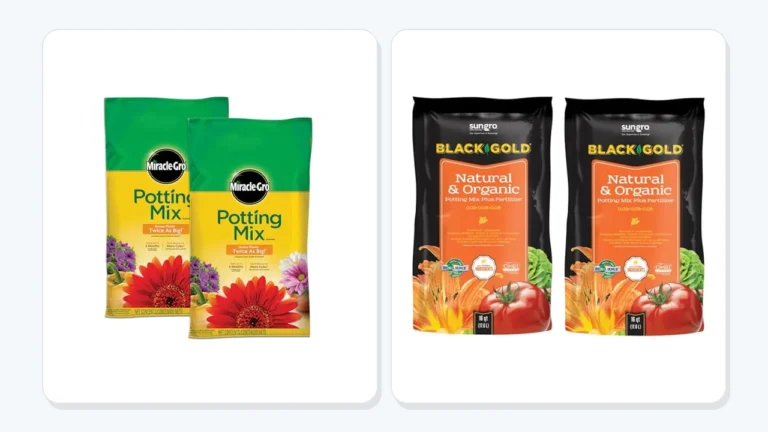
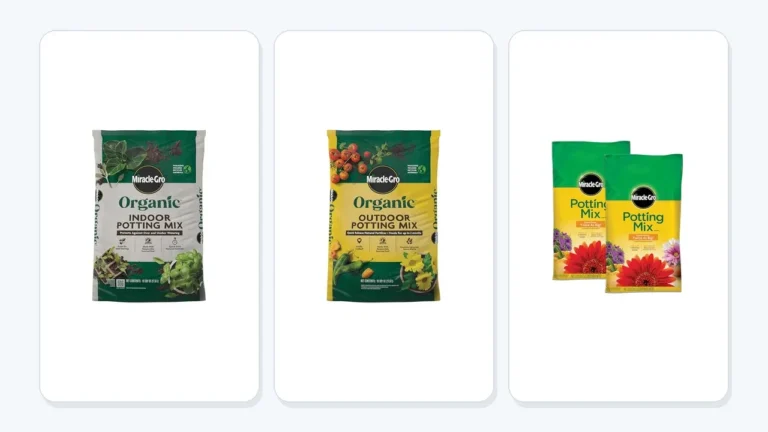
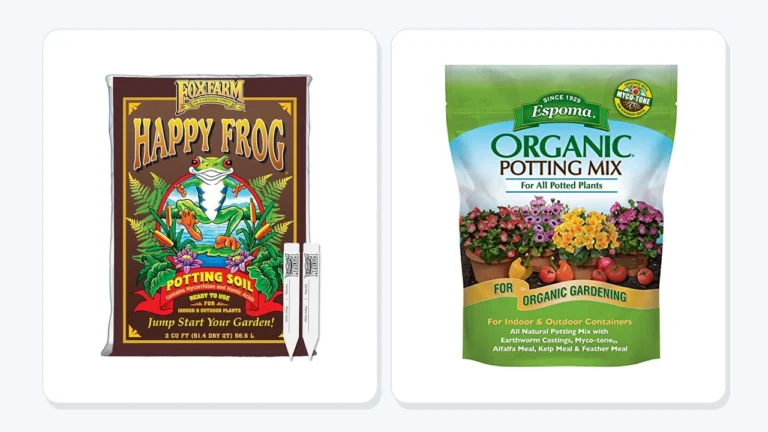
For many common houseplants, start with a quality potting mix and adjust only if it stays wet too long or dries too fast. If you’re comparing bags for a range of foliage plants, a purpose-made potting mix for tropical plants may be a handy starting point, but check the texture rather than assuming the word tropical guarantees a good fit.
The main thing is root-zone airflow: the small spaces around roots where air and water move. A mix that stays waterlogged can crowd out oxygen, while an overly coarse mix may leave roots thirsty. Tropical plants don’t all want the same balance, so “tropical” doesn’t automatically mean “keep it wet.”
Match the mix to the plant
Plant type gives you a better starting point than the marketing on the bag. Many tropical foliage plants, such as monstera and philodendron, appreciate a mix that drains freely while holding some moisture.
Some tropical plants need a different setup. Bromeliads often grow in a loose, airy medium, while hibiscus generally wants a mix that stays evenly moist without sitting in water. Pineapple, a tropical plant with succulent-like leaves, also prefers a mix that drains well.
That’s why one tropical blend won’t suit every plant on your windowsill. If a bag is very fine and holds water for days in your cool, low-light room, it may be a poor match even if its label sounds right.
Choose a potting mix for your growing conditions
The same mix can behave differently in two homes. A plant in a small clay pot near a sunny window will often dry faster than one in a large plastic pot in a dim corner.
Pot size matters because a large volume of damp mix around a small root system can take a long time to dry. Drainage holes matter too: a pot without them makes it much harder for excess water to escape, whatever mix you choose.
Pro Tip: If a bagged mix feels heavy and compact, mix in a modest amount of perlite or fine orchid bark, then check how the pot dries before changing the recipe again. A small adjustment is easier to judge than a dramatic overhaul.
How to Choose and Adjust a Mix
Choose a mix by checking the plant’s water needs, the mix’s texture, and the conditions where the pot will sit. Start with a suitable bagged blend, then make a small change if the pot repeatedly stays soggy or dries out too quickly.
You don’t need a complicated ingredient list to make a good choice. Start with these steps:
- Check the plant’s needs. Look for clues about whether it prefers evenly moist soil, a fast-draining mix, or a loose medium around its roots.
- Read the bag. Check for bark, perlite, coir, peat, compost, and any directions about the plants the mix suits.
- Check the pot. Make sure it has drainage holes and isn’t much larger than the plant’s root ball.
- Test the mix when damp. A handful should hold together lightly, then break apart with a gentle touch. A hard, sticky lump may be too dense for many indoor tropical plants.
- Adjust a little at a time. Add perlite or bark if the mix is too dense, or use more moisture-holding mix if the pot dries unusually fast.
- Watch the pot after watering. Note how quickly water drains and how long the mix stays damp before watering again.
For hibiscus in a container, look for a mix that drains well but doesn’t dry out too sharply between waterings. A bag described as a mix for tropical hibiscus can help narrow your options, but a plant in a hot, sunny spot may need more frequent watering than one in cooler conditions.
Pineapple also needs a mix that doesn’t leave its roots sitting wet. A potting mix for pineapple should let excess water drain, and the container should have holes at the bottom; a decorative outer pot can trap runoff if you forget to empty it.
Bromeliads are a good reminder that tropical plants don’t all need the same potting medium. Many bromeliads prefer a light, open mix around their roots, so a loose bromeliad mix may suit them better than a dense blend meant to hold lots of water.
I once made the mistake of changing a plant’s mix and watering routine at the same time. When the plant looked worse, I couldn’t tell which change caused the trouble, so now I adjust one thing and watch how the pot responds.
When a standard potting mix is enough
A standard potting mix can work well for tropical plants if it drains at a pace that suits the plant and your care routine. If the mix has a fine texture, you can often improve airflow by adding perlite or bark instead of replacing the whole bag.
Don’t add amendments by habit. Perlite and bark can help a dense mix drain more freely, but too much coarse material may make a small pot dry faster than you expect. A plant that likes evenly moist roots may struggle if water runs through without wetting the mix evenly.
If a plant’s roots are tightly packed, moving it to a new pot may help more than changing soil recipes. Choose a pot only a little larger than the root ball, since extra unused mix can stay wet around the roots.
Tropical mixes and succulent mixes aren’t interchangeable
Some tropical plants need a loose, quick-draining mix, but that doesn’t make them succulents. The useful comparison in succulent soil versus potting soil is how much moisture each mix holds and how quickly it releases it, not simply whether one has more grit.
A succulent mix may drain too quickly for a tropical plant that needs steady moisture. On the other hand, a fine potting mix that stays wet for too long can be a bad fit for a plant that needs its roots to dry between waterings.
Important Tip: Don’t use garden soil as a quick fix for indoor pots. Garden soil can become dense in a container, and its structure may make drainage and airflow harder to manage.
Signs Your Mix Needs Attention
A potting mix needs attention when it repeatedly stays soaked, sheds water without wetting evenly, or becomes compacted around the roots. Check the mix and the plant’s conditions before assuming the bag is the only problem.
A plant with yellowing leaves doesn’t automatically need a new soil blend. Overwatering, low light, a pot that’s too large, or blocked drainage holes can all leave roots stressed. Check the pot and the way you water before you repot.
| What you notice | Possible cause | A sensible next step |
|---|---|---|
| Mix stays wet for several days | Dense mix, oversized pot, low light, or frequent watering | Check drainage holes and let the mix dry to the plant’s needs before watering |
| Water runs down the pot’s edge | Very dry, shrunken mix or uneven wetting | Water slowly and evenly; consider refreshing a mix that has become hard to rewet |
| Mix feels packed and heavy | Fine particles or breakdown over time | Check root health and consider a modest amount of perlite or bark |
| Plant wilts while mix is damp | Root stress or another care issue | Check drainage and roots instead of adding more water |
| Pot dries very quickly | Small pot, warm conditions, coarse mix, or strong light | Check the root ball and watering frequency before adding moisture-holding material |
A mix can change as it ages. Organic ingredients break down, and repeated watering can settle fine particles into air spaces. If the mix has become compacted and water no longer moves through it normally, repotting into fresh mix may be more useful than adding amendments on top.
When you repot, handle roots gently and remove only roots that are clearly dead or mushy. If roots smell sour or feel soft, the plant may have been sitting in wet conditions; let healthy roots guide your next step rather than burying the problem in fresh mix.
Do you need to repot just because a plant has been in the same soil for a while? No, not if the mix drains well, the plant is growing, and roots aren’t crowding the pot. A calendar alone isn’t a good reason to disturb healthy roots.
For a more reliable read on watering, check the mix below the surface with a finger or a wooden stick. The top can feel dry while the lower part of the pot remains damp, especially in a deep container.
Pro Tip: If you’re unsure whether the pot is drying, lift it before and after watering. A heavy pot often tells you more than the dry-looking surface.
FAQs About Tropical Soil vs Potting Soil
Is tropical soil the same as potting soil?
No, tropical soil is usually a type of potting mix sold for tropical plants, while potting soil is a broad product category. Tropical blends may be airier or chunkier, but recipes vary by brand. Check the ingredients and drainage behavior instead of treating the label as a guarantee.
Can I use regular potting soil for tropical plants?
Yes, regular potting soil can work for many tropical plants if the mix drains well and holds enough moisture for that plant. A dense blend may need a small amount of perlite or bark. Check the plant’s needs and the conditions in your home before changing the recipe.
Can I mix tropical soil with regular potting soil?
Yes, you can blend the two if their textures are compatible and the result still drains well. Start with a small batch rather than mixing every bag at once. If the combined mix becomes compact or stays wet too long, add an airy amendment or choose a different base.
Does tropical soil need fertilizer?
Not always. Some bagged mixes contain fertilizer, while others don’t, and the label should say what’s included. Too much fertilizer can harm roots, so don’t add more until you know whether the mix already contains nutrients and what the plant’s feeding needs are.
How often should I replace tropical potting soil?
There isn’t one schedule that fits every tropical plant. Replace or refresh the mix when it has compacted, drains poorly, or no longer wets evenly, or when repotting is needed. A healthy plant in a functional mix doesn’t need fresh soil just because a certain amount of time has passed.
Choose the Mix Your Plant Can Live With
The best choice isn’t automatically the bag with “tropical” printed in large letters. It’s the mix that gives your plant the right balance of moisture and air in the pot you’re using, under the conditions you actually have at home.
I’d start with a suitable potting mix, check its texture, and make one small adjustment only if the plant’s needs call for it. That keeps the guesswork manageable and makes it easier to tell what’s helping.
Your clearest next step is to check the drainage holes, feel the mix when damp, and match its texture to your plant’s needs. If the soil stays soggy or dries too quickly, adjust the mix or watering routine before making a bigger change.

I’m Maya L. Greenwood, a lifelong plant lover who believes anyone can grow something beautiful with the right guidance. After years of testing soil mixes, pruning methods, irrigation tricks, and pest-safe solutions, I started EasyGardenTips.com to turn hard-won lessons into step-by-step advice. From seed starting and container gardens to composting and seasonal checklists, my goal is to make gardening simple, sustainable, and fun.