
How to Add More Soil to a Potted Plant Without Harming the Roots
Add fresh potting mix in small amounts, stopping below the pot’s rim and keeping the plant’s crown and stem at their original height. The roots need room to breathe, and the pot needs open space at the top so water can soak in without spilling over.
Has the soil level dropped enough to leave roots exposed, or does water rush down the sides instead of soaking in? Are you worried that adding soil will bury the stem or make the plant worse?
I once topped off a houseplant too quickly, pushing loose mix against the stem until the leaves looked as if they were wearing a little dirt collar. I brushed it away and learned to add soil gradually, but it’s a common mistake, not a dumb one.
I wrote this for anyone who wants to refresh a pot without turning a small fix into a stressful repotting job. You’ll get clear steps for checking the plant, adding the right amount, and knowing when topping up isn’t enough.
Get the soil level right, and you can cover exposed roots, improve the plant’s support, and reduce mess when watering. Add the wrong material or bury too much of the stem, and you can invite rot, poor drainage, or a plant that stays stressed.
Set aside about 9 minutes, and you’ll come away knowing how to:
- Tell whether a pot needs a top-up or a full soil change.
- Add mix around roots without packing it down.
- Keep the crown, drainage holes, and watering space clear.
- Spot common problems before you add more soil.
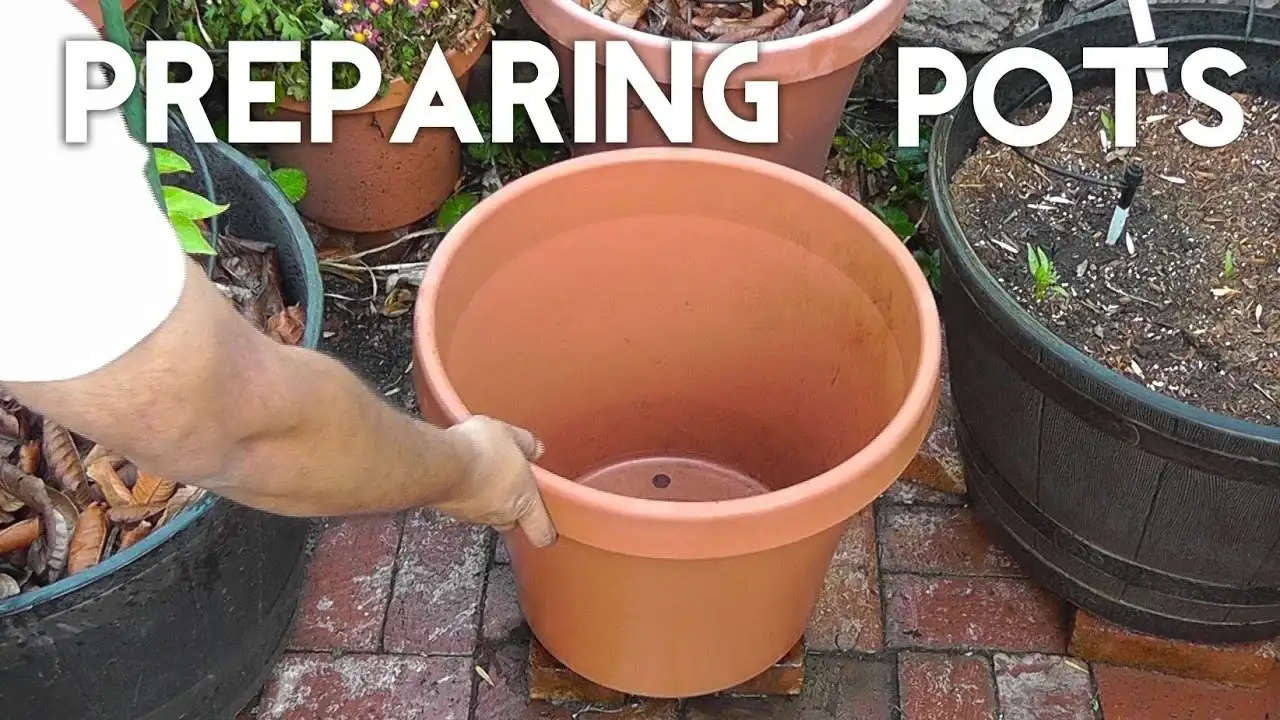
How to Add Soil to a Potted Plant Safely
To add soil safely, use fresh potting mix, add it in thin layers, and stop about ½ to 1 inch below the pot rim. Keep the plant at its current depth, with the point where the stems meet the roots uncovered.
That approach suits a plant with settled or slightly low soil and roots that still look healthy. If the pot is badly compacted, smells sour, or has roots packed into a tight mass, extra soil on top won’t fix what’s happening below.
- Check the plant and pot. Look for exposed roots, a sunken soil surface, or mix that has pulled away from the pot walls. Make sure the pot has drainage holes.
- Loosen the surface gently. Use your fingers or a small scoop to break up only the loose top layer. Don’t jab down where you might hit shallow roots.
- Add a little mix at a time. Sprinkle soil around the outside of the root area, filling low spots rather than piling it against the stem.
- Settle the mix lightly. Tap the pot’s sides or press the surface with your fingertips. Leave the soil loose enough for air and water to move through it.
- Water slowly. Add water until a little drains from the bottom, then let the pot drain fully. If the new mix sinks, add a small amount more while keeping the stem clear.
A settled soil line doesn’t always mean the plant needs more mix. Organic materials break down, and repeated watering can make soil settle lower over time; a thin top-up is usually fine if the mix beneath still drains and smells fresh.
Pick a mix suited to the plant instead of grabbing whatever bag is nearby. Knowing how to use potting soil helps you add the right material in the right way, since garden soil is dense and can hold too much water in a container.
Pro Tip: If the plant’s roots are visible near the surface, cover them lightly rather than burying every root you can see. Some plants naturally grow with shallow roots, and a deep layer of soil can hold moisture against the crown.
How much top-up is enough? You only need to restore the soil surface to a sensible level, not fill the pot to the brim. Leave clear space above the mix so water can sit briefly and soak in instead of washing over the edge.
Choose the Right Mix and Check the Root Zone
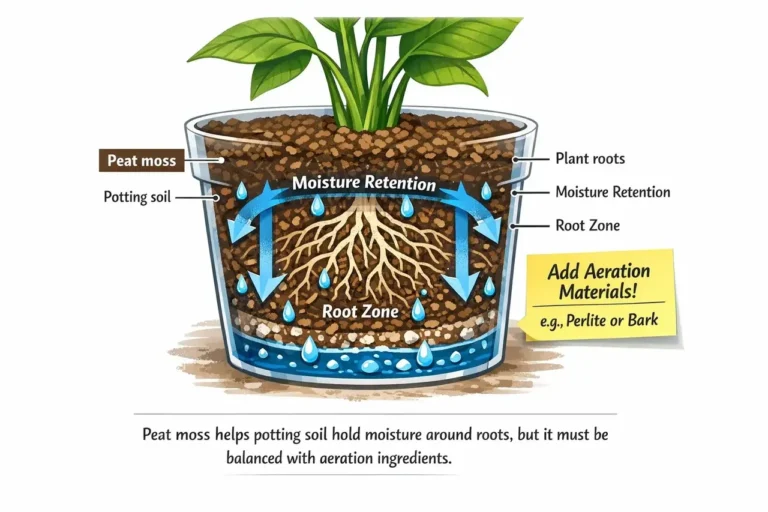
The right soil depends on the plant and the job the pot needs to do. Use a container mix that drains well, holds enough moisture for the plant, and doesn’t collapse into a hard layer after a few waterings.
A potting mix is a lightweight growing medium made for containers, where roots can’t reach into open ground. A mix may include materials such as peat, coir, bark, compost, or perlite, but the useful blend depends on the plant and the growing conditions.
If you’re topping up an existing pot, try to match the texture of the soil already there. Mixing a very fine, moisture-holding material over a coarse, fast-draining mix can create uneven wet and dry areas, much like putting a sponge layer on top of gravel.
For a general houseplant, use a bag labeled for indoor plants or container plants, then check whether your particular plant needs a special blend. Choosing soil for potted plants is easier when you start with drainage, water needs, and plant type instead of a one-size-fits-all promise on a bag.
| What you notice | What it may mean | What to do |
|---|---|---|
| A little soil has settled, and water drains normally | The surface has lowered with use | Add a thin layer of matching potting mix |
| Water runs down the pot edge | The mix may have shrunk away from the sides | Water slowly; add mix only if the level stays low |
| The surface is hard and water pools | The top layer may be compacted | Loosen the surface gently; consider replacing old mix |
| The pot smells sour or stays soggy | The root zone may be too wet or breaking down | Check drainage and roots before topping up |
| Roots form a dense circle at the pot edge | The plant may be root-bound | Repot into a slightly larger pot rather than adding topsoil |
The table is a starting point, not a diagnosis. A plant with yellow leaves might have too much water, too little light, or another problem, so don’t assume extra soil is the answer just because the plant looks unhappy.
If you’re growing vegetables or several kinds of flowers in containers, match the mix to the job. Guidance on potting soil for container gardening can help you compare moisture retention and drainage before you add a different blend to an established pot.
The root zone deserves a quick look if you’re unsure what’s going on. A few roots near the surface are normal; a dense web circling the inside of the pot suggests the plant may need more room, not another layer of soil.
I once kept trying to correct a low soil surface when the real issue was that the mix had become dense and waterlogged. The plant didn’t perk up until I stopped treating the surface and checked the root zone, a useful reminder that a top-up can’t repair a problem underneath.
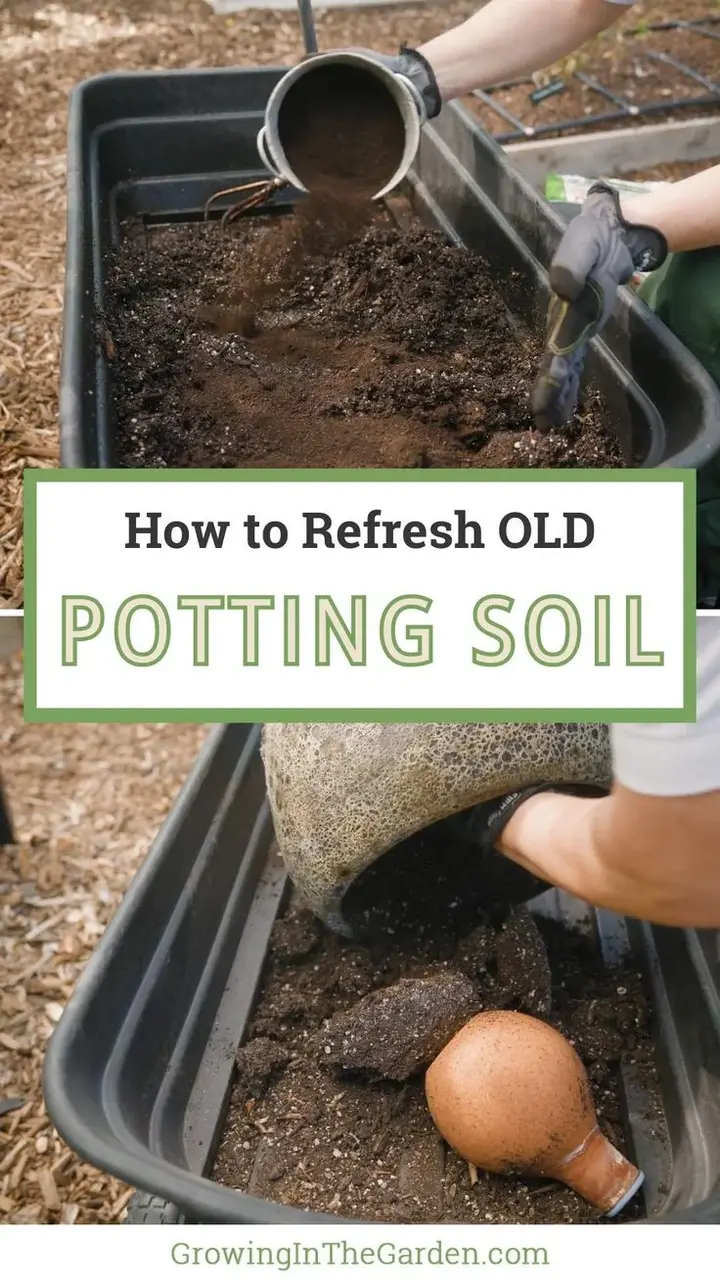
Should you reuse soil that’s already in the pot? Keep it if it’s clean, drains well, and has no signs of pests or decay; replace it if it smells rotten, remains soggy, or has turned into a compacted block. If the whole root area needs fresh mix, follow a full replacement process instead of hiding tired soil under new soil.
A full refresh involves removing the plant, checking the roots, and adding fresh mix around them. The steps for changing soil in potted plants apply when the old mix has broken down or the roots need attention, not just when the soil line has dropped a little.
Add Soil Without Burying Stems or Blocking Drainage
The main risk of topping up is burying plant tissue that needs air. Keep the crown, the point where the stem and roots meet, at the same height it had before you started.
Some plants tolerate a little extra soil around their lower stems, while others are prone to rot if damp mix stays pressed against them. When you don’t know how your plant responds, leave the crown visible and avoid covering the stem.
Use these habits to keep the top-up tidy:
- Hold leaves and stems gently out of the way rather than pulling them.
- Pour or scoop mix around the root area, not over the plant’s center.
- Keep soil below the rim and clear of the drainage holes.
- Avoid pressing down hard to make the pot look fuller.
- Wipe loose mix from leaves and stems before watering.
Important Tip: Don’t put rocks, broken pottery, or other bulky material over the drainage holes to “improve drainage.” Keep the holes open, and use a potting mix suited to containers; a blocked outlet can leave water sitting around the roots.
If the pot is much larger than the plant needs, resist the urge to fill every empty inch with soil just to raise the surface. A large volume of wet mix can stay damp longer than the roots can use it, so select a pot that fits the root mass and provides drainage.
For a deep decorative planter, look into safe ways to use less potting soil rather than filling the entire container with a random filler. Don’t add materials that block drainage or leave the plant sitting in trapped water.
Plant type matters, too. A banana plant, for instance, grows quickly and can use a richer, moisture-holding mix than many drought-tolerant plants; a guide to potting soil for banana plants can help you choose a suitable blend before you top up its pot.
After adding soil, water slowly and watch how the surface responds. If water drains freely and the mix settles only a little, the top-up has likely gone smoothly; if water pools or runs straight out, pause and check whether the soil has become compacted or pulled away from the pot.
A plant that droops after topping up may simply be reacting to handling, but don’t keep adding water to “help” it. Check the moisture an inch or two below the surface with a finger, since a damp top layer can hide a dry root ball, and a wet one can hide poor drainage.
It’s also fine to add no soil at all. If the plant’s crown is already at the right height, the roots are covered, and water drains normally, leave the pot alone; extra mix can reduce the breathing room the plant already has.
- Add fresh potting mix in small amounts and keep the plant at its original depth.
- Leave about ½ to 1 inch of open space below the rim for watering.
- Check drainage and roots before treating a bigger problem with more soil.
- Use a full soil change when old mix is compacted, sour, or persistently soggy.
FAQs About How to Add Soil to a Potted Plant
Can I add new potting soil on top of old soil?
Yes, you can add fresh potting mix over old soil when the existing mix drains well and has no foul smell, pests, or signs of decay. Match the texture as closely as you can, then add a thin layer without burying the crown or pressing the mix hard.
How much soil should I add to a potted plant?
Add only enough to cover exposed roots or bring a sunken surface back to a useful level. Leave about ½ to 1 inch below the pot rim, and keep the plant’s crown at its original height so water has room to soak in.
Can adding soil hurt a potted plant?
Yes, adding too much soil can bury the stem or crown, trap moisture, and reduce air around plant tissue. A thick layer can also keep water from reaching the root ball evenly, so add mix slowly and check how the pot drains afterward.
Should I water a plant after adding soil?
Yes, water slowly after a top-up so the new mix can settle around the existing soil. Stop when a small amount drains from the pot, then empty any water collected in the saucer so the roots aren’t left standing in it.
Should I repot instead of adding more soil?
Repot when roots are tightly circling the pot, the old mix is compacted or sour, or water no longer drains properly. A simple top-up suits a small soil-level drop; it won’t solve a crowded root system or damaged growing medium.
Give the Plant Room to Grow
A small top-up is a simple fix when the soil has settled but the mix and roots are still in good shape. Add a little at a time, protect the crown, and leave enough space at the rim for watering. If the pot stays soggy, smells off, or holds a tight knot of roots, stop adding soil and address the root-zone problem instead.
In my view, the safest approach is the least dramatic one: match the mix, keep the plant at its current depth, and check drainage after watering. The next time you notice a low soil line, inspect the surface and roots before reaching for the bag. That quick check tells you whether a light top-up will help or whether the plant needs a proper soil change.

I’m Maya L. Greenwood, a lifelong plant lover who believes anyone can grow something beautiful with the right guidance. After years of testing soil mixes, pruning methods, irrigation tricks, and pest-safe solutions, I started EasyGardenTips.com to turn hard-won lessons into step-by-step advice. From seed starting and container gardens to composting and seasonal checklists, my goal is to make gardening simple, sustainable, and fun.
One Comment