5 Best Potting Soil for Indoor Ferns: Moist Mixes for Lush Fronds
Buy the wrong potting soil and a fern can dry out between waterings or sit in a soggy pot that never seems to drain. A mix that is too dense makes routine watering harder to judge, while a bag that is much larger than you need can leave you storing leftover soil for months. The right texture matters as much as the plant label.
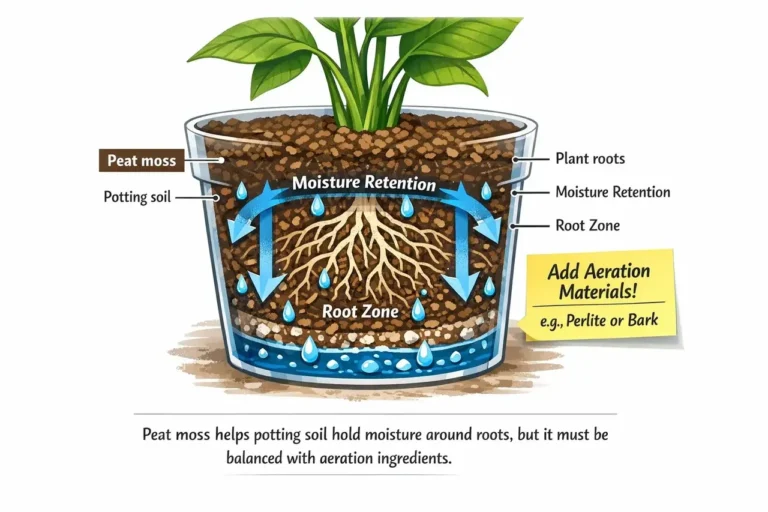
For a fern, aim for soil that stays lightly moist but lets extra water escape through the pot’s drainage holes. The pot matters too: even a suitable mix can stay waterlogged in a container without drainage, while a small, root-bound pot may dry quickly.
Here’s what this guide will help you sort out:
- How moisture retention and drainage work together in a fern pot.
- How much soil you need for one pot or several plants.
- What to check before repotting, watering, or storing an open bag.
- Which mixes suit fern-specific care and which are general indoor blends.
Quick Picks
-
Best For Fern-Specific Blend
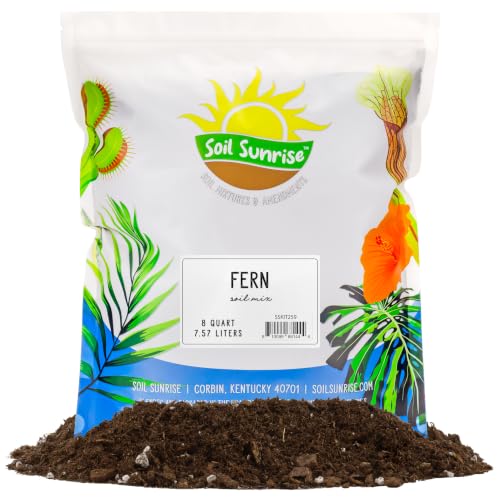
Soil Sunrise Fern Plant Potting Soil Mix
Peat moss, bark, perlite, sand, and charcoal balance moisture and drainage for fern owners who want a dedicated mix.
-
Best For Small Repotting Jobs

Doter Potting Soil Mix for Fern 1qt,
A 1-quart fern mix suits a single small pot or a top-up when you don’t need a full-size bag.
Top 5 Potting Soils for Indoor Ferns at a Glance
Start with a fern-specific blend if you want ingredients chosen around the plant’s usual preference for evenly moist soil. The main differences here are bag size, how clearly the ingredients are described, and whether you want a general indoor mix that can serve other plants too.
| Product image | Product name | Check product |
|---|---|---|
| 1 |
Soil Sunrise Fern Plant Potting Soil Mix | Check Price |
| 2 |
Doter Potting Soil Mix for Fern 1qt, | Check Price |
3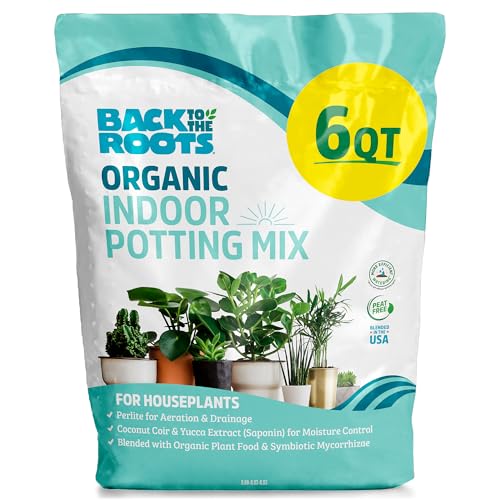 |
Back to the Roots Organic Indoor Potting | Check Price |
4 |
Miracle-Gro Organic Indoor Potting Mix, 16 qt. | Check Price |
5 |
Rosy Soil Houseplant Potting Soil, Organic Indoor | Check Price |
5 Best Potting Soils for Indoor Ferns: Detailed Reviews
When I chose the best potting soil for indoor ferns, I looked at the balance between moisture holding and drainage first, since a fern needs steady moisture but its roots should not sit in standing water. I also paid attention to ingredient details, bag size, and whether each mix is described for ferns or indoor plants more broadly.
The choices range from a fern-focused blend in a larger bag to small quantities and general houseplant mixes with different ingredients. Comparing those details makes it easier to avoid buying a bag that is too large, or choosing soil that does not match how you water and repot.
1. Soil Sunrise Fern Plant Potting Soil Mix
Peat moss, bark, perlite, sand, and charcoal balance moisture and drainage for fern owners who want a dedicated mix.
- Size8 Quarts
- Number Of Items1
- WeightNot listed; check details
- DimensionsNot listed; check details
Soil Sunrise Fern Soil is a fern-focused potting mix for someone repotting a house fern and wanting a blend made with that plant type in mind. Its ingredient list gives you more to judge than a generic “indoor soil” label alone.
The mix contains peat moss, which holds water in the soil so roots can draw on moisture between waterings. Pine bark, perlite, sand, and horticultural charcoal are also listed; these ingredients help create a looser mix with spaces for water and air to move. That combination is useful if you want soil that does not feel like a dense block after watering.
The seller describes the blend as providing drainage, moisture, aeration, nutrients, pH balance, and soil structure. Those are useful aims, but your watering and pot drainage still matter; a soil mix cannot compensate for a pot with no way for excess water to escape. The 8-quart bag is described as enough for a big 12-inch pot, so check the root ball and container size before opening the bag.
Pros:
- Fern-focused blend, so the soil choice matches the plant type.
- Peat moss helps hold moisture between waterings.
- Perlite and sand help keep the mix from feeling dense.
- Bark and charcoal add ingredients beyond basic potting soil.
- 8-quart bag suits a larger repotting job.
Cons:
- A larger bag may leave quite a bit unused for one small fern.
- The listing does not give a precise ingredient ratio.
- You still need a pot with drainage holes.
Buy it if: you’re repotting a fern in a larger container, because the 8-quart fern blend includes ingredients for both moisture retention and drainage.
Skip it if: you only need a little soil for a small plant, because an 8-quart bag may be more than you can use soon, and a smaller potting mix would suit you better. For another fit, consider Doter or Back.
I’d start here if you want a mix intended for ferns rather than a general houseplant blend. The ingredient list makes the moisture-and-drainage goal easy to understand, and the 8-quart size is practical when a full pot needs filling. Check the amount your container needs before buying, since the bag may be a lot for a single small fern.
Soil Sunrise Fern Soil suits someone planning a proper repot in a roomy pot.
2. Doter Potting Soil Mix for Fern 1qt,
A 1-quart fern mix suits a single small pot or a top-up when you don’t need a full-size bag.
- Colorblack
- Size1qt
- WeightNot listed; check details
- DimensionsNot listed; check details
Doter Fern Potting Mix is a small-quantity option for a fern owner who is refreshing one little pot or filling a small container. The listed size is 1 quart, so the main advantage is buying a limited amount rather than committing to a large bag.
The mix is described as holding moisture while also draining well. Permeability means how readily water can move through the soil; in a pot, good movement helps limit water pooling around roots after you water. That matters for a fern because you want damp soil, not a pot that stays saturated.
The seller describes the mix as suitable for ferns and mosses, but the ingredient list is not given in the product details here. You cannot compare its texture or ingredients with a blend that names peat, bark, or perlite, so check the bag details if you need to avoid a particular material. A 1-quart bag is also unlikely to be enough for a large pot.
Pros:
- 1-quart size, so one small repot need not leave a large surplus.
- Described for ferns, matching the intended plant type.
- Moisture retention helps soil stay damp between waterings.
- Drainage is part of the stated mix design.
Cons:
- Ingredient details are not listed here for closer comparison.
- The small quantity may not fill a large container.
- You may need to check texture and contents before choosing.
Buy it if: you’re refreshing a small fern pot, because the 1-quart size offers a limited quantity and the mix is described for ferns.
Skip it if: you need a clearly itemized ingredient blend or several pots’ worth, because those details are not listed here, and a larger, ingredient-specific potting mix would suit you better. Soil and Back are worth a closer look instead.
What I like about Doter Fern Potting Mix is the small bag, since unused soil can take up space and is easy to forget once opened. The stated focus on moisture retention and drainage fits a fern’s basic potting needs. I’d check the current package details for ingredients and coverage before buying, especially if you are particular about what goes into the soil.
This mix is best suited to a small, straightforward repot.
3. Back to the Roots Organic Indoor Potting
The catalog lists Includes 6qt of Back to the Roots Indoor Potting Mix. Our Potting Mix contains organic yucca extract that aids. Compare fit and care needs before choosing.
- Size6 Quart
- ColorIndoor Potting Mix
- Release Date2023-01-01T00:00:01Z
- Number Of Items1
Back to the Roots Indoor Potting Mix is a general indoor blend for someone who keeps ferns alongside other houseplants and wants one bag for several kinds of containers. The product details identify it as peat-free and include 6 quarts.
The mix contains organic yucca extract, which is described as helping soil retain moisture. That can help slow drying between waterings, though you should still check the soil rather than follow a fixed schedule. Ferns in bright, warm, or small pots can dry at a different pace from plants in cooler rooms.
The blend also includes mycorrhizae, beneficial fungi described as supporting root development and nutrient uptake. Dolomitic limestone is listed as a soil-balancing ingredient, and the mix is described as having no bark or compost. The seller says this makes it less prone to indoor gnats and pests, but it is not a promise that pests cannot appear; inspect new soil and keep the pot tidy.
Pros:
- 6-quart bag gives you a moderate amount for indoor pots.
- Peat-free formula suits buyers seeking a mix without peat.
- Yucca extract is included to aid moisture retention.
- Mycorrhizae are included to support root development.
- General indoor use can suit a collection with several plant types.
Cons:
- The blend is not described as fern-specific.
- Its moisture-retention feature still calls for checking the soil before watering.
- “Less prone” to pests does not mean pest-proof.
Buy it if: you grow ferns with other indoor plants, because the 6-quart peat-free mix is described for a range of houseplants.
Skip it if: you want a blend developed specifically for fern care, because this is a general indoor mix, and a fern-focused potting soil would suit you better. If those trade-offs rule it out, Soil or Doter may suit you better.
I’d consider Back to the Roots Indoor Potting Mix when the goal is one soil for several indoor plants, not a dedicated fern recipe. The moisture aid and root-supporting ingredient are useful details, and peat-free construction may matter to some buyers. The package does not list a fern-specific recipe, so make sure that general indoor use is what you want.
This 6-quart blend fits a mixed collection better than a one-plant-only purchase.
4. Miracle-Gro Organic Indoor Potting Mix, 16 qt.
The catalog lists HELPS REGULATE SOIL MOISTURE: Miracle-Gro Organic Indoor Potting Soil Mix is an organic potting soil that prot. Compare fit and care needs before choosing.
- Size16.qt
- COVERAGEOne 16 qt. bag of Miracle-Gro Organic Indoor Potting Mix fills one 12-inch container with potting soil for indoor p
- WeightNot listed; check details
- DimensionsNot listed; check details
Miracle-Gro Organic Indoor Potting Mix is a larger general-purpose indoor blend for someone filling a sizable container or keeping several potted plants. Its listed ingredients include sphagnum peat moss, coir, and quick-start natural fertilizer.
The mix is described as helping regulate moisture, which is intended to guard against soil drying too much or staying too wet. Coir is a fiber made from coconut husks that is commonly used in potting mixes to help hold water and keep the mix workable. That can be useful for indoor pots, but check the soil with a finger before watering instead of assuming the mix makes overwatering impossible.
The product is described for houseplants, herbs, and seed starting, so a fern can sit alongside other plants using the same general blend. The stated coverage is one 12-inch container, with the amount varying according to the root ball. The size appears as “16.qt” in the product details; verify the bag size and current package directions before purchase.
Pros:
- General indoor use can suit a mixed collection of container plants.
- Sphagnum peat moss and coir are named ingredients.
- Moisture regulation is a stated feature of the blend.
- Directions describe how to plant transplants and seeds.
- The stated coverage gives a rough reference for a 12-inch container.
Cons:
- This is not identified as a fern-only mix.
- A larger bag may be excessive for one small plant.
- The listed coverage varies with the root ball.
- Check the package because the size detail is written as “16.qt.”
Buy it if: you need soil for a larger indoor planting job, because the mix is described for houseplants and the stated coverage is one 12-inch container.
Skip it if: you are filling only a tiny fern pot, because the listed bag size may leave substantial extra soil, and a smaller potting mix would suit you better.
To me, the appeal of Miracle-Gro Organic Indoor Potting Mix is its broad indoor use and clear transplant directions. A fern owner can use those directions as a starting point, while still adjusting watering to the plant and room. I would confirm the bag size and package instructions before ordering, since the printed size detail is unusual.
Choose this mix when a larger quantity and multi-plant use matter more than a fern-specific formula.
5. Rosy Soil Houseplant Potting Soil, Organic Indoor
The catalog lists ORGANIC INDOOR POTTING SOIL, MADE WITHOUT PEAT: Biochar, worm castings, mycorrhizae, compost, and bark fines r. Compare fit and care needs before choosing.
- ColorHouseplant
- Size4 Quarts
- Number Of Items1
- WeightNot listed; check details
Rosy Soil Houseplant Mix is a peat-free indoor blend for someone who wants named ingredients and a mix intended for tropical houseplants, including ferns. The 4-quart bag is described as filling two to three medium pots, which makes it a moderate-size option for a small collection.
The ingredient list includes biochar, worm castings, mycorrhizae, compost, and bark fines. Biochar is a stable, porous form of carbon used in soil mixes to create open structure; the seller says it helps the blend resist compaction. A looser structure can help water pass through instead of pooling, but the pot still needs drainage holes and watering still needs attention.
The mix is also described as containing sand and beneficial microbes, with worm castings adding nutrients. It is promoted for a range of tropical plants, including ferns, so the blend can suit a home with more than one plant type. The resealable bag is a practical detail if you use only part of the soil, though you should close it securely and store it in a dry place.
Pros:
- Ferns are included among the listed plants for this mix.
- Peat-free blend names several of its ingredients.
- Biochar and bark fines are described as supporting open soil structure.
- 4-quart amount is stated to fill two to three medium pots.
- Resealable packaging can help store leftover mix.
Cons:
- The 4-quart bag may not cover a large container.
- The mix includes compost, which may not suit buyers avoiding it.
- The product’s broad plant range is not a fern-only formula.
Buy it if: you want a peat-free blend for a few indoor tropical plants, because ferns are included and the 4-quart bag is described for two to three medium pots.
Skip it if: you need a large volume for one deep or wide container, because the stated bag quantity is modest, and a larger potting mix would suit you better.
I’d choose Rosy Soil Houseplant Mix when ingredient detail and a manageable bag size matter. Its named bark fines and biochar help explain the goal of an open, draining texture, while its stated plant range includes ferns. I’d still check whether compost fits your preferences and whether four quarts will cover your actual pot.
This mix makes the most sense for a few medium containers rather than a major planting project.
How to Choose the Best Potting Soil for Indoor Ferns
The best potting soil for indoor ferns should keep the root area evenly moist while letting extra water leave the pot. Start with the fern’s pot, the room’s drying conditions, and how much soil you actually need, then compare ingredients and package directions.
Moisture retention without a soggy pot
Moisture retention describes how long the soil holds water after watering. Ferns generally prefer soil that does not dry out completely, but continuously wet soil can leave roots short of air and encourage root problems.
Look for a mix that describes moisture retention alongside drainage, rather than promising only that soil stays wet. Peat moss and coir are common moisture-holding ingredients, and yucca extract is included in one reviewed blend to aid moisture retention. These ingredients do not set a watering schedule; feel the soil before watering again.
If you are comparing general houseplant blends as well as fern mixes, potting soil for houseplants can help you think through the trade-offs for a broader indoor collection. For a fern-only purchase, give greater weight to a moist-but-open texture than to a broad “all plants” label.
Drainage and air around roots
Drainage is the movement of excess water out of the mix and through the pot’s holes. It helps prevent water from collecting at the bottom, but very fast drainage can also mean that a small pot dries sooner.
Perlite, sand, bark, and charcoal appear in some of these blends. Those ingredients can contribute to a looser mix, though the exact effect depends on the proportions, which are not listed for every soil. A pot with drainage holes is essential for managing excess water; decorative cachepots should be emptied after watering.
When a package gives no ingredient list, use the actual texture and directions as a check rather than guessing what is inside. You want a mix that holds together lightly when damp but does not turn into a dense, airless clump.
Match the amount to the pot
Buy enough soil for the container and root ball, not just the pot’s outer dimensions. A larger root mass takes up space that would otherwise be filled with new mix, and a wide pot can use much more soil than a narrow one of the same height.
Some package details give a rough coverage estimate: the reviewed 8-quart fern blend is described as enough for a big 12-inch pot, while the 4-quart Rosy Soil bag is said to fill two to three medium pots. Those are guides rather than guarantees, since pot shape and root-ball size change the amount needed.
If you need only a small top-up, a 1-quart bag may reduce leftovers. For several plants, compare the bag quantity with the number and size of the containers before paying for a larger amount.
Check ingredients and plant range
An ingredient list helps you understand why a mix may retain water or drain freely. Peat moss, coir, bark, perlite, sand, compost, and biochar each suggest a different texture, but a label alone does not prove that a blend will behave exactly the same in every home.
A fern-focused mix is a straightforward starting point if you are new to growing ferns. A general indoor mix can be useful if you also grow other plants, as long as the mix does not stay too wet for your room and pot. Buyers who want a recipe they can adjust themselves can use a homemade indoor mix guide to understand how separate ingredients affect texture, without assuming every fern needs the same proportions.
Check for package directions, listed plant types, and any ingredient you prefer to avoid. Claims about organic or natural ingredients do not tell you whether a product has a specific independent safety certification unless that certification is clearly stated and substantiated.
Consider pot material and room conditions
The pot changes how quickly soil dries. Unglazed terracotta allows moisture to escape through its sides, while glazed ceramic and plastic hold moisture longer; the same soil can therefore need different watering intervals in different pots.
Room heat, bright light, airflow, and pot size also affect drying. A fern in a warm spot near a vent may need more frequent checks than a plant in a cooler area. If your mix stays wet for days, check drainage and light conditions before adding more water or changing the soil.
For a wider look at soil texture and drainage in indoor containers, indoor potting mix choices can help you compare what matters across houseplants. The useful question is not simply whether a mix is labeled for indoors, but whether its texture suits your plant, pot, and watering habits.
How to Use Potting Soil for Indoor Ferns for the Best Results
Use the soil to support the roots, then adjust your watering to the actual pot and room. A good start is to check the drainage holes, loosen the roots gently, and water the newly potted fern until excess water can run out.
- Choose a pot with open drainage holes. If you use a decorative outer pot, plan to lift the growing pot out for watering and draining.
- Check the soil bag for directions and loosen any compressed mix with clean hands. Do not pack the soil tightly, since roots need some air spaces.
- Slide the fern out carefully and inspect the root ball. If roots circle tightly around the outside, loosen them gently rather than tearing the whole root mass apart.
- Add enough fresh mix to raise the root ball to a comfortable height. Keep the base of the fern at about the same level it grew before, instead of burying the crown under extra soil.
- Fill around the sides with soil and press lightly to remove large gaps. Firm pressure can compact the mix, so use only enough to hold the plant upright.
- Water slowly until extra water drains from the bottom. Let the pot finish draining before setting it back in a cachepot or saucer.
- Check the soil before the next watering. A finger near the surface gives you a quick clue, but check slightly below the top too if the pot is deep.
Avoid changing several care conditions at once after repotting. If you move the fern, change its pot, and alter the watering schedule together, it becomes harder to tell what caused a change in leaf condition.
A fern with brown or curled fronds does not automatically need new soil. Check the root area, pot drainage, room humidity, and watering pattern first, since several care issues can look alike from across the room.
For other indoor plants, the right mix can differ: spider plants have their own container and moisture needs, so soil for indoor spider plants should be chosen with those differences in mind. Treat that as a separate buying decision rather than assuming one bag is ideal for every plant on the shelf.
How to Make Your Indoor Fern Potting Soil Last Longer
Store leftover soil dry, sealed, and away from direct weather or standing water. Good storage helps keep the mix usable and prevents an open bag from becoming a catchall for moisture and debris.
Fold the top of the bag closed or use its resealable feature if it has one. Keep the bag off a damp floor and away from rain, irrigation spray, and places where household pests can reach it. A dry storage area is more useful than a sunny one, which can heat the bag without helping the soil.
Before reusing stored mix, check for an unusual smell, visible mold, insects, or clumps that will not break apart. A small amount of dust or settling can happen in a bag, but soil that smells sour or appears contaminated should not be put around a healthy fern.
Do not return old soil from a sick plant to the fresh bag. That can spread pests or disease to the unused mix, and it also makes it difficult to know which soil is clean. Keep a scoop dedicated to potting work, and avoid leaving it in wet soil between uses.
Over time, potting mix can settle or break down, reducing the open spaces that let water and air move. Check the surface when watering: if water sits on top, runs down the pot’s sides, or drains much differently than before, inspect the mix and root ball rather than simply watering more often.
You do not need to replace all the soil on a fixed calendar. Repot when the plant’s roots or condition indicate a need, and follow any care instructions specific to the fern. A top layer of fresh mix can refresh the surface, but it cannot fix a cramped root ball or a pot without drainage.
Common Mistakes to Avoid When Buying and Using Potting Soil for Indoor Ferns
- Choosing soil only because the bag says “indoor.” That label does not guarantee a suitable moisture balance; check the drainage details and ingredient list.
- Using a pot without drainage holes. Excess water has nowhere to go; use a draining inner pot or choose a container designed for planting.
- Watering on the same weekday every week. Soil dries at different rates in different rooms; check the pot before adding water.
- Packing soil hard around the roots. Tight packing can reduce air spaces; settle the mix with light pressure and a thorough watering.
- Buying a large bag for one tiny plant. Leftover soil can sit unused; match the volume to the container and near-term repotting plans.
- Assuming a moisture-retaining mix prevents overwatering. Soil can still stay too wet in a poorly draining pot; let extra water drain and check before watering again.
- Replacing soil at the first sign of brown fronds. Brown tips can have more than one cause; inspect watering, room conditions, and roots before repotting.
Another common mismatch is buying a fern mix for a plant with different needs just because both are houseplants. Indoor basil, for instance, is grown for edible leaves and has its own moisture and feeding considerations, so soil for indoor basil deserves a separate check rather than an automatic fern-soil choice.
How to Set Up Potting Soil for Indoor Ferns
Repotting setup is simple when you prepare the pot and work area first. The main beginner snags are choosing a container without drainage, burying the fern too deeply, and compressing the soil while trying to make the plant feel secure.
- Pick a clean pot with drainage holes. If the new pot is much larger than the root ball, reconsider the size; a large volume of unused damp soil can be slow to dry.
- Protect the work surface. Use a tray or washable surface so loose mix does not scatter around the room.
- Read the package directions. Check whether the soil needs any preparation and note the stated coverage before opening the bag.
- Add a shallow base layer. Set the fern in the pot and check that its crown will sit near its previous soil line.
- Fill around the root ball. Add soil gradually and use your fingers to guide it into open spaces without pressing hard.
- Water and let the pot drain. Do not leave the container sitting in runoff; empty the saucer or outer pot once drainage stops.
- Return the fern to a suitable spot. Avoid placing a newly repotted plant somewhere dramatically different without a reason, since sudden changes can add stress.
If the root ball is too high or too low, adjust the base soil before filling the sides. It is easier to correct the height early than to dig around the crown after the pot is full.
Common Questions About Potting Soil for Indoor Ferns
What potting soil is best for an indoor fern?
A suitable fern soil holds moisture while draining excess water, so roots stay damp without sitting in a pool. A fern-focused blend is an easy starting point, but general indoor soil can also work if its texture and package directions suit your pot. Drainage holes and careful watering matter just as much as the bag label.
Can I use regular potting soil for an indoor fern?
You can use a general indoor potting mix if it holds some moisture and does not remain soggy in your pot. Check its ingredients and directions, then monitor how quickly the soil dries in your room. A fern-specific blend may make the choice simpler, but no mix removes the need to check soil moisture.
How often should I water a fern in potting soil?
Water when the soil is beginning to dry near the surface, rather than following a fixed weekly schedule. Room temperature, light, pot material, container size, and the mix all affect drying speed. Water thoroughly, let excess drain, and avoid leaving the pot standing in runoff.
Should indoor fern soil contain perlite?
Perlite can help keep potting mix loose and improve drainage, which is useful when a container tends to stay wet. It is not required in every fern soil, and the rest of the blend matters too. Check how the soil behaves in your pot before adding more ingredients or changing your watering routine.
How much potting soil do I need for a fern?
The amount depends on the pot’s shape and how much space the root ball occupies. Package coverage estimates can help, but they are not exact because container depth and root size vary. Measure your pot and compare it with the bag’s stated coverage before buying, especially if you need only one small container filled.
When should I repot an indoor fern?
Repot when roots have filled the container or the plant’s soil and watering needs point to a change, not just because a calendar says so. Choose a pot with drainage and enough room for the roots without leaving a huge excess of damp soil. Keep the fern at its previous planting depth and water the new mix thoroughly.
Choose the Mix That Fits Your Pot
Before you buy, measure the container, check that it drains, and estimate how much soil the root ball will displace. Then choose a mix whose moisture and drainage features suit your fern and how quickly its pot dries in your home.

I’m Maya L. Greenwood, a lifelong plant lover who believes anyone can grow something beautiful with the right guidance. After years of testing soil mixes, pruning methods, irrigation tricks, and pest-safe solutions, I started EasyGardenTips.com to turn hard-won lessons into step-by-step advice. From seed starting and container gardens to composting and seasonal checklists, my goal is to make gardening simple, sustainable, and fun.