How to Mix Potting Soil and Compost: Best Ratios for Rich Soil
For most container plants, mix 1 part finished compost with 4 parts potting mix by volume. That 20% compost blend adds organic matter and nutrients while keeping enough air space for roots.
Have you added compost to a pot and then watched the soil stay wet for days? Or are you trying to feed a plant without making its mix heavy and soggy?
I once mixed compost into a container by eye and ended up with a blend that felt more like damp garden soil than potting mix. The pot drained slowly, and I had to loosen the mix before planting. That’s a common mistake, not a dumb one.
I wrote this for anyone who wants to use compost in pots without guessing at the ratio or losing the loose texture that roots need. You’ll get a reliable starting blend, plus adjustments for plant type, compost quality, and container size.
A good mix can mean steadier moisture, better root growth, and fewer midseason feeding surprises. Too much compost can leave roots short on air and make watering a chore.
This takes about 10 minutes to read. You’ll come away knowing how to:
- Choose a starting compost-to-potting-mix ratio.
- Check whether compost is ready for containers.
- Blend and fill pots without packing the mix down.
- Adjust the recipe for seedlings, hungry plants, or lightweight containers.
How to Mix Potting Soil and Compost for Healthy Containers
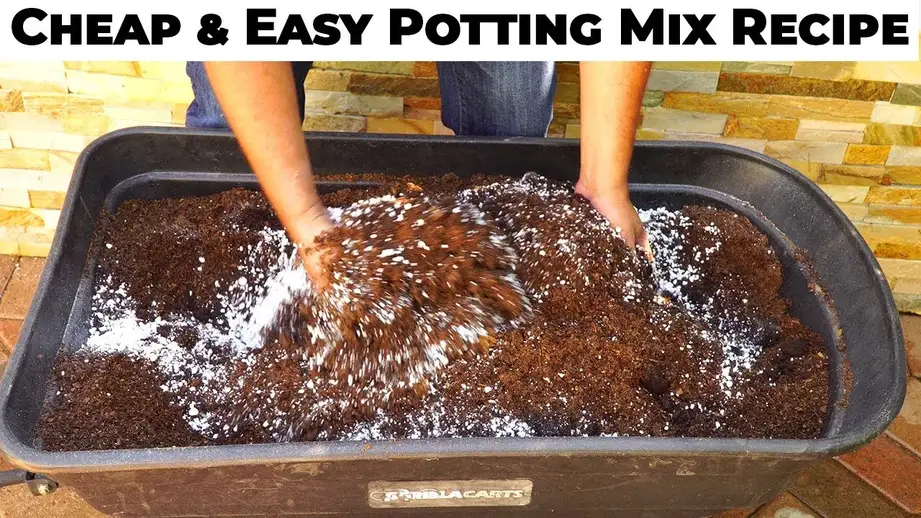
Mix 1 part finished compost with 4 parts potting mix for a practical all-purpose container blend. Measure both by volume, combine them loosely, and use the mixture to fill a pot with drainage holes.
That ratio is a starting point, not a rule for every plant. Compost can hold moisture and add nutrients, while potting mix supplies the structure and air pockets that container roots depend on. A dense, compost-heavy blend can stay wet long after the surface looks dry.
Use this basic process:
- Check the compost. Use compost that’s dark, crumbly, and earthy-smelling, with no recognizable fresh food scraps. If it smells sour or strongly of ammonia, let it mature longer.
- Measure by volume. Put 4 scoops of potting mix and 1 scoop of compost into a clean tub or wheelbarrow. A scoop can be a cup, bucket, or other container, as long as you use the same one for both ingredients.
- Break up clumps. Loosen compacted pieces by hand or with a small garden fork. Pull out large sticks or pieces that haven’t broken down.
- Blend gently. Turn the ingredients until the color and texture look even. Don’t mash or stomp the mix; that squeezes out air space.
- Check moisture and drainage. The blend should feel lightly moist, not wet or sticky. Fill a test pot, water it, and confirm that excess water drains from the bottom.
- Fill and plant. Add the blend without pressing it tight. Leave a little room at the top for watering, then plant at the depth recommended for that plant.
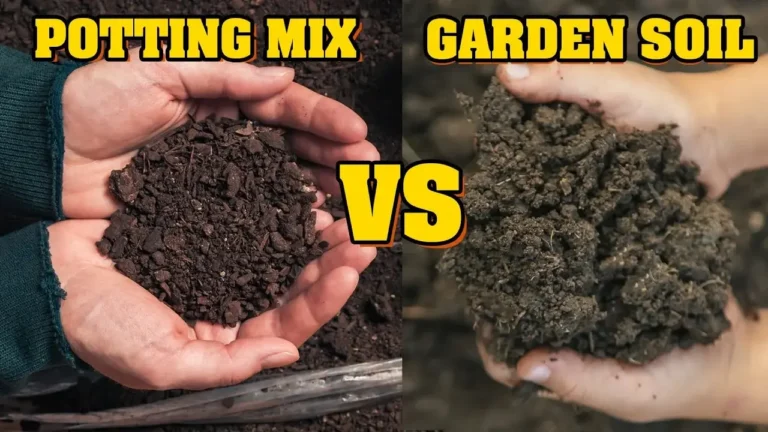
Potting mix is a soilless or partly soilless blend made for containers, often with materials such as coir or peat and aerating ingredients such as perlite. Compost is decomposed organic matter; it adds nutrients and can improve water retention, but it doesn’t replace the structure of a good potting mix. That difference matters because a bag labeled “potting soil” may not behave like the loose, airy mix a container needs.
For a deeper look at what compost does on its own, the guide to potting soil versus compost can help you pick the right material for the job. And if you’re comparing all three materials before buying, the soil, compost, and potting mix comparison clarifies why garden soil usually doesn’t belong in a houseplant pot.
Choose a ratio that fits the plant
The 1-to-4 blend works for many established container plants. Use less compost for plants that prefer lean, fast-draining conditions, and be cautious with seedlings, which can be sensitive to concentrated nutrients and salts.
| Container use | Starting blend by volume | What to watch |
|---|---|---|
| Most established container plants | 1 part compost to 4 parts potting mix | Check that the mix drains freely |
| Moisture-loving, established plants | 1 part compost to 3 parts potting mix | Reduce compost if the pot stays wet |
| Seed-starting | 0 to 1 part compost to 9 parts potting mix | A seed-starting mix is often a better choice |
| Succulents and other plants needing sharp drainage | 1 part compost to 5 parts potting mix, or less | Use a fast-draining base and avoid rich, wet blends |
These are starting points, not fixed recipes. Compost texture, potting mix ingredients, container material, and local weather all change how quickly a pot dries. A small plastic pot on a shaded porch won’t dry like a large fabric planter in hot sun.
What if your compost feels heavy or the potting mix already holds plenty of water? Start with less compost, such as 1 part compost to 5 parts mix, and test the blend in one pot. It’s easier to add a little compost next time than to rescue a container that stays soggy.
Pro Tip: If you’re mixing for several pots, make a small test batch first. Water it in a sample container and check the weight and drainage before blending a full wheelbarrow.
Adjust the Blend for Compost Quality and Plant Needs
Compost varies in texture and strength, so the right amount depends on what’s in the bag or pile. Use less if the compost is very fine, dense, salty, or high in manure, and keep a larger share of airy potting mix in the blend.
A good container compost should be mature, meaning it has finished breaking down enough to use around growing plants. It should smell earthy rather than rotten, feel crumbly, and look fairly uniform. Fresh, unfinished material can heat as it decomposes, settle in the pot, or compete with plants for nutrients.
I once relied on the word “compost” on a bag and didn’t check the texture before mixing. The material was finer and wetter than I expected, so I cut back the amount and added more potting mix. That quick check saved me from making the same heavy blend in every container.
If you buy compost, read the bag for ingredients and intended use. Compost made with manure can vary in nutrient content and salt level, so it’s wise to follow the product directions and avoid assuming that more will feed plants better. If you make your own potting base, a separate guide to making potting soil at home can help you choose materials that provide structure before compost goes in.
Keep containers airy and easy to handle
A blend should hold some water but still let excess water drain. If it clumps into a dense ball when squeezed, add more loose potting mix rather than adding more compost. A small handful of coarse perlite or another potting-mix ingredient can help with air space when the base mix is dense, but it won’t fix a container without drainage holes.
Container weight matters, too. Compost adds weight, and wet compost adds more. If you move planters often, start with a lightweight potting mix and keep the compost share modest; the guide to lightweight potting soil covers the kind of base mix that can make containers easier to shift.
Trying to keep costs down? Compare ingredients and bag size rather than choosing only by the lowest price. A budget-friendly potting soil can still work as the base if it drains well and has a texture suited to your plant; adding a small measured amount of finished compost may be more useful than buying a rich mix that doesn’t fit your needs.
Important Tip: Don’t add garden soil to a container just to stretch the mix. Garden soil can compact in a pot and slow drainage, which makes it harder for roots to get both water and air.
Match the mix to the plant
Plant labels and care instructions are worth checking before you adjust the blend. A plant that likes evenly moist soil may handle more compost than a cactus, while a plant in a small pot can dry out faster than the same plant in a large planter.
For seedlings, use a clean seed-starting mix or a very light blend with little or no compost. Tiny roots can struggle in chunky material, and young plants don’t need a heavy nutrient dose to get started.
For established vegetables and flowering plants, the 1-to-4 blend is a reasonable first try. If the plant grows strongly but the pot stays too wet, reduce compost in the next batch; if it dries very quickly and the plant needs frequent watering, a modest increase may help.
A corn plant, also called a dracaena, generally does best in a loose indoor potting mix that drains well rather than a dense, compost-rich blend. The advice on potting mix for corn plants is useful when you’re choosing a base for one of these tall houseplants.
Mix, Store, and Troubleshoot Your Blend
A successful blend starts with clean tools, a measured ratio, and a pot that can drain. Mix only what you can use soon, or store leftovers in a covered container where rain and pests can’t get into them.
A large tub or wheelbarrow makes mixing easier, but a bucket works for a few pots. Wear gloves if you have sensitive skin, and avoid stirring dusty, dry compost in a closed space. If the material is dusty, lightly dampen it before mixing so particles don’t blow around.
Use these checks before you plant:
- Texture: The blend should be loose and crumbly, not sticky or packed.
- Smell: A mild earthy smell is normal; sour or sharp odors suggest unfinished or poorly stored compost.
- Drainage: Water should pass through the pot’s drainage holes rather than sitting on the surface for a long time.
- Moisture: A squeezed handful may hold together lightly, but it shouldn’t drip or smear like mud.
- Plant needs: Keep the compost share low for seedlings and plants that need quick drainage.
If water runs straight through a very dry mix, the potting mix may have become difficult to rewet. Add water slowly in several passes and let the blend absorb it between pours. If the surface stays wet, the pot feels heavy, or the plant wilts while the mix is damp, check drainage holes and reduce compost in your next batch.
Don’t treat yellow leaves or slow growth as proof that you need more compost. Those signs can come from watering problems, low light, crowded roots, or other causes. Check the plant’s growing conditions before adding nutrients, since a richer blend won’t solve every problem.
- Start with 1 part finished compost to 4 parts potting mix by volume.
- Use less compost for seedlings, succulents, and dense or wet compost.
- Keep the mixture loose, use a pot with drainage holes, and test an unfamiliar blend before filling every container.
FAQs About How to Mix Potting Soil and Compost
Can I use compost by itself in a pot?
No, compost alone usually makes a poor container mix because it can hold too much water, settle, and lack the air space a potting mix provides. Blend finished compost into a suitable potting mix instead. If you’re growing a plant with unusual soil needs, follow its care guidance before changing the recipe.
How much compost should I add to potting soil?
Start with 1 part finished compost for every 4 parts potting mix by volume. That gives you a moderate blend for many established container plants. Use less if the compost is fine or dense, the plant needs sharp drainage, or your potting mix already holds water well.
Should I add compost to potting mix for seedlings?
Usually, seedlings do better in a seed-starting mix with little or no compost. Young roots are delicate, and the nutrient level in compost can vary. If you choose to add compost, keep the share small and use only mature, crumbly material that doesn’t smell sour or sharp.
Can I mix compost into potting soil before planting?
Yes, you can mix finished compost into potting mix before planting. Measure both ingredients by volume, loosen any clumps, and blend gently so the mixture stays airy. Don’t use fresh, unfinished compost in a container, since it can settle or change as it continues breaking down.
Does compost make potting soil drain better?
Not always. Compost can improve moisture retention, but fine or heavy compost may make a container blend denser and slower to drain. The result depends on compost texture and the potting mix ingredients.
Keep the blend loose and test how water moves through a sample pot.
Can I reuse a potting mix and compost blend?
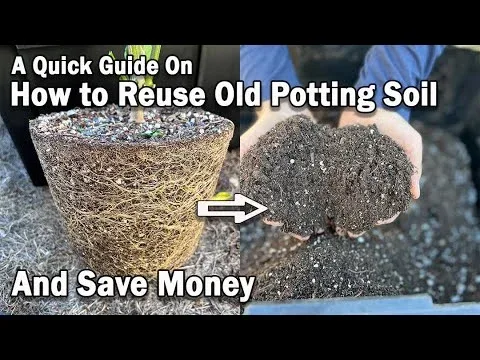
You can reuse a blend if the previous plant was healthy and the mix still drains well, but remove old roots and debris first. Reused mix may have fewer available nutrients and a changed texture. Refresh it with new potting mix, then add compost in a measured amount rather than guessing.
Start with a Small, Measured Batch
For most established plants, one part finished compost to four parts potting mix is a sound place to begin. The point isn’t to make every pot as rich as possible; it’s to add organic matter without taking away the loose structure roots need.
I’d rather test a small batch than fill a dozen pots with a mix I haven’t checked. Use a pot with drainage holes, water the test blend, and watch how quickly it drains and dries in your own space. If it stays wet, cut back the compost next time; if it dries too fast, adjust a little at a time.
That measured approach saves you from heavy pots, stressed roots, and a lot of unnecessary guesswork.

I’m Maya L. Greenwood, a lifelong plant lover who believes anyone can grow something beautiful with the right guidance. After years of testing soil mixes, pruning methods, irrigation tricks, and pest-safe solutions, I started EasyGardenTips.com to turn hard-won lessons into step-by-step advice. From seed starting and container gardens to composting and seasonal checklists, my goal is to make gardening simple, sustainable, and fun.