Soil vs Compost vs Potting Mix: A Clear Side-by-Side Comparison
Garden soil supports plants in the ground, compost adds decomposed organic matter and nutrients, and potting mix is a lightweight blend made for containers. They’re different materials, so the right choice depends on where your plant grows and what it needs.
Have you ever opened a bag marked “soil” and wondered if it belongs in a planter, a garden bed, or nowhere at all? Or watched a pot stay soggy for days and suspected the growing material was part of the problem?
I once filled a few containers with heavy garden soil because it looked rich and felt like a bargain. The mix packed down like damp clay, and the plants struggled until I replaced it. It’s a common mistake, not a dumb one; the labels don’t always make the differences clear.
I wrote this to help you choose a growing material without buying three bags and hoping for the best. You’ll get a plain comparison, practical uses, and tips for improving what you already have.
Get the choice right and your containers drain better, your garden beds hold useful organic matter, and you waste less money on the wrong bag. Choose poorly, and roots can sit in water, plants may lack nutrients, or a garden bed can become harder to work.
This takes about 9 minutes to read. By the end, you’ll be able to:
- Pick the right material for containers, raised beds, and in-ground planting.
- Tell compost apart from topsoil and potting soil.
- Improve drainage and nutrient levels without overdoing amendments.
- Read product labels with a more practiced eye.
Soil vs Compost vs Potting Mix: What Each One Does
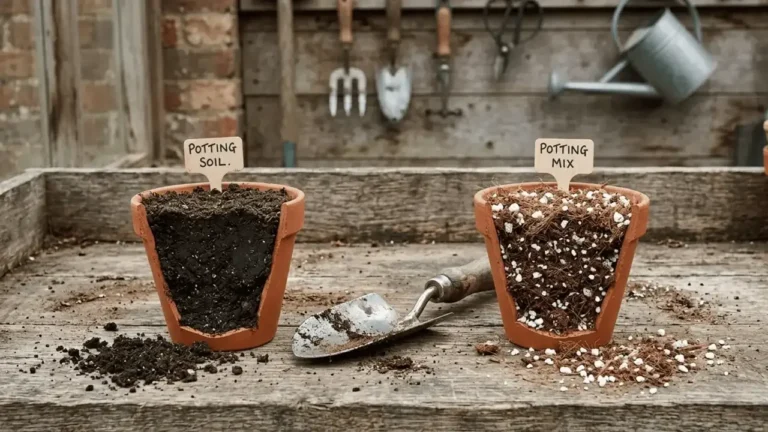
Soil belongs in the ground, compost improves soil, and potting mix gives container plants a loose, airy place for roots to grow. Use garden soil for in-ground planting, finished compost as an amendment, and potting mix for most pots; a patio tomato, for instance, generally does better in potting mix than in dense yard soil.
Soil is the natural material on the ground, made from mineral particles, organic matter, air, water, and living organisms. Its texture can range from sandy and quick-draining to clay-rich and slow-draining, so two gardens a few miles apart may need different care.
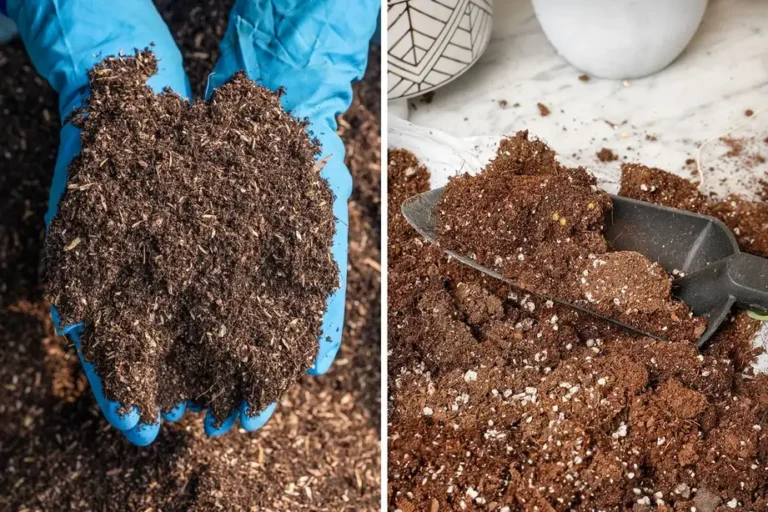
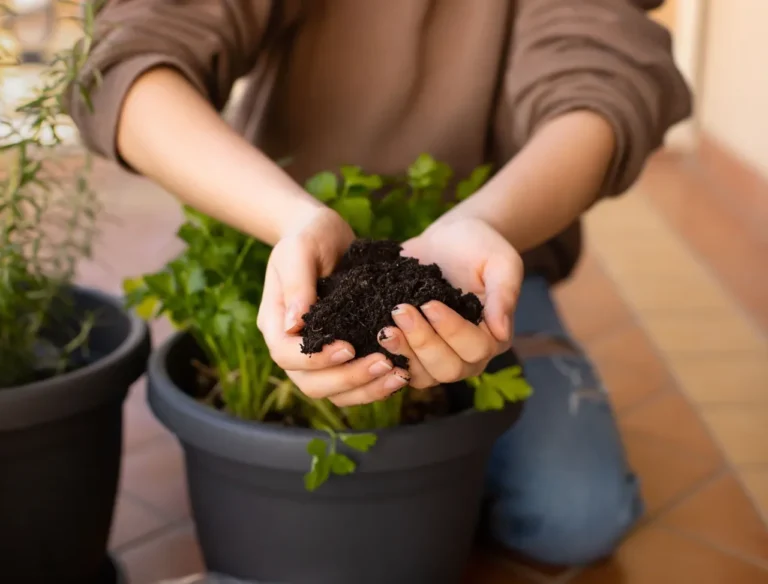
Compost is organic material that has broken down through decomposition. Finished compost is dark and crumbly, and it can add organic matter and nutrients to garden soil, but it isn’t a complete replacement for soil or a dependable stand-alone medium for most container plants.
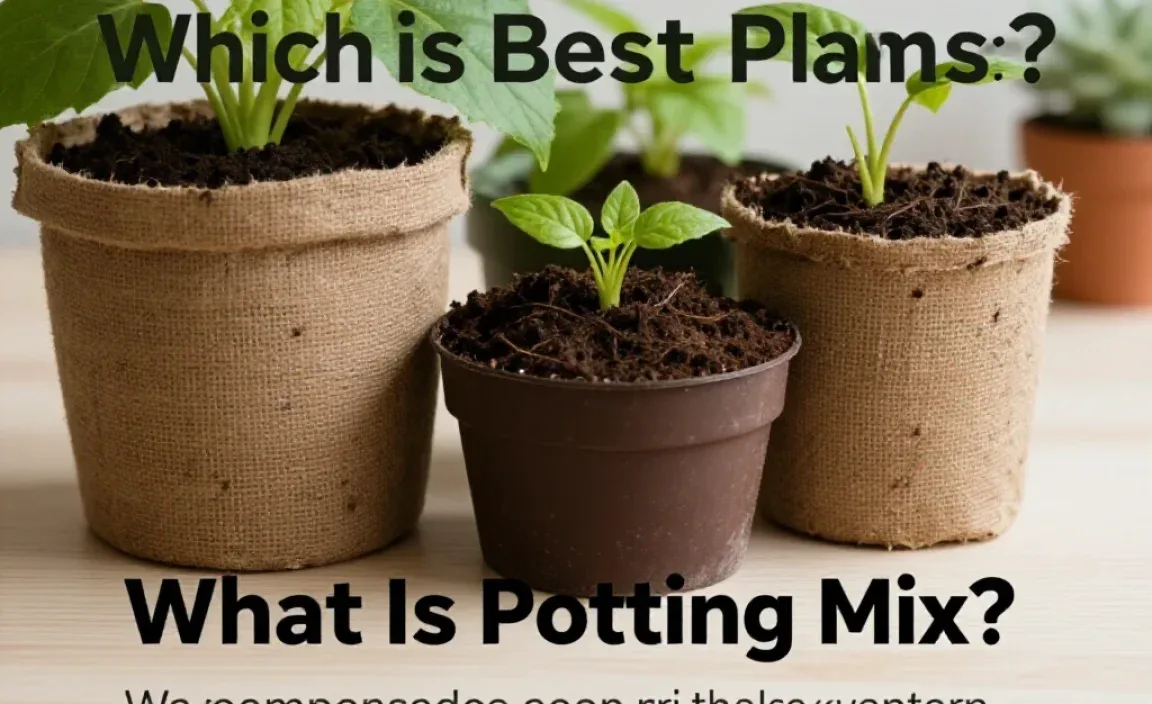
Potting mix is a manufactured growing medium for containers. Many mixes combine materials such as peat moss or coir, bark, and perlite to hold some moisture while leaving air pockets around roots; ingredients vary by product.
| Material | Best place to use it | Main job | Common drawback |
|---|---|---|---|
| Garden soil | In-ground beds | Supports roots in the ground | Can compact in containers |
| Finished compost | Garden beds and selected potting blends | Adds organic matter and nutrients | Can hold too much moisture if used heavily |
| Potting mix | Pots, planters, and many raised-bed containers | Balances drainage, air, and moisture | Usually needs nutrients replenished over time |
Those distinctions matter more than the word “soil” on a bag. Bagged potting soil and potting mix aren’t always the same product: potting soil may contain actual soil, while potting mix is generally designed as a soilless blend. If the label has you second-guessing a purchase, the difference between potting mix and potting soil is worth checking before you fill a large planter.
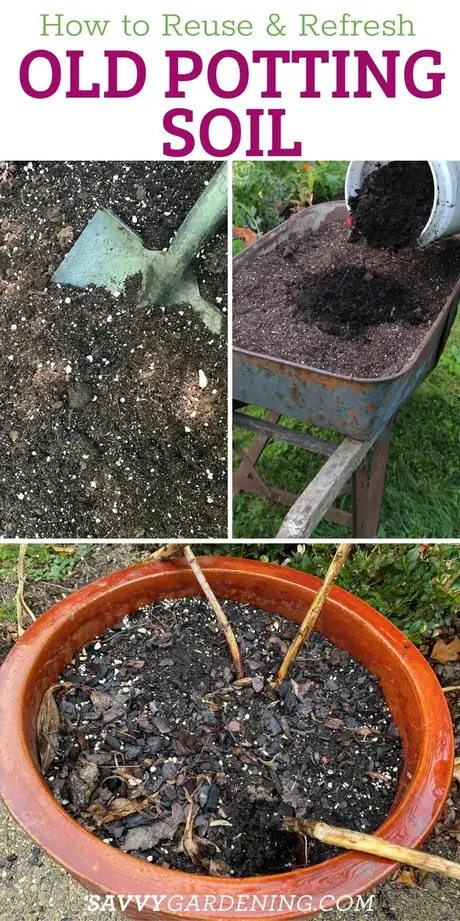
So, can compost go straight into a pot? Sometimes a small amount can be blended into a suitable potting mix, but pure compost often holds too much water and can be too rich or inconsistent for container roots. Compost varies with its ingredients and how fully it has decomposed, so a dark color alone doesn’t tell you how it will behave in a pot.
People also mix up compost and bagged potting soil because both can look dark and loose. Compost is decomposed organic matter; potting soil is a product for growing plants in containers, and its ingredients can differ from one bag to another. The practical distinctions between potting soil and compost help when you’re comparing labels at the garden center.
My biggest lesson from that container mistake was simple: a material that works beautifully in a garden bed can behave badly inside a pot. Roots need air as well as water, and a container doesn’t drain or exchange moisture like open ground.
Pro Tip: If a bag doesn’t clearly say it’s suitable for containers, don’t assume it’ll work in a flowerpot. Check the ingredients and intended use before you buy.
Choose the Right Material for Pots, Beds, and Raised Gardens
Match the growing material to the planting location first, then adjust for drainage and nutrients. A houseplant on a windowsill, a row of carrots in the ground, and a deep raised bed have different needs, even if all three look like “dirt” jobs.
For most containers, start with a fresh potting mix labeled for the type of plant you’re growing. A cactus needs a faster-draining mix than a moisture-loving plant, while a standard houseplant mix suits many common indoor plants; the plant label and the mix instructions are useful guides.
If you’re choosing a bag for ordinary container flowers or vegetables, look for a loose texture and ingredients suited to the plant. The best potting soil for your plants depends on the container, watering habits, and crop, not just a brand name or a picture of tomatoes on the package.
A container mix should drain through its holes rather than stay waterlogged, but it shouldn’t dry into a brick between waterings. Drainage holes matter too: even a well-made mix can’t fix a pot with no way for excess water to escape.
For organic gardening, check the label rather than relying on the word “natural” or a green bag. The best organic potting soil options still need to fit your plant’s drainage needs, and organic certification or claims can vary by product and use.
Garden beds are a different story. If your soil is compacted, low in organic matter, or difficult to work, a layer of finished compost mixed into the bed can improve its structure over time. Compost works as an amendment; avoid treating a whole bed as if it were a compost bin.
Raised beds can use a blend suited to their depth and crops. A shallow planter may need a container mix, while a larger raised bed can use a garden-bed blend; check the product label because “raised bed soil” is a marketing category, not one fixed recipe.
| Where you’re planting | Good starting point | What to watch |
|---|---|---|
| Houseplant pot | Potting mix matched to the plant | Watering frequency and drainage holes |
| Patio vegetable container | Potting mix labeled for containers or vegetables | Nutrient needs during the growing season |
| In-ground vegetable bed | Existing garden soil with compost as needed | Texture, drainage, and soil condition |
| Raised bed | A blend made for raised beds or a suitable soil-and-compost blend | Bed depth, settling, and crop needs |
| Established garden bed | Existing soil with a modest compost addition if needed | Don’t bury plants or smother the soil surface |
How do you know whether a garden bed needs compost? Look at how it drains, how easily you can dig, and whether the soil is low in organic matter; a small test bed can help you judge a change before spreading compost across the whole garden.
Important Tip: Keep potting mix and soil out of storm drains, and don’t dump excess fertilizer or fresh compost into waterways. If you’re handling dusty materials, avoid breathing the dust and wash your hands afterward.
The label “organic” doesn’t mean a mix fits every plant. Some organic potting blends hold more moisture than expected, while a plant that needs sharp drainage may call for a different texture. In my view, matching the mix to the plant matters more than paying extra for a label that sounds reassuring.
Improve Drainage and Nutrients Without Guesswork
Use finished compost to improve garden soil, and use potting mix as the main material in containers. For a container blend, add compost in a modest proportion and keep enough potting mix in the blend to preserve air space and drainage.
There isn’t one compost ratio that works for every plant, potting mix, or compost. A cautious starting point is roughly one part finished compost to three parts potting mix, then adjust based on how the blend drains and how the plant responds. A moisture-loving plant and a drought-tolerant herb won’t behave the same way.
If you want to combine the materials, start with a small batch rather than filling every pot at once. The steps below help you spot a mix that stays too wet before it causes a bigger headache.
- Choose finished, crumbly compost without a sour smell or recognizable fresh scraps.
- Blend a small amount with potting mix in a separate container.
- Moisten the blend and check that water drains freely rather than pooling.
- Plant one suitable container and watch moisture, drainage, and plant growth.
- Adjust the proportion only if the mix dries too quickly or stays wet too long.
For a more detailed approach to mixing potting soil and compost, remember that the compost’s texture and moisture matter as much as the ratio. Wet, fine compost can make a blend heavier than dry, crumbly compost, so judge the finished material rather than relying on a number alone.
| What you notice | Possible cause | Practical next step |
|---|---|---|
| Water pools on the surface | Mix is compacted or too fine | Check the mix, container holes, and watering method |
| Pot stays wet for days | Poor drainage, oversized pot, or waterlogged mix | Let the mix dry as appropriate and check drainage |
| Mix dries very fast | Container is small, mix is coarse, or weather is hot | Check the plant’s watering needs and pot size |
| Bed soil is hard to dig | Compaction or low organic matter may be involved | Add finished compost and avoid working wet soil |
| Plant grows poorly despite watering | Light, pests, nutrients, roots, or pH may be involved | Check the whole growing setup instead of adding compost at random |
Don’t use fertilizer as a cure-all for a struggling plant. Potting mixes may contain starter fertilizer, but those nutrients don’t last forever, and extra fertilizer can harm plants if you apply too much. Follow the package directions and the plant’s needs instead of feeding every time leaves look pale.
For containers, choosing a suitable soil for potted plants means thinking about the plant, pot size, and watering routine together. A small pot on a hot, sunny deck dries sooner than a large indoor planter, so the same mix can feel very different in daily use.
If your garden soil drains poorly, don’t try to fix it by dumping a thin layer of sand on top. That can leave you with uneven layers instead of a better-rooted bed; adding organic matter and improving the soil through the bed is a more useful starting point.
Pro Tip: Before making a big change, compare a handful of moist mix with the material in a pot that’s already growing well. The feel and drainage can tell you more than a vague label.
- Use garden soil mainly for in-ground planting.
- Use finished compost as an amendment, not a universal potting medium.
- Choose potting mix for containers and match its drainage to the plant.
- Test a small compost blend before using it in several pots.
FAQs About Soil vs Compost vs Potting Mix
Can I use garden soil in pots?
Usually, garden soil isn’t the best choice for pots because it can compact and drain poorly in a container. A potting mix is a safer starting point for most container plants. If you’re growing in a large raised bed, check the bed’s intended use and the product label before filling it.
Is compost the same as potting mix?
No, compost and potting mix serve different jobs. Compost is decomposed organic matter that can add nutrients and improve garden soil, while potting mix is a growing medium made for container roots. Some potting mixes include compost, but compost alone usually isn’t a complete substitute for potting mix.
Can I mix compost with potting mix?
Yes, finished compost can be blended into some potting mixes, but use a modest amount and check how the blend drains. Compost varies in texture and moisture, so a fixed ratio won’t suit every plant. Test a small batch first, especially for plants that need quick drainage.
Does potting mix contain fertilizer?
Some potting mixes include starter fertilizer, while others don’t. Check the bag for ingredients, feeding directions, and how long any added fertilizer is meant to last. Don’t add more fertilizer automatically, since too much can damage roots or create other plant problems.
Should I replace potting mix every year?
Not always. Many plants can stay in the same potting mix if it still drains well and the plant is healthy, though the mix can break down or lose nutrients over time. Repot when roots are crowded, drainage worsens, or the plant’s needs call for fresh material.
Make Your Next Planting Choice with Confidence
The most useful rule is simple: use garden soil in the ground, compost to improve soil, and potting mix for containers. Once you know the job each material does, the labels feel less confusing and the right choice becomes much easier.
I’d rather see you start with a suitable mix and change one thing at a time than pour in several amendments and guess which one helped. That approach saves money and makes it easier to spot problems, whether a planter stays soggy or a garden bed feels hard and lifeless.
Your next step is to check where the plant will grow and read the bag’s intended use before you buy. If it’s going into a pot, start with potting mix made for containers; if it’s going into a bed, look at the soil you already have and add compost only where it can help.

I’m Maya L. Greenwood, a lifelong plant lover who believes anyone can grow something beautiful with the right guidance. After years of testing soil mixes, pruning methods, irrigation tricks, and pest-safe solutions, I started EasyGardenTips.com to turn hard-won lessons into step-by-step advice. From seed starting and container gardens to composting and seasonal checklists, my goal is to make gardening simple, sustainable, and fun.