How to Save on Potting Soil: Smart Ways to Cut Your Garden Costs
You can save on potting soil by buying only what your containers need, reusing healthy old mix, and stretching it with suitable materials. The trick is cutting waste without turning a pot into a dense, soggy lump that leaves roots gasping.
Have you opened a fresh bag only to find half of it left over after filling the pots? Or watched a bargain mix dry into a hard crust while your plants wilt anyway? Those are two common ways a “cheap” purchase can end up costing more.
I once bought a large bag because the smaller bags seemed like a worse deal, then stored the leftover mix badly in a damp spot. It clumped, picked up debris, and wasn’t worth using for the seedlings I’d planned to start. It’s a common mistake, not a dumb one.
I wrote this for anyone trying to keep container gardening affordable without guessing at every bag or risking a favorite plant. You’ll get practical ways to plan purchases, make old mix useful again, and decide when a low-cost shortcut isn’t worth it.
Get the amount right and you can avoid leftover bags, reduce repeat trips, and keep healthy soil conditions around your roots. Skip the planning, and you may pay for unused mix or end up replacing plants that struggled in a poor one.
This takes about 10 minutes to read. By the end, you’ll know how to:
- Estimate how much potting mix your containers need.
- Spot old mix that’s safe to reuse and refresh.
- Stretch a bag without crowding roots or blocking drainage.
- Compare low-cost choices for different plants.
How to Save on Potting Soil Without Stunting Plants
The easiest way to save on potting soil is to buy the right amount, reuse only healthy old mix, and blend in materials that suit the plant. Don’t replace potting mix with yard soil or pack a pot with random filler; both can hold too much water or leave roots short of air.
Start with a quick check of your containers. Use the pot’s stated capacity when you have it, or estimate from its inside dimensions; a round pot holds less than a same-width square pot, and tapered pots hold less than straight-sided ones.
Use this shopping routine before you buy:
- Group your containers by size and the type of plant going into them.
- Check each pot’s volume from its label or dimensions, then add the amounts together.
- Read the bag volume and compare it with your total, allowing a little extra for settling and spills.
- Buy the smallest practical surplus, rather than a much larger bag just because the price per bag looks lower.
- Store leftovers sealed and dry so you can use them later.
A cubic foot is about 7.5 gallons by volume, but bagged mix can settle and different containers don’t fill the same way. Treat that number as a rough planning aid, not a promise that one bag will fill exactly the pots on your patio.
| Cost-saving choice | Best fit | Watch out for |
|---|---|---|
| Buy the amount you’ve measured | A few pots or a small balcony garden | Bag volume is approximate once mix settles |
| Buy a larger bag | Several containers or repeated planting | Leftovers need dry, sealed storage |
| Reuse healthy old mix | Established plants in clean containers | Skip mix with disease, pests, or a sour smell |
| Choose a lower-cost bagged mix | Tough, established plants that match its label | Poor texture can mean more work and plant stress |
| Blend fresh mix with safe reclaimed mix | Large containers needing a partial refresh | Don’t stretch the fresh mix too far |
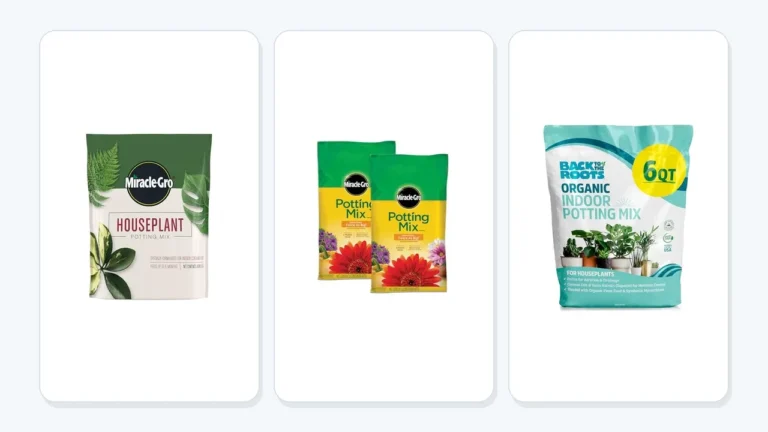
A low-cost bag can be a good deal when its texture matches the job. Compare the bag size, ingredients, and plant needs rather than choosing by price alone; cheap potting soil can work well for some containers, but a bargain that drains poorly isn’t much of a bargain.
Pro Tip: Measure a container once, then write its capacity on a piece of tape under the rim. Next time you shop, you won’t have to guess from a pile of empty pots.
Reuse Old Potting Soil Only When It’S Healthy
You can reuse old potting soil when the previous plant was healthy and the mix still drains and smells normal. Don’t reuse mix from a plant that had root rot, serious disease, or a pest infestation; a fresh bag costs less than spreading a problem through your containers.
Potting mix loses structure and nutrients as plants grow. Old roots break down, the mix settles, and watering can wash nutrients out, so soil that looks fine on top may still need fresh material and fertilizer suited to the new plant.
I once reused mix from a container that had drained poorly, assuming a quick stir would fix it. The center stayed wet long after the surface dried, and the next plant struggled; that taught me to check the whole batch rather than judge it by the top inch.
Use this sorting check before you put old mix back to work:
- Reuse: Healthy plants, no pest trouble, no foul smell, and mix that still drains.
- Refresh: Mix that has settled or lost fluff but has no clear signs of disease.
- Discard from containers: Mix tied to diseased roots, persistent pests, or a rotten smell.
- Keep out of seed-starting trays: Old mix can be too coarse, depleted, or inconsistent for tiny seedlings.
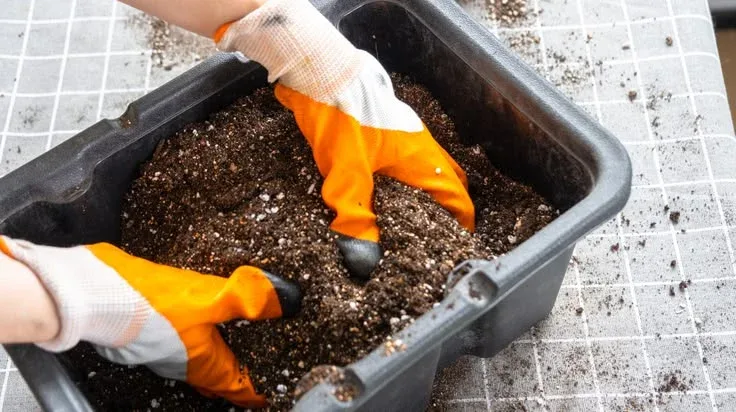
To refresh sound old mix, remove large roots and debris, loosen compacted clumps, and blend it with fresh potting mix. A practical starting point is to use roughly equal parts old and fresh mix for established plants, then adjust based on how the blend drains; delicate seedlings and plants with special soil needs call for fresh, plant-appropriate mix instead.
Don’t assume old container mix belongs in a garden bed. Potting mix can contain ingredients that behave differently in the ground, and a large amount may change the bed’s texture; check what’s in the mix and use it where that material makes sense.
Important Tip: If a plant had a serious disease, don’t try to rescue the mix by mixing it with a fresh bag. Keep suspect soil out of clean containers and follow local guidance for disposal.
Stretch Fresh Potting Mix with the Right Materials
Fresh potting mix can go farther when you combine it with a compatible, clean material that keeps air and drainage in the root zone. The right blend depends on the plant; adding a random scoop of sand or compost to every pot is not a reliable money-saving trick.
A basic potting mix is built to hold moisture while leaving air spaces around roots. Perlite, the light white bits in many mixes, helps keep the blend loose, while compost adds organic matter and nutrients but can make a mix heavier and hold more water.
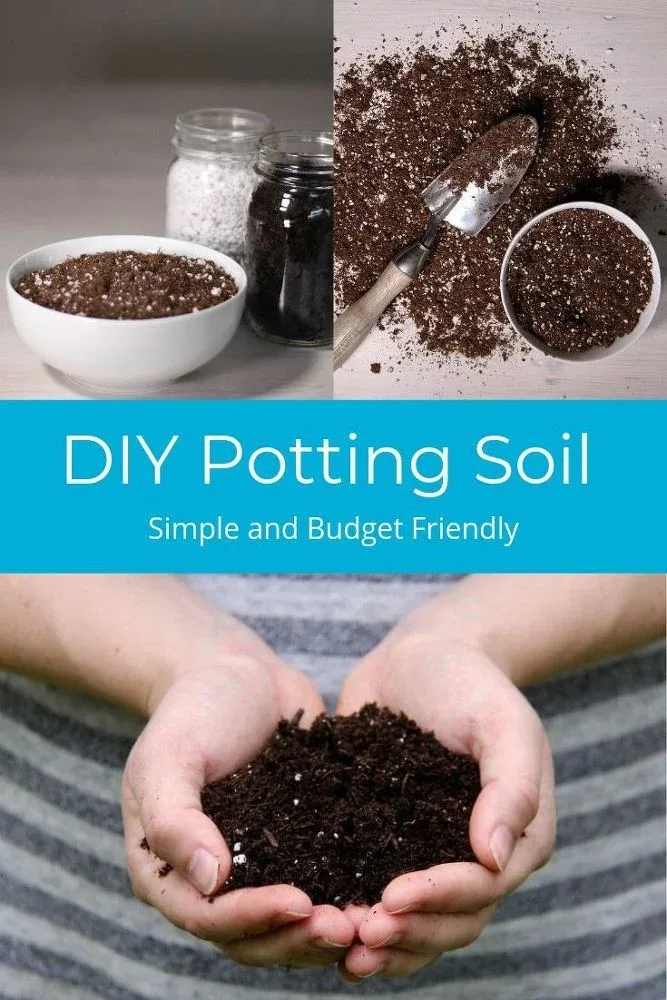
If you want to blend ingredients yourself, start with a small batch and test how it wets and drains before filling every pot. A guide to making potting soil at home can help you choose ingredients by plant type, while the related cost of making your own mix is worth checking against your local bag prices.
Sand isn’t a universal fix for heavy potting mix. Fine sand can fill air spaces and make a container blend denser, while coarse horticultural sand changes weight and drainage differently; if you’re weighing how much sand to add, first confirm the plant actually needs it and choose the proper grade.
If you need to move a large pot often, a lightweight potting mix may be worth the extra cost. Heavier fillers can save money on the bag, but they can make a filled planter awkward to lift and harder to reposition on a deck or balcony.
Plants don’t all want the same texture. A moisture-loving annual may do well in a standard container mix, while a plant that needs sharp drainage can suffer in a blend that stays wet; check the plant’s needs before adjusting the recipe.
Do you need to add fertilizer every time you reuse or stretch a mix? Not automatically, because some bagged mixes already contain fertilizer, and extra feed can burn roots or push weak, leafy growth. Read the bag, follow its feeding directions, and use a fertilizer labeled for the plant when it needs more.
Cut Waste When Filling and Caring for Containers
You can make potting soil last longer by filling containers to the right level and watering in a way that limits loss. Don’t save mix by leaving roots cramped, and don’t put gravel in the bottom of a pot to “improve drainage”; the gravel takes up room and doesn’t fix a blocked drain hole.
Before filling a planter, check that its drainage holes are open and that the pot is sized for the plant. Fill to the level that leaves space for watering, usually an inch or so below the rim for many everyday pots, then settle the mix gently rather than pressing it into a brick.
Large decorative pots sometimes allow an inner pot with a smaller plant container placed inside. That can reduce the amount of mix needed, but only if the inner container is stable, has drainage, and leaves room for roots; don’t use a hidden insert that traps standing water.
Avoid filling the bottom of a planter with household scraps, plastic bottles, or heavy rocks just to use less mix. Such fillers can block drainage, shift as you move the pot, or leave the root zone too shallow, especially for plants that grow deep roots.
For a large pot that doesn’t need to move, use a mix suited to its plant and fill only the volume that the roots can use. For a tall planter with a removable liner, measure the liner rather than buying soil for the planter’s full outer dimensions.
Watering can also cut waste. A slow pour lets dry mix absorb moisture rather than sending water over the rim, and a saucer can catch runoff where appropriate; empty standing water when the plant doesn’t tolerate wet roots.
A plant-specific mix can be a better buy than a general-purpose blend if the plant is sensitive to poor drainage or excess moisture. Clivia, for instance, needs a mix that won’t stay soggy; compare the best potting soil for clivia before trying to stretch a standard mix with unsuitable ingredients.
Pro Tip: When a container dries unusually fast, check whether the mix has shrunk away from the pot’s sides. Water slowly in two passes so the dry center has time to take up moisture.
FAQs About How to Save on Potting Soil
Can I reuse potting soil from last year?
Yes, you can reuse potting soil from last year if the previous plant was healthy and the mix still drains well. Remove old roots, loosen the mix, and blend in fresh potting soil for established plants. Don’t reuse soil tied to disease, pests, or a persistent rotten smell.
Is it safe to mix old potting soil with new soil?
Yes, mixing healthy old potting soil with new mix can save money for established plants. A roughly half-and-half blend is a reasonable starting point, but adjust it if the old mix is compacted or the new plant needs a specific texture. Use fresh mix for seedlings and sensitive plants.
Can I use garden soil instead of potting soil?
No, garden soil usually isn’t a good substitute in containers because it can compact and hold water differently from potting mix. Dense soil can restrict air around roots and make watering unpredictable. Keep container plants in a mix made for pots, especially when containers sit indoors or on a patio.
How do I store leftover potting soil?
Store leftover potting soil in a sealed bag or covered bin in a cool, dry place. Keep the container off wet ground and close it after each use to limit moisture, debris, and pests. Don’t store damp mix in a warm, sealed container for a long time.
Is a cheaper potting mix bad for plants?
No, a cheaper potting mix isn’t automatically bad for plants. Check the texture, drainage, and label directions, then match the mix to the plant and container. A low-cost blend can suit hardy plants, while a plant with special moisture or drainage needs may do better in a tailored mix.
Make Your Next Bag Go Further
Saving on potting soil isn’t about making every container as cheap as possible. It’s about avoiding unused bags, reusing healthy mix, and spending extra only where a plant’s needs make that choice worthwhile.
I’d start with the containers you already own: check their volume, sort any old mix by condition, and write down what you still need before buying. That small bit of planning is less glamorous than a garden-center run, sure, but it can prevent a soggy pot, a half-used bag, and a second trip for the right blend.
When in doubt, protect the roots first. A healthy plant in the right mix is usually a better saving than a cheap shortcut that needs replacing later.

I’m Maya L. Greenwood, a lifelong plant lover who believes anyone can grow something beautiful with the right guidance. After years of testing soil mixes, pruning methods, irrigation tricks, and pest-safe solutions, I started EasyGardenTips.com to turn hard-won lessons into step-by-step advice. From seed starting and container gardens to composting and seasonal checklists, my goal is to make gardening simple, sustainable, and fun.