Black Gold vs Miracle-Gro Potting Soil: Which Brand Grows More?
Both Black Gold and Miracle-Gro can grow healthy plants, and neither brand wins for every pot. The better choice depends on the specific mix, your plant’s needs, and how you water and feed it.
Are you trying to pick a bag for a new houseplant, or wondering if the mix you already bought will work for tomatoes on the patio? It’s frustrating when two bags promise healthy growth but don’t make the differences clear.
I once chose a potting mix by grabbing the bag with the biggest, happiest-looking plant on the front. The mix held more water than I expected, and I had to change how I watered before the plant settled in. That’s a common mistake, not a dumb one.
I wrote this to help you compare these two familiar brands without treating a brand name like a guarantee. You’ll learn what to check on the bag, how to match a mix to your plants, and when the better choice is a different product altogether.
Get the mix right and you can avoid soggy roots, weak growth, and buying extra soil to fix the first bag. Skip the label details and you may end up with a mix that dries too fast, stays wet too long, or includes a feeding plan you didn’t want.
This takes about 9 minutes to read. By the end, you’ll be able to:
- Compare the ingredients and feeding claims that matter for your plants.
- Pick a mix based on watering habits, container type, and plant needs.
- Spot when a potting mix isn’t the right kind of soil for the job.
- Decide what to do with old or unsuitable potting soil.
Black Gold Potting Soil vs Miracle Gro: Which Mix Fits Your Plants?
Neither brand is automatically better: compare the exact bags, then choose the mix that fits your plant and care routine. A bag labeled for indoor plants may suit a houseplant better than a general-purpose mix, even if it comes from the brand you usually buy.
The most useful comparison starts with the ingredient list, not the brand name or the front-of-bag claims. Look for what holds water, what helps air move around roots, and whether the mix includes fertilizer.
| What to compare | What to look for on either brand’s bag | Why it matters |
|---|---|---|
| Intended use | Indoor plants, containers, raised beds, or a specific plant group | The product may be made for a different growing setup |
| Water-holding ingredients | Peat moss, coir, bark, or other organic materials | These affect how quickly the mix dries |
| Aeration materials | Perlite, pumice, bark, or similar coarse ingredients | Air space helps keep roots from sitting in wet mix |
| Added fertilizer | Type, duration, and directions on the label | Affects when you should start feeding |
| Texture | Fine, loose, coarse, or chunky | Affects drainage and how easily roots grow through the mix |
| Bag condition | Dry, damp, compacted, or torn | Poor storage can make a good mix harder to handle |
Product formulas can vary between lines and change over time, so don’t assume every Black Gold bag has the same ingredients or every Miracle-Gro bag does. Check the specific label in your hand. A mix with perlite, a lightweight mineral that creates air pockets, may drain differently from a finer mix with more water-holding material.
For a typical indoor foliage plant in a pot with drainage holes, either brand could work if the bag suits indoor containers and the mix doesn’t stay soggy in your home. For a thirsty patio plant, a mix that holds moisture longer might save you from watering twice a day in hot weather. The plant and conditions matter more than the logo.
The same goes for fertilizer. Some potting mixes include a starter charge or claim to feed plants for a set period, while others call for regular feeding. Read the directions before adding fertilizer, because doubling up can leave you with more feeding than the label recommends.
Pro Tip: If two bags seem close, compare their ingredient lists and intended uses side by side. The front panel sells the product; the smaller print tells you what you’re actually buying.
What’S Different Between Their Potting Mixes?
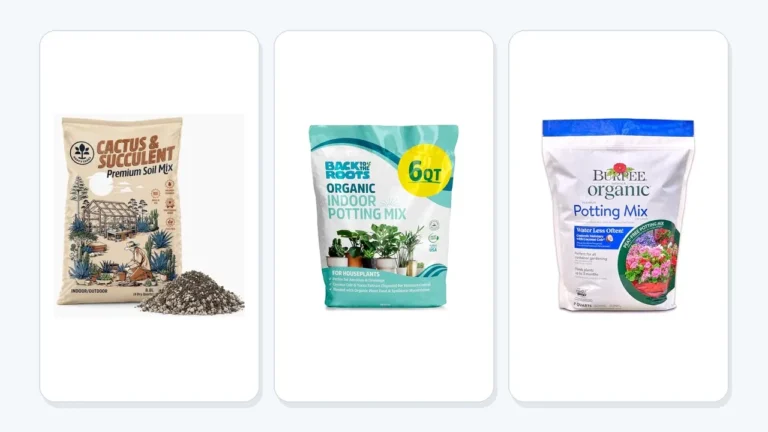
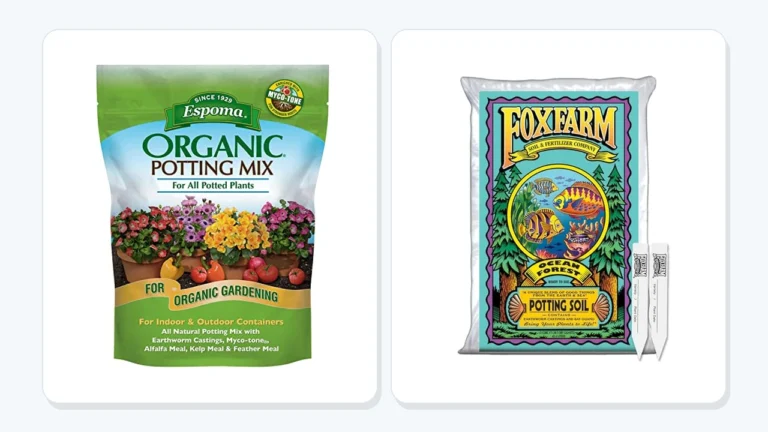
The biggest difference isn’t a single brand-wide recipe; it’s the ingredients, texture, and feeding directions in each product line. Black Gold and Miracle-Gro both sell more than one type of growing mix, so compare the exact product names instead of treating each brand as one formula.
A potting mix is a soilless growing medium made for containers, where garden soil can pack down and limit air movement. Bagged mixes may include materials such as peat moss or coir for moisture retention, plus perlite or bark for drainage and air space. The ingredient balance varies by product.
A mix that holds water well can help if you often forget to water, but the same feature can be a headache in a cool room or a pot without drainage. A coarse, fast-draining mix can suit plants that dislike wet roots, yet may need more frequent watering on a sunny porch. No single texture is right for every situation.
The feeding claim deserves its own look. If a label says the mix contains fertilizer, follow its directions before adding another product. If the bag doesn’t include a feeding plan, you’ll need to choose one based on the plant and its growth stage.
I once used a general container mix for a plant that needed a looser, airier root zone. The surface looked fine, but the lower part of the pot stayed damp after the top had dried, so I changed the mix rather than trying to fix the watering schedule forever. It reminded me to judge moisture through the pot, not just by the surface.
Do you water on a schedule, or only when the pot feels light? Your habit can tip the choice: a moisture-retentive mix may give you a little more breathing room, while a quick-draining one can be kinder to a heavy-handed waterer.
If you’re buying soil for a bed rather than a container, check the product category carefully. Garden soil is usually meant to be mixed into in-ground beds, while potting mix is made for containers. A bag’s brand doesn’t tell you which job it’s meant to do, so compare the label and the guidance in garden soil versus potting soil before you load up the cart.
People who want a broad set of mix options can use the same comparison habits when checking a potting soil shortlist. I’d put the plant’s needs, pot drainage, and the bag’s ingredient list ahead of ratings or a familiar brand name.
- Compare the exact product, not just Black Gold against Miracle-Gro.
- Match moisture retention and drainage to the plant and your watering habits.
- Follow the fertilizer directions on the bag before adding plant food.
How to Choose and Use the Right Bag
Choose the mix that suits your plant, container, and watering routine, then use it in a pot with working drainage. A dependable mix can’t rescue a container with no drain holes or a watering habit that keeps roots soaked.
Start with the plant. A cactus, a leafy tropical plant, and a container tomato don’t all want the same balance of moisture and air. Look for a product labeled for your plant type or growing situation, then check the ingredients and feeding instructions rather than relying on the picture on the front.
Next, look at the container. A pot with drainage holes lets extra water escape; without them, even a well-made mix can stay too wet at the bottom. If you’re reusing a decorative pot with no holes, keep the plant in a draining nursery pot inside it, and empty water that collects in the outer pot.
Then think about where the pot will sit. A small pot in a warm, bright window may dry much faster than a large planter in a cool corner. The same bag can behave differently in those settings, so check moisture with a finger a little below the surface instead of watering by the calendar.
- Read the product label and confirm it’s meant for your plant’s container or growing setup.
- Check that the pot has drainage holes and that water can leave the container.
- Fill the pot loosely rather than packing the mix down hard.
- Water thoroughly, then let excess water drain before returning the pot to its saucer or cover.
- Check moisture again before watering. Adjust the timing to the plant, room, and season.
If a large planter feels like a chore to lift, weight may matter as much as the recipe. Some mixes are lighter than others, but weight depends on ingredients and how wet the bag or pot is. Compare bag details and consider a lightweight potting soil option if moving containers is part of your routine.
If pets or children may touch or taste the mix, check the product label and keep the bag and freshly filled pots out of reach. “Natural” on a package doesn’t tell you everything about its ingredients or suitability for your household. A potting soil safety guide can help you think through ingredient and handling concerns without assuming any mix is automatically harmless.
What if you’d rather avoid peat? Check the bag for the actual ingredients, since a brand name alone won’t tell you whether the product uses peat, coir, or another material. If that preference matters to you, compare a peat-free potting mix and check that it still fits your plant’s water and drainage needs.
Important Tip: Before using a bag that’s been open in a shed or garage, check for damp clumps, a sour smell, or signs of pests. A little ordinary settling is one thing; wet, foul-smelling mix is a reason to use caution and inspect the contents before it goes near a plant.
Common Problems, Fixes, and Other Options
Most trouble with potting soil comes from a mismatch between the mix, the container, and the way the plant is watered. If a plant struggles, check those basics before switching brands or adding fertilizer.
| What you notice | Possible cause | What to try |
|---|---|---|
| Mix stays wet for days | Dense mix, low light, poor drainage, or too much water | Check drain holes and let the plant dry to the level its type needs |
| Water runs down the pot’s sides | Very dry mix or a gap between mix and pot | Water slowly in stages and check whether the root area gets wet |
| Plant wilts while mix is damp | Roots may be stressed, or water may not be reaching them evenly | Check the root zone and confirm water drains from the pot |
| Mix dries very quickly | Small pot, heat, direct sun, or a fast-draining mix | Check moisture more often and review the plant’s preferred mix |
| Pale or weak growth | Several causes are possible, including light, watering, or nutrition | Check light and roots before changing fertilizer |
The table gives starting points, not a diagnosis. Wilting, yellow leaves, and slow growth can come from more than one cause, so look at the roots and growing conditions before treating the plant as if it needs extra food.
If water beads on a very dry mix or rushes straight through the pot, add water slowly rather than dumping in a full can at once. Let the mix absorb some moisture, then water again. If the root ball still feels dry, the pot may need a closer check for gaps or compacted areas.
When a mix stays wet, don’t immediately add sand or extra fertilizer to “fix” it. First check the container’s drain holes, the size of the pot, the room’s light, and how much water you’re applying. If you repot, choose a mix suited to the plant and avoid pressing it down until it’s hard.
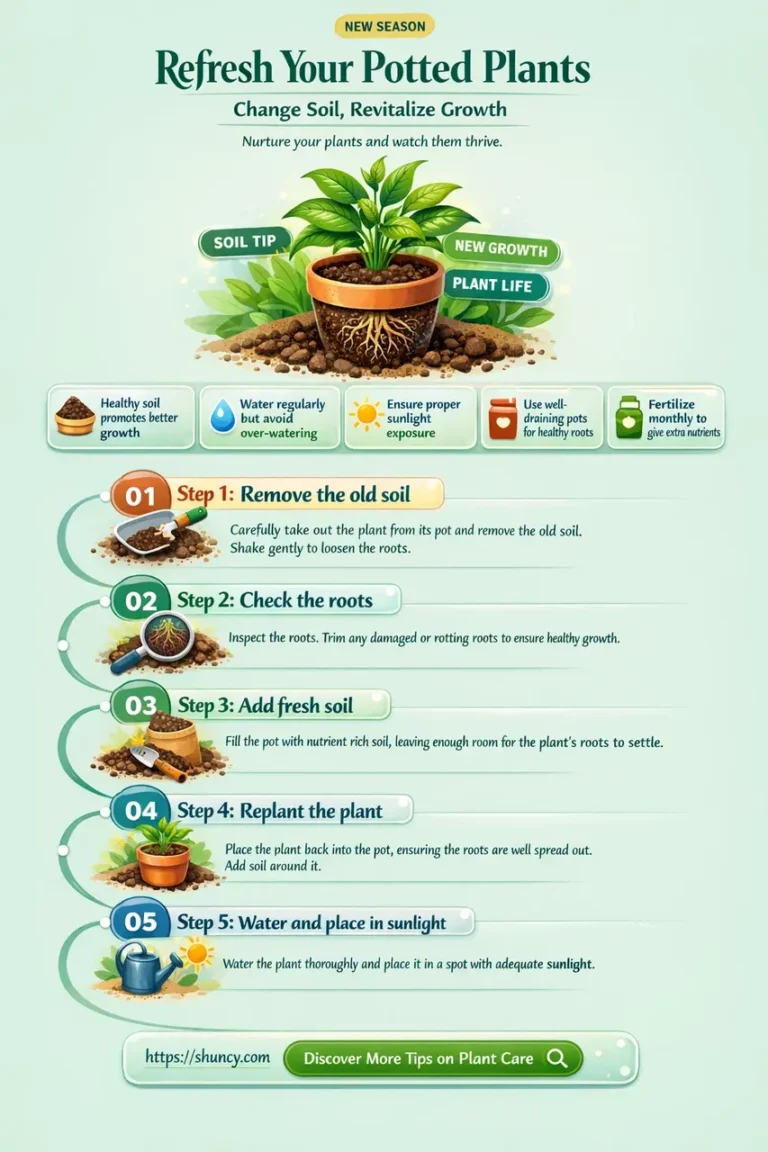
Older potting soil doesn’t always need to go straight in the trash. If the mix is clean and hasn’t had serious pest or disease problems, you may be able to reuse it for a suitable purpose, though its texture and nutrients can change with use. For a responsible next step, check local disposal rules and a guide to disposing of used potting soil.
A different brand may help if the mix itself isn’t suited to the plant, but switching between two similar products won’t solve poor drainage or overwatering. In my view, it’s smarter to change one factor at a time. That way, if the plant perks up, you’ll know what helped instead of guessing.
For a new gardener, an all-purpose container mix labeled for the intended plants is often the simplest starting point. For a collection with very different needs, separate mixes may make more sense than trying to force one bag to suit everything. You don’t need a closet full of soil, just the right type for the pots you actually keep.
FAQs About Black Gold Potting Soil vs Miracle Gro
Is Black Gold potting soil better than Miracle-Gro?
Neither brand is always better. Black Gold and Miracle-Gro sell different mixes, and ingredients and feeding claims vary by product. Compare the exact bags against your plant’s needs, pot drainage, and watering habits.
A suitable mix from either brand can outperform a poorly matched product from the other.
Can I use Miracle-Gro potting mix for houseplants?
Yes, if the specific Miracle-Gro product is labeled for containers or indoor plants and suits the houseplant’s moisture needs. Check the feeding directions before adding fertilizer. Use a pot with drainage holes, since the right bag can’t prevent water from collecting around roots in a sealed container.
Is Black Gold potting soil good for vegetables in pots?
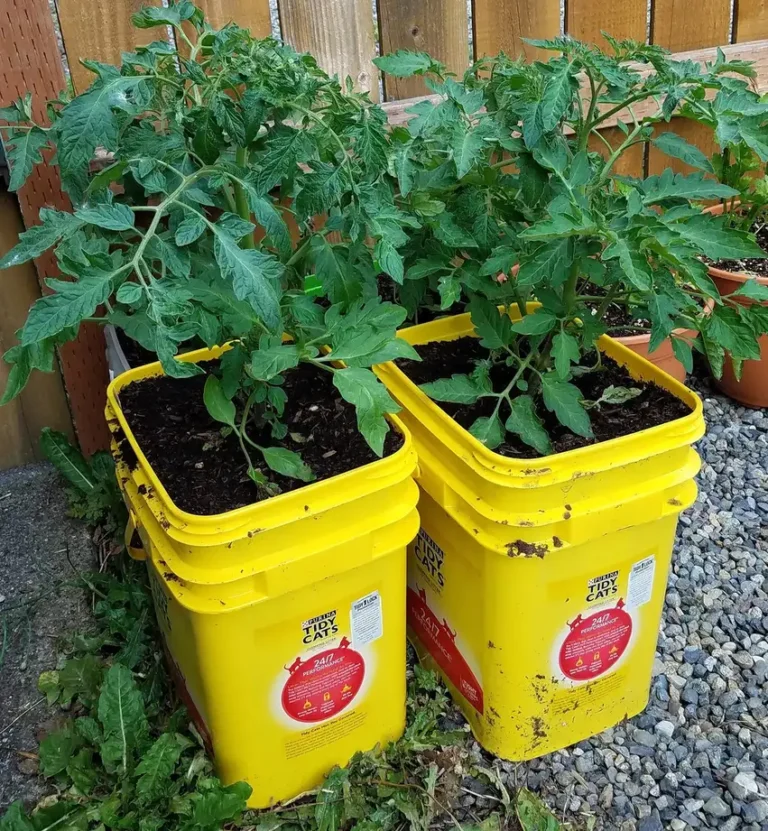
It can be, if the product label says it’s suitable for container growing and the mix supports the vegetable’s needs. Check the fertilizer information and the plant’s care instructions. A tomato in a sunny patio pot may need a different watering routine than leafy greens indoors.
Do Black Gold and Miracle-Gro potting mixes contain fertilizer?
Some products from either brand may include fertilizer, while other mixes may have different feeding directions. Read the exact package rather than assuming every bag in a brand’s lineup is the same. Follow the label’s timing before adding more plant food, since extra fertilizer can harm roots.
Can I mix Black Gold and Miracle-Gro potting soil together?
Yes, you can combine compatible potting mixes, but check both ingredient lists and feeding directions first. Mixing won’t reliably improve drainage if both products have similar textures or moisture retention. For a single pot, use a blend only when the result suits the plant and you can monitor how quickly it dries.
Make the Choice That Fits Your Pots
Black Gold and Miracle-Gro are both reasonable places to start, but the bag that fits your plant is the one that matters. I’d choose based on the product label, texture, drainage, and fertilizer directions, not on a blanket claim that one brand grows better. A familiar name can make shopping easier, but it can’t tell you how the mix will behave in your living room or on a sunny porch.
Before buying, match the product to the plant and confirm that your pot drains. Then water based on the mix and the plant’s actual condition, not a fixed schedule. That one small check can save you from soggy roots, wasted soil, and a frustrating round of guesswork.

I’m Maya L. Greenwood, a lifelong plant lover who believes anyone can grow something beautiful with the right guidance. After years of testing soil mixes, pruning methods, irrigation tricks, and pest-safe solutions, I started EasyGardenTips.com to turn hard-won lessons into step-by-step advice. From seed starting and container gardens to composting and seasonal checklists, my goal is to make gardening simple, sustainable, and fun.