What Is Potting Soil? Types, Ingredients, and How to Use It Right
Potting soil is a growing medium made for plants in containers, where roots need air, water, and room to grow. Despite the name, many potting soils contain little or no actual soil; they’re usually blends of lightweight organic materials and other ingredients.
Are you trying to choose a bag for a houseplant, or wondering why the soil in your pots dries out in a day and turns into a soggy brick the next? The label can make a simple shopping trip feel like a pop quiz.
I once used a dense, garden-style mix in a container that needed a lighter blend. Water pooled on top, and the plant’s roots had a hard time getting the air they needed. That’s a common mix-up, not a dumb one.
I wrote this to make the ingredients, bag labels, and basic care easier to sort out, whether you’re growing a pothos on a shelf or tomatoes on a patio. You’ll get a practical way to choose a mix without assuming the most expensive bag is automatically the right one.
Choose well, and your pot will drain properly, hold enough moisture, and give roots room to breathe. Choose poorly, and you may end up with drooping leaves, slow growth, or a pot that stays wet long after watering.
This takes about 18 minutes to read. By the end, you’ll be able to:
- Tell potting soil apart from garden soil and potting mix.
- Match ingredients and mix types to a plant’s watering needs.
- Fill and water containers without creating avoidable root problems.
- Spot signs that a mix may need replacing or a different treatment.
What Is Potting Soil, and What Does It Do?
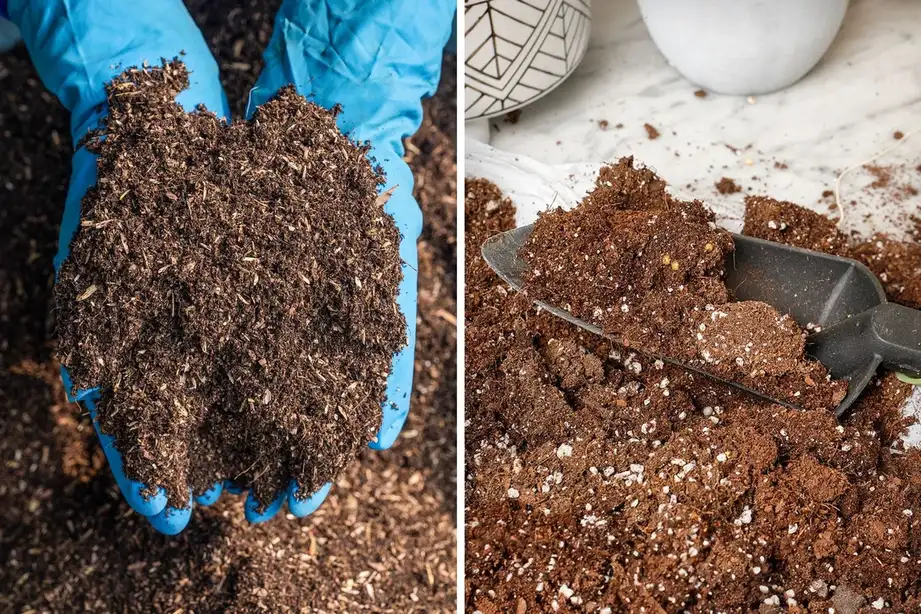
Potting soil is a container growing medium that supports roots by balancing moisture, drainage, and air space. A typical bagged mix may contain peat moss or coir, bark, compost, perlite, or other ingredients, with the exact blend varying by product and intended use.
The point isn’t to recreate the ground in your yard. In a pot, roots have limited space and rely on you to bring water and nutrients; a good mix helps manage both while leaving oxygen around the roots. A handful of heavy yard dirt can behave very differently once it’s packed into a small container.
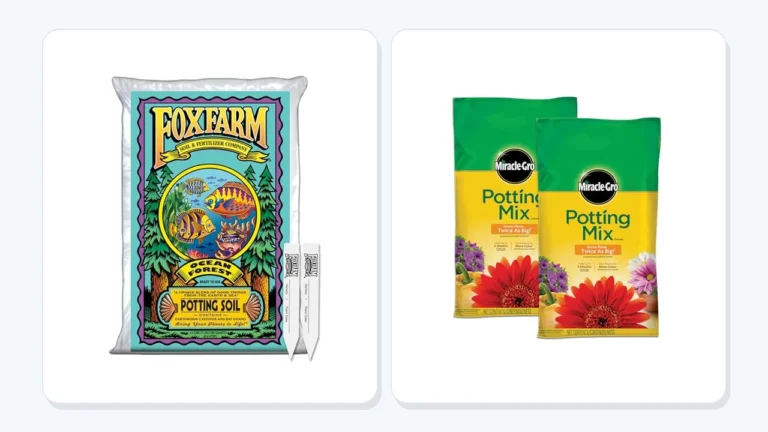
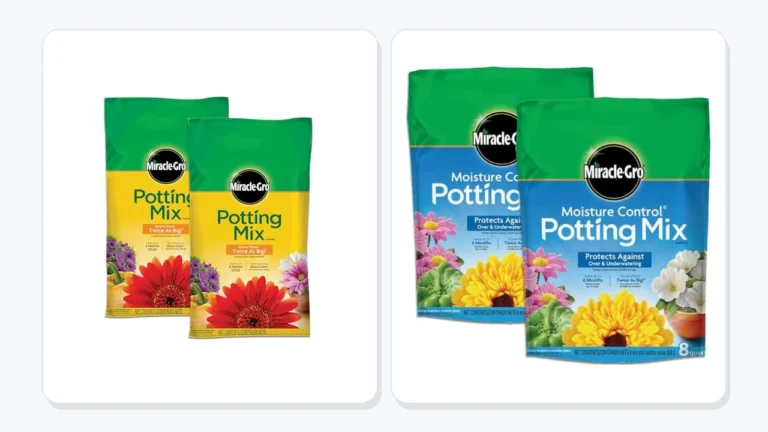
The words on the bag aren’t always precise. In ordinary garden-center use, “potting soil” often refers to a ready-to-use product for containers, while “potting mix” often refers to a blend without field soil. Manufacturers don’t always use those terms the same way, so check the ingredients and directions instead of relying on the name alone.
A fuller comparison of potting mix and potting soil can help when the label leaves you guessing.
Why Container Plants Need a Special Medium
Container roots need both water and oxygen. A mix that stays waterlogged can leave too little air in the root zone, while one that drains too quickly may dry out before you remember to water again.
A root zone is the part of the container where roots grow and take up water and nutrients. Potting soil helps create a workable root zone by holding some water between air spaces, much like a well-drained sponge rather than a packed wad of clay.
A pot also has no natural connection to the larger soil system in your yard. Water can only leave through the drainage holes, and nutrients can run out as you water, so the medium and your care routine both matter.
Potting Soil Versus Garden Soil
Garden soil is the soil in a planting bed or yard. Potting soil is made or sold for containers, where a lighter texture and more reliable drainage usually matter more than matching the soil outside.
Putting garden soil in a pot can create a dense, poorly draining mix, especially if the soil is clay-heavy or compacted. The phrase garden soil in pots comes up often because using yard soil seems like an easy way to save money, but it can lead to a heavier container and stressed roots.
| Growing medium | Common setting | What to check |
|---|---|---|
| Garden soil | In-ground beds | Texture, drainage, and suitability for the garden bed |
| Potting mix or potting soil | Pots and planters | Ingredients, drainage, and moisture retention |
| Seed-starting mix | Starting seeds | Fine texture and package directions |
| Cactus or succulent mix | Drought-tolerant plants | Fast drainage and whether the blend suits the specific plant |
The names in this table describe common uses, not guarantees. A bag’s ingredient list and directions tell you more than a front-label promise.
Ingredients and What They Do
A bag can combine materials that hold moisture with others that create open spaces. Learning the basic jobs of the ingredients makes it easier to compare two bags without getting lost in unfamiliar names.
- Peat moss holds water and can make a mix lighter than mineral soil. It may shrink or become harder to wet after drying out, depending on the product and how dry it gets.
- Coir, a material made from coconut husks, is often used to hold moisture while keeping the blend relatively open. Product quality and preparation can vary.
- Compost adds organic matter and may contribute nutrients, though the amount and nutrient value depend on what went into the compost.
- Bark creates larger spaces in some blends, which can help improve airflow and drainage. Bark size and the rest of the mix affect how quickly the pot dries.
- Perlite is a light, porous material that helps create air space. It doesn’t provide a full fertilizer program.
- Vermiculite helps hold water and nutrients. It can suit seed starting or plants that benefit from steadier moisture.
- Fertilizer may be added to some mixes. Check the label for the kind, amount, and intended feeding period rather than assuming every bag includes the same thing.
You don’t need every ingredient in every pot. The goal is a blend that suits the plant, the container, and how often you can realistically water.
What Potting Soil Does Not Do
Potting soil doesn’t automatically match the needs of every plant, and it doesn’t stay fertile forever. Some mixes contain fertilizer, but the label’s stated feeding period matters; after that, plants may need a separate feeding routine.
A bag marked “all-purpose” may work for many common container plants, but that doesn’t mean it’s the best fit for every one. A moisture-loving plant and a cactus can ask for very different drainage, even if both happen to grow in pots.
Pro Tip: Read the ingredients and directions before buying. Two bags with similar front labels may have different textures, fertilizer, or water-holding properties.
How to Choose Potting Soil for Your Plant
Choose potting soil by matching the mix’s drainage and moisture retention to the plant’s needs, then account for your container and watering habits. A small herb pot on a sunny windowsill may dry faster than a large planter in a shaded spot.
Start with the plant, not the color of the bag or a sweeping claim on the front. If you know your plant’s name, check its care instructions for clues about moisture and drainage; if you don’t, observe how quickly the current pot dries and whether the roots seem crowded or waterlogged.
Match the Mix to Watering Needs
Plants that prefer evenly moist conditions generally need a medium that holds some water while still draining. Plants that prefer the mix to dry between waterings often need a more open, faster-draining blend.
“Fast-draining” doesn’t mean that water should shoot through instantly and leave the roots dry. It means excess water can move out of the container without leaving the root zone saturated for too long.
The right balance also depends on your routine. If you tend to water frequently, a mix that holds lots of water may be a poor fit; if you forget a watering now and then, a blend that dries very quickly may make the plant harder to manage.
Match the Mix to the Plant
A standard houseplant blend can suit many foliage plants, but some houseplants need more airflow around their roots. A guide to potting soil for houseplants can help narrow the choice when you’re comparing mixes for plants with different care needs.
Tropical plants often need a medium that holds some moisture without staying soggy. Bark or other coarse ingredients can create air space, but the best ratio depends on the plant and the home’s light, temperature, and humidity. A closer look at mixes for tropical plants can help if your collection includes moisture-loving varieties.
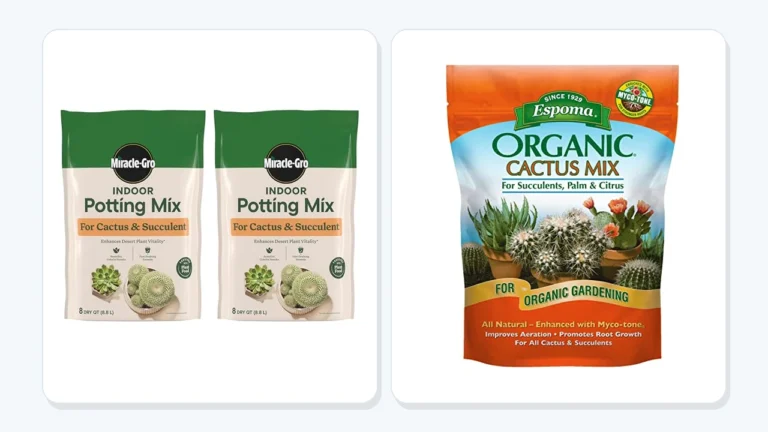
Succulents and cacti usually need excellent drainage, but a bag labeled for succulents isn’t a promise that the mix will work in every climate or pot. You may need to adjust the blend to match your watering habits and container. For more detail, compare potting soil for succulents before repotting a plant that dislikes staying wet.
Flowers cover a wide range of plants, from annuals in patio pots to perennials in containers. A flower mix may include fertilizer or ingredients aimed at moisture retention, but your plant’s feeding needs and the label’s instructions should guide how you care for it. The right mix for flowers depends on more than the promise of bigger blooms.
Outdoor pots face sun, wind, and rain, which can change how quickly the medium dries. A blend suitable for a sheltered indoor pot may not be the best fit for an exposed patio planter. Check the mix for outdoor plants against your container, location, and plant.
Match the Mix to the Container
The container changes how a mix behaves. A small pot dries faster than a large one, while a large planter filled with wet medium can become heavy and stay damp longer.
Drainage holes are important for most container plants because they let excess water escape. Decorative pots without drainage can be harder to manage; one option is to keep the plant in a nursery pot with holes and set that pot inside the decorative one, emptying any collected water.
Container gardening includes everything from a single balcony herb to a raised planter. The best mix for container gardening is the one that fits the plant and pot rather than a single formula for every container.
A large pot also holds more medium, so the bag’s weight and the container’s final weight matter if you need to move it. I’d avoid filling a deep planter with an overly dense mix just because the bag says it’s suitable for containers.
Make a Bag Choice Without Guesswork
Bag labels can help, but read them with a little care. Look for the intended plant or use, the ingredient list, whether fertilizer is included, and any directions about watering or feeding.
If you’re choosing between two products, ask:
- Does the mix suit the plant’s moisture needs?
- Does the container have drainage holes?
- Is fertilizer included, and for how long does the label say it feeds?
- Will the plant be indoors or outdoors?
- Can you keep up with the watering pattern this blend may need?
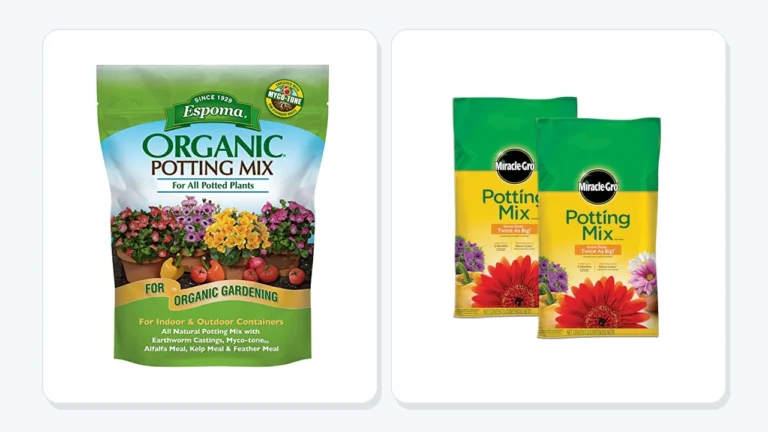
A potting soil buying guide can be useful if you’re comparing several products and want to narrow the choices by plant type. An organic potting soil option may suit gardeners who prefer that label, but organic certification or claims don’t automatically tell you whether the blend drains well for your plant.
When a Specialty Mix Makes Sense
Specialty mixes can save time when a plant has distinct needs, but they aren’t magic. Check what the product contains and whether it fits your care routine.
Seed-starting mixes are often finer and lighter than general container mixes. That texture can help small seeds and young roots, but a seed-starting product isn’t necessarily a complete growing medium for a mature plant.
Orchids, cacti, and some tropical plants may need blends with different particle sizes or ingredients than an all-purpose mix. I’d use a specialty mix when it solves a real drainage or moisture problem, not just because the packaging looks reassuring.
Some growers make their own blend to adjust the texture or avoid ingredients they don’t want. A useful homemade potting soil recipe needs clean materials and a sensible balance for the plant; tossing random yard soil and compost together isn’t the same as mixing a suitable medium.
How to Use, Maintain, and Troubleshoot Potting Soil
Use potting soil by filling a clean container with a suitable mix, setting the plant at the right depth, and watering so the medium settles without becoming waterlogged. The package directions and the plant’s needs should guide extra steps, especially fertilizing and watering frequency.
Pot Up a Plant Step by Step
Repotting is easier if you have the new pot, medium, and watering can ready first. Choose a container that suits the plant and has drainage holes when possible.
- Check the plant and pot. Look for damaged roots, old compacted medium, and drainage holes. Don’t move a plant into a much larger pot just for the sake of giving it “room.”
- Prepare the medium. Break apart clumps gently, and follow any directions on the bag. If the mix is extremely dry, it may need a little water before planting so it can absorb moisture more evenly.
- Add a base layer. Put enough mix in the container to hold the plant at the right height. The top of the root ball should sit below the rim, leaving room for watering.
- Set the plant in place. Keep the plant at roughly the same depth it was growing before, unless its care instructions call for something else. Avoid burying stems that are prone to rot.
- Fill around the roots. Add medium around the root ball and press lightly to remove large gaps. Don’t pack it down hard; roots need air, not a soil brick.
- Water thoroughly. Water slowly until excess drains from the holes, then let the pot drain. Empty standing water from an outer saucer or cover pot.
- Watch the plant. Check moisture and growth rather than watering on a fixed schedule alone. A newly repotted plant may need a little time to settle.
Use the same basic method whether you’re moving a small fern or a patio tomato, but adjust the mix and watering to the plant. The right way to use potting soil starts with giving roots a suitable medium and a container that can drain.
Important Tip: Don’t place rocks or gravel at the bottom of a pot as a substitute for drainage holes. A layer of stones doesn’t make a container with no outlet drain properly, and it takes up space that roots could use.
Water Based on the Mix, Not the Calendar
A fixed watering schedule can fail because pots dry at different rates. Sun, wind, pot size, plant growth, and the ingredients in the medium all affect how often you’ll need to water.
Check the medium with a finger or a simple moisture check near the root zone. If the surface is dry but the lower part of the pot is still damp, adding more water may keep the roots wet longer than the plant prefers.
When you water, aim to wet the root zone rather than sprinkling only the surface. Slow watering can help a dry mix absorb moisture instead of letting water run down a gap between the medium and the pot wall.
A waterlogged mix stays too wet for too long, often because drainage is poor or watering is too frequent. If the pot feels heavy and the medium remains wet, pause before adding more water and check the drainage holes.
Feeding and Fertilizer
Fertilizer replaces nutrients that plants use as they grow, but potting soil doesn’t always contain a full season’s supply. Some products include slow-release fertilizer, which releases nutrients gradually; the product label tells you whether it’s included and how long it is intended to last.
Adding fertilizer without checking the bag can lead to overfeeding. Too much fertilizer can harm roots or cause leaf damage, so follow the product label and the plant’s feeding needs rather than adding a second fertilizer automatically.
Organic matter in a mix can contribute nutrients, but it doesn’t tell you the full nutrient balance. Plants with specific growth or flowering needs may need a separate feeding routine, while slower-growing plants may need less frequent feeding.
Troubleshooting Common Potting Soil Problems
A plant’s leaves can hint at trouble, but no single symptom proves that the mix is the cause. Check the watering pattern, light, pot drainage, and roots before changing everything at once.
| What you notice | Possible cause | First useful check |
|---|---|---|
| Water sits on the surface | Compacted, very dry, or poorly wettable medium | Check whether water is moving through the pot |
| Pot stays heavy and damp | Too much watering, limited drainage, or a water-holding mix | Check drainage holes and moisture lower in the pot |
| Medium dries very quickly | Small pot, strong sun, wind, or a coarse blend | Check pot size, location, and watering frequency |
| White crust on the surface | Mineral or fertilizer buildup can contribute | Review water and fertilizer use, and inspect the roots |
| Small flying insects near the pot | Some insects breed in damp organic medium | Reduce excess moisture and identify the insect |
| Slow growth after repotting | Plant stress, poor conditions, or a mismatch in medium | Check light, watering, roots, and feeding directions |
If water runs down the sides without soaking the medium, the mix may have dried enough to resist wetting. Water slowly in stages, allowing time for moisture to spread through the root ball.
If the pot stays wet, don’t immediately add more perlite or dump the plant out. First check that the drainage holes aren’t blocked and that the container isn’t sitting in water; those simple fixes may solve the problem without a full repot.
Bugs, Mold, and Other Unwanted Guests
A few small insects around a pot can be frustrating, but identifying them is more useful than treating every bug the same way. Fungus gnats are small flying insects whose larvae can live in damp organic potting medium.
Letting the top layer dry between waterings may help reduce conditions that favor fungus gnats, as long as the plant can tolerate that change. Remove dead leaves from the surface and avoid leaving water in the saucer.
Mold on the medium’s surface can appear when conditions stay damp and airflow is limited. A small patch doesn’t automatically mean the plant is doomed, but persistent wetness is worth correcting. If you’re dealing with recurring insects, use a targeted plan for bugs in potting soil rather than applying an unidentified pesticide indoors.
Pro Tip: Water the plant, not the calendar. Check the medium first, and adjust for a sunny window, a drafty patio, or a pot that’s still heavy from yesterday.
Can You Reuse Potting Soil?
Potting soil can sometimes be reused if the previous plant was healthy and the medium hasn’t broken down into a dense, poorly draining mass. Reuse is less suitable when the old plant had a serious disease, pest problem, or root rot.
Before reusing medium, remove old roots, stems, and debris. Check the texture: if it’s compacted, sour-smelling, or no longer drains well, replacing it is usually a better bet than trying to rescue it.
Old potting soil may have fewer available nutrients than fresh mix, especially if a plant grew in it for a long time. Reuse doesn’t mean the soil is automatically ready for another plant; compare the details in a guide to reusing potting soil before using it for a valuable or vulnerable plant.
Don’t assume that adding fertilizer makes old mix fresh again. Fertilizer can add nutrients, but it won’t fix poor structure, contamination, or a drainage problem.
Does Potting Soil Go Bad?
Potting soil doesn’t have one universal expiration date, but storage and condition matter. A sealed, dry bag stored off the ground may remain usable longer than an open bag left outdoors in wet weather.
Check the bag for water damage, pests, unpleasant odors, or a mix that has become hard and compacted. A stale smell or visible signs of contamination are good reasons to avoid using that bag around healthy plants.
Moisture in an open bag can encourage mold or attract insects, especially if the bag sits in a damp shed. For more storage guidance and signs to watch for, read about whether potting soil goes bad before using an old bag.
Safety and Storage
Potting soil can be dusty, and some products contain fertilizer or other amendments. Read the label, avoid breathing dust, wash your hands after handling the mix, and keep bags away from children and pets.
Store unused medium in a dry place, ideally sealed or covered so rain and pests can’t get in. Don’t store it where runoff could reach food-prep areas or where a pet can tear open the bag.
If the bag’s label gives special handling or disposal directions, follow them. If you’re unsure about an unfamiliar ingredient, check the product label or contact the maker rather than guessing.
- Potting soil is made for container roots, not for every plant or every pot.
- Match moisture retention and drainage to the plant and your watering habits.
- Check the label, use containers that drain, and watch the mix’s condition over time.
FAQs About What Is Potting Soil
Is potting soil the same as potting mix?
No, the terms aren’t always used consistently. Potting mix often refers to a container blend without field soil, while potting soil may describe a wider range of bagged growing media. Read the ingredient list and intended-use directions, since those details matter more than the product name.
Can I use potting soil for indoor plants?
Yes, many indoor plants grow well in potting soil made for containers. Match the blend to the plant’s moisture needs, and use a pot with drainage when possible. A moisture-loving tropical plant and a drought-tolerant succulent may need different mixes even though both live indoors.
Is potting soil safe for vegetables?
Yes, a product labeled for container growing can be suitable for vegetables if it meets the plant’s needs and the bag’s directions. Choose a clean container with drainage and use a mix intended for growing plants. Follow fertilizer directions, especially for edible crops.
Do I need to add fertilizer to potting soil?
Not always. Some potting soils contain fertilizer, while others don’t or provide only a limited feeding period. Check the bag before adding more, then follow the plant’s feeding needs and fertilizer label.
Extra fertilizer isn’t a shortcut to faster growth and can harm roots.
Can potting soil be used in raised beds?
Sometimes, but a potting mix may not be the most practical choice for filling a large raised bed. Raised beds hold far more material than a typical pot, so use a growing medium suited to the bed’s size, location, and crops. Check the product directions before buying several bags.
How often should I replace potting soil?
There’s no single schedule that fits every plant and pot. Consider replacing the medium when it’s compacted, drains poorly, smells unpleasant, has a pest or disease problem, or no longer suits the plant. A healthy plant in a sound, well-draining mix may not need an automatic annual replacement.
Choose a Mix Your Plant Can Live With
Potting soil is less mysterious once you focus on what roots need: enough moisture, enough air, and a way for extra water to leave the pot. The best bag for you depends on the plant, container, location, and how you water, not just the words printed in big type on the front.
I’d start with a basic container mix for a plant with ordinary needs, then choose a specialty blend when you can name the problem it solves. That keeps the choice practical and makes it easier to notice when the mix isn’t working.
Your clearest next step is to check the plant’s moisture needs and the container’s drainage before buying or repotting. Once those two pieces line up, choosing potting soil gets a lot less fussy.

I’m Maya L. Greenwood, a lifelong plant lover who believes anyone can grow something beautiful with the right guidance. After years of testing soil mixes, pruning methods, irrigation tricks, and pest-safe solutions, I started EasyGardenTips.com to turn hard-won lessons into step-by-step advice. From seed starting and container gardens to composting and seasonal checklists, my goal is to make gardening simple, sustainable, and fun.