
5 Best Netting for Raised Beds to Keep Birds and Bugs Away
A bad netting choice can leave gaps at the soil line, snag growing plants, or turn a small raised bed into a fussy daily chore. If the mesh is too loose for the pests in your garden, birds and insects can still reach the leaves and fruit, while a poor fit may blow away or press on tender stems.
The right choice depends on three simple things: the bed’s outside size, the pests you need to block, and how you plan to hold the cover above the plants. A close fit helps stop animals from slipping underneath, while enough height keeps the mesh from rubbing against leaves and fruit.
Here’s what the guide covers:
- How to match net dimensions to a raised bed and support frame.
- Which mesh details matter for insects, birds, and small animals.
- How to secure, water, inspect, fold, and store garden netting.
- Which common mistakes cause gaps, torn mesh, or trapped plants.
Quick Picks
-
Best For Small 4-by-2-foot beds

2 Pack Garden Netting for Raised Beds,
Fine nylon mesh and adjustable drawstrings help block pests while keeping small raised beds easy to water and uncover.
-
Best For Tight insect protection

2 PCS Garden Netting for Raised Beds
Ultra-fine HDPE mesh and drawstrings help keep insects and small animals out while rain and sunlight pass through.
Top 5 Nettings for Raised Beds at a Glance
Small-bed gardeners should start with the first two covers, while gardeners protecting several beds or long rows need cut-to-size rolls. The main differences are the finished size, whether drawstrings are included, the material, and whether support poles are part of the package.
| Product image | Product name | Check product |
|---|---|---|
| 1 |
2 Pack Garden Netting for Raised Beds, | Check Price |
| 2 |
2 PCS Garden Netting for Raised Beds | Check Price |
3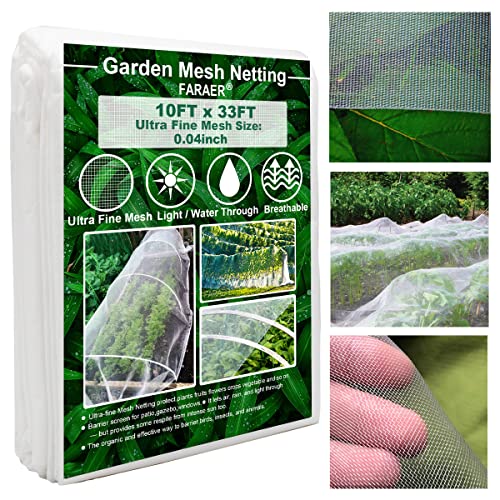 |
Garden Netting, Plant Covers 10x33Ft Net Ultra | Check Price |
4 |
Alphatool 2 Pack 6.5x10ft Garden Netting, Ultra | Check Price |
5 |
Alphatool 10x20ft Large Garden Netting, Ultra Fine | Check Price |
5 Best Nettings for Raised Beds: Detailed Reviews
When I chose the best netting for raised beds, I paid attention to finished dimensions, mesh fineness, material, closure style, and how much work is needed to secure each cover. Those details decide whether the barrier blocks the pest you have, stays off the leaves, and remains practical to lift for harvest.
The five choices cover compact fitted covers and larger sheets that you cut or anchor yourself. Comparing them side by side helps you avoid buying a roll that is far too large for a balcony bed or a small cover that leaves your tomatoes exposed.
1. 2 Pack Garden Netting for Raised Beds,
Fine nylon mesh and adjustable drawstrings help block pests while keeping small raised beds easy to water and uncover.
- Color4 X 2 Ft
- Number Of Items2
- Quality MaterialThe plant netting for garden is made of nylon fabric, which is lightweight, breathable, and has ultra fine mesh and
- WeightNot listed; check details
Garden Netting for Raised Beds is a fitted nylon cover for gardeners protecting compact raised beds, seedlings, vegetables, fruit, or flowers from insects, birds, and small animals.
The fine mesh is a tightly woven screen with small openings. That gives Garden Netting for Raised Beds a better chance of blocking tiny garden visitors than a wide bird net, while still allowing sunlight, water, and air to reach the plants.
The practical benefit is that watering does not have to become a full production. Garden Netting for Raised Beds is described as allowing water through the mesh, so you can leave the cover in place during normal watering instead of lifting it every morning.
This cover also uses a drawstring, a cord that tightens the lower edge around the bed. Pulling the cord reduces the gap along the bottom, which matters because a beautiful cover with an open skirt is basically a welcome mat for rabbits and other small animals.
The listed size is 4 x 2 feet, and the package includes two covers. The stated bed fit includes 4 x 2 x 1-foot, 4 x 2 x 1.5-foot, and 4 x 2 x 2-foot raised beds, plus two 2 x 2 x 1-foot beds.
The main limitation is the compact footprint. Garden Netting for Raised Beds is not the right starting point for a long bed, a wide garden row, or a tall cage unless the measurements leave enough room around the plants.
Pros:
- Fine nylon mesh, blocks insects while allowing air and water through.
- Drawstring edge, tightens the cover around the bed.
- Two covers included, protects separate compact growing spaces.
- Lightweight fabric, places less weight on young plants.
- Stated 4 x 2-foot size, suits common small raised beds.
Cons:
- Compact dimensions, do not cover large beds or long rows.
- Support hoops are not listed, so the mesh may rest on plants.
- Exact color is not clearly identified by the supplied details.
Buy it if: you have one or two small raised beds, because the fitted 4 x 2-foot shape and drawstrings reduce measuring and fastening work.
Skip it if: you need one large sheet for several beds, because the compact covers leave too little material, and a roll-style garden net would suit you better. For another fit, consider Pcs or Garden.
I’d pick Garden Netting for Raised Beds when a beginner wants a straightforward cover for a standard small bed. The drawstring is the useful part because closing the bottom edge is often harder than placing the mesh over the plants. Double-check the height and outside measurements of your bed before buying, especially if you use hoops.
This cover makes the most sense for compact beds that need a fitted pest barrier rather than a custom garden structure.
2. 2 PCS Garden Netting for Raised Beds
Ultra-fine HDPE mesh and drawstrings help keep insects and small animals out while rain and sunlight pass through.
- Size4×8 FT
- ColorWhite
- Number Of Items2
- WeightNot listed; check details
Garden Netting 4×8 FT is a two-piece cover for 4-by-2-foot raised beds, planters, pots, and similar small growing spaces where insect protection is the main concern.
The cover uses ultra-fine 0.04-inch mesh, according to the feature details. Mesh size describes the opening between strands, and smaller openings can make it harder for small insects to reach leaves and developing crops.
That fine screen is useful for gardens dealing with aphids, snails, moths, or other small pests. Garden Netting 4×8 FT is also described as letting sunlight, rain, and air pass through, so normal plant care can continue without removing the cover each time.
The material is HDPE, short for high-density polyethylene, a plastic used in many outdoor garden fabrics. The listing describes this HDPE mesh as tear-resistant, cold-tolerant, and UV-protected, which can help the cover handle outdoor exposure when stored and used carefully.
A drawstring gives Garden Netting 4×8 FT an adjustable opening. Tightening that opening can help limit wind movement and reduce the lower gap around a rectangular or oval bed.
The supplied size information is slightly inconsistent in the title and feature text, so check the actual dimensions shown on the purchase page before ordering. The stated measurements include 130 x 80 x 55 centimeters and 4.3 x 2.6 x 1.8 feet, while the structured size field says 4×8 FT.
Pros:
- 0.04-inch mesh, targets small insects as well as larger pests.
- HDPE material, offers a light and tear-resistant covering.
- UV-protected construction, better suited to repeated outdoor exposure.
- Drawstring opening, helps close gaps around the bed.
- Two covers included, useful for separate planters or beds.
Cons:
- Size details conflict, so measurements need checking before purchase.
- No support poles are listed, so tall plants may need a frame.
- Very fine mesh, may need inspection if leaves grow into it.
Buy it if: you want fine insect screening for a small bed, because the 0.04-inch mesh and drawstring closure address both pest entry and bottom gaps.
Skip it if: you dislike checking measurements before ordering, because the listed dimensions vary, and a clearly sized cut-to-fit sheet would suit you better. 2 Pack Garden Netting for Raised and Garden Netting, Plant Covers 10x33Ft Net are worth a closer look instead.
What I like about Garden Netting 4×8 FT is the focus on small pest openings rather than only bird protection. The HDPE material and UV-protection claim also make the cover appealing for gardeners who plan to fold and reuse the mesh. The measurement mismatch is a real reason to pause, so compare the bed, hoops, and product dimensions carefully.
Choose this cover when insect exclusion matters more than covering a large area quickly.
3. Garden Netting, Plant Covers 10x33Ft Net Ultra
The catalog lists 【Ultra-Fine Mesh Netting】Large Size 10×33 Feet provide more security, Ultra Fine Garden Netting has a 0.8mm x . Compare fit and care needs before choosing.
- Size10ftx33ft
- ColorWhite
- Number Of Items1
- WeightNot listed; check details
Garden Netting 10x33Ft is a large white mesh sheet for gardeners covering long rows, several plants, garden beds, shrubs, or a custom support frame.
The sheet measures 10 x 33 feet, giving you much more working material than a fitted 4-by-2-foot cover. Garden Netting 10x33Ft can be cut to size, which helps when one garden has an unusual shape or several beds that do not share the same dimensions.
Its ultra-fine mesh is listed as 0.8 millimeters by 1 millimeter. Mesh openings of that scale are intended to form a closer barrier than coarse bird netting, while the oblong construction lets air and moisture pass through.
The ability to water and apply liquid feed through the mesh reduces daily handling. That matters for a long row, because lifting a large sheet every time you water can pull at stakes, disturb the edges, and create new openings.
Garden Netting 10x33Ft uses PE, or polyethylene, with a stated stabilized construction. Stabilized outdoor plastic is made to handle exposure better than an unprotected sheet, though careful storage still matters if you want to reuse the netting year after year.
The sheet does not have a built-in fitted edge or drawstring listed. You will need to anchor the cut material with stones, soil, or stakes, and the cover works best over hoops or another support when plants are tall.
Pros:
- 10 x 33-foot sheet, covers long rows and multiple growing areas.
- 0.8 by 1 millimeter mesh, creates a fine pest barrier.
- Cuttable PE material, adapts to unusual bed shapes.
- Water passes through, reduces the need to remove large sections.
- Reusable construction, supports careful seasonal storage.
Cons:
- No drawstring is listed, so the edges need separate anchoring.
- Large sheet, can be awkward to fold and position alone.
- Support poles are not listed, so tall crops need a separate frame.
Buy it if: you need one adaptable sheet for long rows or several beds, because the 10 x 33-foot size can be cut and secured to fit.
Skip it if: you want a fitted cover that goes on in seconds, because this sheet needs measuring, cutting, and separate anchors, and a drawstring cover would suit you better. If those trade-offs rule it out, Garden or Pcs may suit you better.
I’d choose Garden Netting 10x33Ft for a gardener who has more area to protect than a small fitted cover can handle. The large size and cuttable design give you room to solve odd layouts without joining several small pieces. The trade-off is that anchoring becomes your job, and loose edges are where pests find their invitation.
Pick this sheet if you are comfortable using hoops, stakes, or soil to create a custom barrier.
4. Alphatool 2 Pack 6.5x10ft Garden Netting, Ultra
The catalog lists Package Information: The package includes 2 packs of 10 x 6.5ft garden netting, suitable for greenhouse and ra. Compare fit and care needs before choosing.
- Size6.5 x 10 ft (2 pack)
- ColorWhite
- Is Adult ProductFalse
- Number Of Items2
Alphatool Garden Netting 6.5 x 10ft is a two-pack of white PE mesh for raised beds, greenhouses, garden hoops, patios, and small farm or garden areas.
Each sheet is listed as 10 x 6.5 feet, and two pieces are included. That size can cover a medium raised bed or provide separate pieces for two growing spaces, depending on the bed height and how much material must reach the ground.
The tiny reticulation, meaning the small openings in the mesh, allows water and light through while forming a barrier against birds and animals. Being able to see through the white mesh also lets you check leaves and fruit without uncovering the whole bed.
Alphatool Garden Netting 6.5 x 10ft can be cut to a needed size. Cutting is helpful for a custom fit, but measure twice before trimming because a sheet that is short by a few inches may leave an open corner that no amount of optimism will close.
The PE material is described as sturdy and reusable when preserved properly. The cover does not include support poles, so use garden hoops, stakes, or another frame if the mesh needs to stay above the foliage.
The netting has no listed drawstring or sewn closure. You will need to anchor the edges and check them after wind, watering, or garden work.
Pros:
- Two 6.5 x 10-foot sheets, gives flexible medium-area coverage.
- White PE mesh, allows light and water through.
- Cuttable material, fits different bed and hoop layouts.
- See-through screen, makes plant checks easier.
- Reusable design, supports storage between growing seasons.
Cons:
- Support poles are excluded, so a frame costs extra if needed.
- No built-in drawstring is listed, requiring separate edge anchors.
- Cutting the sheet, reduces the chance of reusing that section elsewhere.
Buy it if: you want two medium sheets for custom raised-bed coverage, because the cuttable PE mesh can fit beds, hoops, patios, and garden areas.
Skip it if: you need a sealed lower edge without extra hardware, because this mesh has no listed drawstring, and a fitted cover would suit you better.
To me, the smartest feature of Alphatool Garden Netting 6.5 x 10ft is the two-sheet format. Two pieces are easier to assign to separate beds than one oversized roll, and the see-through mesh makes plant checks less annoying. Remember that the package does not include support poles, and plan the anchors before cutting.
This is a sensible choice for medium beds when you already have hoops or a simple way to hold the edges down.
5. Alphatool 10x20ft Large Garden Netting, Ultra Fine
The catalog lists Package Information: The package includes 1 pack of 20 x 10ft garden netting, suitable for greenhouse and larg. Compare fit and care needs before choosing.
- Size10 x 20 ft
- Color20 X 10
- Number Of Items1
- Premium & Durable MaterialOur mesh net plant cover is made of high-quality PE material featuring sturdy and durable, which can do its job to
Alphatool Large Garden Netting 10 x 20ft is a single large white PE sheet for broad raised beds, greenhouses, garden rows, and larger plant areas.
The 10 x 20-foot size gives you a generous rectangle for covering a wide bed or several plants under one frame. A large sheet can reduce the number of seams, but it also needs more room to spread out and more anchors to keep wind from lifting the edges.
The fine mesh allows light and water through while helping keep birds and small animals away from vegetables, fruit, and flowers. That means the plants can continue receiving sunlight and rain while the cover remains in place.
The sheet can be cut into smaller pieces for different areas. This flexibility is useful when your garden changes, though every cut should leave enough overlap for anchoring and for the height of the plants underneath.
Alphatool Large Garden Netting 10 x 20ft uses PE material and is described as reusable when preserved properly. The product does not include poles, and no drawstring closure is listed, so the finished setup depends on your hoops, stakes, stones, or soil anchors.
The main limitation is handling. A 10 x 20-foot sheet can be more material than a beginner needs for a single small bed, and folding a large damp sheet invites tangles and storage problems.
Pros:
- 10 x 20-foot size, covers broad beds and garden areas.
- Fine white mesh, allows light and water to reach plants.
- Cuttable PE sheet, adapts to changing garden layouts.
- See-through design, supports visual plant checks.
- One large piece, reduces the need for several joined sections.
Cons:
- One large sheet, may be excessive for a small bed.
- Support poles are not included, so tall crops need a frame.
- No drawstring is listed, requiring careful edge anchoring.
Buy it if: you need broad coverage for a large bed or garden area, because the 10 x 20-foot sheet gives room for a custom frame.
Skip it if: your garden has one compact raised bed, because extra fabric can be awkward to manage, and a fitted small-bed cover would suit you better.
I’d reserve Alphatool Large Garden Netting 10 x 20ft for gardeners who already know the area they want to cover. The large rectangle is useful when one sheet can span a wide frame, and cutting allows later changes. My hesitation is simple: a large loose cover can become a sail in strong wind if the edges are not well secured.
Choose this sheet after measuring the full bed and frame, including the distance down to the soil.
How to Choose the Best Netting for Raised Beds
The best netting for raised beds should match the bed’s outside dimensions, the pests you are blocking, and the support method you can maintain. A close lower edge matters as much as the mesh because small animals can enter through surprisingly narrow openings.
Measure the bed and frame
Measure the outside length, outside width, and height from the soil or bed rim to the top of the hoops. Add enough material to reach the ground on every side, with extra fabric for stakes, stones, or a drawstring.
A fitted 4-by-2-foot cover suits a compact bed only when the bed and plant height match the stated fit. A large sheet should be sized from the full frame, not just the wooden box, because the cover must travel over the top and down the sides.
For unusual shapes, leave overlap at corners. A cover that is exactly the same length as the bed may look tidy on paper but leave no room to secure the edge.
Choose mesh for the pest
Mesh is the screen opening between the woven strands. Coarse netting can deter birds while allowing small insects through, while fine mesh is more useful against tiny flying or crawling pests.
Look at the listed opening size when the goal is insect exclusion. The 0.04-inch mesh listed for Garden Netting 4×8 FT is a different type of barrier from a wide bird net, while the 0.8 by 1 millimeter mesh listed for Garden Netting 10x33Ft is intended as a fine screen.
No mesh size can solve every garden problem. Check the lower edge, corners, and places where a plant stem pushes against the fabric, because pests often use gaps rather than passing through the screen.
Decide between fitted covers and sheets
A fitted cover is ready to place over a known bed size. Drawstrings make the lower edge easier to tighten, which saves time for a beginner who does not want to arrange stones or stakes each time.
A cuttable sheet gives more flexibility for long rows, unusual beds, and multiple growing areas. The cost is setup work, since you must measure, cut, support, and anchor the material yourself.
Use a fitted cover for a compact bed that matches the listed dimensions. Choose a sheet when the garden layout changes or one cover needs to span a larger frame.
Plan the support height
Support height is the space between the soil and the highest part of the mesh. The cover should not press tightly against leaves, flowers, or fruit because wind movement can rub the plant against the fabric.
Short seedlings may work with the mesh resting lightly above the soil, but tomatoes, peppers, beans, and other tall crops need hoops or a cage. Check plant height every few days during fast growth.
The listed products do not include support poles unless the purchase details say otherwise. Treat poles, hoops, clips, and stakes as separate setup needs.
Check material and outdoor care
Nylon and PE are lightweight materials used for garden mesh. Nylon can feel soft and flexible, while PE sheets are often chosen for larger outdoor covers and can be cut to size.
Look for stated features such as UV protection, tear resistance, or reuse instructions, but do not assume a fabric will survive every season without care. Sun, wind, sharp stakes, wet storage, and animals can shorten the life of any garden screen.
For a garden with intense sun or frequent wind, choose a setup that can be removed, folded dry, and inspected regularly. Material alone cannot make up for loose anchoring.
Match the cover to the crop
A barrier that keeps insects away can also keep pollinators away. If a flowering crop needs bees or other pollinators, plan to remove the mesh during the needed flowering period or hand-pollinate as appropriate for that crop.
Fruit, leafy greens, seedlings, and flowers can all need different protection. A fine cover is helpful for small pests, while a bird problem may call for enough height to keep birds from pecking through the fabric.
Gardeners growing strawberries may also need a different bed shape or support plan than gardeners growing lettuce. A raised bed for strawberries can be easier to protect when the cover does not press against fruit near the edges.
How to Use Netting for Raised Beds for the Best Results
Install the barrier before pests become a daily problem, and keep the mesh above the foliage whenever possible. A clean fit, closed bottom edge, and regular inspection do more than simply draping fabric over a bed.
- Clear sharp sticks, broken plant tags, and rough edges from the bed area.
- Install hoops, a cage, or another support if the plants need headroom.
- Place the mesh over the frame with equal coverage on both sides.
- Lower the edges to the soil or bed rim before securing anything.
- Tighten a drawstring or add clips, stones, soil, or stakes around the edge.
- Leave enough slack for plant growth without letting the fabric sag into leaves.
- Water through the mesh only when the material is designed to allow water through.
- Check under the edge and inside the cover after windy weather or garden work.
- Lift one section for harvesting, then close and secure that section again.
Do not pull a large sheet across wet plants if the mesh can snag stems. Move slowly, support the fabric with both hands, and repair a small tear before the opening grows.
If a cover is meant to exclude pollinators, use it only during the part of the growing cycle when insect access is unwanted. Remove or open it when the crop needs pollination, then replace it after that task is complete.
How to Make Your Raised Bed Netting Last Longer
Most garden netting lasts longer when the edges stay clear of sharp objects and the fabric is stored dry. The simple routine is to inspect during use, clean gently when needed, and fold the mesh loosely before seasonal storage.
Check the cover at least once a week during active growth. Look for holes, stretched corners, loose stakes, and plants touching the mesh, then correct small problems before birds or insects find them.
Keep the netting away from thorny stems and unfinished wood splinters. If a support hoop has a sharp cut end, cover the end before placing mesh over it.
Brush off loose soil and leaves before folding. If the fabric needs washing, use gentle water and allow the netting to dry fully in a shaded, airy place before storage.
Do not store damp mesh in a sealed plastic tub or bag. Moisture can create unpleasant odors and may weaken some fabrics over time.
Label cut pieces by size if you use a large sheet for several beds. This small step saves time next season and prevents you from trimming a piece that would have fit another area.
Remove the cover before heavy snow, ice, or severe weather if the support system is not built for that load. Wet fabric can become much heavier than it feels when dry, especially when leaves and soil collect on top.
Store the folded mesh away from rodents, pets, and sharp garden tools. A mouse hole or accidental cut can turn a reusable cover into a repair project before spring planting begins.
Common Mistakes to Avoid When Buying and Using Raised Bed Netting
The most common failures come from poor measurements, open edges, and supports that are too short. Each mistake is easy to prevent if you plan the cover around the whole bed, not only the top surface.
- Buying by bed length alone: measure the top, sides, and anchoring overlap so the cover reaches the ground.
- Choosing coarse netting for tiny insects: check the mesh opening when aphids or small flies are the concern.
- Leaving a bottom gap: tighten a drawstring or use soil, stones, clips, or stakes along the full edge.
- Letting mesh rest on leaves: add hoops or a cage so wind does not rub plants against the fabric.
- Forgetting plant growth: leave headroom for the crop’s mature size instead of fitting only today’s seedlings.
- Cutting before checking the frame: assemble or measure the support area first, then trim the sheet.
- Assuming poles are included: read the package details and plan separate hoops or stakes when poles are excluded.
- Covering flowering crops without a pollination plan: remove the screen when pollinators need access.
- Ignoring wind direction: place extra anchors on exposed sides and inspect the cover after gusts.
- Storing wet mesh: dry the fabric completely before folding it for the next season.
A useful cover can still fail if the garden design gives pests a route underneath. Walk around the bed at eye level and look for light showing through the lower edge, corners, and joins.
How to Set Up Raised Bed Netting
Setup is easiest when you build the support and plan the anchors before placing the fabric. Fitted drawstring covers take fewer steps, while large cuttable sheets need more care around measurement and trimming.
- Measure the bed and the planned frame, including height and side overlap.
- Choose hoops or a cage tall enough to clear the mature plants.
- Smooth the bed rim and remove sharp debris that could catch the mesh.
- Place the supports at even intervals so the cover does not sag between them.
- Spread the mesh over the frame with the center aligned to the bed.
- Pull each side down evenly, leaving enough material for the anchors.
- Tighten the drawstring or secure the edge with clips, stakes, stones, or soil.
- Walk around the entire bed and close every visible gap.
- Water, inspect the plants, and adjust the height if leaves touch the screen.
For cuttable sheets, do not trim until the material is positioned over the frame. Mark the cutting line with extra overlap, since a neat edge that cannot reach the soil is not useful.
A raised bed garden fence can make sense when deer, rabbits, or larger animals are the main problem. Fine netting is better suited to insect and bird exclusion, so the physical barrier should match the size and behavior of the pest.
For frost, harsh sun, or sudden weather, choose a cover designed for that job rather than assuming pest mesh provides the same protection. A raised bed cover for frost and sun may use a different fabric or support arrangement than insect netting.
Common Questions About Netting for Raised Beds
Does raised bed netting stop birds?
Fine garden netting can help keep birds away when the mesh covers the plant area and the lower edge is secured. A loose sheet with gaps at the soil line may still allow birds or other animals inside. Use enough height to keep fruit and leaves from pressing against the fabric.
What mesh size is best for garden insects?
A smaller opening is generally better for excluding smaller insects, but the exact choice depends on the pest and the crop. The listed choices include fine openings such as 0.04 inch and 0.8 by 1 millimeter. Always inspect the edges because pests often enter through gaps rather than the mesh.
Can you water plants through garden netting?
Yes, many garden nets are designed to let water pass through, including the covers described here. Test the flow with a gentle stream before relying on the cover, especially if the mesh is stretched tightly or leaves collect water. Liquid plant feed may also pass through, but follow the product instructions for the feed.
Does netting need hoops over a raised bed?
Hoops are not always required for short plants, but they help keep mesh away from leaves and fruit. Tall crops need a frame because fabric resting on foliage can rub, catch wind, or restrict growth. The listed products do not include support poles, so check your setup needs before ordering.
How do you secure garden netting in wind?
Secure the full lower edge rather than anchoring only the corners. Drawstrings, stakes, clips, stones, and shallow soil coverage can all help, depending on the cover. Add support to the top when needed, and inspect the barrier after strong gusts for lifted edges or torn sections.
Can garden netting be reused next year?
Garden netting can often be reused when the mesh is inspected, dried, folded carefully, and stored away from pests and sharp tools. Reuse depends on the fabric, sunlight exposure, tears, and how well the edges were handled. Repair small holes before storing the cover so they do not grow during the next installation.
Measure Before You Cover the Bed
The next step is simple: measure the bed, frame, and required edge overlap before choosing between a fitted cover and a large sheet. Pick fine mesh for small insects, plan support height for mature plants, and make sure every lower edge can be closed before planting continues.

I’m Maya L. Greenwood, a lifelong plant lover who believes anyone can grow something beautiful with the right guidance. After years of testing soil mixes, pruning methods, irrigation tricks, and pest-safe solutions, I started EasyGardenTips.com to turn hard-won lessons into step-by-step advice. From seed starting and container gardens to composting and seasonal checklists, my goal is to make gardening simple, sustainable, and fun.
One Comment