Worx Electric Leaf Blower Review: Features, Pros, Cons, and Buyer Advice
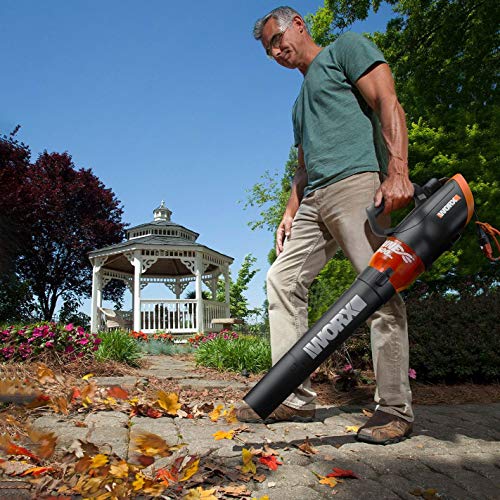
The WORX WG520 is a corded electric leaf blower for homeowners who want to clear leaves and everyday yard debris without dealing with gas or battery charging. Its strongest fit is a yard with reachable outdoor outlets and a mix of driveways, patios, walkways, and lawn edges to tidy.
Its listed output is up to 600 CFM and 110 MPH, with two-speed control. In practical terms, the airflow volume can help move a broad spread of leaves, while the speed gives you a higher setting for more stubborn debris.
The trade-off is the cord. You’ll need to manage it as you move, and the blower’s reach depends on where your outlets are and what extension cord the instructions allow.
Here’s what those specifications mean in everyday cleanup, what to check before buying, and who may be happier with a different kind of yard tool.
WG520 600 CFM 110 MPH Airflow 2-Speed Control

Features and Specifications
The WG520 keeps its feature set focused: electric power from an outlet, two airflow settings, and a design built to push air across outdoor surfaces. That simplicity can be appealing if you’d rather plug in and get started than maintain a gas engine or plan a cleanup around battery charge.
| Specification | What it means for you |
|---|---|
| 12-amp corded motor | It runs from an electrical outlet, so there’s no battery to recharge or gas to refill. You’ll need a suitable power connection within reach. |
| Up to 600 CFM | CFM measures air volume. A higher volume can help move a wider swath of leaves across open areas. |
| Up to 110 MPH | MPH describes air speed. It can help direct airflow at loose debris, though it doesn’t tell the whole story by itself. |
| Two-speed control | You can choose a lower or higher setting, giving you a more controlled option for lighter cleanup and a stronger one for open areas. |
| 6.4 pounds | That listed weight is relatively easy to carry between cleanup spots compared with heavier yard equipment, though you’ll still be holding it during use. |
CFM and MPH describe different aspects of airflow, so neither number should be treated as a complete measure of performance on its own. A worx electric leaf blower review should make that distinction clear: moving a broad layer of dry leaves and nudging a few damp, stuck leaves are different jobs.
What’s included
The listing identifies one leaf blower in the box. It doesn’t list an extension cord, so don’t assume one is included. Check the product instructions for cord requirements before choosing a cord, and consider how far you’ll need to work from an outlet.
The manufacturer listing describes turbine fan technology intended to move a wide stream of air. That’s a design feature, not a promise that every pile will clear at the same pace; leaf type, moisture, ground cover, and how tightly debris is packed all affect the job.
Everyday Use and Performance
For routine clearing, the two speed settings offer a useful choice: less airflow for controlled work near a doorway or garden edge, and more for sweeping a loose layer of leaves across a driveway or patio. That’s the intended practical advantage of having more than one setting; the listing doesn’t specify exact output for each speed.

Air volume matters when you’re trying to move a broad spread without constantly aiming at individual leaves. The WG520’s listed maximum of 600 CFM may suit open surfaces where you can gather debris into a pile. It doesn’t guarantee the same results on every lawn or with wet, matted leaves.
Match the tool to the debris
Dry leaves, grass clippings, and other light yard debris are the most straightforward targets for a blower. For damp leaves stuck to pavement or dense piles tangled in ground cover, expect to work more slowly and make several passes rather than relying on a single sweep.
Air speed can help direct a stream toward debris, but a higher MPH figure doesn’t automatically mean a better blower for every task. CFM also matters because it describes how much air is moving. Keep both figures in perspective when comparing tools.
The cord changes the rhythm of cleanup. You’ll need to keep it behind you and make sure it doesn’t snag on steps, shrubs, furniture, or the debris you’re moving. On a small patio near an outlet, that may feel like a reasonable trade. Across a larger yard with awkward access, it can become the part you notice most.
Because the WG520 is corded, it doesn’t need battery charging breaks or gas refills during a cleanup. That can be convenient for longer sessions, provided the outlet and cord arrangement suit the area. The blower won’t solve a shortage of reachable power.
Design, Fit, and Setup
At 6.4 pounds, the listed weight should make the WG520 manageable to carry between work areas for many people. Weight is only one part of comfort, though: you’ll still hold and guide the blower, and the cord needs attention while you move. Anyone with limited grip strength or shoulder comfort should consider how long they expect to use it at a time.
There’s no battery pack to install or fuel mixture to prepare. Setup is mainly about having a compatible outdoor power connection, following the manual’s cord guidance, and choosing a route that keeps the cord away from the nozzle and the area being cleared.
Check your reach first
The product listing doesn’t state a cord length, so measure the distance from your outlet to the farthest cleanup area rather than guessing. If an extension cord is needed, check the manual for the appropriate type and requirements; don’t assume that any household cord is suitable for outdoor use with this tool.
Also think about where leaves will go. A blower moves debris but doesn’t collect or mulch it. If you need to clear a long walkway, plan a spot to gather the leaves so you don’t simply push them into another part of the yard.
The listing doesn’t provide dimensions, noise figures, or specific storage details. If you have limited storage space or are sensitive to noise, verify those details from the product documentation before ordering. For any blower, use appropriate eye protection and avoid directing airflow toward people, pets, or loose objects.
What Works Well (pros)
- No gas or battery charging: Outlet power avoids fuel refills and battery wait time, which may suit frequent or extended home cleanup.
- Useful airflow figures: Up to 600 CFM and 110 MPH give buyers concrete output specifications to compare with other blowers.
- Two-speed control: A lower and higher setting give you options for controlled clearing or broader, more forceful airflow.
- Manageable listed weight: At 6.4 pounds, it’s easier to carry from a driveway to a patio than a heavier yard machine may be.
- Simple, focused job: It’s a blower for moving debris, without extra vacuum or mulching components to switch between.
Those strengths are most useful when the job is mainly moving loose leaves and debris, and a corded setup fits your property. The simpler design won’t be the right answer for every cleanup routine, though.
Where It Falls Short (cons)
- The cord limits your working range: Outlets, obstacles, and cord routing can interrupt movement, especially across a large or divided yard.
- It doesn’t collect or mulch leaves: You’ll still need to gather and dispose of the piles yourself, or use another tool for collection.
- Outdoor cord requirements need checking: The listing doesn’t specify a cord length or include an extension cord, so you’ll need to confirm what your setup requires.
- Two settings aren’t fine-grained control: If you want to adjust airflow gradually for delicate beds or tight spaces, the listed two-speed control may offer fewer choices than you prefer.
These are fit constraints, not proof of a defect. The practical question is whether the tool’s corded, blower-only format matches how you work. A strong airflow rating won’t make an inconvenient outlet location or an unwanted cleanup step disappear.
Who Should Buy It?
The WG520 makes the most sense for a homeowner who regularly clears leaves from surfaces near an outdoor outlet and prefers corded power to keeping batteries charged. It may be a good match for patios, decks, walkways, and driveways where moving debris into a pile is the main task.
It’s also worth considering if you want a relatively light blower for short, repeat cleanup sessions and don’t need one tool to vacuum or mulch. The 12-amp motor and continuous corded operation may suit a routine where the work area has a practical power source and you’d rather not pause for a recharge.
Before you order
- Check the distance from your outlet to the farthest area you plan to clear.
- Confirm the extension-cord guidance in the product instructions if you’ll need one.
- Decide where you’ll gather leaves after blowing them into piles.
- Consider whether two speed settings are enough for the surfaces and planting beds around your home.
- Think about whether you’ll be comfortable carrying a 6.4-pound tool while managing a cord.
A buyer with a compact yard and an accessible outlet may find the setup easy to live with. Someone who spends most of cleanup time far from the house should weigh the cord limitation more heavily than the airflow numbers.
Who Should Skip It?
Skip the WG520 if you need to move freely across a large property without managing a cord; a cordless battery blower is the more practical type to compare. Battery models bring charging and runtime considerations, but they remove the tether to an outlet while you work.
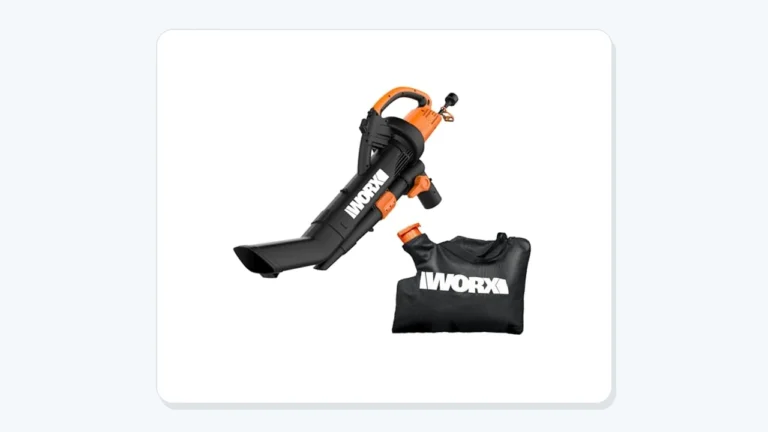
It’s also a poor fit if your priority is collecting leaves into a bag or shredding them for disposal or composting. The WG520 is a blower, not a vacuum or mulcher. The corded WORX WG509 Trivac is one verified alternative to consider: it combines blowing, vacuuming, and mulching, has a 42-liter collection bag, and lists an 18:1 mulch ratio. Its listed airflow is up to 350 CFM and 210 MPH, so compare the different specifications and functions rather than assuming it’s a direct performance upgrade.
If you’re mainly dealing with heavy, wet leaf mats, don’t buy based on the maximum airflow figures alone. Consider whether a blower is the right tool for that debris and whether you’re comfortable making repeated passes or finishing with a rake.
FAQs About WG520 600 CFM 110 MPH Airflow 2-Speed Control
Is the WG520 cordless?
No. It’s a corded electric leaf blower with a 12-amp motor, so it needs an outlet connection while you work. That means no battery charging, but your reach depends on the outlet and any suitable extension cord.
What do 600 CFM and 110 MPH mean?
CFM measures air volume, while MPH describes air speed. The WG520 is listed at up to 600 CFM and 110 MPH; those maximum figures help with comparisons, but they don’t guarantee a specific result with wet or packed leaves.
Does the WG520 vacuum or mulch leaves?
No. It’s designed to blow debris into piles, so you’ll need another method to collect or mulch the leaves. A blower-vac-mulcher such as the corded WORX WG509 is a better category to compare if those functions matter to you.
Is an extension cord included?
The listing says the box contains one leaf blower and doesn’t list an extension cord. Check the product instructions for cord requirements and measure your working distance before buying any cord separately.
How heavy is the WG520?
Its listed weight is 6.4 pounds. That can make it easier to carry between nearby work areas, but you’ll still need to hold it while keeping track of the cord.
Final Verdict: Is It Worth Buying?
The WG520 is a sensible option if you want a straightforward, corded blower for routine cleanup near an outlet. Its 600 CFM maximum, two-speed control, and 6.4-pound listed weight make a practical combination for moving loose debris without managing gas or battery charging.
The cord, blower-only function, and limited speed choices are real considerations, not fine print. Buy it if your work areas are reachable and you’re happy to gather leaves after blowing; skip it for cordless freedom or built-in vacuuming and mulching.

I’m Maya L. Greenwood, a lifelong plant lover who believes anyone can grow something beautiful with the right guidance. After years of testing soil mixes, pruning methods, irrigation tricks, and pest-safe solutions, I started EasyGardenTips.com to turn hard-won lessons into step-by-step advice. From seed starting and container gardens to composting and seasonal checklists, my goal is to make gardening simple, sustainable, and fun.