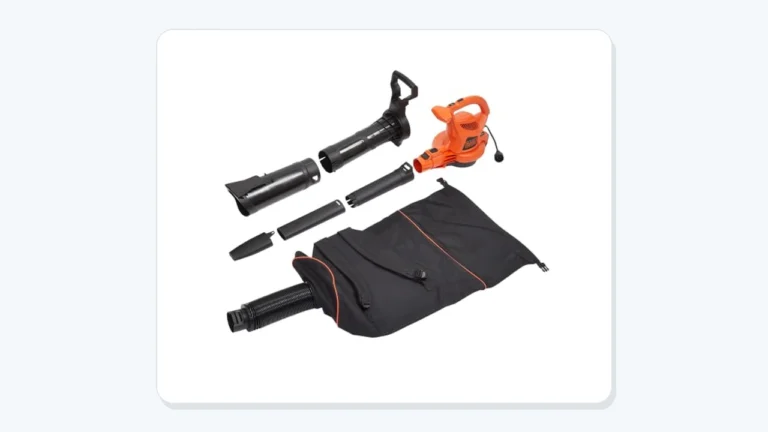
Worx Leaf Blower Vacuum Mulcher Review: Features, Pros, Cons, and Buyer Advice
The WORX Trivac WG509 is a corded, 3-in-1 yard tool that blows leaves, vacuums them, and shreds them for collection. It’s a practical fit for homeowners who want one machine for sidewalks, patios, lawn edges, and routine seasonal cleanup.
Its 12-amp motor is listed with airflow up to 350 CFM and air speed up to 210 MPH, while vacuum mode feeds debris into a 42-liter bag. Those details point to a tool built for ordinary residential cleanup, with continuous corded power instead of battery runtime to manage.
The trade-off is right in the design: the cord gives you steady power, but it also limits how freely you can move. If your yard has distant corners or few accessible outlets, that inconvenience may matter more than the blower’s listed airflow.
This guide explains the specifications in practical terms, what to check before setup, where the WG509 makes sense, and which buyers should consider a different type of machine.
WG509 350 CFM 210 MPH Airflow 18 1 Mulch Ratio

Features and Specifications
The WG509 combines three jobs, but the details matter more than the “3-in-1” label. A blower, vacuum, and mulcher each solve a different part of cleanup; the useful question is whether their controls and capacity suit the debris and spaces you actually deal with.
| Specification | What it means for you |
|---|---|
| 12-amp motor | It runs from a cord rather than a rechargeable battery, so there’s no battery runtime to plan around. |
| Up to 350 CFM and 210 MPH | These listed airflow figures describe its blowing capability for moving leaves and other yard debris. |
| 18:1 mulch ratio | Shredded leaves take up less collection space than loose leaves, though actual results depend on the material. |
| 42-liter collection bag | Vacuumed material goes into a relatively roomy bag before you need to stop and empty it. |
| Variable-speed control | You can select lower airflow for more controlled work or higher airflow for open areas and larger piles. |
CFM means cubic feet per minute, a measure of airflow volume. MPH describes air speed. Neither number alone tells you exactly how quickly a particular yard will be cleared: leaf type, moisture, surface, and how tightly debris is packed all affect the job.
The 18:1 figure is a stated mulch ratio, not a promise that every bag of leaves will shrink by an identical amount. Dry, brittle leaves and mixed yard debris don’t shred the same way, so consider the ratio a useful capacity indicator rather than a guaranteed result for every load.
Mode conversion is described as tool-free, using a switch or lever to move between blowing and vacuuming. That should make it easier to change tasks without setting up a separate blower and vacuum, but you’ll still need to handle the collection bag when using vacuum mode.
The 12-amp rating also answers a basic buying question: this isn’t a cordless tool. It can keep running while connected to power, but your outlet location and the cord-management instructions in the manual will shape where you can work.
Everyday Use and Performance
For a driveway, walkway, or patio, the blower function is the straightforward starting point. You can direct leaves toward a collection area instead of picking them up one handful at a time, and variable speed gives you a way to avoid using maximum airflow for every small patch.

That control can be useful around garden borders, porch steps, or other places where a strong blast might scatter leaves farther than intended. The listed maximum of 350 CFM and 210 MPH is most relevant when you have room to move debris across an open surface; it shouldn’t be read as a guarantee that every leaf pile will clear instantly.
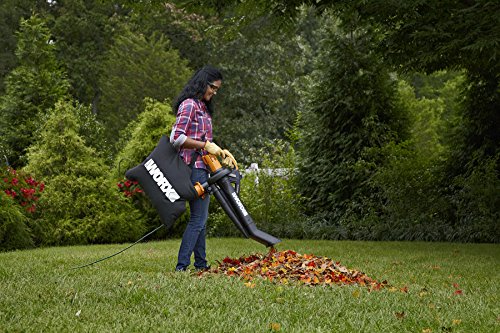
Vacuum mode suits cleanup where you’d rather collect leaves as you go than blow them into a pile first. The 42-liter bag provides a defined collection capacity, and the mulcher reduces the volume of the material compared with leaving it unshredded. You’ll still need to pause when the bag needs emptying.
For a small or medium residential cleanup, that combination may simplify the routine: blow loose material from broad surfaces, then vacuum leaves in tighter areas or where you want them contained. It’s also reasonable to use the blower on grass clippings or similar light debris, as the product listing identifies those among its intended cleanup materials.
Match the tool to the debris
Leaves that are wet, matted, or mixed with heavier yard waste can be harder to move and collect than loose, dry leaves. The listing doesn’t provide a specific wet-leaf performance claim, so treat those conditions as a buyer consideration rather than assuming the WG509 will handle them as easily as a dry fall cleanup.
Vacuuming also changes the pace of the work. Instead of pushing leaves into one large pile, you’ll be guiding the intake across the material and monitoring the bag. That can be convenient on a deck or walkway, but less appealing if your main goal is to clear a large, leaf-covered property as quickly as possible.
Because this is corded, the work area needs to be planned around a power source. The exact reach depends on your outlet, cord arrangement, and the instructions for approved cord use; don’t assume a cord is included or that any extension setup is suitable without checking the product details and manual.
Design, Fit, and Setup
The WG509’s main design advantage is consolidation: one tool handles blowing, vacuuming, and mulching. Its mode switch is intended to let you move between blow and vacuum functions without tools, reducing the hassle of changing over to a separate machine. Check the included instructions to confirm the correct assembly and switching steps.
In vacuum mode, the 42-liter collection bag attaches to the tool to catch shredded debris. Before buying, consider where you’ll empty it and whether that bag capacity feels manageable for your typical cleanup. A larger yard or a heavy leaf fall may mean more frequent stops than a small patio job.
Setup also means deciding how the power cord will reach the work area without becoming a nuisance. Check the outlet locations around your house and read the manual for cord-use requirements. If you’ll be cleaning several disconnected areas, the need to reposition the cord may interrupt the job.
Check accessories and maintenance
The listing identifies compatibility with selected WORX leaf-cleaning accessories: WA4054.2, WA4058, WA4094, and WA4096, where applicable. These are accessory model numbers, not a promise that every item is included with the WG509. Confirm the exact accessory and its fit before purchasing anything for a larger cleanup.
Leaf debris can collect around the intake and shredding area during vacuum use. The product information doesn’t specify a maintenance schedule or cleaning procedure, so follow the manual rather than reaching into the tool or guessing how to clear a blockage. Disconnect power before inspection or cleaning, and follow all safety directions supplied with the machine.
Weight, dimensions, cord length, noise level, and included accessories aren’t established in the supplied listing details. Those can affect comfort and setup, especially if you’ll carry the tool between floors, work near neighbors, or need a longer reach. Check the current product listing and manual for those specifics instead of relying on assumptions.
What Works Well (pros)
- Three functions in one tool: Blowing, vacuuming, and mulching can cover several common cleanup tasks without buying separate machines for each.
- Continuous corded power: You don’t have to stop for a battery recharge during a session, provided the tool can stay connected to an appropriate power source.
- Variable-speed control: A lower setting can help with more contained work, while higher airflow is available for open spaces and larger piles.
- Reduced leaf volume: The stated 18:1 mulch ratio means shredded leaves should take up less space than loose leaves, making collection or composting easier to manage.
- Room for collected debris: A 42-liter bag gives vacuum mode a useful collection capacity before you need to empty it.
Where It Falls Short (cons)
- The cord restricts your route: You’ll need a suitable outlet and a cord setup that reaches the areas you want to clean. A spread-out yard can make that inconvenient.
- One bag still needs emptying: The 42-liter capacity is helpful, but it won’t eliminate interruptions during a large cleanup. Check whether you’re comfortable carrying and emptying the collection bag.
- Not every performance detail is listed: The available specifications don’t establish weight, noise, cord length, or included accessories. Buyers who need those details for comfort or reach should verify them before ordering.
- Mulch ratio isn’t a result guarantee: The 18:1 figure doesn’t tell you exactly how each mixture of leaves and debris will compress. If predictable handling of wet or heavy material is your priority, check the manual and product details carefully.
Who Should Buy It?
The WG509 makes the most sense for homeowners with routine leaf cleanup on a driveway, deck, patio, walkway, or lawn edge, especially when an outlet is reasonably close. Its three functions may be a good fit if you like the option to blow debris into place and vacuum selected areas into a bag.
It’s also worth considering if you prefer corded operation over tracking battery charge or buying replacement batteries. That choice trades freedom of movement for power from an outlet, so it’s a practical match only when your yard layout supports it.
Before buying, check the available outlet locations, the manual’s cord requirements, and the listed weight and dimensions. Confirm whether the collection bag and any accessory you expect are included in the specific package. If most of your cleanup is loose leaves across a large lawn, think about whether a blower-only tool or a more mobile setup would better match the job.
Who Should Skip It?
Skip the WG509 if you need to move freely across a large property or clean areas far from an outlet; a cordless blower or cordless blower-vacuum with verified battery capacity and runtime is a better type to compare. The listed WG509 details don’t provide a cordless option or battery runtime, so there’s no reason to expect it to work untethered.
It may also be a poor fit if you want a dedicated blower for broad, fast leaf clearing and have little use for vacuuming or mulching. The vacuum bag and mode change are useful only if they solve jobs you actually have; otherwise, a blower-only model may be simpler to manage.
FAQs About WG509 350 CFM 210 MPH Airflow 18 1 Mulch Ratio
Is the WG509 cordless?
No. The WG509 is a corded electric model with a 12-amp motor. You’ll need an appropriate power connection, so check outlet reach and the manual’s cord instructions before planning your cleanup.
Can it blow and vacuum leaves?
Yes. It’s designed to blow, vacuum, and mulch leaves, with tool-free switching between blow and vacuum modes. Vacuum mode collects debris in the 42-liter bag.
What does the 18:1 mulch ratio mean?
It describes the stated reduction in leaf volume after shredding. It can help reduce how much space collected leaves take up, but the result can vary with leaf condition and the mix of material.
How powerful is the WG509 blower?
The listed maximums are 350 CFM airflow and 210 MPH air speed. They describe the blower’s rated output, not a guaranteed clearing time for a particular pile, surface, or type of debris.
Does it include WORX accessories?
The listing names compatible accessories WA4054.2, WA4058, WA4094, and WA4096 where applicable. It doesn’t establish that those accessories come in the box, so check the package details before ordering.
Final Verdict: Is It Worth Buying?
The WORX Trivac WG509 is a sensible option when you want a corded blower, vacuum, and mulcher in one tool for ordinary residential cleanup. Its variable-speed control, 42-liter collection bag, and stated 18:1 mulch ratio address practical jobs beyond simply pushing leaves into a pile.
The catch is the cord, plus the need to manage and empty the vacuum bag. Choose it if your cleanup areas are within workable reach of an outlet and you’ll use all three functions. If yard mobility matters more than corded operation, compare cordless alternatives with runtime and battery details that fit your property.

I’m Maya L. Greenwood, a lifelong plant lover who believes anyone can grow something beautiful with the right guidance. After years of testing soil mixes, pruning methods, irrigation tricks, and pest-safe solutions, I started EasyGardenTips.com to turn hard-won lessons into step-by-step advice. From seed starting and container gardens to composting and seasonal checklists, my goal is to make gardening simple, sustainable, and fun.